 Published on
10 Apr, 2026
Published on
10 Apr, 2026 Updated on 19 Jun, 2026
 5173
5173You slept fine, ate well, didn't do anything out of the ordinary and yet you wake up feeling completely drained. Or suddenly, out of nowhere, you're desperately craving something sweet or carb-heavy and you can't quite explain why. Easy to brush off as a busy week or a bit of stress, right?
Not always.
One of the most common culprits behind all of this is insulin resistance. It builds up slowly, often with no obvious warning signs, until one day it starts getting in the way of how you feel and function day to day. The good news? Catch it early and it's very much manageable and in many cases, even reversible. Steady energy, fewer cravings, and a body that actually feels balanced again all genuinely possible with the right approach.
What Is Insulin Resistance?
Insulin resistance is a medical term for a situation in which your body's cells do not respond to the effects of insulin, the hormone that ensures glucose (blood sugar) enters your cells to provide energy.
If you imagine insulin as a key and your body cells as doors, the hormone unlocks those doors for glucose to get in. However, when insulin resistance occurs, the "locks" on cell doors cease to respond adequately to insulin's actions. Consequently, glucose:
- Does not leave the bloodstream
- The pancreas starts producing more insulin
This explains why you experience energy drops post-meal times or strong cravings as your body finds it difficult to regulate blood glucose.
Different Levels of Insulin Resistance
Insulin resistance is not acquired all at once but comes over time in phases:
Early Stage (Silent Phase)
- Mild elevation in insulin
- No visible signs
- Occasional cravings and exhaustion
Moderate Level
- Persistent energy drops
- Heightened hunger, particularly for sweet cravings
- Gain weight, specifically stomach fat
Advanced Level
- Persistently elevated blood glucose
- Possible development of prediabetes and type 2 diabetes
- Possible hormonal imbalance
Body Signals That Indicate a Health Condition
Insulin resistance usually exhibits some warning signs that can be recognised prior to developing this disorder. These can include:
- Intense desire to consume carbohydrates or sugary products
- Tiredness after each meal
- Energy crashes throughout the day
- The inability to lose weight
- Excess fat deposits, especially in the abdominal area
- Problems with concentration
- Hungry feelings right after having a meal
Although the above-mentioned symptoms may seem insignificant, they indicate a health condition that requires attention.
What Causes Insulin Resistance?
The following aspects may result in insulin resistance. Usually, several factors are involved in its development rather than only one cause.
- Poor nutrition: Excessive consumption of carbohydrates and refined products
- Sedentary way of life: Physical inactivity leads to insulin resistance
- Stress: Hormones released during stress processes inhibit insulin effects
- Lack of sleep: Sleeping problems influence metabolism
- Excessive body fat: Obesity
- Hormonal disorders: PCOS
- Genetic background
Insulin Resistance Diagnosis
Modern Medical Diagnosis
Various methods are used by medical professionals to diagnose insulin resistance:
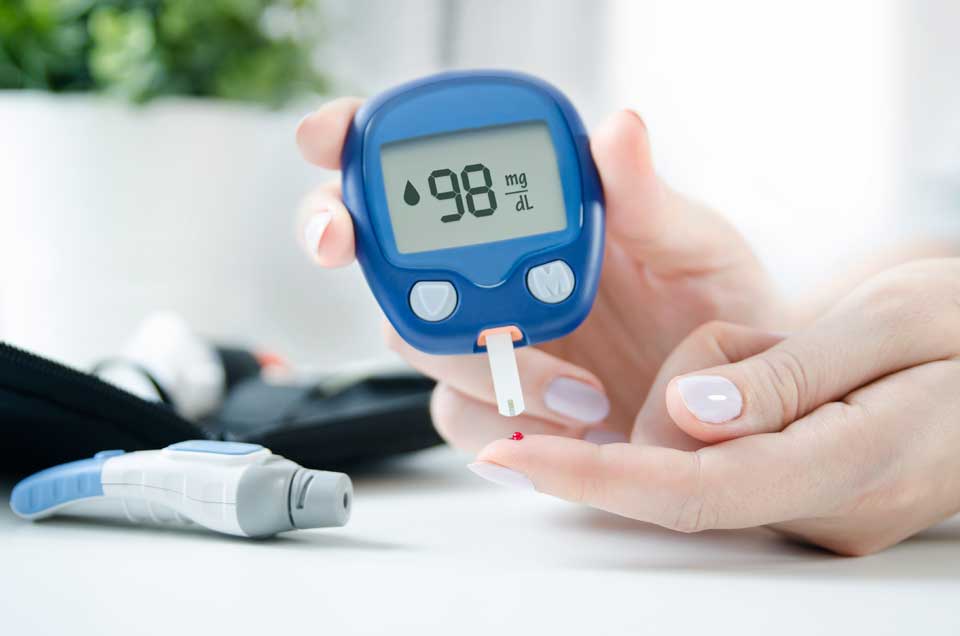
- Fasting blood sugar test – measures sugar levels after fasting
- HbA1c test – shows sugar levels over the last 2-3 months
- Fasting insulin level test – aids in the diagnosis of early insulin resistance
- Oral glucose tolerance test – measures sugar processing capabilities
- Lipid profile – checks for the levels of cholesterol and triglycerides.
Detection through such tests ensures timely intervention to prevent type 2 diabetes.
Insulin Resistance from the Perspective of Ayurvedic Medicine
From the standpoint of Ayurveda, there is no separate term for insulin resistance, as it is an imbalance in the metabolism caused by dysfunction in Agni, doshas (Kapha and Vata). There are several approaches in Ayurvedic diagnostics:
- An examination of prakriti (body constitution);
- Pulse diagnosis (nadi pariksha) – helps to identify the internal imbalance;
- Evaluating Agni (digestion/metabolism);
- Review of the patient’s lifestyle and diet that caused the imbalance.
- Signs of identification, like a feeling of heaviness, lethargy, or craving for food.
In contrast to modern medicine, Ayurveda looks deeper into the causes of imbalance.
Ayurvedic Herbs That Actually Do the Work
Ayurveda has a solid lineup of herbs that work on insulin sensitivity and metabolism — no harsh interventions, just the body being nudged back into balance:
- Gudmar (Gymnema Sylvestre): Literally nicknamed "the sugar killer." Helps knock out those relentless sugar cravings before they take over.
- Karela (Bitter Gourd): Not the most popular vegetable at the dinner table, but brilliant at improving how your body processes glucose.
- Neem: A blood cleanser that also helps bring elevated sugar levels back down quietly and steadily.
- Jamun (Indian Blackberry): Particularly the seeds — surprisingly powerful at keeping blood sugar in check.
- Triphala: Three fruits, one formula. Detoxifies and gets your metabolism moving again.
- Ashwagandha: Targets the stress that's quietly driving your insulin resistance in the first place.
Ayurvedic Treatments That Help Reset the Body
Beyond herbs and dietary shifts, certain Ayurvedic therapies can genuinely speed up recovery by working deeper:
- Panchakarma: A full-body purification process that flushes out accumulated toxins (Ama) and gives your system a proper reset.
- Udwarthanam (Herbal Powder Massage): Tackles fat buildup, gets circulation going, and corrects Kapha imbalance.
- Abhyanga (Oil Massage): Improves blood flow and calms an overstimulated nervous system.
- Swedana (Steam Bath): Opens up the body's channels and pushes toxins out through sweat.
- Basti (Medicated Enema): Particularly effective for managing Vata and metabolic issues at a deeper level.
Listen To Your Body: Signs That It’s Time to See a Doctor
Certain signs shouldn’t be neglected, as they could be the indication of growing insulin resistance or the onset:
- Persistent fatigue despite enough rest
- Cravings for sweet foods, energy slumps
- Unexplained weight gain, mainly abdominal
- Excessive thirst, frequent urination
- Poor eyesight, headaches
- Diabetes cases in your family history
In case you’re experiencing these symptoms often, then it’s high time for you to act.
Conclusion: A Friendly Reminder for Your Well-being
Insulin resistance may creep up on you, manifesting itself in subtle symptoms such as hunger pangs and tiredness. However, it is the language your body uses to communicate with you. On the bright side, if approached properly by means of an appropriate diet, healthy lifestyle and treatment, you will have all it takes to make a positive change.
It’s time to listen to your body and find the perfect remedy. Let Ayurveda guide you on the road to harmony.