.webp)
 Published on
10 Apr, 2026
Published on
10 Apr, 2026 Updated on 16 Jun, 2026
 5176
5176There are times when your body sends messages that are hard to ignore since they indicate some problems. When you feel weak, your hands are cold, and you have lightheadedness, these symptoms are ignored as fatigue. In fact, they could be the signs of hypotension, a situation whereby there is poor blood supply to your internal organs.
Recognising hypotension will enable you to avoid dangerous health situations. However, if you seek proper management, hypotension will be under control.
Introduction to Low Blood Pressure (Hypotension)
Hypertension or low blood pressure occurs when your blood pressure pushes into your arteries more strongly than expected. In such circumstances, your organs will lack a sufficient supply of nutrients and oxygen. Ideally, an individual's normal BP is supposed to be 120/80mmHg. On the other hand, low blood pressure occurs when the BP goes below 90/60mmHg.
Different Kinds of Low Blood Pressure
Identifying the type of hypotension is important because each requires different treatments. The types are:-
- Orthostatic Hypotension,
- Postprandial Hypotension,
- Neurally Mediated Hypotension,
- Severe Hypotension (Shock).
Symptoms of Hypotension
These are some of the symptoms that you might experience:
- Cold feet and hands
- Weakness and tiredness
- Dizziness
- Fuzzy vision
- Fainting (in extreme situations)
- Inability to focus
- Nausea
Causes of Hypotension
There are several causes of low blood pressure:
- Dehydration
- Insufficient nutrition (lack of iron and vitamin B12)
- Hormonal imbalance
- Heart diseases
- Bleeding
- Some drugs
- Sedentary lifestyle
Risk Factors & Complications
|
Risk Factors |
Possible Complications |
|
Poor diet |
Frequent fainting |
|
Injury due to falls |
|
|
Chronic illness |
Reduced organ function |
|
Pregnancy |
Weakness and fatigue |
|
Aging |
Cognitive issues |
|
Medication side effects |
Shock (in severe cases) |
How Is Low Blood Pressure Diagnosed?
Modern Medical Diagnosis
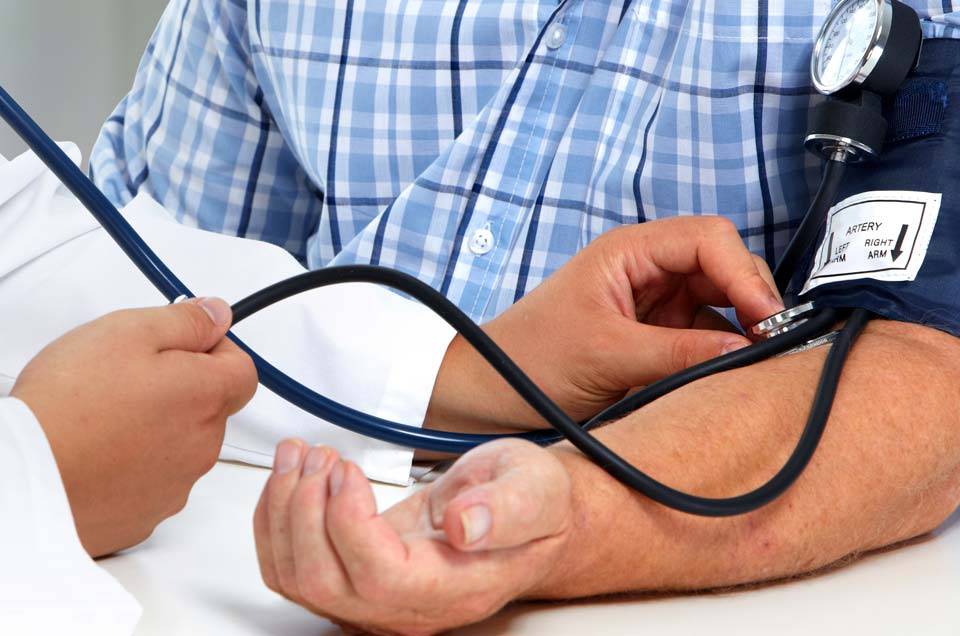
- Monitoring blood pressure
- Blood tests (anemia, blood sugar)
- Electrocardiogram (to assess heart functions)
- Tilt table testing
- Echocardiogram
Ayurvedic Viewpoint
The following criteria are used in Ayurveda:
- Pulse diagnosis (Nadi Pariksha)
- Prakriti (constitution/body type)
- Dosha imbalance assessment
- Evaluation of digestive fire (Agni)
Low Blood Pressure in Ayurveda
According to Ayurveda, low BP is mostly caused by Vata Dosha imbalance. When Vata rises, it results in weak circulation, dryness, and weakness. Some other causes include:
- Mandagni (weak digestion)
- Dhatu kshaya (insufficient nourishment of body tissues)
- Ojas depletion (low energy flow)
Herbal Remedies for Hypotension in Ayurveda
- Ashwagandha – Increases stamina and energy
- Brahmi – Boosts brain functioning and reduces dizziness
- Shatavari – Improves nourishment of body tissues
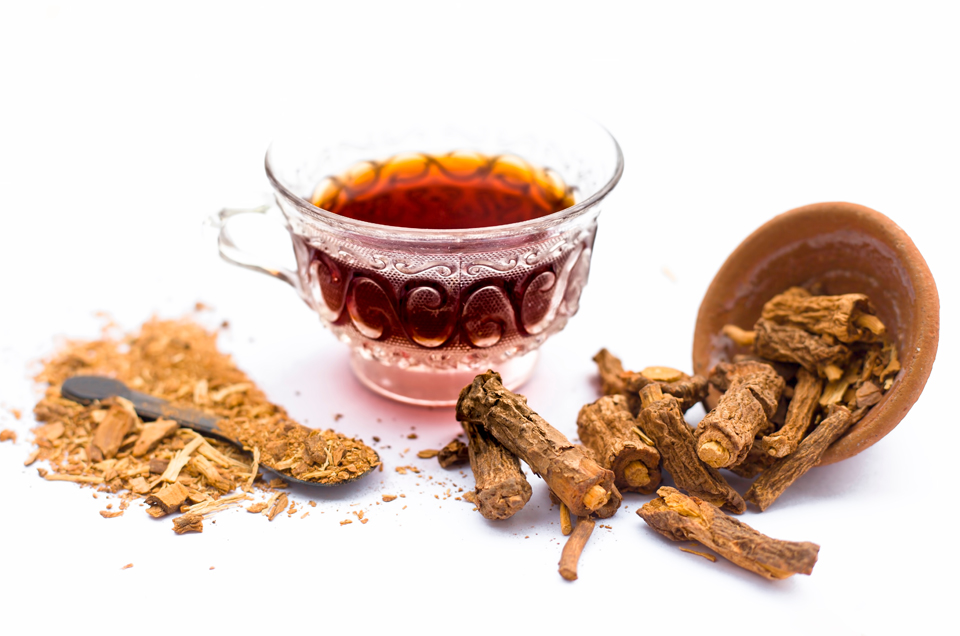
- Mulethi (licorice) – Balances BP
- Amla – Increases vitality
Ayurvedic Therapies
- Abhyanga (oil massage) – Enhances blood circulation
- Shirodhara – Relieves nervous system tension
- Basti (medicated enema) – Balances Vata Dosha
- Nasya therapy – Treats the brain and nerves
Diet for Low Blood Pressure
|
Recommended Foods |
Foods to Avoid |
|
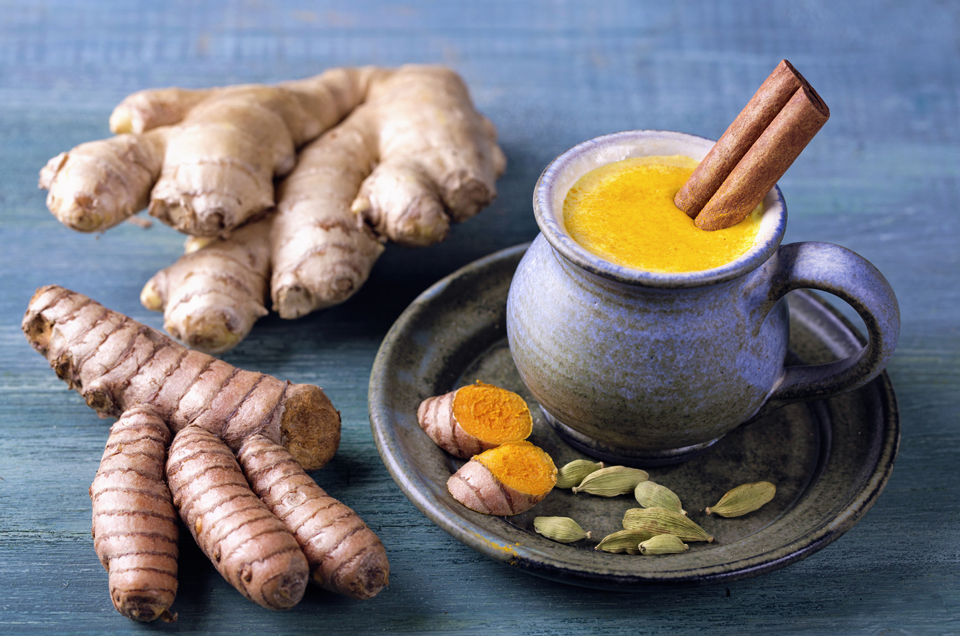
Warm soups & herbal teas |
Cold and processed foods |
|
Whole grains |
Junk food |
|
Fruits like banana & pomegranate |
Excess caffeine |
|
Rock salt (in moderation) |
Alcohol |
|
Nuts & seeds |
Skipping meals |
Patient Testimonial - Meera
For the past 2 years, I was taking BP pills every day. If I missed one, my head would start spinning. One day, I saw Dr Chauhan speaking about the success stories of Jiva Ayurveda. So, I decided to meet a Jiva doctor. Medicines continued for 8 months, and now I don't need to take BP pills daily! Thank you, Jiva Ayurveda.
Modern Treatment vs Ayurvedic Treatment
|
Basis |
Modern Treatment |
Ayurvedic Treatment |
|
Approach |
Symptom management |
Root cause healing |
|
Relief |
Quick |
Gradual but long-lasting |
|
Side Effects |
Possible |
Minimal |
|
Focus |
BP levels |
Whole body balance |
|
Sustainability |
Temporary |
Long-term wellness |
When to See a Doctor?
Do not ignore the following signs:
- Repeated instances of fainting
- Intense dizziness
- Pain in the chest
- Disorientation and blurred vision
- Low BP levels
Quick medical intervention will help avoid further complications.
Conclusion
Having cold hands, being weak, and suffering from low BP is no small matters; these symptoms are telling us something. Understanding what lies at the heart of your issues and taking a holistic course of treatment, such as Ayurveda, can help you reclaim your vigour.