 Published on
23 Jul, 2026
Published on
23 Jul, 2026 Updated on 23 Jul, 2026
 5110
5110It’s an experience most people can relate to. It is a hot afternoon, or you have just finished a sweaty workout, and you reach for a tall, refreshing glass of chilled coconut water. It is heavily marketed as "nature’s sports drink", the ultimate, guilt-free hydrator that you should supposedly drink every single day.
You see people replacing their regular drinking water with it, carrying packaged bottles to the office, and giving it to their kids like it is a magical cure-all. But occasionally, after drinking it, you might feel strangely bloated, unusually heavy, or maybe you develop a sudden scratchy throat the next morning.
The danger of elevating any food or drink to "superfood" status is that we stop questioning if it is actually right for our unique body at that specific time. If it is completely natural, how could it possibly be causing issues? Let us break it down simply using the timeless wisdom our grandmothers relied on long before hydration trends took over the internet.
Why it is Nourishment, Not Just Water
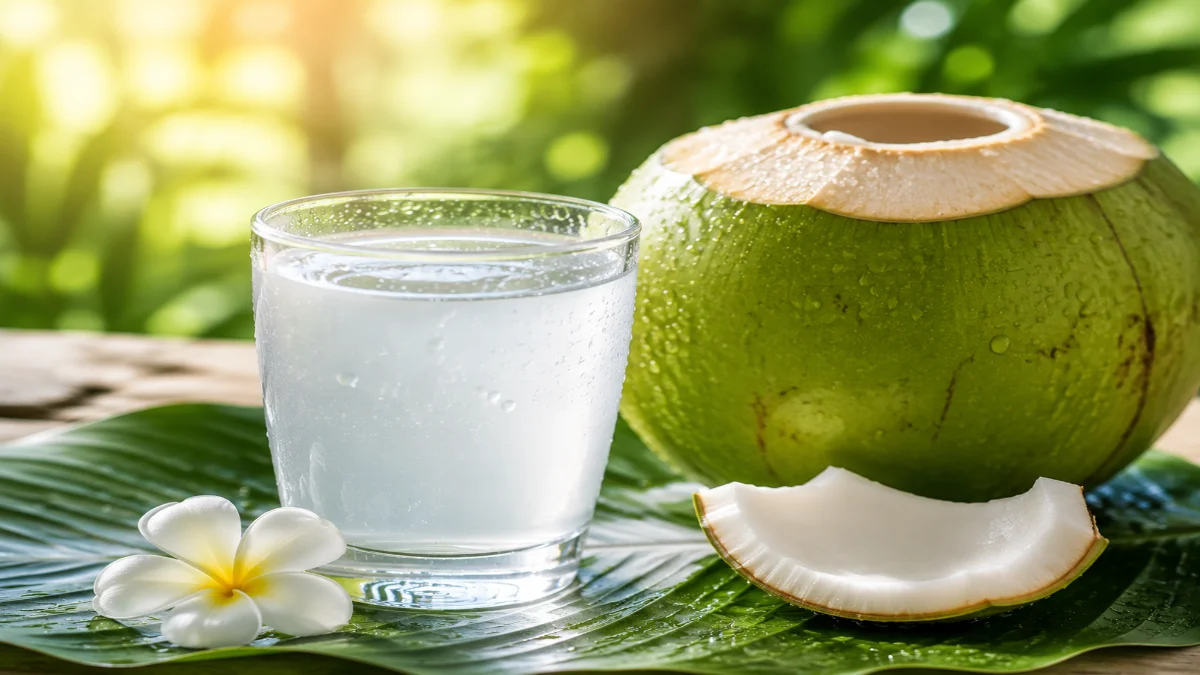
Before we talk about who should hit pause on coconut water, we have to clear up a massive piece of confusion about what this liquid actually is.
Modern culture treats coconut water like enhanced H2O, light, calorie-free, and easy to digest. But in traditional Indian medicine, coconut water (Narikela Jal) is categorized very differently. It is sweet (Madhura), incredibly cooling (Sheetala), and crucially, it is heavy (Guru).
Drinking coconut water is not like drinking plain water; it is closer to drinking a light liquid meal. It requires active digestive fire (Agni) to process. Treating it like empty water and chugging it mindlessly is where the trouble begins.
When Daily Use is Actually Beneficial
To be clear, for certain bodies and certain seasons, coconut water is pure medicine.
- The Overheated Body: If you suffer from frequent acidity, burning urine, spontaneous skin rashes, or a fiery temper, you have an excess of Pitta Dosha (internal heat). The intensely cooling nature of coconut water acts like a soothing balm on a burn.
- The Dehydrated System: After extreme sweating, intense summer heat, or a bout of diarrhea, coconut water perfectly replenishes lost electrolytes and builds back essential bodily fluids (Rasa Dhatu).
The Sluggish Digestion Trap: When to Hit Pause
If your digestion is already weak and you feel tired after meals, coconut water might actually be making you feel worse.
- The feeling: You drink it expecting a burst of energy, but an hour later, you feel heavily bloated, your stomach feels cold and stagnant, and you might even feel a bit nauseous.
- The reality: In Ayurveda, a weak metabolism (Mandagni) combined with excess Kapha (earth and water elements) creates a cold, sticky internal environment. Pouring a heavy, sweet, and freezing cold liquid into a sluggish stomach is like throwing wet sand onto a dying campfire. It extinguishes your digestive fire completely.
The Weight Loss Misconception
If you are drinking liters of coconut water thinking it is a zero-calorie fat burner, you might be working against your own goals.
The feeling: You replace your afternoon snacks with coconut water hoping to shed a few pounds, but the scale refuses to budge, and you feel surprisingly puffy or lethargic.
The reality: In traditional wisdom, the sweet (Madhura) taste is naturally building and anabolic. It is meant to nourish, ground, and increase bodily tissues, not scrape away fat. Because it is heavy (Guru), overconsuming it when you are trying to lose weight simply adds to the fluid burden and sluggishness (Kapha) in your body, slowing your metabolic rate down rather than speeding it up.
Tender vs. Mature: Not All Coconuts Are Equal
When we talk about the healing, hydrating properties of coconut water, traditional texts are almost exclusively referring to the young, tender, green coconut. As a coconut matures and the white meat inside thickens, the chemical composition of the water drastically changes. The water from a mature, brown coconut is significantly heavier, much harder to digest, and can actually carry a slightly heating, acidic quality that provokes bile (Pitta) and causes severe gas. If you are cracking open a hard, brown coconut at home and chugging the water inside, you are consuming a completely different, much heavier substance than the light water of a green coconut.
The Digestive Clash: What You Drink It With Matters
Even an iron-clad digestive system can falter if you combine foods incorrectly, a concept Ayurveda calls Viruddha Ahara (incompatible combinations). Because coconut water is heavily cooling and sweet, drinking it alongside or immediately after a heavy, oily, or intensely spicy meal is a recipe for disaster. Your body is trying to generate intense heat to break down that heavy lunch, and you have just dumped ice water on the engine. Similarly, you should never mix coconut water with dairy or sour citrus fruits; this combination instantly confuses the stomach, leading to toxic buildup (Ama), acid reflux, and eventual skin breakouts.
The Aging Body and Joint Pain
As we enter our later years, our bodies naturally shift into a stage of life governed by air, space, dryness, and cold (Vata dosha).
The feeling: An older adult drinks a glass of chilled coconut water for hydration, but soon after, complains of stiff knees, newly aching lower back joints, or a dry, hacking cough.
The reality: Aging bodies naturally possess a weaker digestive fire and less internal heat. Pumping a deeply cooling (Sheetala) liquid into a system that is already struggling to stay warm only exacerbates the cold, dry qualities of the joints and respiratory system. For the elderly, warm water, broths, or lightly spiced herbal teas are almost always a better, safer choice for daily hydration than cold, tropical drinks.
The Chilly Weather Rule
Nature provides coconuts in tropical, blistering hot climates for a reason. Drinking it out of season is a recipe for sudden illness.
- The feeling: Waking up with a stiff neck, a sudden runny nose, deep chest congestion, or aching joints after drinking coconut water the day before.
- The reality: The extreme Sheetala (cooling) property of coconut water immediately spikes Kapha and Vata doshas in the respiratory system and joints. Drinking it during the winter, on a rainy monsoon day, or when you already have a cold physically traps coldness in your tissues, prolonging your illness.
Mistakes You Might Be Making

Even if you are perfectly suited to drink coconut water, how and when you drink it matters just as much as whether you should drink it. Watch out for these subtle daily traps:
- The Nighttime Chug: Drinking coconut water right before bed is a major mistake. As the sun sets, your digestive fire naturally powers down. Drinking a heavy, cooling liquid at night leads to fluid retention, facial puffiness, and morning congestion.
- The Empty Stomach Shock: For some, drinking it first thing in the morning on an empty stomach is too cooling and causes sudden abdominal cramps. It is often better digested mid-morning or afternoon when the sun is highest.
- The Packaged Illusion: Bottled, pasteurized coconut water that has been sitting on a supermarket shelf for six months is entirely stripped of its vital life force (Prana). It often contains hidden added sugars or preservatives that make it acidic, rather than cooling.
Doctor’s Note
While understanding the holistic, cooling nature of coconut water is vital for daily well-being, its specific mineral makeup makes it a serious medical concern for certain individuals.
Coconut water is exceptionally high in potassium. If you have Chronic Kidney Disease (CKD) or failing kidneys, your body cannot filter out excess potassium. Drinking coconut water can lead to a dangerous buildup in the blood (hyperkalemia). If you are on specific blood pressure medications (like ACE inhibitors or potassium-sparing diuretics), you must consult your physician before making coconut water a daily habit. Finally, despite being "natural," it still contains carbohydrates and naturally occurring sugars; diabetics should factor this into their daily glycemic load rather than treating it as "free water."
Conclusion
We spend so much time searching for the ultimate superfood that we forget nature is beautifully complex, and context is everything. Just because coconut water is incredibly healthy for an athlete in the mid-summer sun does not mean it is right for someone battling a winter cold or sluggish digestion.
Your bloating, your sudden congestion, and your chills are a living, breathing message. They might be asking you to warm up your digestive system, or they might simply be telling you that your body needs plain, warm water instead. Listen to your body carefully. Honor the natural wisdom of the seasons, respect the heavy, cooling power of this tropical drink, and remember that even the most natural medicine can become a toxin if used at the wrong time!
References:
Coconut Water Benefits: 7 Science-Backed Reasons to Drink It
Coconut Water and IBD: A Refreshing Approach to Gut Health | World Gastroenterology Organisation
Coconut Water: A Review on Its Health Benefits, Pharmacological Properties and Traditional Uses