 Published on
23 Jul, 2026
Published on
23 Jul, 2026 Updated on 23 Jul, 2026
 5071
5071Living with Polycystic Ovarian Disease (PCOD) often feels like a constant negotiation with your own body, particularly when it comes to managing weight. For many, unexplained weight gain or the sheer inability to lose stubborn fat is one of the most frustrating symptoms of the condition. In a culture obsessed with rapid transformations, the temptation to jump on a highly restrictive crash diet, juice cleanse, or extreme fasting regimen is incredibly strong.
However, trying to starve away PCOD weight isn't just ineffective; it is biologically counterproductive. Your body is already operating under a state of hormonal stress, and subjecting it to extreme calorie restriction only throws fuel on the fire. To manage PCOD effectively, you have to work with your hormones, not declare war on them.
The Urge for a Quick Fix
The modern-day wellness community keeps selling quick fixes for metabolic problems. When faced with the stress of PCOD and its symptoms, including irregular periods, cystic acne, and sudden hair thinning, 10 pounds of weight loss in a week becomes a beacon of hope.
It is only natural for us to be fooled by these fad diets. The societal pressure of conforming to a certain ideal, coupled with the actual physical stress caused by PCOD, makes one look at such desperate solutions. However, it should be noted that PCOD is essentially an endocrine disorder. It alters the way our body uses energy, metabolizes fats, and deals with stress. Approaching it from just a simple mathematical formula of calorie intake and expenditure does not account for the very essence of the problem.
 The Hormonal Reality of PCOD
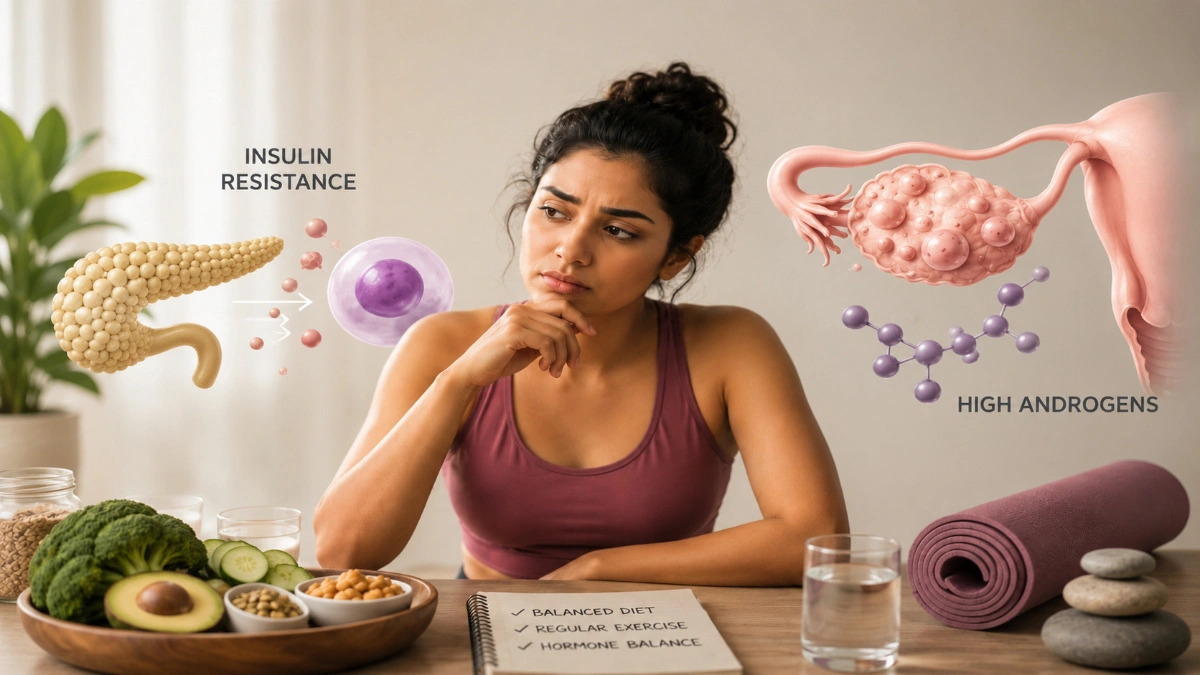
To understand why crash diets fail, you have to understand what is happening beneath the surface. PCOD is closely linked to two major hormonal disruptions:
- Insulin Resistance: In many cases of PCOD, the body's cells become resistant to insulin (the hormone responsible for moving glucose from your blood into your cells for energy). Because the cells aren't responding properly, the pancreas pumps out even more insulin. High insulin levels signal the body to store fat, particularly around the abdomen, and make weight loss incredibly difficult.
- Hyperandrogenism: High insulin levels also stimulate the ovaries to produce excess androgens (male hormones like testosterone). This hormonal imbalance is what causes acne, facial hair growth, and disrupted ovulation.
Why Starvation Mode Makes Everything Worse
However, when you restrict calories severely, your body assumes that you are facing a famine and not just trying to squeeze into those jeans. Below is the reason why a crash diet can actually make PCOD worse:
Increase in Cortisol: Severe calorie restriction is a huge stress on the body, and as a result, the body reacts by releasing cortisol (stress hormone). High levels of cortisol increase insulin resistance and create a negative feedback loop. In addition, it tells the body to store more visceral fat (belly fat).
Metabolic Dysfunction: Your body slows down its metabolism if you continuously starve yourself to lose weight. It lowers the basal metabolic rate (BMR), thyroid function and energy output. Once you go back to eating normally, your metabolism slows down further and results in quick weight gain.
Micronutrient Deficiency: Women suffering from PCOD are already vulnerable to nutrient deficiencies such as magnesium, Vitamin D, and B-vitamins. Not eating enough means depriving your body of essential nutrients to manufacture healthy hormones and thyroid functions.
Red Flags Your Diet Is Harming You
There are very obvious warning signs that your diet is actually causing more damage than benefit. Be extra vigilant if you are facing the following issues:
- Irresistible urges for sweet and refined foods
- Energy slumps during afternoon hours
- Hair loss and severe cystic acne outbreaks
- Dizziness, brain fog, or always feeling cold
- Loss of menstruation or irregularities (even more so than your normal PCOD cycle)
- Extremely irritable or anxious and can’t fall asleep despite exhaustion
 A Sustainable Blueprint for PCOD Health
You do not need to choose between accepting uncomfortable symptoms and torturing yourself with a restrictive diet. Managing PCOD requires a sustainable, gentle approach that signals safety to your nervous system and stabilizes your blood sugar.
Fill the Plate, Don’t Leave it Empty
Rather than considering which foods need to be removed from your diet, consider which foods need to be added. Each meal provides an opportunity to balance out blood sugar. Combine a complex carbohydrate (such as sweet potatoes, quinoa, or oats) with a quality protein and a fat. Both fat and protein slow the absorption of glucose and prevent insulin spikes, which cause PCOD symptoms.
Eat Adequately to Send Signals of Security
Your body is constantly in “survival mode” when you aren’t getting enough food. Accurately assess your requirements and make sure you are consuming enough based on your activity levels. If your body recognizes that there is plenty of food, it will release the stored fat.
Exercise Sensibly, But Don’t Overdo It
Although exercise is an essential component of boosting insulin sensitivity, prolonged HIIT or running sessions may raise the level of cortisol too much for a person with PCOD. Be sure to include both strength workouts, which are considered one of the most efficient methods of enhancing insulin sensitivity, and low-intensity steady state exercises, such as walking or Pilates.
Emphasize Quality Sleep
Sleep deprivation leads to the development of insulin resistance. Sleeping 7-9 hours daily is not some kind of a luxury, but a basic element of managing hormones.
PCOD-Friendly Habit Checklist
| Habit | How It Supports PCOD Management |
| Protein at breakfast | Stabilizes morning blood sugar and prevents afternoon cravings |
| Strength training (2-3x/week) | Builds muscle, which naturally improves insulin sensitivity |
| 7–9 hours of sleep | Lowers cortisol and helps regulate hunger hormones (leptin/ghrelin) |
| Adding fiber to meals | Slows glucose absorption and supports a healthy gut microbiome |
| Daily stress-reduction practice | Keeps cortisol in check, preventing stress-induced androgen spikes |
| Staying hydrated | Aids in metabolic function and natural detoxification processes |
The Stress-Insulin Connection
You cannot separate your mental health from your reproductive health. Chronic psychological stress, whether from a demanding job, relationship issues, or the stress of severe dieting itself, keeps your nervous system in a "fight or flight" state. This constant low-grade stress directly impairs your body’s ability to manage glucose and ovulate normally. Managing stress through mindfulness, therapy, or simply establishing boundaries is just as vital as what you put on your plate.
 When to Seek Help from Your Doctor
Although healthy habits and proper diet have great power, PCOD is an ailment that requires medical attention. Often, even a healthy regimen may not be sufficient to counteract the underlying issues such as insulin resistance or hormonal imbalances.
You should see a doctor or endocrinologist when experiencing:
- Uncontrollable weight gain that does not subside despite easy lifestyle modifications
- Lack of a menstrual cycle for more than three to four months
- Severe pelvic pains (that may mean the rupture of ovarian cysts or other problems)
- Presence of dark and velvety skin patches (acanthosis nigricans – clear signs of significant insulin resistance)
- Severe depression, intense anxiety, or extreme mood swings
- Drugs, specific supplements (e.g., Inositol), and medical advice are perfectly fine to be part of a PCOD treatment regimen.
The Bottom Line
It's important to note that managing PCOD is a marathon and not a sprint. The most significant thing that you need to know is that torturing yourself with starvation is going to give you temporary results, but it will cause harm to your body in the long run. Your body is trying its best within the limits of the signals that it receives from the hormones.
You don’t have to make all the changes to your life right now. You can start small, like eating some protein in the morning, walking for 15 minutes to reduce the level of sugar in your blood after lunch, or just putting down the phone an hour before going to bed.
References
Do PCOD and PCOS mean the same thing or are they different | UNICEF India