Stress has become a nearly constant companion in modern life. It is hidden behind things like deadlines, bad traffic, money worries, and spending too much time on our phones. It is quiet and always there. We do not even notice it until our body starts feeling it with things like fever, tiredness, or stomach problems.
These days, life is really fast. Just getting through the day is not enough anymore. To be really healthy, our body needs to heal in a way. This means we need to fix the damage that stress causes when our body is always on alert. We need to do more than just survive; we need to make our Stress go away so our body can repair itself from all the Stress we have.
What Is Cortisol and Why Does It Matter?
Cortisol is not just a simple stress hormone. It is a steroid made by the adrenal glands that helps different systems in your body work together. It does much more than just respond to stress. Cortisol plays an important role in keeping your blood sugar stable, controlling inflammation, and maintaining healthy blood pressure.
In situations where you need to react quickly, cortisol is helpful. It gives you a quick burst of energy, sharpens your focus, and temporarily pauses functions like digestion that are not needed in that moment. This helps your body deal with challenges more effectively.
However, when stress becomes constant, cortisol levels stay high for too long, which is not good for the body. Instead of helping, it starts creating problems. Long-term high cortisol can affect how your body functions, leaving you feeling tired, disrupting your sleep, and causing ongoing inflammation. In simple terms, cortisol is a hormone that can work for you or against you; it all depends on how much of it is in your body.
Signs & Symptoms of High Cortisol
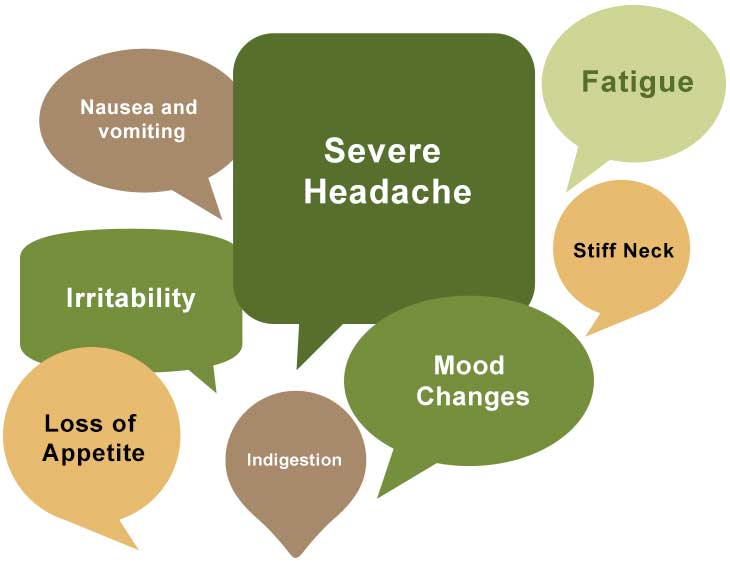
When cortisol stays elevated for too long, the body begins to send clear, yet often overlooked, signals. These symptoms can be subtle at first, but gradually intensify.
Physical Signs
- Persistent fatigue even after adequate rest
- Weight gain, especially around the abdomen and face
- Frequent headaches or muscle tension
- High blood pressure
- Digestive issues like bloating or acidity
- Weakened immunity, leading to frequent colds or infections
- Poor sleep quality or insomnia
Emotional & Mental Symptoms
- Constant anxiety or a feeling of being “on edge.”
- Irritability and mood swings
- Difficulty concentrating or brain fog
- Low motivation and mental exhaustion
- Feeling overwhelmed even with small tasks
Hormonal & Metabolic Changes
- Sugar cravings, especially for sweets
- Irregular menstrual cycles (in women)
Common Causes of Elevated Cortisol
Cortisol imbalance does not happen by chance. It is usually the result of the way we live our lives and the things that happen to our bodies.
- Chronic Psychological Stress: When we are stressed about work, money, or our relationships all the time, our cortisol levels stay high without a break. This is because stress becomes a part of our lives.
- Poor Sleep Patterns: If we go to bed late, do not sleep at the same time every day, or do not get enough sleep, our bodies get confused, and our cortisol levels stay high.
- Drinking Much Caffeine: If we drink too much coffee, tea, or energy drinks, it can affect our adrenal glands and make them produce more cortisol.
- Eating Unhealthy Food: Eating much sugar, food that is not good for us, and not getting the nutrients we need can affect our hormones and how we deal with stress.
- Not Exercising Enough. Or Exercising Much: Both of these can be bad for us. If we do not exercise, we are not strong enough to deal with stress. If we exercise too much, it can make our cortisol levels go up.
- Medical Conditions: Some health problems, like problems with our glands or inflammation that will not go away, can affect our cortisol levels.
- Emotional Trauma or Burnout: If we are emotionally strained, for a time, or have experienced something very upsetting, our nervous system stays on high alert all the time.
- Spending Much Time on Screens: If we are always looking at screens, especially before we go to bed, it can affect our sleep and make us feel more stressed.
The Problem with Chronically Elevated Cortisol
High cortisol levels can show up in a lot of ways. You might gain weight around your stomach, feel really tired for no reason, and get sick a lot. These are some signs that something is going on with your body.
When it comes to how you feel, high cortisol can have an impact. You might get annoyed easily, feel anxious, and feel like you are mentally worn out. After a while, it can get harder to think, and you might start to forget things and have trouble making decisions. High cortisol levels can really affect you, and it is not just physical; it is emotional, too, and high cortisol levels can change how you feel and think.
What is Ashwagandha and Why is it Called an "Adaptogen"?
Ashwagandha is a part of traditional Ayurvedic medicine. People have used it for centuries to boost energy and help their bodies cope with stress. The name Ashwagandha means "scent of a horse." It is called that because it can give users the strength, stamina, and endurance of a horse.
What makes Ashwagandha special is that it is called an adaptogen. Unlike some substances that just calm or stimulate the body, an adaptogen helps the body adjust to stress. It works like a thermostat. It calms the system when it is too active and boosts energy when the body is tired.
Here are some key things about Ashwagandha:
- Stress Modulation: It helps the adrenal glands work properly, which helps control levels.
- Systemic Resilience: It balances the body's state, which helps prevent burnout.
- Nootropic Support: It helps with clarity and reduces the confusion that comes with long-term stress.
How Adaptogens Modulate Your System
Adaptogens work in harmony with your body. They act like a support system that helps keep your internal processes balanced. Unlike substances that have only one specific effect, such as speeding up your heart rate, adaptogens work in multiple ways. They respond to what your body needs at a given moment and support it accordingly.
Their function is similar to a thermostat in your home. Just as a thermostat maintains a stable temperature, adaptogens help regulate your nervous system. If your system is overactive, they help calm it down. If it is underactive, they help gently stimulate it. Adaptogens also support your cells in handling stress more effectively. When cells are under stress, it can negatively affect how you feel overall.
Rather than offering a quick, temporary fix, adaptogens help strengthen your body over time. This allows you to cope with stress more effectively and reduces the likelihood of burnout. They support long-term resilience and balance.
Ayurvedic Understanding: Stress as Internal Friction
In Ayurveda, people think of stress as something that messes up the body's balance, mainly because it affects the system and the way the body burns energy. When life gets really tough, it can start a chain reaction. The nervous system gets overactive, which can make the mind race, and that can make the body feel hot inside. This can be similar to when the body has a lot of a hormone called cortisol, which can eventually hurt the body's vital energy or Ojas.
The Impact of the Stress Cycle:
- Vata gets out of balance: this can cause the mind to race make it hard to sleep, and giving you anxiety that feels like a windstorm.
- Pitta gets too strong: this can lead to heartburn, inflammation in the body, and irritability that feels like a fire
- Mental stress builds up: when we do not deal with stress, it can create problems like feeling confused and unsure about what to do.
- The body's energy gets depleted: when we are stressed for a time, it can burn up our natural ability to stay healthy, making us tired and burned out.
Ayurveda helps to restore balance by calming the system with oil treatments and special herbs like Ashwagandha that are good for the brain. By rebuilding Ojas, the body can handle situations without getting too hot or overwhelmed.
The Jiva Approach For Cooling the Stress Response
At Jiva Ayurveda, we treat stress like an imbalance, not just a mental issue. High cortisol levels make our system go out of balance. Our approach helps fix the system and build up vital energy or Ojas that stress takes away.
- Precision Diagnosis or Nadi Pariksha: They check the pulse to see if stress is caused by Vata, which is anxiety and feeling drained, Pitta, which is inflammation and anger, or a mix of both. This helps us find the root cause of cortisol.
- Customized Adaptogens: We give herbs like Ashwagandha, Brahmi, and Tagar. These herbs work like thermostats for the body. Help adrenal glands stay stable under pressure.
The Cooling Protocol:
- Shifts: We remove things like caffeine and too much spice that make stress worse.
- Panchakarma Therapies: Treatments like Shirodhara, which is rhythmic oil pouring, help the nervous system switch from being on high alert to relaxing.
- Lifestyle Alignment: We suggest Sattvic habits to reduce cortisol naturally. This includes getting sleep and moving the body in a way.
We focus on Ojas and cortisol levels. Cortisol levels go up with stress. Ojas helps to bring it down.
Ayurvedic Therapies for Stress & Cortisol
At Jiva Ayurveda, we use treatments to remove extra heat from the nervous system. These treatments help the brain to feel better and not be so stressed. They help the brain to stop feeling like it's in a fight and to start feeling calm and relaxed.
Core Therapies to Lower Internal Heat
- Shirodhara is a treatment that helps to lower stress. It involves pouring medicated oil over the forehead in a stream. This treatment is very good for calming the mind and reducing the fire in the body.
- Takradhara is another treatment that's similar to Shirodhara, but it uses medicated buttermilk instead of oil. It is very helpful for people who have a lot of heat in their body, who get headaches often, or who feel like they are burning inside.
- Abhyanga is a full-body massage that uses cooling oils to calm the body. It helps to remove the things that stress puts in our bodies and to calm down the metabolism.
- Padabhyanga is a foot massage that uses a bronze bowl and ghee. It helps to remove the heat from the body through the feet, which helps us to sleep
- Nasya is a treatment that involves putting drops in the nose. It helps to balance the hormones in the body and to reduce the stress and tension that we feel.
Dietary Guide: Cooling the Stress Fire
| Food Group | Cooling Choices (Favor) | Heating Choices (Avoid/Limit) |
| Grains | Rice (Basmati), Oats, Barley, Wheat. | Corn, Rye, Millet, Buckwheat. |
| Vegetables | Cucumber, Zucchini, Asparagus, Leafy Greens, Broccoli. | Chilies, Garlic, Raw Onions, Tomatoes, Radishes. |
| Fruits | Sweet Grapes, Melons, Pears, Pomegranates, and Coconut. | Sour Cherries, Oranges, Pineapple, Papaya. |
| Dairy/Fats | A2 Cow Ghee, Milk, Fresh Butter, Coconut Oil. | Salted Butter, Sour Cream, Old Hard Cheeses. |
| Lentils | Moong Dal (Yellow/Green), Chickpeas, Tofu. | Toor Dal, Urad Dal, Soy Sauce. |
| Spices | Fennel, Coriander, Cardamom, Mint, Turmeric. | Black Pepper, Cumin, Cloves, Mustard Seeds. |
How Patients Are Assessed at Jiva Ayurveda
Our assessment focuses on identifying why your stress response is overactive and how cortisol imbalance is affecting your overall health, while working to restore your body's natural ability to recover from stress.
- Detailed analysis of stress patterns, triggers, and the times of day when you feel most overwhelmed or fatigued.
- Assessment of symptoms such as anxiety, restlessness, low energy, or difficulty concentrating.
- Identification of the dominant imbalance, typically Vata (mental overactivity) or Pitta (intensity and burnout).
- Examination of sleep patterns, including difficulty falling asleep, disturbed sleep, or waking up feeling tired.
- Evaluation of digestive fire (Agni) and toxin accumulation (Ama), as chronic stress often affects digestion and metabolism.
- Comprehensive review of energy levels, mood fluctuations, and ability to handle daily stress.
- Evaluation of dietary habits (like caffeine or sugar intake), lifestyle pace, screen exposure, and stress levels.
Our Step-by-Step Care Process
At Jiva Ayurveda, every process of the treatment is carried out in an organised and structured manner to give you the best personalised experience of Ayurvedic treatment for thyroid and digestive issues.
1. Share Contact Details: After submitting your details, you can also reach out to us directly at 0129 4264323 to start the consultation process and get your metabolic issues treated.
2. Appointment Confirmation: An appointment with our experienced and well-trained Ayurvedic doctors specialising in thyroid and digestive issues is arranged for you. You can choose to consult with our doctors in the mode that best suits you:
- Clinic: We have over 80 Jiva clinics in different cities, and you can come to the nearest clinic to consult with our doctor face-to-face.
- Video Consultation (Rs. 49): In case you are not able to locate our clinics in your city, you can also consult with our doctor online, which will be available to you at a discounted price of Rs. 49 (regular price: Rs. 299). Simply give us a call at 0129 4264323 to connect with our experts from home itself.
3. Detailed Diagnosis: Our experienced doctor will consult with you to understand your thyroid issues, digestive problems, and “Agni” (metabolic fire) to diagnose the root cause of the problem in your body.
4. Root Cause-Based Treatment Plan: A personalized treatment plan is designed using herbal medicines and therapies to balance Kapha, regulate Vata, strengthen Agni, and reduce Ama. This approach targets the root cause of morning nasal congestion and helps prevent recurrence over time.
Healing Timeline: Restoring Stress Balance
Initial Weeks (Calming the Response): Early signs of relief begin to appear. Symptoms like restlessness, anxiety, and fatigue start to ease. The nervous system begins to settle, and sleep may slowly improve as stress levels start to come down.
1–3 Months (Systemic Stabilization): Sleep becomes more regular, and energy levels start to improve. Mood swings and irritability reduce. Cortisol levels begin to stabilize as the body adapts better to daily stress, and digestion also starts functioning more smoothly.
3–6 Months (Core Resilience): The body becomes more resilient to stress. You feel more balanced, focused, and less overwhelmed. The nervous system responds more calmly, and your body no longer stays in a constant “high alert” state.
What Results Can You Expect?
Ayurvedic treatment focuses on balancing stress response, reducing cortisol levels, and strengthening overall resilience. With consistency, you can expect:
- Balanced Energy Levels: Reduced fatigue and more stable energy throughout the day.
- Better Sleep Quality: Falling asleep more easily and waking up feeling refreshed.
- Calmer Mind: Reduced anxiety, improved focus, and emotional stability.
- Improved Stress Handling: Better ability to cope with daily pressure without feeling overwhelmed.
- Hormonal Balance: More stable cortisol rhythm, supporting overall health and well-being.
Estimated Cost of Treatment at Jiva Ayurveda
Understanding the financial aspect of your treatment is important. At Jiva Ayurveda, transparent pricing helps you choose a plan suited to your condition and needs.
Treatment Cost
For patients seeking standard, ongoing care for post-nasal drip, the monthly cost of medicine and consultation typically ranges from Rs. 3,000 to Rs. 3,500. This is an estimated baseline and may vary based on individual condition and severity.
Protocol
For a structured and holistic approach, specialised package protocols are available. These focus on clearing mucus, improving respiratory health, and restoring long-term balance. The package includes:
- Medicine
- Consultation
- Mental well-being sessions
- Yoga and meditation
- Diet guidance
- Therapies
The cost for this protocol ranges from Rs. 15,000 to Rs. 40,000 for a 3 to 4-month treatment duration.
Jivagram:
For individuals requiring intensive care, Jivagram offers an immersive healing environment that supports deep detoxification and respiratory strengthening. It includes:
- Authentic Panchakarma therapies
- Sattvic meals
- Modern healing services
- Comfortable accommodation
- Additional wellness facilities
An immersive stay at Jivagram costs approximately Rs. 1 Lakh for 7 days, providing continuous personalised care.
Why Patients Trust Jiva Ayurveda
Our method is centred around personalized, root cause-based treatment that works to heal the body from the inside out.
- Root Cause-Based Treatment: Our treatment strategy is to treat the root cause of the imbalance, not just the symptoms.
- Customized Care Plans: Our patients receive personalized care plans that are tailored to their individual Prakriti (constitution), diet, and lifestyle.
- Protocol-Based Analysis and Treatment: Our treatment protocols are evidence-based, Ayurvedic approaches to treating hormonal and digestive imbalances.
- Authentic Medicines: Our Ayurvedic medicines are genuine and made in licensed facilities to ensure safety and efficacy.
- Proven Scale & Expertise: Our physicians have seen over 8,000 patients daily and have extensive experience in treating complex chronic diseases.
- High Success Rate: Our patients have seen significant improvements in their health, with over 90% reporting positive changes in their health.
- Reduced Dependency: 88% of our patients can stop or greatly reduce their dependency on conventional medications.
Modern vs. Ayurvedic Approach to Stress & Cortisol
| Feature | Modern Medicine Approach | Ayurvedic Approach |
| Primary Focus | Managing cortisol levels and nervous system symptoms. | Targeting the "Vata-Pitta" fire and nervous system depletion. |
| Method | Focuses on sedatives, beta-blockers, or synthetic hormones. | Focuses on Medhya Rasayanas (brain tonics) and clearing Mental Ama. |
| Diagnosis | Relies on blood, saliva, or urine cortisol tests. | Uses Nadi Pariksha (Pulse) to detect subtle energetic imbalances. |
| Treatment | Often involves symptom-based drugs or generic therapy. | Uses adaptogenic herbs, Shirodhara (oil flow), and a personalized diet. |
| Side Effects | May cause dependency, lethargy, or digestive upset. | Rebuilds Ojas (vitality) and restores natural mental resilience. |
| Goal | Immediate suppression of anxiety or high stress markers. | Permanent restoration of the body's hormonal and emotional balance. |
When to Consult a Doctor
You should seek professional Ayurvedic guidance if you experience:
- Chronic Mental Exhaustion: A persistent "tired but wired" feeling where you are exhausted but unable to sleep.
- Physical Stress Signals: Frequent acidity, unexplained abdominal weight gain, or a constant racing heart.
- Cognitive Decline: Noticeable "brain fog," forgetfulness, or an inability to make simple decisions.
- Emotional Fragility: Feeling uncharacteristically irritable, anxious, or overwhelmed by minor daily tasks.
- Immune Depletion: Catching colds or infections frequently, signaling that stress has compromised your Ojas.
Conclusion
Chronically elevated cortisol is often dismissed as an unavoidable part of modern life, but in Ayurveda, it is a critical signal of systemic "friction" involving Vata (instability) and Pitta (heat). While temporary relaxation might offer a moment of relief, addressing the internal root cause, clearing Mental Ama, and replenishing Ojas is the only way to achieve long-term hormonal stability and prevent burnout.
If you are experiencing persistent anxiety, deep fatigue, or the physical signs of high stress, consult Jiva Ayurveda doctors for a personalized root-cause assessment. To reclaim your calm and restore your vitality, call: 0129-4264323.