 Published on
23 Jul, 2026
Published on
23 Jul, 2026 Updated on 23 Jul, 2026
 5079
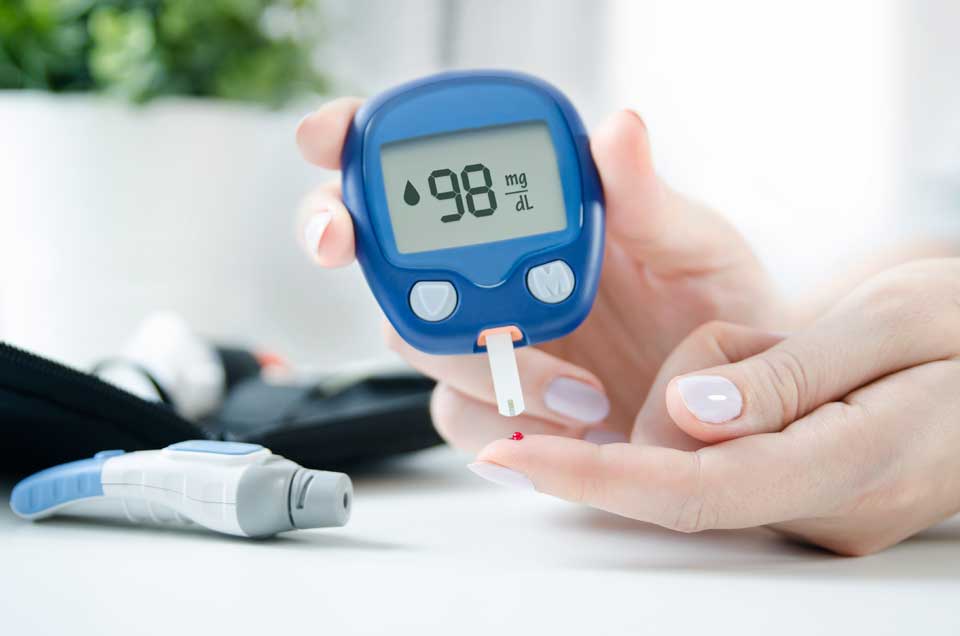
5079It is a familiar experience for many people trying to manage their blood sugar. You have been meticulously tracking your meals for weeks. You skipped the dessert and swapped your white rice for a small portion of quinoa, and you even went for a 30-minute walk after dinner. You wake up feeling accomplished, ready to see a beautiful, stable number on your morning glucometer. But when you take the reading, your fasting blood sugar has still spiked completely out of range. You stare at the screen, defeated. You rack your brain trying to figure out what you ate that could have caused this. You think, "Maybe there was hidden sugar in that salad dressing? Maybe I shouldn't have eaten those three grapes?"
But in our obsession with counting every single carbohydrate, we often ignore the most potent, invisible sugar-spiker of all: our own minds. The frustration of doing everything "right" on your plate, only to have a stressful deadline at work completely derail your blood sugar, leaves thousands of people completely baffled every year.
If you aren't eating the sugar, where is it coming from, and what exactly is happening inside your system? Let us break it down simply using the timeless wisdom our grandmothers relied on long before continuous glucose monitors existed.
The “Mind Over Metabolism” Crisis
Before we talk about how to stabilize your numbers, we have to clear up a massive piece of confusion about how diabetes and insulin resistance actually function.
Modern culture treats blood sugar purely as a math equation: Calories in, carbohydrates digested, insulin released. But your body is not a calculator; it is an incredibly sensitive, reactive ecosystem. In traditional Indian medicine, metabolism (Agni) is deeply connected to your nervous system (Majja) and your emotional state (Manas).
When you look at it through the lens of Ayurveda, a sudden, unexplained blood sugar spike isn't a failure of your diet. It is a desperate survival mechanism triggered by an overflow of wind (Vata) or fire (Pitta) in your mind.
The Vata Spike: When Anxiety Dumps Sugar
If your stress feels like constant worry, a racing heart, and a mind that won't shut off, you are dealing with a severe Vata (wind) aggravation. This type of stress dries out the body and creates erratic, sudden blood sugar spikes.
- The feeling: You feel jittery, overwhelmed, and physically shaky even if you haven't had any caffeine. Your sleep is light and interrupted.
- The reality: When the internal wind (Prana Vata) spirals out of control, your body perceives that you are in physical danger. To help you "run away" from this perceived threat, your liver instinctively dumps its stored glucose directly into your bloodstream. You did not eat sugar, but your liver essentially fed you a candy bar to help you survive the stress.

The Pitta Burnout: Anger and Inflammation
What if your stress doesn't feel like anxious trembling, but rather like a boiling, irritable frustration? This is a classic Pitta (fire) overload, which leads to insulin resistance over time.
- The feeling: You feel constantly annoyed, overworked, prone to hot flashes, and easily angered by small inconveniences.
- The reality: Chronic anger and intense, driven overwork physically heat up the liver (Ranjaka Pitta). When the liver is constantly inflamed by emotional fire, it loses its ability to properly regulate glucose. The tissues become hot and resistant, refusing to let insulin do its job, leaving the sugar stranded in your blood.
Daily Habits Fueling the Fire
If your blood sugar is reacting to your stress levels, your daily coping mechanisms might actually be locking you into a cycle of metabolic chaos. Watch out for these subtle traps:
- Fasting on Stress: Skipping meals because you are "too stressed to eat" severely aggravates Vata. The sudden drop in energy panics your nervous system, forcing an even larger stress-hormone dump that paradoxically spikes your sugar higher than if you had just eaten a grounded meal.
- The Doomscrolling Trap: Lying in bed reading upsetting news completely shatters your mental peace before sleep. This prevents your body from entering deep, restorative rest, meaning your morning fasting blood sugar will inevitably be elevated.
- Over-Exercising: Punishing a stressed body with an intense, exhausting hour of high-intensity cardio increases internal heat and wind, releasing more stress hormones. A stressed body needs a calming walk, not a grueling bootcamp.
Traditional Fixes for a Calm Mind
We do not always need to rely on strict diets to fix our metabolism. Our traditional kitchens and herbal practices hold powerful tools to calm the nervous system, bringing the blood sugar down naturally by putting out the mental fire.
- The Ashwagandha Anchor: For anxious, jittery Vata stress, taking half a teaspoon of Ashwagandha root powder in warm milk (or water) before bed physically grounds the nervous system, stopping the liver from panic-dumping sugar overnight.
- The Brahmi Cooler: For angry, overheated Pitta stress, consuming Brahmi (either as a tea or in medicated ghee) deeply cools the mind and liver, reducing the emotional inflammation that causes insulin resistance.
- Deep Belly Breathing (Pranayama): Just five minutes of slow, alternate nostril breathing (Nadi Shodhana) actively switches your nervous system out of "fight or flight," immediately halting the release of stress-induced glucose.

Doctor’s Note
While balancing your internal energies is beautifully effective for emotional well-being, the link between stress and blood sugar is a hard, measurable medical fact.
When you are stressed, your adrenal glands release massive amounts of cortisol and adrenaline. These hormones are biologically designed to make you insulin resistant in the short term so your muscles have free glucose to fight a predator. If you are a diagnosed diabetic, chronic stress can make your prescribed insulin or oral medications completely ineffective. Never stop taking your prescribed medications just because you are trying to manage your stress holistically. Always work with your endocrinologist, as severe stress periods may temporarily require medication adjustments.
Conclusion
We spend so much time obsessing over the exact carbohydrate count on our plates that we forget to look at the environment we are eating in. Just because a meal is perfectly healthy on paper does not mean your body can process it while your mind is at war.
Your erratic blood sugar spikes are a living, breathing message. They are asking you to slow down, they are begging you to take a breath, and they are reminding you that you cannot out-diet chronic stress. Listen to your body carefully. Honor the natural wisdom of your nervous system, bring calming, grounding practices back into your routine, and remember that true metabolic health requires a peaceful mind just as much as a perfect plate!
References:
Stress-Induced Diabetes: A Review - PMC
How Stress Affects Diabetes and What You Can Do About It
10 Surprising Things That Can Spike Your Blood Sugar | Diabetes | CDC
Stress-Induced Hyperglycemia: Consequences and Management - PMC