 Published on
09 Apr, 2026
Published on
09 Apr, 2026 Updated on 16 Jun, 2026
 5218
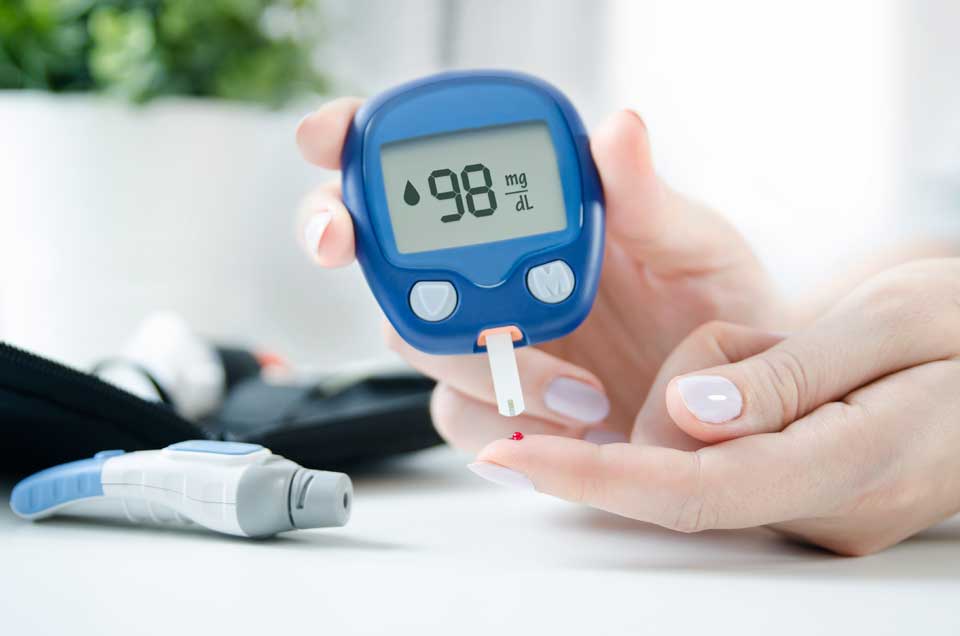
5218Sometimes your reports might be perfect in the morning, but once you eat some food, your blood sugar levels shoot up drastically. It is something that happens quite frequently. It is one of those conditions that might baffle most people. Most people believe that there is nothing wrong if their fasting sugar levels are normal. However, it can often be the first sign that the body cannot regulate blood sugar levels effectively. It could slowly lead to diabetes and several other complications.
What is Post-Meal Sugar Spike Condition?
The condition is popularly referred to as post-meal sugar spike or impaired glucose tolerance. In layman's language, the condition implies that; Fasting sugar levels are within the acceptable range. However, after meals, the sugar levels rise abnormally. It indicates that your body cannot regulate sugar after meals, mostly due to insulin resistance.
Types of Post-Meal Sugar Spike Conditions
- Blood sugar levels are not very high yet
- However, after meals, the sugar levels begin rising
- Early Type 2 Diabetes
- Fasting levels are still within the normal range
- However, sugar levels spike frequently after meals
- Insulin Resistance Phase
- Insulin production is within the normal range
- However, your cells do not respond appropriately
Signs & Symptoms That Could Appear
Although many individuals fail to recognise any symptoms, some usual ones could be:
- Sleepiness and sluggishness after eating
- Constant hunger pangs
- Craving for sugar
- Fatigue
- Weight gain, particularly in the abdominal region
- Brain fog
In certain cases, no symptoms might appear; however, they will show up in blood tests.
The Factors That Lead To Post-Meal Blood Sugar Rises
There could be multiple factors causing this problem:
- Insulin resistance (the primary cause)
- Overconsumption of refined carbs and sugar
- Physical inactivity
- Stress and lack of sleep
- Poor digestion/metabolism
- Hormonal imbalance
Risk Factors & Complications
|
Who is more likely to get it |
Possible Complications |
|
Being overweight |
|
|
Family history of diabetes |
Heart problems |
|
Sedentary lifestyle |
Fatty liver |
|
High sugar or processed food intake |
Kidney issues |
|
High stress and poor sleep |
Nerve damage |
|
Hormonal issues (like PCOS) |
Eye problems |
How Does One Recognise Such a Condition?
Modern Recognition Methodology
These are some common tests prescribed by doctors:
- Fasting blood sugar test (FBS)
- Post-prandial blood sugar test (PPBS), (2 hours after eating)
- HbA1c test (Average sugar over 3 months period)
- Oral Glucose Tolerance Test (OGTT)
If one has normal FBS test results but elevated PPBS values, it indicates a warning sign of the condition.
Ayurvedic Recognition Methods
The ayurvedic method takes into account the following factors:
- Body constitution (Prakriti)
- Energy imbalance in the body (Doshas)
- Body digestion ability (Agni)
- Pulse assessment (Nadi Pariksha)
- Your dietary habits and lifestyle
Instead of concentrating only on sugar levels, the ayurvedic approach tries to recognise the causes connected with the body’s metabolism and digestion.
After-Meal Glucose Peak in Ayurveda
In Ayurveda, this condition is referred to as “Prameha”. Prameha is the umbrella term for metabolic disorders such as diabetes.
Causes of Postprandial Hyperglycemia according to Ayurveda
- Kapha disorder causes reduced metabolism and accumulation of sugar in the body.
- Weak digestion or Mandagni causes impaired digestion of food.
- The presence of ama or toxins caused by poor digestion causes blockage in bodily channels.
- Poor lifestyle choices, such as overeating and immobility.
In essence, Ayurveda attributes the development of postprandial hyperglycemia to a poor digestive system and metabolism.
Ayurvedic Remedies for Post-Meal Sugar Spikes
Herbs are often recommended to counteract this problem:
- Gudmar (Gymnema Sylvestre): Acts as an appetite suppressant and decreases sugar absorption
- Karela (Bitter Gourd): Aids natural regulation of blood glucose levels
- Jamun (Indian Blackberry): Enhances insulin efficacy
- Methi (Fenugreek Seeds): Regulates post-meal sugar absorption
- Neem: Detoxifies the system and cleanses the bloodstream
- Amla (Indian Gooseberry): Increases metabolic rate
These herbs assist in the efficient management of sugars within the body.
Ayurvedic Treatments
Sometimes Ayurveda may also prescribe certain treatments for enhancing metabolism and cleansing the body. Some of the treatments are:
- Panchakarma treatment (detoxification therapy): Removes ama or toxin from the body
- Abhyanga (oil massage): Improves circulation and reduces stress
- Swedana (steam therapy): Facilitates the process of detoxification and improves metabolism
- Basti (medicated enema): Balances doshas and digestion
When Do You Need to See a Doctor?
You do not have to be diagnosed with diabetes in order to consult with a doctor. Danger Signals That Warrant a Visit to Your Healthcare Provider If you have:
- Recurrent drowsiness after a meal
- Frequent craving for sweets and hunger
- Unexpected weight gain, especially in the abdominal area
- Problems with concentration
- A family history of diabetes
- Test results with normal fasting sugar levels, yet high post-meal (PPBS) values
Abnormal blood test results, even without other signals, are enough grounds for visiting your doctor.
Conclusion
High levels of blood glucose after meals mean there is something wrong in your organism, even though your fasting sugar is within the norm. However, it is good news that this state is controllable and often reversible, provided that proper measures are taken. With proper management of:
- Digestion processes and metabolism
- Diet
- Healthy living practices
- You can avoid developing diabetes and preserve your well-being.
Early consultation makes a difference in the process.