 Published on
19 Sep, 2026
Published on
19 Sep, 2026 Updated on 19 Sep, 2026
 5030
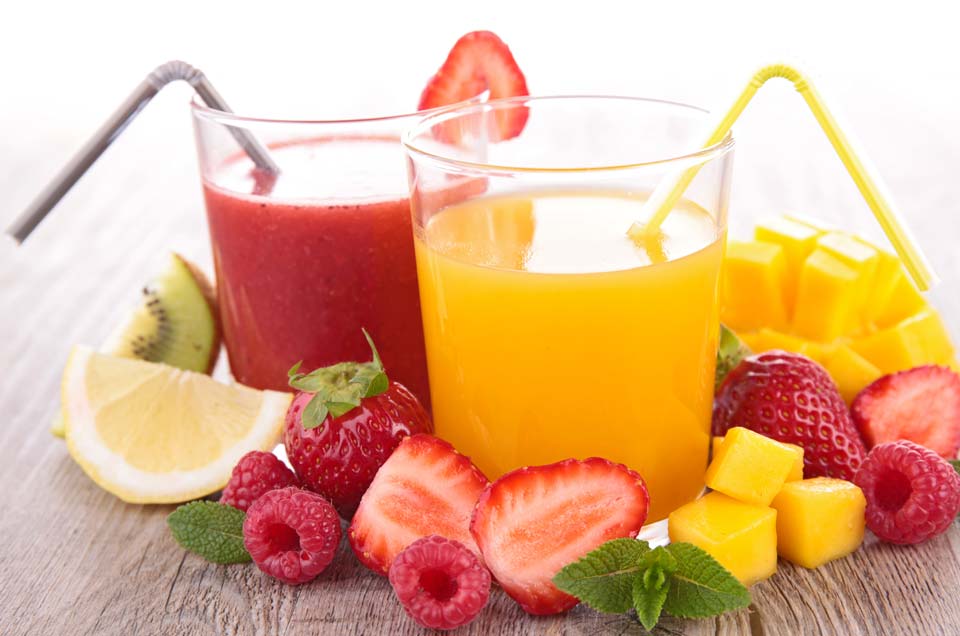
5030Nowadays, one of the ways to instantly feel healthy is cold-pressed juice that has become a wellness habit. People always assume that it is better for our everyday health because it is made without the high-speed spinning that is used in conventional juicers, and it looks premium, fresh, and colourful.
But what we need to look at is whether a glass of cold-pressed juice is really better than simply eating fruits or vegetables.
The answer is a little more balanced than the wellness industry suggests.
What Exactly Is Cold-Pressed Juice?
Let us first learn what cold-pressed juice is; it is actually crushing fruits and vegetables and extracting their liquid using pressure or machines. Unlike whole fruits and vegetables, which contain pulp, the pulp is removed while making these juices.
This means that the juice can still benefit you with vitamins, minerals, and nutrients, but it contains less fibre than the whole and original food.
And that difference is important.
Fibre helps support the digestive system and contributes to the feeling of fullness. When you drink juice, it becomes easier to consume the sugar from several fruits in a short period of time than to eat the fruit whole.
Does Cold-Pressed Mean a Healthier Version?
It is not necessarily true.
Cold-pressed juice can be convenient for including fruits and vegetables in your diet, especially when you have a busy schedule or do not like to eat fruits regularly. But the cold-pressed process doesn’t make juice superior to whole fruits.
In fact, eating a whole fruit brings several benefits because you get multiple fibres along with water, vitamins, and minerals.
For example, eating an orange means you will have to chew the fruit to consume its fibre. Drinking on the other hand, gives you sugar and nutrients in an easier form to consume.
So, if you have the option between choosing to eat an apple or drinking apple juice, the whole apple is usually the better option.
What About Natural Sugar?
This is the point where the portion and ingredients matter a lot.
We know that cold-pressed juice has no added sugar, but fruit naturally contains sugar. Once that particular fruit is turned into juice, much of the fibre is naturally removed, and the sugars can be consumed easily and quickly.
This does not mean that fruit juices are unhealthy. It just means that juice should not be treated like water or a zero-sugar drink.
Can You Have Cold-Pressed Juice Every Day?
For many people, an unsweetened cold-pressed juice can fit into a balanced diet, but you should not make it a daily replacement for vegetables and fruits.
The Indian Council of Medical Research’s dietary guidelines specifically emphasise whole fruits because they provide dietary fibre, and suggest fresh fruit juices only occasionally.
Think Of Juice As An Addition Rather Than A Replacement.
If you enjoy a small glass occasionally, there’s no need to feel that you are doing something wrong. But if you have the choice between eating the whole fruit and drinking its juice, eating the fruit gives you the added benefit of fibre.
What Does Ayurveda Say?
Ayurveda places importance on digestion, food quality, seasonality, and individual needs. Fresh fruits are valued, but Ayurvedic approaches to juices can vary depending on the ingredients, season, and the person’s digestion.
From an Ayurvedic perspective, simply labelling a juice as “premium” or “cold-pressed” doesn’t automatically make it suitable for everyone.
Conclusion
Cold-pressed juice can provide nutrients and can be a convenient addition to your diet, but it isn’t nutritionally superior to whole fruits and vegetables simply because it is cold-pressed.
For everyday health, keep whole fruits and vegetables at the centre of your diet and treat juice as an occasional or supplementary option rather than a replacement.