Diseases Search
Close Button


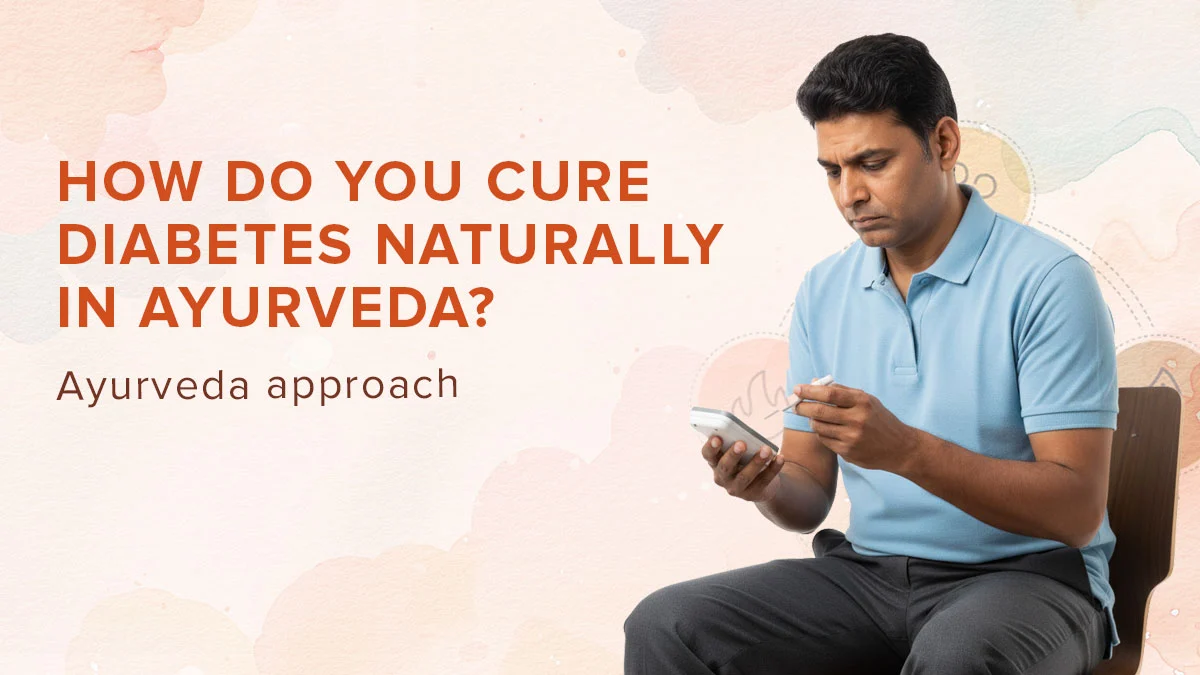
How do you cure diabetes naturally without medication in Ayurveda?

Information By Dr. Keshav Chauhan

How to Cope With Diabetes without Medication in Ayurveda

High blood sugar can be frustrating, particularly if it starts impacting your energy, sleep, mood, and health. According to Ayurveda, diabetes is not only about high blood sugar; it also involves metabolic disorders related to digestion, life habits, stress, and body type. This condition is treatable with the necessary lifestyle and dietary changes and proper Ayurvedic treatments.

In modern medicine, this condition is called Type 2 Diabetes, an acute metabolic disease in which the body either fails to produce enough insulin or cannot properly use the insulin it produces. It is important to recognise the symptoms early to prevent organ damage caused by uncontrolled blood sugar.

What Is Diabetes?

Type 2 Diabetes is a disease characterised by prolonged high blood sugar. The main cause of diabetes is malfunctioning insulin, a hormone regulating blood sugar. According to Ayurveda, diabetes is connected to "Madhumeha," a metabolic disease caused by impaired digestion (Agni) and Kapha.

Diabetes Types

Type 1 Diabetes

  • An autoimmune disease
  • Little to no production of insulin in the body
  • Normally, the onset occurs in childhood or early adulthood

Type 2 Diabetes

  • The most common form
  • Insulin resistance develops
  • Highly associated with one’s diet, stress, and obesity

Gestational Diabetes

  • Onset during pregnancy
  • Short-term condition, but raises chances for Type 2 Diabetes

Diabetes Signs and Symptoms

There is often an absence of clear symptoms initially:

  • Increased frequency of urination
  • Increased thirst
  • Fatigue
  • Weight loss or gain for unknown reasons
  • Vision problems
  • Slower wound healing
  • Numbness in extremities
  • Increased appetite

When multiple symptoms present at once, early diagnosis is advised.

Diabetes Causes

Modern Science Perspective

  • Insulin resistance
  • A diet high in sugars and processed carbs
  • Lack of physical activity
  • Overweight
  • Genetics
  • Chronic stress and insomnia

Ayurvedic Perspective

  • Poor digestion fire (Mand Agni)
  • An imbalanced Kapha resulting in slow metabolism
  • Consumption of excess sweets, oil, and heaviness
  • Physical inertia
  • Psychological stress

Risk Factors and Complications

Risk Factors

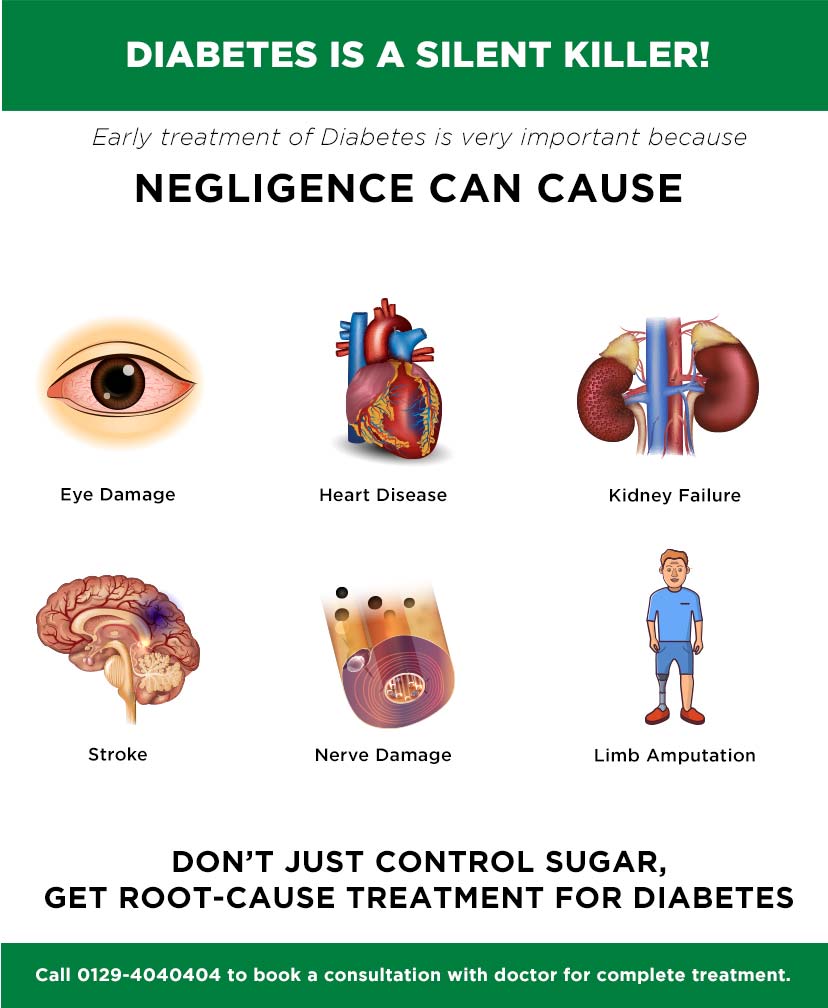
Possible Complications

Overweight or obesity

Heart disease

Lack of physical activity

Kidney damage

High sugar and processed diet

Nerve damage (neuropathy)

Family history

Eye damage (retinopathy)

Chronic stress

Slow wound healing

Age above 40

Increased stroke risk

Diagnosis of Diabetes

Contemporary Ways of Diagnosis

  • Fasting Blood Sugar Test
  • Post-meal Blood Sugar Test
  • HbA1c Blood Sugar Test (averages for three months)
  • Glucose Tolerance Test

Ancient Ayurveda Practices for Diagnosis

  • Pulse Diagnosis (Nadi Pariksha)
  • Evaluation of Prakriti (body type)
  • Symptoms-Based Diagnosis (frequency of urination, increased thirst, and fatigue)
  • Assessment of Agni (digestive power)

Ayurvedic Way to Treat Diabetes Naturally. Ayurvedic treatment is concerned about finding the core issue and resolving it rather than treating the symptoms.

Diet Tips

  • Incorporate vegetables that have a bitter taste, like karela and methi.
  • Have whole grains, such as barley and oats.
  • Avoid sugar, maida, and processed foods.
  • Eat light food, which is fibre-rich and easily digestible.

Herbs in Ayurvedic Treatment

  • Gudmar (assists with regulating glucose level)
  • Karela (improves metabolism of sugar)
  • Neem (purifying effects and regulates metabolism)
  • Amla (high in antioxidants and improves digestive health)

Lifestyle Changes

  • Walking daily for 30-45 min
  • Practising Yoga and Pranayama regularly
  • Maintaining a sleep routine
  • No naps during daytime
  • Stress Management

The role of stress in causing blood sugar imbalance cannot be neglected. Effective ways are:

  • Meditation
  • Pranayama (deep breathing)
  • Consuming herbal tea, like Tulsi tea

Diabetes in Ayurveda

In the context of Ayurveda, diabetes is seen as a disorder of metabolism, which arises from a prolonged disturbance in the process of digestion, lifestyle, and doshas of the body. This is usually connected to “Madhumeha,” a disease described in ancient texts where the body fails to metabolise the sugars and fatty acids, causing excessive urine discharge and weakness.

Type 2 diabetes is considered to be linked mainly to the excessive amount of Kapha dosha, together with a weak Agni. In case Kapha increases, there is increased heaviness and slower metabolism within the body, thus increasing the formation of metabolic waste products, known as Ama.

The root cause in Ayurveda

  • Weakness of digestive power (Mand Agni)
  • Increased Kapha, and thus a slow metabolism
  • Unhealthy and sedentary lifestyle
  • Overeating of heavy, oily, and sweet foods
  • Emotional stress and imbalance
  • Toxin accumulation (Ama)

Jiva Ayurveda Treatment Approach

The treatment approach adopted in the clinical setting by Jiva Ayurveda emphasises personalisation. Treatment of type 2 diabetes involves:

  • Comprehensive patient evaluation by conducting Prakriti analysis
  • Pulse diagnosis or Nadi Pariksha to diagnose any imbalances in doshas
  • Formulating personalised combinations of herbs based on the degree of the problem and body constitution
  • Implementation of strict dietary changes
  • Following lifestyle corrections
  • Enhancing the digestive fire or Agni

The primary aim is not just lowering blood sugar levels, but ensuring that there is an improvement in metabolism and reducing risks.

Jiva Ayunique Diabetes Program

Jiva Ayunique Diabetes Program is a tailor-made Ayurvedic program that helps you manage diabetes by targeting the actual reason behind the disease, not simply regulating sugar levels. The program merges age-old Ayurveda with contemporary techniques, ensuring more reliable and consistent outcomes.

Main Highlights

  • Customised Approach: Tailored according to your constitution, lifestyle, and health status
  • Continuous Glucose Monitoring (CGM): Constant monitoring of glucose levels
  • Ayurvedic Drugs: Herbal concoctions that boost metabolism and insulin sensitivity
  • Nutritional and Behavioural Recommendations: Practical tips for modifying your daily habits
  • Professional Assistance: Expert advice from Ayurvedic physicians and health professionals

Benefits of This Program

  • Pinpoints the true source of sugar fluctuations
  • Promotes better regulation of blood sugar
  • Aids in lowering HbA1c levels
  • Boosts your general well-being and vigour

Herbs Used in Ayurveda to Treat Diabetes

Several herbs are popularly used in Ayurvedic medicine due to their benefits in regulating glucose metabolism and enhancing digestive processes. List of Some Useful Herbs and Their Benefits

  • Gudmar (Gymnema sylvestre): Used for lowering sugar cravings and boosting glucose metabolism.
  • Karela (Bitter melon): Used traditionally for stimulating the functioning of insulin and balancing glucose levels.
  • Neem (Azadirachta indica): Provides effective detoxification and improves metabolic functioning.
  • Amla (Indian gooseberry): High in antioxidants and aids digestion and metabolism.
  • Methi (fenugreek seeds): Used to increase insulin sensitivity and slow down glucose absorption.

The herbs are often combined during treatment for better effects.

Ayurvedic Therapies (Panchakarma Therapy)

For more difficult or persistent conditions, Ayurveda might prescribe detoxification and metabolic therapies. Popular Treatments

  • Virechana (Purgation): Aids in eliminating excessive Pitta and metabolic wastes.
  • Basti (Enema Therapy): Highly regarded for Vata regulation and metabolism enhancement.
  • Udvartana (Powder Massage): Reduces Kapha, enhances circulation, and aids weight control.
  • Swedana (Steam Therapy): Facilitates the removal of toxins via sweating and metabolic stimulation.

These treatments are generally administered according to individual health needs and under professional guidance.

Diet for Diabetes in Ayurveda

Diet plays the most important role in managing Type 2 Diabetes naturally.

Recommended Foods

Foods to Avoid

Barley (Jau)

Refined sugar

Bitter gourd (Karela)

White rice

Fenugreek (Methi)

Maida (refined flour)

Green leafy vegetables

Sweet desserts

Whole grains

Sugary beverages

Amla and citrus fruits

Processed snacks

Lentils in moderation

Deep-fried foods

Herbal teas (tulsi, neem)

Excess dairy and heavy foods

How We Diagnose Our Patients at Jiva Ayurveda

Initially, our doctors never diagnose patients by merely giving them labels of diseases, but we see each of our patients differently. For example, when we diagnose our patients with type 2 diabetes, this becomes especially crucial as the reason for the problem differs among individuals. The following are the steps of how we perform a diagnosis:

  • Comprehensive consultation: Complete understanding of medical background
  • Current symptoms and lifestyle evaluation
  • Diet patterns and stress analysis
  • Prakriti Evaluation (Evaluation of body constitution)
  • Determination of dominance between vata, pitta, and kapha
  • Explanation of reasons for metabolic disturbance
  • Pulse Diagnosis (Nadi Pariksha)
  • Assessment of dosha imbalances through the pulse reading
  • Knowledge of internal metabolic status

Other tests

  • Digestive power (Agni assessment)
  • Amount of toxins in the body (Ama assessment)
  • Insomnia, stress, and emotional analysis

Our Step-by-Step Patient Care Process:

Expect a Call: Submit your contact details, or you can also call us on 0129 4264323. 

Appointment Confirmation

  • You can schedule an appointment and visit us at our clinic for a consultation with our Ayurvedic experts. 
  • If you are unable to find our clinics near you, you can also schedule an online consultation on  0129 4264323 at a discounted price of Rs. 49 (regular price Rs299) and avail guidance from our doctors at home. 

Detailed Diagnosis

Jiva doctor will perform a thorough and detailed diagnosis to identify the root cause of your health problem.

Root-cause Based Treatment

Jiva doctor will recommend a personalised treatment using highly-effective, natural, and Ayurvedic medicines to address symptoms and the root cause.

Patient Testimonial - Mohit

Insulin for life was not exactly my idea of a happy life. Thankfully, I am among the lucky ones to start an early treatment during the initial stages of Diabetes. And thanks to Jiva doctors for making me understand and know that Ayurvedic medicines, diet and lifestyle can go a long way in managing blood sugar without depending on insulin.

Timeline for Healing

In Ayurvedic medicine, healing takes time and is influenced by:

  • Length of disease
  • Strict lifestyle adherence
  • Intensity of metabolic disturbance

Expected benefits may be outlined as follows:

  • 2 to 4 weeks: Enhanced energy and digestive capabilities
  • 6 to 8 weeks: Enhanced sugar regulation in mild conditions
  • 3 to 6 months: Metabolic enhancement visible in numerous patients

For chronic diseases like Type 2 Diabetes, prolonged treatment may be necessary.

What Kind of Results Can You Achieve?

Ayurvedic healing emphasises sustainability rather than rapid symptom suppression.

Potential effects may involve:

  • Enhanced blood sugar regulation
  • Reduced sugar craving
  • Improved digestion and metabolism
  • Helping with weight management
  • Enhancing energy production
  • Decreasing reliance on bad behaviours

Nevertheless, outcomes will differ based on personal circumstances.

Estimated Cost of Treatment at Jiva Ayurveda

Understanding the financial investment required for your health is important. At Jiva Ayurveda, we make sure of transparency in our service costs, which allows you to choose the most suitable option for your medical needs.

Treatment Cost

For patients who seek standard, ongoing care, the Monthly Cost of Medicine and consultation typically ranges from Rs. 3,000 to Rs. 3,500. Please note that this is an estimated baseline. The final cost depends on the exact nature and severity of the patient's condition.

Protocol

For a more comprehensive, structured approach, we offer specialised package protocols. These plans are designed to address both physical symptoms and the overall lifestyle correction. The package includes:

The cost for this protocol involves a one-time payment ranging from Rs. 15,000 to Rs. 40,000, which covers the full 3 to 4-month duration of the treatment.

Jivagram

For patients requiring intensive and immersive care, our Jivagram centres offer the ultimate healing experience. Jivagram is a holistic sanctuary set in a peaceful, eco-friendly environment, and it provides:

  • Authentic Panchakarma therapies
  • Sattvic meals
  • Modern healing services
  • Comfortable accommodation
  • Many more quality-of-life facilities

An immersive wellness stay at Jivagram costs around 1 Lakh for a 7-day duration, ensuring continuous personalised care to help reset your body and mind.

Why Patients Trust Jiva Ayurveda

Over the years, Jiva Ayurveda has gained the trust of thousands of patients who are seeking natural and personalised healthcare solutions. Some of the key reasons for patients’ trust in Jiva Ayurveda:

  • Root-Cause Based Treatment

Unlike conventional treatments that address only the symptoms of disease, Ayurvedic treatment focuses on treating the root causes and correcting the underlying imbalances in the body that lead to disease.

  • Experienced Ayurvedic Doctors

Jiva Ayurveda boasts of having a huge team of experienced Ayurvedic doctors who thoroughly examine each patient’s condition before recommending treatment for diseases.

  • Personalised “Ayunique” Treatment Approach

Ayurvedic treatment is highly personalised and customised according to each individual’s prakriti and lifestyle.

  • Holistic Healing

Ayurvedic treatment is not limited to medicines; it also includes dietary and lifestyle modifications, breathing techniques, and stress management to support overall healing of the body and mind.

  • Trusted by Patients Across India

A huge percentage of patients have shown improvement in their conditions after adopting Jiva’s treatment plans and recommendations for diseases. This shows how much people trust Jiva Ayurveda for Ayurvedic treatment.

  • 95% of patients saw significant improvement within 3 months of treatment.
  • 88% of patients stopped allopathic medicines completely.
  • 8000+ patients are consulted every day
  • 1.5 million+ satisfied patients worldwide
  • 30+ years of Ayurvedic expertise
  • 80+ clinics across India

Modern Treatment vs Ayurvedic Treatment for Diabetes

Aspect

Modern Treatment

Ayurvedic Treatment

Approach

Symptom control

Root cause correction

Focus

Blood sugar reduction

Metabolic balance

Medicines

Insulin / oral drugs

Herbal formulations

Side effects

Possible long-term dependency

Minimal when properly guided

Lifestyle role

Supportive

Core part of treatment

Outcome

Management

Long-term balance improvement

When Should You See Your Doctor?

You should see a doctor when:

  • The blood glucose level stays too high
  • Unexpected weight loss happens
  • Your vision gets blurred
  • Infections often arise, and wounds heal slowly
  • You suffer from extreme tiredness or feel dizzy

It is better to visit your doctor sooner in cases of Type 2 Diabetes.

Contacts for Consulting Jiva Ayurveda

 Call:0129-4264323

 Website: https://www.jiva.com/ 

 Online Consultation: Available across India

Conclusion

The treatment of Type 2 Diabetes does not only include sugar regulation; it requires returning one's health into harmony. If you take action immediately, live a disciplined life, and follow Ayurveda, many patients manage to feel better and have their sugar levels under control.
FAQs

Diabetes through Ayurveda is mostly about controlling and treating the metabolic process involved. Diabetes at an early stage can respond very well to Ayurveda therapy.
This may vary from case to case. However, you might notice improvements even within a few weeks in the early stages of diabetes.

No abrupt changes must be made. It must be done in consultation with your physician.

Diet plays a very important role in the natural treatment of diabetes.

When taken under qualified supervision, they are generally safe and well-tolerated.

In Ayurveda, high fasting sugar is often attributed to Kapha accumulation during the night and a sluggish Agni (digestive fire). To counter this, practitioners often recommend a light, early dinner (before sunset) and specific bedtime herbs like Triphala to ensure complete detoxification by morning.

Yes. While modern medicine focuses on pain management, Ayurveda uses Brimhana (nourishing) therapies. Specific oil treatments like Padabhyanga (medicated foot massage with Ksheerabala oil) and internal herbs like Ashwagandha are used to strengthen the nervous system and improve circulation to the extremities.

Interestingly, ancient Ayurvedic texts (Charaka Samhita) occasionally classify old honey (Purana Madhu) differently than fresh honey. While fresh honey can increase weight, aged honey is considered "Lekhaniya" (scraping), meaning it may help reduce fat and Kapha. However, this should only be used in very small quantities and under strict professional guidance, as it still contains glucose and fructose.

Ayurveda doesn't use a "one size fits all" remedy.

  • Kapha-type patients focus on vigorous exercise and drying, warming foods.
  • Pitta-type patients focus on cooling herbs and stress reduction to prevent liver inflammation.
  • Vata-type patients (often lean diabetics) focus on nourishing the tissues to prevent weakness and weight loss.

Ayurveda suggests that diabetic patients should avoid cold water, which can dampen the digestive fire. Instead, drinking warm water infused with Fenugreek (Methi) seeds or water boiled with Vijaysar (Indian Kino Tree) bark throughout the day is recommended to support continuous metabolic activity and toxin clearance.

Top Ayurveda Doctors

Social Timeline

Our Happy Patients

  • Sunita Malik - Knee Pain
  • Abhishek Mal - Diabetes
  • Vidit Aggarwal - Psoriasis
  • Shanti - Sleeping Disorder
  • Ranjana - Arthritis
  • Jyoti - Migraine
  • Renu Lamba - Diabetes
  • Kamla Singh - Bulging Disc
  • Rajesh Kumar - Psoriasis
  • Dhruv Dutta - Diabetes
  • Atharva - Respiratory Disease
  • Amey - Skin Problem
  • Asha - Joint Problem
  • Sanjeeta - Joint Pain
  • A B Mukherjee - Acidity
  • Deepak Sharma - Lower Back Pain
  • Vyjayanti - Pcod
  • Sunil Singh - Thyroid
  • Sarla Gupta - Post Surgery Challenges
  • Syed Masood Ahmed - Osteoarthritis & Bp
Book Free Consultation Call Us