 Published on
01 Jul, 2026
Published on
01 Jul, 2026 Updated on 10 Jul, 2026
 5081
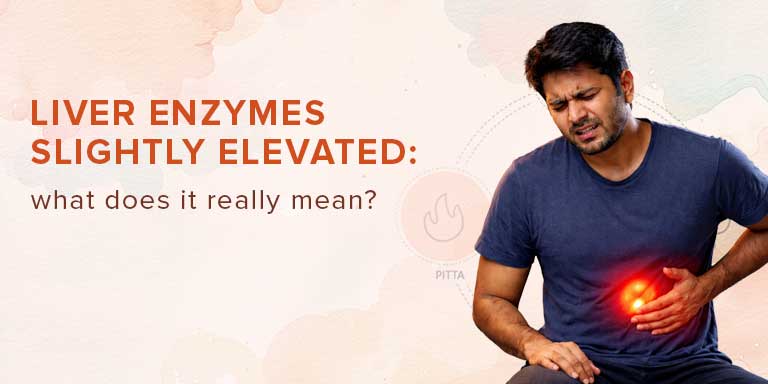
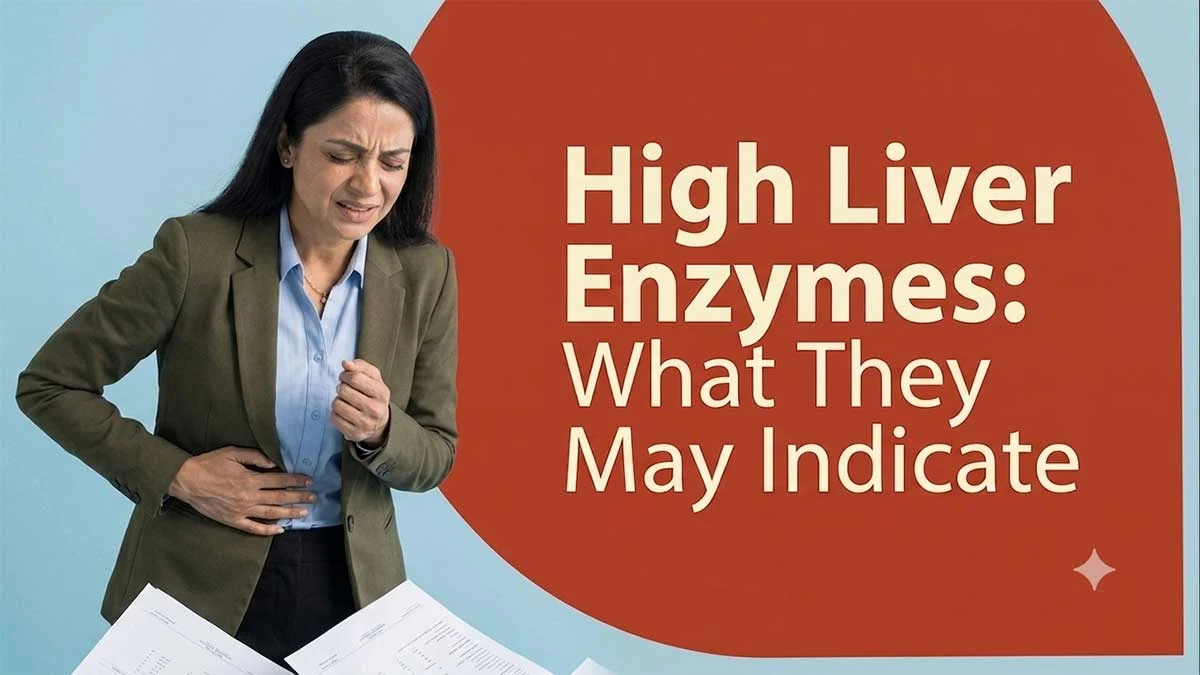
5081Opening your lab reports and seeing "High Liver Enzymes" in red is enough to make anyone skip a heartbeat. It is completely normal if your mind immediately jumps to the worst-case scenario. But take a deep breath before you spiral into a panic.
Seeing elevated numbers doesn't mean your liver is failing or that you are facing some scary, incurable illness. Most of the time, it is just your body's way of tapping you on the shoulder to say it is feeling a bit overworked and needs a little help. Let's strip away the confusing medical jargon, look at what those numbers actually mean and see how the simple and practical wisdom of Ayurveda can help get your system right back into balance.
Understanding High Liver Enzymes (The "Check Engine" Light)
Your liver is the hardest-working organ of your body, which silently performs many different functions every day, including cleansing toxic substances from the body, digesting food, storing energy and metabolizing drugs. The fact that the liver functions silently leads to worry when you discover elevated liver enzymes in a blood test. However, liver enzyme elevation is not a disease.
Instead, think of it as your body's "check engine" light. Enzymes are simply tiny protein helpers that assist your liver cells. When your liver gets irritated, overworked or slightly damaged, it accidentally leaks these enzymes into your bloodstream. That leakage is exactly what shows up on your lab report, serving as a gentle warning that your engine is still running but it needs a little extra care.
Meet the Enzymes: ALT, AST, ALP and GGT
Blood reports often look like confusing alphabet soup. But these four main enzymes are just different workers in your liver's factory. Here is what they actually mean:
- ALT (Alanine Aminotransferase): This helper lives almost exclusively in the liver. If your ALT is high, it is a very clear, specific clue that the liver itself is feeling stressed or injured.
- AST (Aspartate Aminotransferase): This one is found in the liver but also in your muscles and heart. A high AST tells us there is stress somewhere but we have to look at it alongside ALT to know if the liver is the main culprit.
- ALP (Alkaline Phosphatase): This enzyme is heavily linked to your bile ducts (the tiny tubes that carry your digestive juices). If your bile flow gets sluggish or blocked up, ALP numbers usually go up.
- GGT (Gamma-Glutamyl Transferase): Think of GGT as the liver’s toxin alarm system. It is highly sensitive to things like alcohol, daily prescription medications and environmental stress.
Together, these four numbers tell a complete story about what kind of strain your liver is dealing with.
Why Do These Numbers Go Up in the First Place?
Your liver rarely fails out of nowhere. Instead, it slowly collects stress over a long period. So, what causes the strain? For many of us, it is simply our modern lifestyle. Here are the most common causes:
- Excessive intake of food: Intake of too much fatty or junk food may result in fatty liver, which is the major cause of increased enzymes.
- Alcohol: Consuming excessive amounts of alcohol that exceed the liver's capability of the liver.
- Medicines: Taking painkillers regularly or strong prescription medicines.
- Infections: Fighting off a viral bug can temporarily inflame the liver.
- Chronic stress: Living in a constant state of worry takes a physical toll on your organs.
Early Warning Signs Your Liver May Be Distressed
Long before your blood work comes back abnormal, your body usually whispers to you that something is off. Because we are all so busy, we tend to ignore these whispers. Pay attention to these early clues:
- Unusual tiredness: Waking up with a kind of heavy fatigue that an extra cup of coffee just cannot fix.
- Stomach discomfort: A dull, heavy sensation on the upper right side of your stomach, especially after eating.
- Loss of appetite: Having nausea or just not feeling like eating foods that you once loved.
- Skin changes: Having skin problems such as itching without any explanation, a dull appearance or even adult acne.
These aren't dramatic, emergency symptoms, making them very easy to brush off as "just being tired from work." But when they happen together, they are a meaningful message from your body.
Everyday Dietary Habits That Stress Your Liver
We rarely recognize the impact of the food choices that we make in our daily lives on this important organ in our body. Contemporary diets consist of foods that cause the liver to work extremely hard:
- Greasy foods: Fried foods and processed foods lead to traffic congestion inside your liver.
- Spicy foods: Excessive consumption of highly pungent, salty or sour foods is similar to pouring gasoline on your inner Pitta fire.
- Late-night eating: Your liver wants to rest and clean house while you sleep. If you eat a huge dinner at 10 PM, it has to stay awake all night to process that food.
How Your Daily Lifestyle Impacts Your Liver
Your liver does not exist in a bubble; it reacts to how you live your everyday life.
- Lack of Sleep: Your liver does its deepest, most important repair work between 10 PM and 2 AM. If you are regularly awake during those hours scrolling on your phone, your liver completely misses its healing window.
- Chronic Stress: When you are stressed out, your body is flooded with cortisol. This stress hormone slows down your digestion and makes your liver work harder.
- Bottled-up Emotions: In Ayurveda, holding onto anger, frustration and resentment is believed to get physically trapped in the liver, creating what we call "metabolic stagnation."
The Liver Through the Lens of Ayurveda
While modern medicine looks at the liver through chemistry and microscopes, Ayurveda sees it as your body’s main furnace.
- Pitta & Agni: Your liver is the home of Pitta (the energy of heat). It uses Agni (your digestive fire) to digest all the inputs in your body, starting from foods to emotions.
- Ama: Whenever the body’s digestive capacity is weakened, and your internal fire is imbalanced, your body no longer breaks down the substances effectively but forms Ama toxic waste.
Imagine pouring cold grease down a drain. Over time, it coats the pipes and causes a backup. That is exactly what happens when this sticky Ama settles in your liver.
This toxic buildup clogs the tiny channels inside the organ, traps the heat, and stops the liver from doing its daily cleaning. In simple terms, high liver enzymes mean your internal furnace is running way too hot, and your liver is struggling through a heavy buildup of metabolic sludge.
How Ayurveda Treats Liver Strain
Healing the liver the Ayurvedic way is a step-by-step process. It is not about popping a magic pill; it is about bringing the body back to its natural rhythm:
- Restart the fire gently: The first step is to wake up your digestion without making the liver hotter.
- Clear the sludge: Next, you adopt a very light, nourishing diet to help melt away the toxic Ama.
- Restore the balance: Finally, you adjust your daily habits to make sure your body stays cool and balanced so the problem doesn't come back.
Foods That Act Like a Spa for Your Liver
To heal the liver, you have to cool down the internal fire and clear out the sticky sludge. You can do this simply by changing what is on your plate:
- Embrace the bitter: The liver absolutely loves bitter foods. Things like bitter gourd (karela), dark leafy greens, and celery act like a cooling, cleansing sponge for the liver.
- Hydrate with warm water: Drinking warm water throughout the day is one of the easiest and most powerful ways to melt away that sticky Ama.
- Cooling fruits: Sweet, juicy, hydrating fruits like apples, pears, and melons are incredibly soothing to a hot, overworked liver.
The golden rule here is simplicity. Your liver is overworked; give it simple, easy-to-digest foods so it can finally take a break.
What 'Detox' Really Means in Ayurveda
The internet is full of extreme "liver detox" diets that involve starving yourself, drinking only lemon juice for days, or taking harsh laxatives. Ayurveda strongly disagrees with this aggressive approach.
A true detox should never feel like a violent shock to your body. In Ayurveda, detoxing is simply about gently resting the system. It is about eating light, simple foods (like a warm, soupy mix of rice and mung beans) to give your liver a much-needed vacation. When you stop putting heavy garbage into the system, your body's natural intelligence takes over and clears out the toxins all on its own.
Daily Habits for a Happy Liver
Your body craves rhythm and routine. Ayurveda calls this daily routine Dinacharya. Here are simple habits you can start today:
- Wake up with the sun: Getting up early sets your natural body clock.
- Eat on schedule: Have your meals on schedule, eat at fixed hours every day.
- Have lunch as your major meal: Take your largest meal during lunch time because digestive fire is strongest at lunch time.
- Do not eat late in the evening: Do not take anything heavy after 7 PM.
Such small and unexciting activities make you feel secure, thereby giving your liver a chance to heal rather than react all the time.
When You Need to See a Doctor Immediately
Seek immediate medical care if you notice:
- Your skin or the whites of your eyes are turning yellow (jaundice).
- Severe, sharp pain on the upper right side of your stomach.
- Your urine is becoming very dark, like the color of tea.
- Unexplained, rapid weight loss.
If you have changed your diet and your enzyme numbers are still climbing, further medical testing (like an ultrasound) is necessary. Balance lies in knowing when to use natural healing and when to ask a doctor for help.
Conclusion
Finding out you have high liver enzymes can definitely be a wake-up call, but it does not have to be a nightmare. Think of it as a friendly warning from a very hardworking friend who just needs a vacation.
By understanding what those numbers mean and applying the gentle, common-sense principles of Ayurveda, you can easily take control of your health. Eat simpler foods, respect your sleep schedule, manage your daily stress, and add a little bit of bitter goodness to your plate. Your liver has been silently taking care of you since the day you were born. Now, it is just asking you to return the favor. Listen to the gentle whispers of your body today, so you don't have to hear it scream tomorrow.
References
Abnormal liver enzymes: A review for clinicians - PMC
Liver Function Tests - StatPearls - NCBI Bookshelf
Global burden of liver disease: 2023 update - PubMed
Alcohol-related deaths: liver cirrhosis, death rates (15+), per 100,000 population, age-standardized