 Published on
27 Jul, 2026
Published on
27 Jul, 2026 Updated on 27 Jul, 2026
 5077
5077Many women notice a very frustrating change as time goes by. Even if your weight on the scale stays the same, your clothes start feeling tight around your waist. You might try eating less or walking more, but that stubborn belly pouch just refuses to leave.
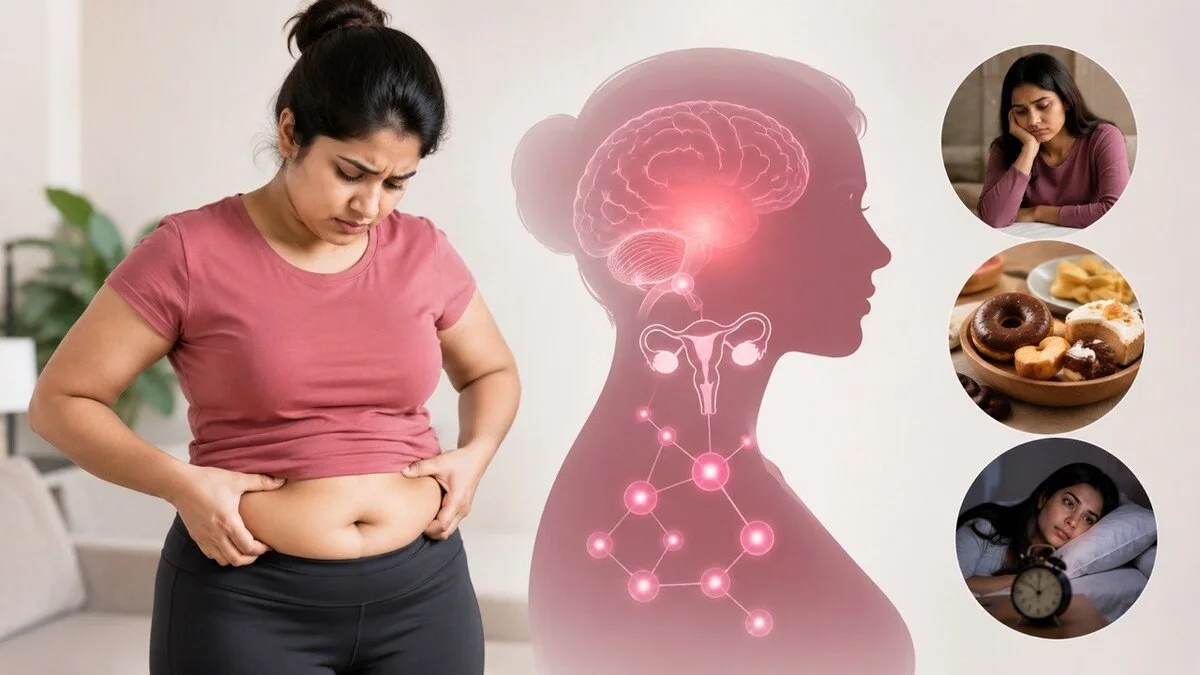
This is not because you are lazy or eating too much. It usually comes down to one hidden factor: your hormones. Hormones are the chemical messengers in your body, and they strongly influence fat distribution alongside genetics, diet, activity, age, and overall calorie balance. When these messengers get confused, they start packing fat right around your middle. Let us break down why this happens and how you can gently fix it without starving yourself.
Why Women Are More Prone to Hormonal Belly Fat?
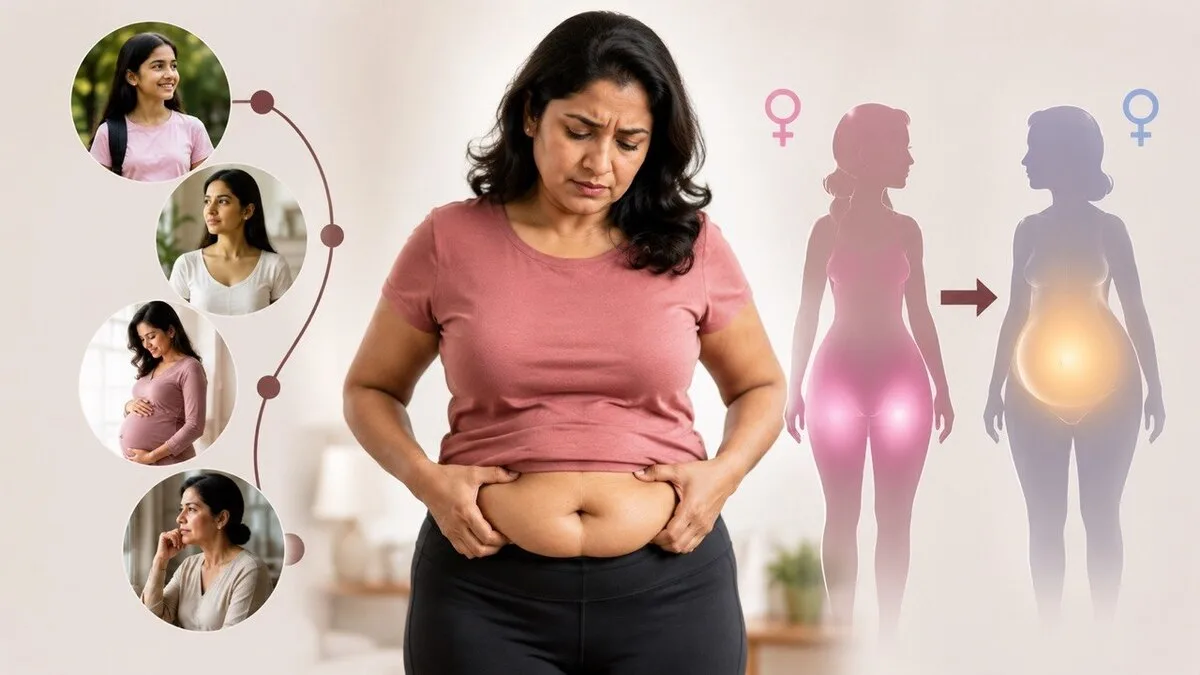
A woman’s body goes through a lot of beautiful but tiring changes. From puberty to pregnancy, and finally menopause, your body is constantly shifting.
During your younger years, female hormones usually store extra fat around the hips and thighs to prepare the body for having babies. But as you get older, especially around menopause, those hormone levels drop. When this happens, it stops storing fat on the hips and starts storing it right in the middle of your stomach. It is a completely natural shift, but it can be highly annoying.
The Hormones That Influence Belly Fat
To fix the problem, you need to know which hormones are causing it.
Insulin (The Sugar Manager): Every time you eat sweet or packaged food, your body releases insulin to handle the sugar. If you eat too much sugar over time, your body gets tired and stops listening to insulin. So, it makes even more of it. High insulin tells your body to lock away fat, mostly around your waist.
Cortisol (The Stress Hormone): When you are constantly worried about work, family, or money, your body creates cortisol. This hormone makes you crave sweet, heavy foods and causes fat around your belly to protect your organs from "danger."
Estrogen (The Female Hormone): This is the hormone that gives you your feminine shape. When estrogen drops during menopause, your body changes its fat-storing rules and moves the fat to your stomach.
Progesterone: This hormone keeps you calm and balances out estrogen. When it drops, you might feel puffy, bloated, and heavy.
Thyroid (The Engine): Your thyroid controls how fast you burn food. If it slows down, your whole body slows down. You feel tired all the time, and you gain weight easily, even if you eat like a bird.
Common Causes of Hormonal Belly Fat
Your daily habits play a massive role in confusing your hormones.
- Taking stress all the time: Being overloaded with mental pressure constantly without any respite.
- Bad sleep: Tossing and turning, playing around with your phone at night, or sleeping for less than 7 hours.
- Sitting the entire day: Going directly from your car to your office chair, then back home to your couch.
- Frequent consumption of processed food: Cookies, chips, and candies that disrupt your insulin levels and leave you hungry after one hour.
- Age: Normal changes in life, like menopause.
- Health problems: Hidden health problems such as Polycystic Ovary Syndrome (PCOS) or thyroid problems.

Signs Your Belly Fat May Be Hormone-Related
How do you know if your belly fat is just regular fat or a hormone issue? Look for these daily clues:
- You can not get rid of belly fat even if you consume healthy foods and exercise regularly.
- You will always feel exhausted regardless of whether you have just woken up or not.
- You will constantly crave sweets and chocolates.
- Your moods will swing rapidly from being happy to being angry or sad.
- You will experience irregular periods.
If you are nodding your head to most of these, your hormones are likely asking for some help.
Doctor’s Note
Stubborn belly fat in women is usually driven by hormonal imbalances (insulin, cortisol, estrogen) triggered by stress, poor sleep, and processed foods. Crash diets and endless sit-ups will not work. To shed this fat, focus on balancing your hormones through protein-rich meals, consistent sleep, and daily walking. Consult a doctor if you experience missed periods, severe fatigue, or unusual facial hair to rule out underlying conditions like PCOS or thyroid disorders.
How Lifestyle Choices Affect Hormonal Balance?
Your daily habits hold the magic key to fixing this issue.
- Food: Clean and fresh food intake regulates the amount of glucose in your bloodstream. The more stable the sugar level, the more peaceful the hormones will be.
- Movement: Walking and muscle activity burn extra glucose and reduce your psychological stress simultaneously.
- Sleep: Sleep restores your hormonal balance, repairs all the damage that happened during the day, and adjusts your hunger levels.
- Relaxing: Relaxation is a signal to the body that everything is fine, and taking less stress can help in better management of fat in the body.
An Ayurvedic Perspective on Hormonal Belly Fat
Ayurveda, the ancient Indian science of life, keeps things incredibly simple. It says that your body gains weight when your digestive fire (your stomach's engine) is weak.
If you eat heavy, cold, or stale packaged food, your stomach simply cannot digest it well. This creates a sticky, toxic waste inside you that blocks your natural energy and messes up your hormones.
To fix this, Ayurveda suggests eating warm, freshly cooked meals on a strict schedule. Waking up early, doing gentle yoga, and sipping warm water throughout the day can gently wake up your digestion, clear out the waste, and help melt that stubborn belly fat naturally.

Practical Tips to Reduce Hormonal Belly Fat Naturally
You do not need to starve yourself to fix this. Just follow these easy, everyday habits:
- Eat protein first: Consume protein-rich foods such as lentils and paneer to keep yourself full for long hours.
- Consume a lot of fiber: Take in plenty of green vegetables and salads. They work as a broom and sweep for all that is there in your stomach.
- Walk every day: Walk for at least half an hour every day in the open air. This does wonders for your body, both mentally and physically.
- Exercise with light weights: A little build-up of muscles accelerates your metabolism rate and burns calories quickly.
- Go to bed at the same time: Try to hit the bed at the exact time every night to provide a set routine to your body.
- Stop drinking sugar: Quit taking cold drinks and juices from the boxes. Also, limit the amount of sugar you consume in your tea.
- Eat mindfully: Be careful about the way you eat and the amount of food you eat.
Myths About Hormonal Belly Fat
Let’s clear out some very common lies people believe about belly fat.
Myth 1: Doing 100 sit-ups will give you a flat stomach.
False. Sit-ups tone your tummy muscles, but they do not do anything about the layer of fat that covers those muscles.
Myth 2: Starving yourself works.
False. Crash dieting freaks out your body. Your body thinks that you are in a situation where you have famine, so it clings to your tummy fat for survival!
Myth 3: Fat-burning pills are magic.
False. There is no magic pill. Most of them are just expensive and do nothing for your hormones.
When to Seek Medical Advice?
Sometimes, good food and walking are not quite enough. You should definitely visit a doctor if you notice:
- Your periods either stop completely or start bleeding very heavily.
- You are experiencing significant hair loss from your scalp.
- You have excessive hair growth on your face or chin area.
- You experience dizziness, exhaustion, and/or severe depression daily.
- You are struggling to conceive a baby.
Final Thoughts
Hormonal belly fat can feel like a very heavy, frustrating burden, but it is not a life sentence. It is merely the way in which your body responds to the things you feed it every single day, the stress that you take, and the sleep you get. You only control all of those things completely.
Do not look for a quick fix, a magical diet, or a punishment. Your goal is to create an easy and healthy life for yourself. Eat warm, fresh food, exercise your body and enjoy the process, have good sleep, and learn how to relieve stress.
References
Age Related Shift in Visceral Fat - PMC
Total fat intake for the prevention of unhealthy weight gain in adults and children: WHO guideline