 Published on
27 Jul, 2026
Published on
27 Jul, 2026 Updated on 27 Jul, 2026
 5067
5067If you have ever tried Ayurveda, you might have asked yourself, “My friend took this same medicine and got better in two weeks. I have been taking it for a month, so why am I not completely cured yet?”
It is a very fair question. We live in a world where we expect things to work the same way for everyone. If two people take a painkiller, both usually stop feeling pain in twenty minutes. But Ayurveda does not work like that.
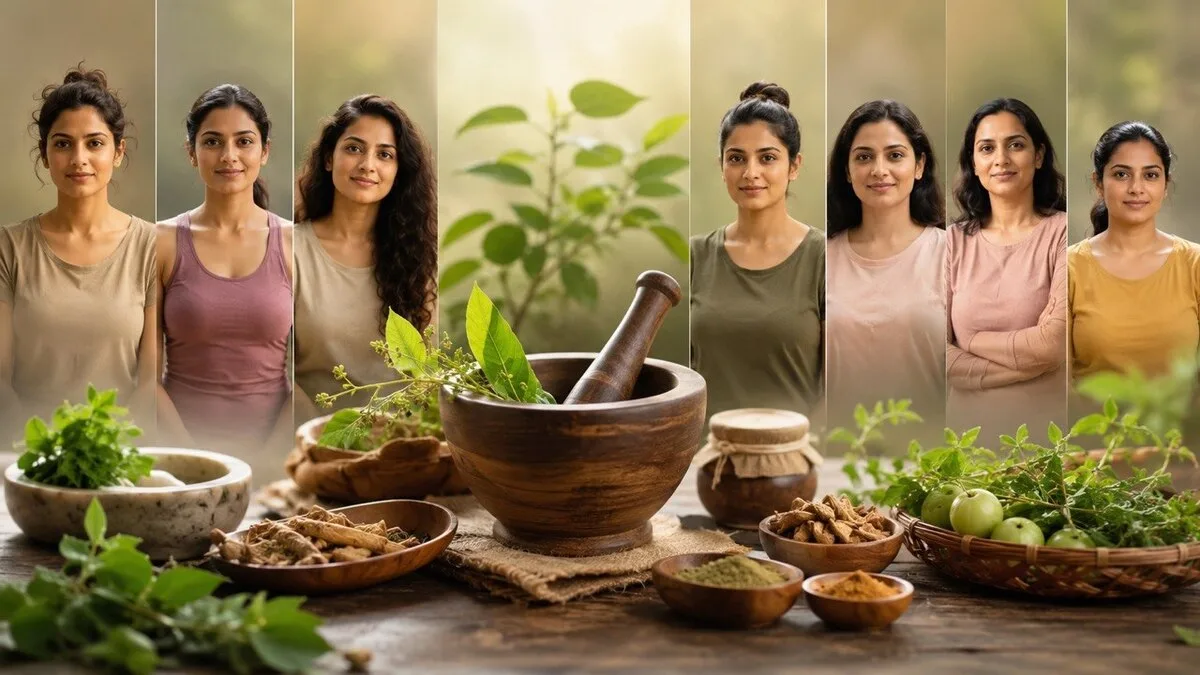
Ayurveda does not look at a disease; it looks at the person who has the disease. Because no two people on this planet have the same body, eating habits, sleep routine, or stress levels, no two people will ever heal at the same speed. Healing in Ayurveda is a highly personal journey, not a factory assembly line. Understanding why this happens will save you a lot of frustration and help you heal much better.
Ayurveda Is Based on Personalized Care
In modern medicine, a disease usually gets a standard pill. If ten people have acidity, all ten usually get the same antacid.
Ayurveda completely flips this idea. Its main goal is not just to quiet down the pain, but to figure out exactly why your body got sick in the first place.
Every Individual Has a Unique Constitution (Prakriti). Ayurveda believes that you were born with a very specific body type and energy, called your Prakriti. Think of it like your body's factory settings.
Some people are born with a stomach that can digest stones, while others get gas just from looking at a heavy meal. Some people sleep deeply through a thunderstorm, while others wake up if a pin drops. These big, built-in differences mean your body will naturally react to sickness and medicine very differently from someone else's.
Why Two People With the Same Disease Get Different Treatments?
Let’s say you and your neighbor both have terrible joint pain. You both visit an Ayurvedic doctor.
Your doctor might find out that your joint pain gets worse in the cold and is caused by dry, tight muscles. But your neighbor's joint pain might be hot, red, and swollen, caused by eating too much spicy food. Even though you both say "my knees hurt," the reason why they hurt is totally different. So, the doctor will give you completely different herbs, different oils, and different food rules. Because the treatment is different, the speed of healing will naturally be different, too.
The Difference Between Your Nature and Your Problem
Ayurvedic doctors always look at two things: who you naturally are, and what has gone wrong right now.
Your Natural Body (Prakriti): This is the healthy, balanced body you are supposed to have. It stays the same your whole life.
Your Current Problem (Vikriti): This is what happens when you mess up your balance by eating junk food, taking too much stress, sleeping late, or sitting all day.
Even if you and your sibling share the same natural body type, you might live completely different lives. You might work a stressful night shift, while they work a calm day job. Because your current lifestyles are different, your current problems will be different, and your healing will take different amounts of time.

The Severity and Duration of the Health Condition
How fast you heal depends heavily on how long you have been sick.
Short-Term (Acute) Illnesses: If you ate something bad yesterday and got an upset stomach today, an Ayurvedic herb can usually fix it very quickly. The sickness is fresh and has not settled deep into your body.
Long-Term (Chronic) Illnesses: If you have had severe acidity, joint pain, or thyroid issues for five years, you simply cannot expect a natural herb to reverse five years of damage in five days. Long-term diseases have slowly weakened your tissues and changed how your body works. Rebuilding those tissues takes time, patience, and a lot of care. Slow healing here is not a failure; it is just your body doing deep repair work.
Digestive Strength: The Real Engine of Healing
In Ayurveda, your stomach is the absolute boss of your body.
Why Digestion Matters: Ayurveda believes in a digestive fire (called Agni). If your digestive fire is burning bright and strong, your body will easily break down the herbal medicines and use them to heal you quickly.
But if your digestion is weak, slow, or full of gas, even the most expensive, powerful Ayurvedic medicine will just sit in your stomach and do absolutely nothing.
Nutrition and Recovery: This is exactly why an Ayurvedic doctor tells you what to eat. You cannot eat heavy, oily pizzas and expect the medicine to work. Eating warm, simple, fresh food keeps your digestive fire strong, which makes the medicine absorb faster, speeding up your recovery.

Lifestyle Habits Can Accelerate or Delay Results
If you think popping an herbal pill is enough to cure you, you will be disappointed. Your daily habits do the heavy lifting.
Sleep and Daily Routine: Your body does all its healing while you are deeply asleep. If you are taking Ayurvedic medicines but staying awake until 2 AM looking at your phone, you are actively stopping your body from healing. Waking up on time and sleeping early is just as important as the medicine.
Following Dietary Advice: Many patients completely ignore the doctor's food rules. They think, "I am taking the medicine, so I can eat whatever I want." The food rules are actually half the treatment! A person who follows the diet strictly will always heal much faster than a person who only takes the pills.
Age, Immunity, and Overall Health
Your physical strength plays a huge part in how quickly you bounce back.
Age and Healing: The healing process for a person at twenty years is normally faster than that of a person who is sixty years old. This is because younger people normally have a high metabolism rate and fast repair abilities. As one ages, there is a natural decline in the body's functioning, and thus one requires more time to heal.
Internal Power: For those who have been eating poorly, having a lot of stress, and feeling weak for a long period of time, the internal energy is completely exhausted. An Ayurvedic medicine first has to recharge that battery before it can actually fight the disease. If your battery is already full, you heal faster.
Doctor’s Note
Ayurvedic results vary because treatment is customized to your unique body constitution (Prakriti), current imbalance (Vikriti), and digestive strength (Agni).
The speed of healing depends on the condition's duration, your age, stress levels, and strict adherence to prescribed diet and lifestyle changes. Taking herbs without adjusting sleep or eating habits will stall progress, patience and consistency are key to lasting recovery.
Treatment Consistency Matters More Than Speed
We live in a world where we want instant magic. But Ayurveda is about building a strong foundation, brick by brick.
Medicine skipping Is Bad for you: When you take your herbs for three days and leave them for two, and again take them, you end up confusing your body. The ayurvedic herbs have been designed in such a way that it builds up slowly in your body.
You Have To Be Patient with Habits: If the physician advises you to walk daily and stop taking sugar in your diet, your body will not immediately get into the change mode. It will take some time for the body to figure out and give back health rewards.

Mental and Emotional Well-Being Influences Physical Healing
Your brain and your body are best friends. They talk all day long.
The Mind-Body Connection: If your mind is filled with fear, anger, sadness, or stress from work, your body will go into its survival mechanism. If your body is panicked, it shuts down the healing process entirely. The truth is that no matter what, an anxious, depressed individual will never heal as quickly as a happy, relaxed one using the same treatment.
Supporting Emotional Wellness: Spending ten minutes sitting silently, breathing deeply, or laughing with your loved ones works as medicine for your nervous system so that the physical herbal remedies can do their job.
Conclusion
Ayurvedic results differ from person to person simply because every single person is wonderfully unique.
Age, daily stress, digestion capacity, eating habits, type of food eaten at night, and the period during which you were sick affect the speed of the healing process. Your second chapter can never be equal to someone else's tenth chapter.
The healing process does not depend on a simple linear equation; some days you feel great, while other days may seem hard. The main things that Ayurveda requires from you are patience, creating proper daily routines, and belief in your body's incredible abilities to heal. The more you forget about immediate effects and pay attention to self-care, the more you become not only cured but also healthy for life.
References
Indian Traditional Ayurvedic System of Medicine and Nutritional Supplementation - PMC
Indian Traditional Ayurvedic System of Medicine and Nutritional Supplementation - PMC
Ayurvedic research and methodology: Present status and future strategies - PMC