 Published on
21 Mar, 2026
Published on
21 Mar, 2026 Updated on 25 May, 2026
 5144
5144Why Knees Hurt More at Night
Many people have observed that knee pain tends to increase during the night even if it remains minimal during the daytime. This can be a source of frustration since it affects one’s sleep patterns. This can lead to a range of effects on the following day, including restlessness, fatigue, and decreased energy levels. In addition to that, it can have a negative impact on one’s mood in the long term.
However, it should be noted that knee pain during the night is not always a serious issue. However, when it becomes a repetitive occurrence, it can be a symptom of various underlying causes, including joint inflammation, wear and tear of cartilage, joint lubrication reduction, and disruptions in natural healing processes in the body. This is because during the night, the body is resting; thus, it becomes more sensitive to pain.
What is Knee Pain?
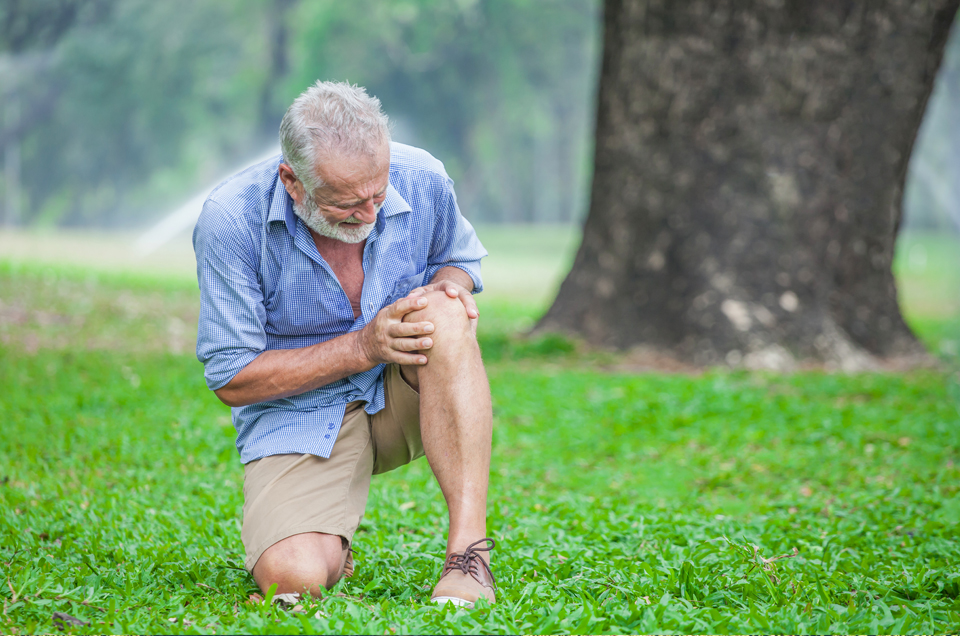
Knee pain can be defined as discomfort, soreness, or stiffness in the knee joint. Pain in the knee can be caused by injuries, inflammation, or degenerative changes in the structures of the knee joint. Pain in the knee can come on suddenly or gradually over time. Pain in the knee can be experienced in one or both knees.
The knee joint, being a major weight-bearing joint, makes it highly susceptible to stress, overuse, and wear and tear, which occurs over time.
Types of Knee Pain
Knee pain may manifest itself differently depending on its causes, intensity, and duration. The type of pain is essential for identifying and treating the underlying causes.
- Acute Knee Pain
Acute knee pain occurs suddenly due to injury, strain, or trauma. This type of pain is normally experienced after accidents, sports, and due to excessive twisting.
- Chronic Knee Pain
Chronic knee pain is experienced gradually and persists for weeks and months. This type of pain is normally experienced due to long-term joint problems, such as wear and tear, and due to age.
- Inflammatory Knee Pain
Inflammatory knee pain is normally experienced due to arthritis and joint infections. This type of pain is normally accompanied by inflammation, swelling, and stiffness.
Degenerative knee pain, as experienced due to Osteoarthritis, occurs due to cartilage wear and tear. This causes friction between bones, resulting in pain, stiffness, and difficulty in movement.
Signs & Symptoms of Knee Pain
The symptoms of knee pain vary, and the level of the symptoms may vary from individual to individual based on the underlying reasons for the pain, such as:-
- Stiffness in the knee, especially after rest or inactivity, can be one of the primary symptoms of knee pain. It may take time for the joint to return to normal after movement resumes.
- Swelling or feelings of heaviness in the joint can be another symptom of knee pain, which may arise due to fluid accumulation in the joint. This can make the joint feel tight.
- Trouble in bending or straightening the knee can arise due to pain, stiffness, or damage in the joint. This can limit movement in the joint.
- Clicking, popping, or grinding sensations in the joint can arise during movement, which can be caused by rough surfaces in the joint or damage to the cartilage.
- Increased discomfort at night or in the early morning can arise due to inactivity, which can allow stiffness and inflammation in the joint to worsen.
- Trouble sleeping can arise due to pain or stiffness in the joint, as the discomfort may worsen at night.
What Causes Knee Pain to Get Worse at Night
- Cartilage Wear and Tear
Cartilage is the protective layer of the knee. When the cartilage wears away due to old age, the knee joints may rub against each other. This may cause pain, especially when the body is resting at night
- Inflammation of the Joint
Knee joint pain may be caused by inflammation. Inflammation may cause knee pain, especially when the body is resting at night
- Overuse of the Knee During the Day
Excessive walking during the day may cause knee pain. When the body is resting at night, the pain may intensify due to the rest
Excessive body weight may cause knee pain. When the body is resting at night, the pain may intensify due to the extra body weight
- Knee Injuries
Knee injuries may cause knee pain. When the body is resting at night, the pain may intensify due to the injury
Lack of blood circulation may cause knee pain. When the body is resting at night, the pain may intensify due to the lack of blood circulation.
Diagnosis of Knee Pain in Modern Medicine
Knee pain is diagnosed in modern medicine in the following ways:
- Physical examination for swelling, movement, and areas of pain
- X-ray or MRI scans for the condition of bones and soft tissue
- Blood tests for conditions such as inflammation or infection
- Tests for joint mobility and strength
Early diagnosis is useful in the prevention of joint damage.
Ayurvedic Diagnosis of Knee Pain
Knee pain is considered an imbalance of internal energies in Ayurveda, particularly Vata dosha
Analysis of body constitution is done to determine the possibility of knee pain
Nadi pariksha or pulse diagnosis
Analysis of pulses is done to determine dosha imbalance in the knees
Symptom analysis
Analysis of symptoms such as stiffness, dryness, creaking sound, and pain in the knees, especially at night
Lifestyle and diet evaluation
Evaluation of daily routine, food habits, and lifestyle to determine the cause of knee pain
Risk Factors for Developing Knee Pain
Knee pain is prone to develop or increase in individuals because of various lifestyle, health, and genetic conditions. These conditions affect the strength and flexibility of the joint, thereby affecting the overall functioning of the knee.
- Knee pain is common in individuals over the age of 40 due to wear and tear of the joint.
- Lack of exercise or a sedentary lifestyle weakens the knee joint.
- Being overweight or obese is a common cause of knee pain.
- Sports injuries, such as ligament or cartilage damage, can cause knee pain.
- A family history of joint problems can cause knee pain.
Possible Complications if Not Treated Properly
Knee pain, if not treated on time, can increase and affect an individual's daily life activities. A mild pain in the knee joint can develop into a long-term joint condition.
Knee pain, if not treated in a timely manner, can cause joint stiffness in the long term. Joint stiffness in the knee makes it difficult for individuals to move around. Knee problems, if not treated promptly, can cause degeneration of the joint.
Knee Pain in Ayurveda
Knee pain in Ayurveda can be explained as an imbalance in the Vata dosha, which controls movement and coordination in the body. When the Vata dosha becomes unbalanced, dryness in the joints occurs, causing reduced lubrication in the body, stiffness, and pain in the knees. Pain in the knees is often experienced at night because the body rests at night, and the imbalance in the Vata dosha becomes prominent.
Ayurvedic Treatment Approach
Ayurvedic treatment of knee pain is based on correcting the root cause of the disease, not the symptoms. It balances the Vata dosha that is causing the pain. It also ensures proper lubrication of the joints. It helps restore normal movement of the joints without causing discomfort.
- Prakriti analysis to know the body type of the individual and the natural imbalances
- Pulse diagnosis to know the imbalances inside the body affecting the joints
- Detoxification therapies to cleanse the body of toxins and restore balance
- Herbal medicines to relieve pain, stiffness, and swelling
- Dietary corrections to ensure the well-being of the joints
Ayurvedic healing is a slow process. It is based on the principle of healing the body from the inside. The main aim of the treatment is to restore Vata equilibrium. It ensures the reduction of dryness, stiffness, and discomfort.
Ayurvedic Herbs for Knee Pain
Ayurveda offers effective natural herbs which help reduce pain and discomfort, enhance flexibility, and strengthen the muscles and joints.
- Ashwagandha herb helps strengthen the muscles and reduce weakness around the joints.
- Guggul herb helps maintain healthy joints and reduces inflammation and stiffness.
- Shallaki (Boswellia) herb is known for improving cartilage health and reducing pain.
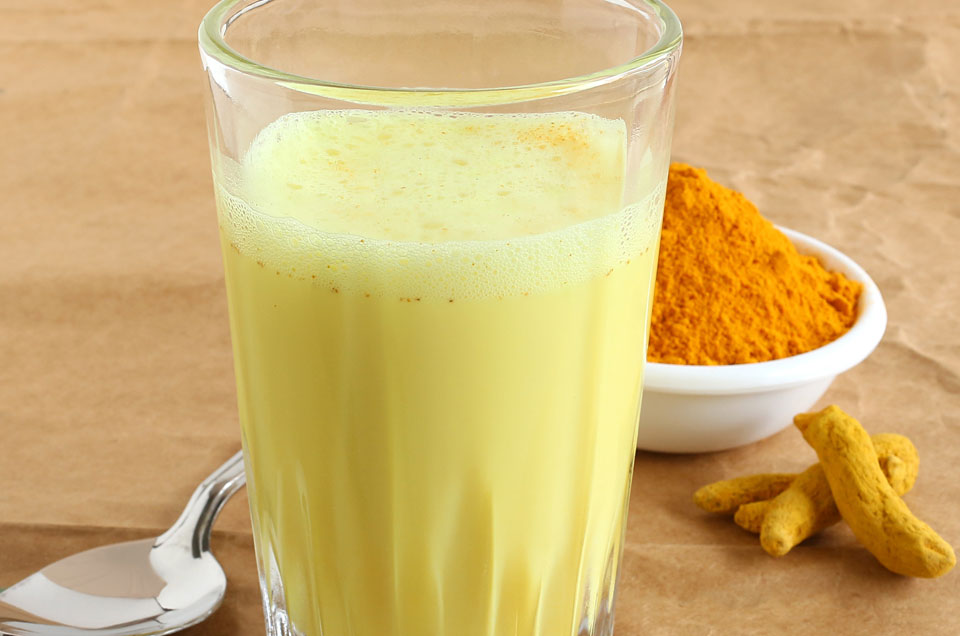
- Turmeric acts as an anti-inflammatory herb and reduces swelling and pain.
These herbs are used collectively for better results and to provide relief for a longer period by repairing the joints naturally.
Ayurvedic Therapies
Ayurvedic medicine employs various external treatments for improving the flexibility of the joints, reducing stiffness, and aiding the natural healing process for the pain felt in the knee region. These treatments help in improving blood circulation and restoring balance in the affected region.
- Abhyanga oil massage therapy helps moisturise the joints and make them more flexible.
- Herbal steam therapy helps open up the channels in the body and reduces stiffness and pain.
- Warm oil application for the specific joint helps provide lubrication and comfort to the affected region.
- Panchakarma detoxification treatments help remove toxins from the body and restore balance.
These treatments collectively help improve blood circulation for the knee region and reduce stiffness, making movement easier and more comfortable for the person suffering from the problem.
Diet for Knee Pain
Diet is an important factor in managing knee pain according to Ayurveda. Proper foods help in lessening inflammation and lubricating the joints, and incorrect foods can cause more stiffness in the knees.
Food to Eat
- Warm and freshly prepared foods that are easily digestible
- Ginger, garlic, and turmeric for their anti-inflammatory properties
- Ghee in moderation for its lubricating property
- Soups and easily digestible foods for less strain on the digestive system and knees
Food to Avoid
- Cold and refrigerated foods cause more stiffness in the body
- Fried and processed foods, as they cause more inflammation
- Too much caffeine as it causes imbalance in the body
- Too many dry and raw foods, as they cause more imbalance in Vata
How We Assess Disease Patients at Jiva Ayurveda
Knee pain and other joint pain are not treated in isolation at Jiva Ayurveda. Instead, a comprehensive approach is adopted to assess the root cause of pain through an in-depth analysis.
Consultation Process
A comprehensive consultation is done with each patient. The doctor analyses their symptoms, lifestyle, dietary habits, daily schedule, and medical history. The doctor knows how pain occurs, when it occurs, and what triggers it. In some cases, medical reports are also studied to understand the condition better.
Prakriti Analysis
Prakriti is a person’s constitution or their inherent nature. The constitution is determined by an imbalance of three doshas: Vata, Pitta, and Kapha. Prakriti analysis helps understand why a person is more prone to knee pain. The doctor can then plan a personalised treatment plan and dietary plan for the patient.
Pulse Diagnosis (Nadi Pariksha)
Pulse diagnosis is an ancient method used by Ayurvedic practitioners to understand internal dosha imbalances. Pulse diagnosis is used to understand the root cause of knee pain, which is not easily apparent.
Our Step-by-Step Patient Care Process:
Expect a Call: Submit your contact details, or you can also call us on 0129 4264323.
Appointment Confirmation.
- You can schedule an appointment and visit us at our clinic for a consultation with our Ayurvedic experts.
- If you are unable to find our clinics near you, you can also schedule an online consultation on 0129 4264323 at a discounted price of Rs. 49 (regular price Rs299) and avail guidance from our doctors at home.
Detailed Diagnosis
Jiva doctor will perform a thorough and detailed diagnosis to identify the root cause of your health problem.
Root-cause Based Treatment
Jiva doctor will recommend a personalised treatment using highly-effective, natural, and Ayurvedic medicines to address symptoms and the root cause.
Healing Timeline
The healing time for knee pain depends on the intensity of the problem, the duration for which the problem has been persisting, and the level of discipline in adhering to the treatment. General Healing Timeline:
- For mild knee pain, relief may begin in 2-4 weeks
- For moderate knee pain, relief may begin in 1-3 months
- For chronic knee pain, such as arthritis, relief may begin in 3-6 months
Key Factors That Affect Healing:
- How consistently medicines are taken
- Adherence to the dietary guidelines
- Adherence to lifestyle changes
- Individual body constitutions and health status
What Results Can You Expect?
When you seek proper care through Ayurvedic medicine and regular check-ups, you can expect to gradually get better instead of instant relief. Common Results Include:
- Less pain and stiffness in your knees
- More flexibility in your knees
- More ease in performing your daily activities, such as walking or climbing stairs
- Less reliance on pain relievers
- More energy and a better overall condition
In many cases, people have reported better sleep and a greater sense of comfort as their bodies begin to return to a state of balance. Even though the results are quite positive, they can still vary depending on the severity of your condition, your age, and how well you adhere to your treatment.
Patient Testimonial- Tara Shankar Gadge
“I am Tara Shankar Gadge from Pune. I watch Dr Chauhan’s program regularly and came to know about the treatments provided here. For the last 40 years, I have been unable to walk because of extreme pain in my knees and waist. I tried medicines from all over India, but I got no relief even after surgery. Allopathic doctors declared the operation, and even my bones got weakened because of this pain.
I was depressed and worried, unable to find relief from anywhere, then I approached Jiva Ayurveda, and after 15 days of treatment, I began to walk on my own without any assistance. Thanks to Jiva Ayurveda.”
Suffering from a similar joint pain problem? Call us at 0129-4040404 today and schedule a call with an expert Ayurveda doctor.
Estimated Cost of Treatment at Jiva Ayurveda
Understanding the financial investment required for your health is important. At Jiva Ayurveda, we make sure of transparency in our service costs, which allows you to choose the most suitable option for your medical needs.
Treatment Cost
For patients who seek standard, ongoing care, the Monthly Cost of Medicine and consultation typically ranges from Rs. 3,000 to Rs. 3,500. Please note that this is an estimated baseline. The final cost depends on the exact nature and severity of the patient's condition.
Protocol
For a more comprehensive, structured approach, we offer specialized Package protocols. These plans are designed to address both physical symptoms and the overall lifestyle correction. The package includes:
- Medicine
- Consultation
- Mental Well-Being Sessions
- Yoga and Meditation
- Diet
The cost for this protocol involves a one-time payment ranging from Rs. 15,000 to Rs. 40,000, which covers the full 3 to 4-month duration of the treatment.
Jivagram
For patients requiring intensive and immersive care, our Jivagram centres offer the ultimate healing experience. Jivagram is a holistic sanctuary set in a peaceful, eco-friendly environment, and it provides:
- Authentic Panchakarma therapies
- Sattvic meals
- Modern healing services
- Comfortable accommodation
- Many more quality-of-life facilities
An immersive wellness stay at Jivagram costs around 1 Lakh for a 7-day duration, ensuring continuous personalised care to help reset your body and mind.
Why Patients Trust Jiva Ayurveda
Over the years, Jiva Ayurveda has gained the trust of thousands of patients who are seeking natural and personalised healthcare solutions. Some of the key reasons for patients’ trust in Jiva Ayurveda:
- Root-Cause Based Treatment
Unlike conventional treatments that address only the symptoms of disease, Ayurvedic treatment focuses on treating the root causes and correcting the underlying imbalances in the body that lead to disease.
- Experienced Ayurvedic Doctors
Jiva Ayurveda boasts of having a huge team of experienced Ayurvedic doctors who thoroughly examine each patient’s condition before recommending treatment for diseases.
- Personalised “Ayunique” Treatment Approach
Ayurvedic treatment is highly personalised and customised according to each individual’s prakriti and lifestyle.
- Holistic Healing
Ayurvedic treatment is not limited to medicines; it also includes dietary and lifestyle modifications, breathing techniques, and stress management to support overall healing of the body and mind.
- Trusted by Patients Across India
A huge percentage of patients have shown improvement in their conditions after adopting Jiva’s treatment plans and recommendations for diseases. This shows how much people trust Jiva Ayurveda for Ayurvedic treatment.
- 95% of patients saw significant improvement within 3 months of treatment.
- 88% of patients stopped allopathic medicines completely.
- 8000+ patients consulation everyday
Modern Treatment vs Ayurvedic Treatment for Knee Pain
Learning the difference between modern (Allopathic) treatment and Ayurvedic treatment will help you make a well-informed decision for your healing process.
Aspect
Modern Treatment
Ayurvedic Treatment
Approach
Focuses on managing symptoms like pain and inflammation
Focuses on identifying and treating the root cause (dosha imbalance)
Treatment Method
Painkillers, anti-inflammatory drugs, injections, surgery (in severe cases)
Herbal medicines, therapies, diet correction, and lifestyle changes
Relief Speed
Quick, temporary relief
Gradual but long-lasting relief
Side Effects
Possible side effects of long-term medication use
Generally natural and safe when taken under expert guidance
Focus Area
Localised treatment (affected joint)
Holistic treatment (entire body balance)
Long-Term Results
May require ongoing medication
Aims for sustainable healing and prevention
Dependency
Higher dependency on medicines
Reduces dependency over time
When Should You Consult a Doctor?
It is true that knee pain, which is not too serious, may be treated at home, but it is important not to neglect some symptoms. You should consult a doctor in the following cases:
- You have pain in the knee that lasts for more than a few weeks
- You have swelling, redness, or warmth in the joint
- You are having trouble walking, standing, or bending the knee
- You have sudden and severe pain in the knee after an injury
- You feel that the knee is locking or clicking, or it is unstable
- You feel that the pain in the knee is worse at night and prevents you from sleeping
- You feel that the pain is not improving even after resting or trying home remedies
Conclusion
Knee pain, which gets worse during the night, can greatly affect your daily activities and overall health. Though modern medicine provides immediate relief from pain, its focus seems to be only on alleviating the symptoms, not the actual cause of the pain.
In contrast, Ayurveda treats the patient holistically, curing the pain from within by restoring balance in the body, strengthening the joints, and facilitating healing. It is definitely possible to cure the pain with the right combination of medicine, diet, and lifestyle.
It is highly recommended to take the right advice on time to bring a positive change to your healing process.