 Published on
19 Mar, 2026
Published on
19 Mar, 2026 Updated on 25 May, 2026
 5207
5207Why Your Knees Make Grinding Sounds When Climbing Stairs
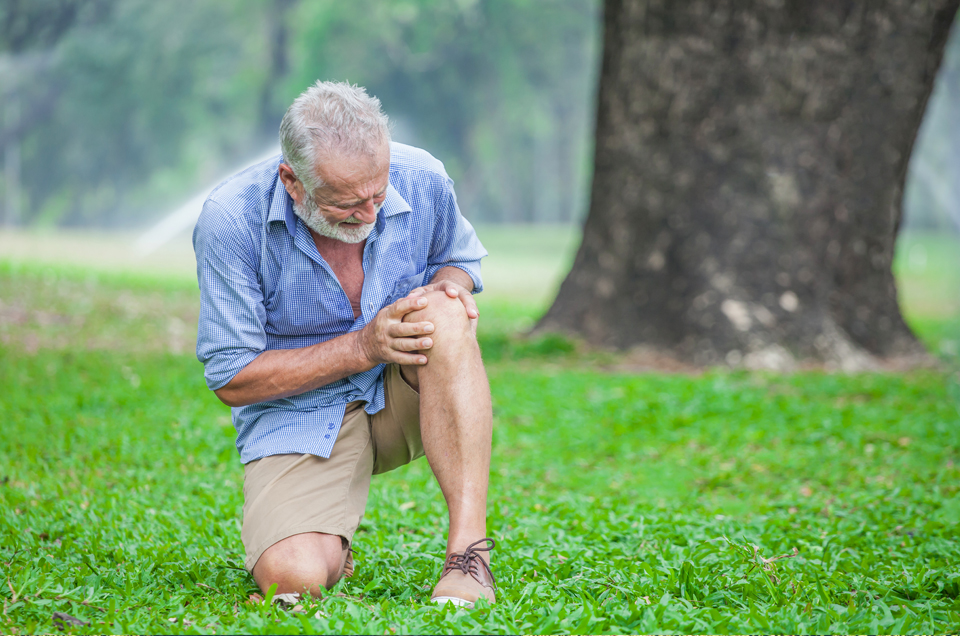
Do your knees make noise with a sound like a crack, pop, or grind when you climb the stairs or stand from a chair? Well, you are not alone. This strange incident is experienced by a large number of people. The medical term for the strange sound that your knee makes is knee crepitus. While it is safe to say that harmless sounds from the knee are nothing to worry about, it is important to take notice of a grinding sound from the knee. From an Ayurvedic perspective, knee crepitus is often associated with a Vata dosha imbalance, which affects the lubrication, flexibility, and strength of the joints.
In the following sections of this write-up, the reasons for the experience of knee crepitus when climbing the stairs will be discussed in detail.
Understanding the Knee Joint
The knee is the largest and most complex joint in the human body. The joint connects the thigh bone and the shin bone. The joint is supported by various parts that facilitate smooth movement. The parts that make up the knee joint include:
- Cartilage that cushions the bones
- Ligaments that stabilize the joint
- Tendons that connect the bones and the muscles
- Synovial fluid that facilitates smooth movement of the joints
What Is Knee Crepitus?
Knee crepitus is the grinding, crackling, popping, or clicking noises you may notice as you move your knee. It is a common phenomenon and usually occurs during bending or straightening of the knee.
The knee is made up of bones, cartilage, ligaments, and synovial fluid, all of which help to facilitate smooth movement. The noises associated with crepitus occur during normal movement of the joint, and this causes friction. The most common noises associated with crepitus include:
- Grinding – this occurs when rough surfaces rub against each other.
- Popping – this is similar to the bursting of a bubble.
- Clicking – this occurs during light snapping.
- Crackling – this occurs during the crumpling of paper.
These noises occur during activities such as climbing the stairs, squatting, standing up, or during exercise.
Common Reasons Your Knees Make Grinding Sounds
Identifying the common causes for these sounds would help you understand whether it is a natural process or not.
- Natural Joint Movement
In some cases, the sound in your knee is just due to natural movement in your joints.
Small bubbles are present in the fluid in our joints. When the joint is moved, these bubbles burst and make a sound similar to the sound produced when you crack your knuckles.
This sound is harmless and doesn’t indicate any other medical condition.
- Cartilage Wear and Tear
Cartilage is like a cushion that provides protection to our bones. When this cartilage begins to wear away, the bones may touch each other. When this happens, you may hear grinding sounds in your knees as you move them. When cartilage begins to wear away, this is due to:
- Age
- Stress
- Knee injuries suffered in the past
- Osteoarthritis
- Weak Muscles Around the Knee
The muscles around your knees, especially your quadriceps and hamstrings, play an important role in maintaining stability in your knee. If your muscles around your knees are weak, your knee will not move in proper alignment. This can cause friction in your knee, resulting in grinding or clicking. If you lead an inactive lifestyle, your muscles around your knees can get weaker over time.
- Patellofemoral Pain Syndrome
Patellofemoral pain syndrome is characterized by your kneecap not gliding smoothly over your thigh bone. In fact, your kneecap might even rub against your thigh bone. This can cause discomfort in your knee, resulting in grinding. Some of the symptoms that might appear include:
- Knee Pain While Climbing Stairs
- Knee Pain After Sitting for Long Periods
- Presence of Grinding or Popping Sounds in Your Knee
- Patellofemoral pain syndrome is common among athletes, runners, and people with muscle imbalances.
- Osteoarthritis
Osteoarthritis is one of the most common reasons behind the presence of grinding sounds in your knee. In osteoarthritis, cartilage in your knee gradually deteriorates. This results in your bones rubbing against each other. Some of the symptoms that might appear include:
- Stiffness in Your Joints
- Knee Pain While Moving Your Legs
- Swollen Joints
- Reduced Flexibility in Your Legs
Ayurvedic Perspective on Knee Grinding
In Ayurveda, the term for joints is ‘Sandhi.’ The knee is one such weight-bearing joint. The grinding sounds in the knee are said to be related to the imbalance of the Vata dosha in our body.
Vata is responsible for movement, circulation, and flexibility in our body. When in balance, it keeps our joints well-lubricated. But in excess, it causes dryness in our joints, leading to friction between our bones and cartilages, resulting in grinding sounds, especially while climbing stairs or squatting.
If this imbalance is not treated, it could result in stiffness in our joints.
Symptoms Associated with Vata Imbalance in Joints
When Vata is imbalanced in the joints, one may experience a variety of symptoms, including:
- Joint stiffness, especially in the morning or after long hours of inactivity
- Cracking sounds in the joints, especially when moving around
- Pain in the joints when walking, bending, or climbing stairs
- Less lubrication and flexibility in the knee joints
Sandhivata – The Ayurvedic Understanding of Joint Degeneration
In Ayurveda, Osteoarthritis is referred to as ‘Sandhivata.’ This is a disorder in which Vata, when aggravated, accumulates in the joints, causing progressive weakening of the supporting tissues. The main symptoms of Sandhivata include:
- Joint pain, stiffness, and reduced movement
- Less flexibility in the joints
- Swollen joints in some cases
- Grinding or crackling sounds in the joints when moving around
Ayurvedic texts like Charaka Samhita and Sushruta Samhita define Sandhivata as a degenerative process of cartilages, causing weakening of the structure of the joints.
Factors That Increase Vata and Affect Joint Health
There are various lifestyle and environmental factors that may contribute to an increase in Vata and affect joint health. The most common are:
- Aging
As the body ages, there is an inevitable reduction in the level of lubrication in the joints. As a result, the joints become drier and stiffer.
- Excessive Physical Strain
Excessive strain on the knee joints due to excessive physical activity, such as over-exercising or physical work, may result in Vata and, consequently, joint discomfort.
Inadequate nutrition and failure to provide the body with the required nutrients may result in weakened bones and joints, leading to joint degeneration.
- Dry or Cold Climate
Weather conditions such as cold and dry weather are known to aggravate Vata and consequently affect joint health.
Irregularities in lifestyle habits such as mealtimes, sleep schedules, and physical activity may disrupt the body's equilibrium.
Ayurvedic Approach to Joint Health
Ayurvedic medicine is not just about relieving symptoms but also about creating equilibrium in the body. When it comes to joint discomfort and grinding in the knee joints, Ayurvedic medicine is guided by the following principles:
These treatments may include the use of herbal remedies, medicated oil massage, Panchakarma for joint pains, changes in diet, and lifestyle modifications. These treatments are designed to nourish the joints, reduce inflammation, and increase mobility in the body.
Experts at Jiva Ayurveda may often recommend the need for joint health treatments that include a combination of traditional and lifestyle changes.
Ayurvedic Remedies for Knee Grinding
Ayurveda provides various natural and holistic remedies that help in increasing flexibility in the joints, decreasing friction in the knee joint, and maintaining joint health over time. Unlike other remedies that provide temporary relief from joint discomfort and grinding noise in the knee, Ayurvedic remedies focus more on balancing the body's inner systems, particularly Vata dosha, which is responsible for joint movement and lubrication according to Ayurvedic medicine.
One of the best Ayurvedic remedies for knee discomfort and grinding noise in the knee joint is Abhyanga oil massage therapy.
1. Abhyanga (Herbal Oil Massage)
Ayurvedic oil massage, also called Abhyanga, is a powerful treatment for joint health. It involves the application of oil to the affected joint, which then nourishes the muscles and the joint.
The oil soothes the joint from the inside, reducing the dryness of the joint, which is caused by the unbalanced condition of Vata. It increases the lubrication of the knee joint. Some of these oils include:
- Mahanarayan oil, which is traditionally used to treat joint pain, stiffness, and weakness of muscles
- Dhanwantharam oil, which is traditionally used to treat muscle strength and improve the flexibility of joints
- Bala oil, which is traditionally used to nourish muscles and improve connective tissue strength
These oils contain a blend of herbs, which is traditionally used in Ayurvedic medicine to treat problems of bones and joints.
Benefits of Ayurvedic Oil Massage
Performing Abhyanga massage regularly around the knee joints can bring about many benefits, including:
- Lubrication of joints, thereby reducing friction in the knee joints
- Relieving stiffness and discomfort, especially after physical activity
- Enhanced blood circulation ensures a better supply of nutrients to the joints
- Relaxing muscles around the joints helps to stabilize the joints
- Oil massage, when done regularly as part of a healthy lifestyle, can play an important role in maintaining the flexibility of joints and preventing further degeneration.
Ayurvedic Herbs for Joint Health
In Ayurvedic medicine, there are various medicinal herbs that are used to promote joint health and prevent various joint-related health problems. These herbs are known to help in the reduction of inflammation and the strengthening of the tissues surrounding the joints.
Some of the well-known Ayurvedic herbs are used to treat joint discomfort, joint stiffness, and grinding sensations in the knees.
Ashwagandha is an Ayurvedic herbal medicine commonly used to rejuvenate and energize the body. Ashwagandha is known to help strengthen the muscles and bones and reduce inflammation in the body. Ashwagandha is also known to help the body regain energy and overcome stress and fatigue.
- Shallaki (Boswellia)
Boswellia serrata, commonly known as Shallaki, is an Ayurvedic herbal medicine used to treat joint pain and swelling. The herbal medicine is known to contain natural compounds that help reduce joint inflammation and promote joint mobility.
Guggulu is an Ayurvedic herbal medicine known to promote the health and well-being of the bones and joints. The herbal medicine is commonly used to treat joint degeneration and joint stiffness.
- Nirgundi
Vitex negundo, commonly referred to as Nirgundi, has anti-inflammatory and analgesic properties. The herbal remedy is mostly used in Ayurvedic medicines to relieve joint pain and increase flexibility. These herbs do not function well when used singly. Instead, they need to be blended in a particular way to ensure they function better and target the root cause of the joint problems.
Experts at Jiva Ayurveda often prescribe customized herbal treatments depending on an individual’s Prakriti, symptoms, lifestyle, and severity of the disease.
Patient Testimonial- Niwas Sharma
“I faced difficulty while working due to pain and swelling in the joints of my hands. I met several doctors, but couldn't get any relief. Then I thought of taking Ayurveda treatment and visited Jiva Ayurveda's clinic. The doctor took a detailed consultation, explained the root cause of my problem, and prescribed a treatment pack which helped relieve my condition. Thanks, Jiva!”
Panchakarma Therapies
Another important part of Ayurvedic treatment of joint problems is Panchakarma, a group of detoxification and rejuvenation techniques intended to eliminate accumulated toxins in the body.
Ayurveda states that inflammation in joints is caused by the accumulation of Ama (metabolic toxins) in the body. The Panchakarma treatment is intended to purify the body, bring it back into balance, and improve tissue and joint functions. Many Panchakarma treatments can be of great help in treating problems in the knees.
- Janu Basti
Janu Basti is a special treatment for knee joints. In this treatment, warm medicated oil is retained in a dough ring over the area of the knee. The warm oil nourishes the joints, making them lubricated, flexible, and relieving pain.
- Patra Pinda Sweda
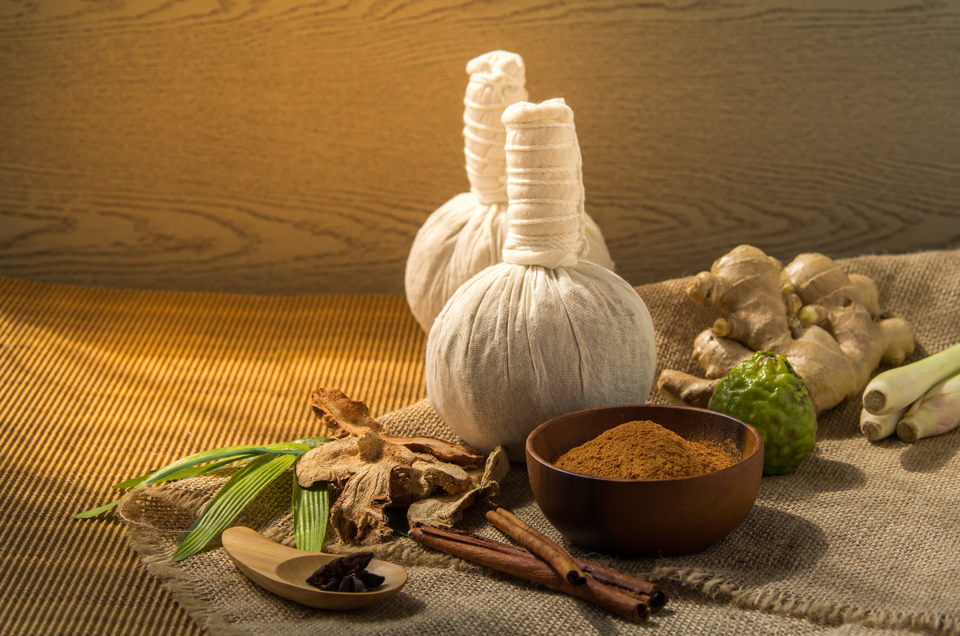
This is a treatment in which warm herbal poultices of medicinal leaves are applied to the area of complaint. This treatment relieves stiffness, reduces pain, and increases blood circulation in the area of complaint.
Basti is considered one of the most important treatments in balancing Vata dosha. Medicated enemas of herbal decoctions or oils are administered, helping to eliminate toxins and nourish bones and joints.
Lifestyle Tips for Healthy Knees
A healthy knee is not only about alleviating pain; your lifestyle is also important. A healthy and balanced lifestyle can help prevent knee problems such as stiffness, weakness, and grinding noises.
According to Ayurveda, leading a healthy lifestyle can help balance the doshas and strengthen the bones, muscles, and joints.
-
Maintain a Healthy Weight
A proper weight is vital for maintaining knee health because the knees carry the weight of your body. Excessive weight can cause strain on the knees, resulting in the wearing of the cartilage over time.
A good and balanced diet that includes grains, fruits, vegetables, and fats is vital for weight management and knee health.
-
Stay Physically Active
Physical activity is important in keeping the muscles in the body strong. This is because physical activity promotes the circulation of blood around the knee joints. This ensures that the joints in the knees are well nourished. Low physical activity can help in keeping the muscles in the body strong.
Some of these include:
- Walking, as it keeps joints flexible as well as fit
- Swimming, as it is a full-body workout without strain on the joints
- Cycling, as it works well for leg muscles without any jerky movement
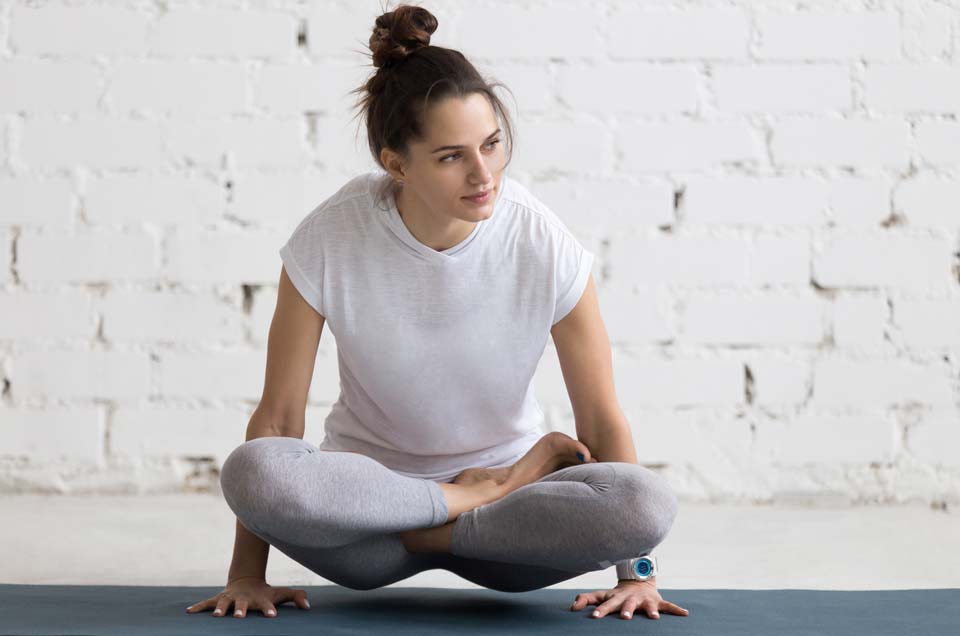
- Yoga, as it keeps joints flexible as well as stable
However, if one is already experiencing discomfort in the knee, it is recommended that one avoid strenuous exercises like running, jumping, or squats, as they may put extra pressure on the knee.
Strengthen Leg Muscles
Strong leg muscles around the knee play a significant role in protecting the knee. If the muscles around the knee, especially the quadriceps and hamstrings, are strong, it can help in protecting the knee. Exercises can be done to strengthen these muscles, which can help in protecting the knee. Some of these include:
- Straight leg raises, which help strengthen the quadriceps muscles
- Wall squats, which help in the development of leg strength and stability
- Hamstring stretches, which help in improving flexibility in the thigh area
- Gentle yoga poses, which help in improving balance and overall muscular coordination
Follow a Joint-Friendly Diet
Diet plays a vital role in maintaining strong bones as well as flexible joints. According to Ayurveda, the food we eat directly affects the nourishment of the body’s tissues. A balanced diet that is rich in nutrients will help to maintain the proper lubrication of the joints.
Ayurveda suggests that we should follow a diet that is warm, nourishing, and easily digestible. This will help to balance the Vata dosha that causes dryness in the joints.
Best foods for joint health in Ayurveda
Some foods that will help to maintain the joints in a healthy state and provide proper lubrication to the joints:
- Warm Soups: Vegetable soups as well as lentil soups are easy to digest and will provide warmth to the joints.
- Ghee: Clarified butter is considered to be a highly beneficial food for the joints.
- Sesame Seeds: Sesame seeds provide a rich source of calcium.
- Almonds: Almonds provide a rich source of fat, protein, and nutrients.
- Milk: Traditionally considered to be a rich source of nourishment for the nourishment of the bones.
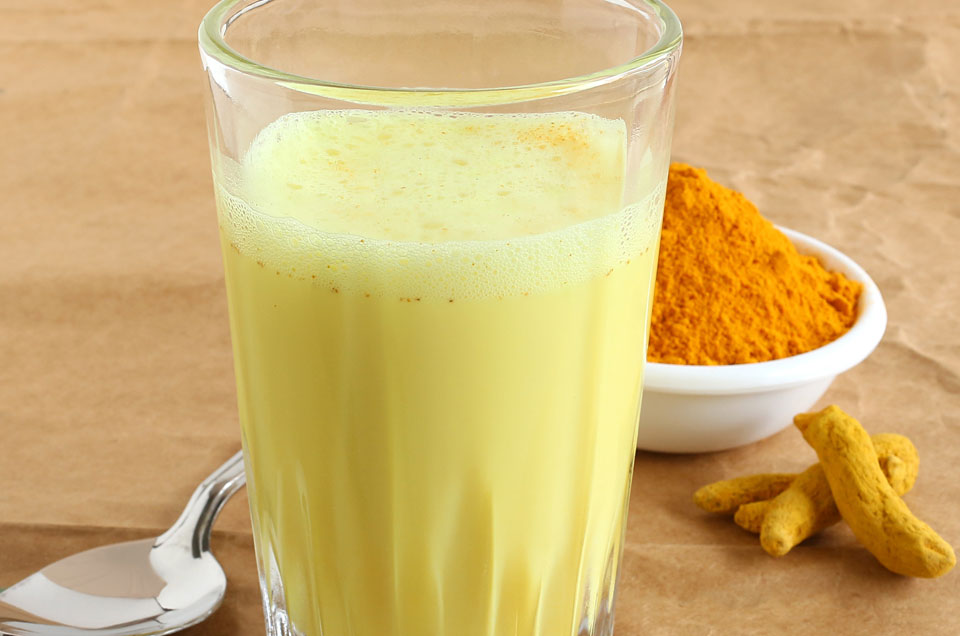
- Turmeric: Turmeric is considered to be a natural source for the prevention of inflammation.
Foods to Limit
Like there are foods that help in the health of the joint, there are foods that can affect the joint adversely. It is recommended that excessive consumption of the following foods be avoided:
- Processed foods that lack the necessary nutrients
- Cold foods and beverages can lead to joint stiffness
- Excessive caffeine can affect the absorption of nutrients
- Deep-fried foods can lead to joint pain
- A balanced diet of natural foods can go a long way in the health of the joints and the overall health of the individual.
When Should You See a Doctor?
It is common to experience occasional knee clicking, but if the condition persists with pain, then medical help should be sought. Some of the conditions when you should seek help include:
- Having pain
- Swollen knee
- Difficulty walking or climbing stairs
- Having limited movement
- Having instability or weakness
By using Ayurvedic medicine, experts can diagnose the condition of the knee joint through methods like Nadi Pariksha, which involves pulse diagnosis.
Preventing Knee Joint Problems
Prevention is the best form of healthcare in Ayurveda. Healthy lifestyle practices at an early age can help prevent knee joint problems in the future. Some simple practices that can help in the prevention of knee problems and the overall well-being of the joints include:
- Maintaining proper posture while standing, walking, or even sitting
- Engaging in physical activity to strengthen the muscles
- Eating a balanced diet
- Managing stress levels, which can impact overall health
- Engaging in yoga to strengthen the joints
Conclusion
The grinding noise while climbing stairs can be normal, which could be due to natural movement or a minor muscle imbalance. However, in some cases, this noise can be associated with pain, stiffness, or swelling, which could be due to initial signs of joint degeneration or Osteoarthritis.
According to Ayurvedic theory, this could be due to Vata imbalance, causing poor joint lubrication. There are several natural ways to treat this condition, and Jiva Ayurveda is one organization that offers this with modern techniques as well.
Frequently Asked Questions
Q: Is knee grinding always associated with arthritis?
A: No, it is not always associated with arthritis. Knee grinding or crepitus may be caused by natural movement of the joints, gas bubbles in the synovial fluid, or weak muscles. However, if accompanied by pain or swelling, it may be associated with arthritis.
Q: Can Ayurveda help in reducing knee grinding sounds?
A: Yes, it is possible to reduce or cure knee grinding or crepitus by using Ayurvedic therapies like Abhyanga oil massage, herbal formulations, Panchakarma therapies, and dietary changes to balance Vata.
Q: What type of oil should be used for massaging the knee joints in Ayurveda?
A: Mahanarayan oil, Dhanwantharam oil, and Bala oil are commonly recommended in Ayurvedic medicine for massaging the joints to improve flexibility.
Q: Is it safe to exercise when I have grinding sounds in my knees?
A: Yes, it is safe to exercise when you have grinding sounds in your knees.
Q: When should I consult a doctor for crepitus in my knee?
A: You should consult your doctor if you are experiencing grinding sounds in your knee accompanied by pain, swelling, difficulty in walking, or decreased mobility in your knee.