 Published on
14 Jul, 2026
Published on
14 Jul, 2026 Updated on 14 Jul, 2026
 5099
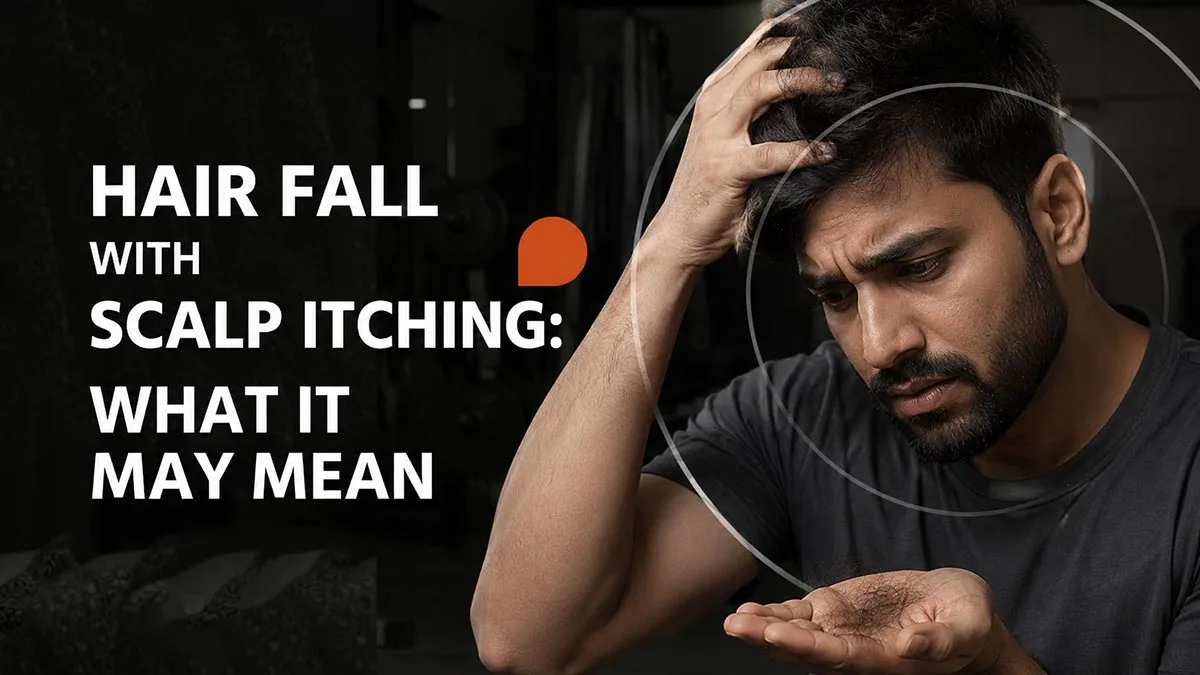
5099Finding a few extra strands of hair on your pillow is scary. When your head is also itching a lot, then it is completely normal to panic. While these two things might seem like different problems, they are almost connected.
Just think of your scalp as the soil in a garden and your hair as the plants growing on it. If the soil becomes dry or infected, the plants won't be able to survive and will die. An itchy scalp is simply your body's alarm bell, warning you that the "soil" needs attention before more hair is lost. Let us look at why this happens and how you can fix it easily.
Is Hair Fall With Scalp Itching Normal?
Every single person loses about 50 to 100 hairs a day. This is just how the body works, as old hair falls to make room for new hair.
However, if your hair is falling out in massive bunches and your head constantly itches, that is not normal. An itchy scalp is a clear sign that something is actively irritating your skin. If you ignore this irritation, the problem will only spread, making both the itching and the hair fall harder to stop.
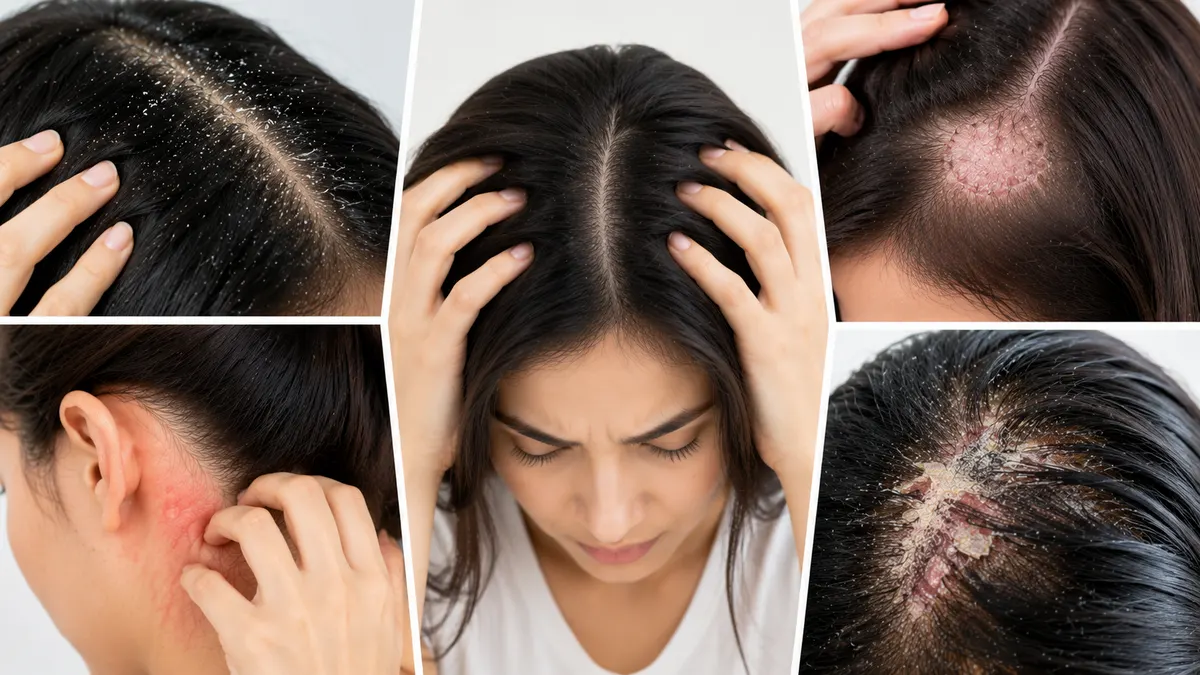
Common Reasons Behind Hair Fall and an Itchy Scalp
There are a few everyday reasons why your scalp might be acting up:
- Dandruff: This is the most common culprit. A mix of dead skin flakes and extra oil creates a highly itchy environment for your scalp. When you constantly scratch those white flakes, you physically break and pull out your hair.
- Fungal Infections: Sometimes, a simple fungal infection gets on the scalp. This causes intense itching, redness and actual patches of hair loss.
- Dry Scalp: Just like your face gets dry and tight in the winter, your scalp can lose its moisture, too. A dry, tight scalp feels incredibly itchy, and scratching it damages your weak hair roots.
- Allergic Reactions: Your favorite sweet-smelling shampoo or new hair dye might actually be full of harsh chemicals. These chemicals can trigger a burning, itchy allergic reaction that makes hair shed rapidly.
- Psoriasis and Eczema: These are common skin conditions that create thick, rough, and highly itchy patches on the scalp, which temporarily block normal hair growth.
- Product Buildup: If you use a lot of styling gels, hairsprays or thick oils and don't wash them out properly, they sit on your scalp. This sticky buildup clogs your hair pores and traps dirt, leading to massive irritation.
How Scalp Inflammation Affects Hair Growth?
Your hair roots need a calm, peaceful, and clean scalp to grow properly. When your scalp gets irritated, it becomes hot, red and inflamed.
This inflammation completely confuses your hair growth cycle. It forces healthy, growing hairs into the "shedding" phase way too early. The good news? This type of hair loss is usually temporary. Once you calm the skin down and remove the irritation, the hair roots wake up and start growing normally again.
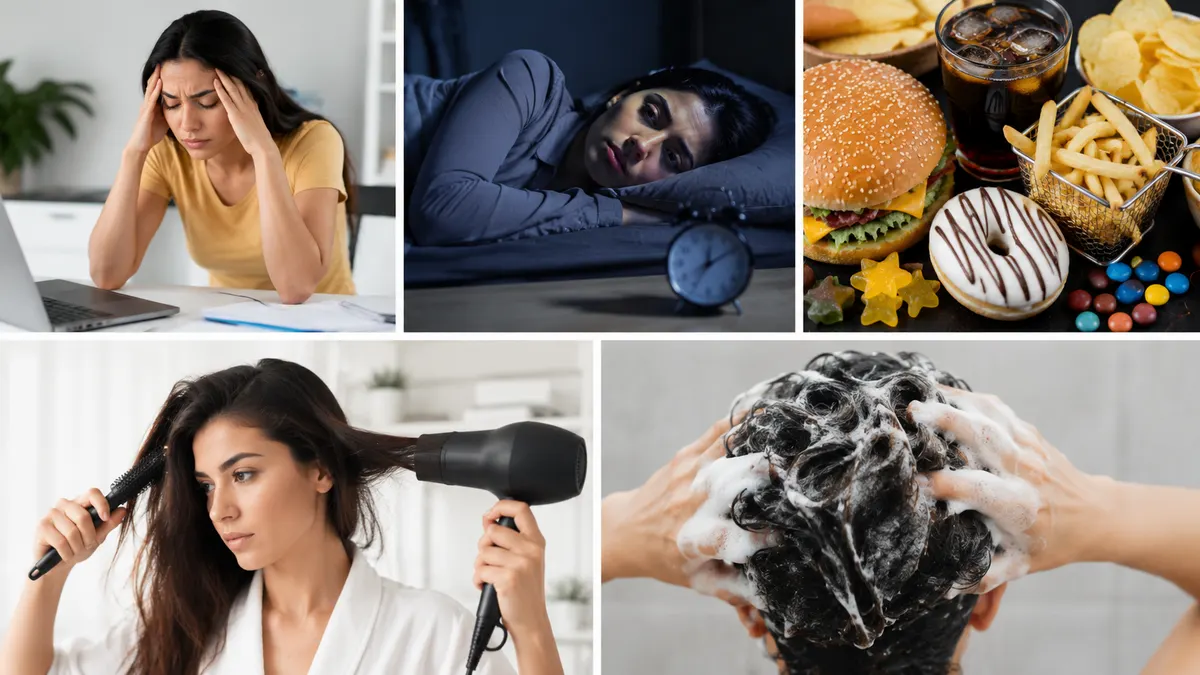
Lifestyle Habits That Can Make the Problem Worse
Sometimes, the problem is not even related to any medical condition; it's just our daily habits that are hurting our scalp.
- High Stress and Poor Sleep: Keep on worrying and not getting enough sleep causes a hormonal imbalance. This makes your skin highly sensitive and triggers heavy hair fall.
- A Bad Diet: Your hair is made of protein. If you live on junk food and don't eat enough vitamins, your hair roots become weak.
- Excessive Heat Styling: Using blow dryers, curling irons and straighteners every single day literally burns your scalp and dries out your hair.
- Using Harsh Shampoos: Washing your hair with cheap, strong chemical shampoos damages all your scalp's natural protective oils, leaving it raw and itchy.
- Poor Scalp Hygiene: Waiting too long between hair washes lets sweat, dirt, and dead skin pile up, creating the perfect home for bacteria.
Ayurvedic Perspective on Hair Fall With Scalp Itching
Ayurveda looks at hair fall very simply. It believes that what happens in your head is just a reflection of what is happening inside your stomach and your mind.
- Too much body heat (Pitta): When you eat highly spicy food, get very angry or experience massive stress, your internal body heat rises. This excess heat travels to your scalp, causing redness, burning, and sudden hair fall.
- Too much heavy moisture (Kapha): When your body becomes sluggish, it creates extra oil in your scalp, which leads to sticky dandruff, blocked pores and intense itching.
Hence, Ayurveda does not focus on treating the external symptoms alone; it uses a deep approach that treats the problem from the root. It recommends eating cooling foods, improving your digestion, and keeping your mind calm to naturally clear the scalp from the inside out.
Doctor’s Note
While mild scalp irritation and gradual hair shedding are often tied to hygiene or temporary imbalances, sudden or severe symptoms require clinical evaluation. If you experience hair falling out in distinct, smooth bald patches or notice intense scalp pain, swelling, oozing sores, or thick, painful crusting, do not rely on lifestyle changes or generic hair products. These are critical red flags for conditions like alopecia areata, scarring alopecia, or severe infections that need a dermatologist's evaluation and targeted medical treatment to prevent permanent hair follicle damage.
Can Hair Grow Back After Treating the Cause?
Yes, absolutely!
If you catch the problem early and stop the irritation, your hair roots will recover, and the hair will slowly start to grow back. However, you must remember that hair grows very slowly, only about half an inch a month. It will take a few months to see noticeable thickness again. You just need to be patient, stay consistent with your clean habits, and trust your body to heal.

Simple Ways to Care for an Itchy Scalp
You do not need an expensive salon treatment to calm your scalp down. Just follow a few gentle rules:
- Wash gently: Use a mild, chemical-free shampoo. If you have dandruff, use a gentle anti-dandruff wash recommended by a doctor.
- Stop scratching: This is the hardest but most important rule. Keep your sharp nails away from your head. If you must massage your scalp, use the soft pads of your fingertips.
- Rinse properly: Take an extra minute in the shower to make sure every last drop of shampoo is washed out of your hair.
- Don’t use harsh chemicals: Stop using heavy styling gels, dry shampoos, and sticky hair sprays until your scalp is completely healed.
Daily Habits for a Healthy Scalp and Strong Hair
The best way to prevent itching and hair fall is to build a few simple, solid habits into your daily life:
- Eat for your hair: Load your plate with lean protein, lentils, fresh green vegetables, nuts, and seeds.
- Drink more water: Keep yourself hydrated throughout the day, as if you stay hydrated, it will directly help your scalp to stay happy.
- Manage your stress: Try to calm your mind by doing some breathing exercises, yoga practices and meditation.
- Wash smart: Don't wash your hair so much that it gets dry, but don't leave it so dirty that it gets itchy. Find the perfect balance for your specific hair type.
When To Seek Medical Help?
You should definitely visit a skin doctor immediately if you notice the following symptoms:
- A lot of itching.
- Your skin turns red, swells and hurts when you touch it.
- Sores that leak pus or form thick yellow crusts.
- Suddenly, totally smooth bald patches on your head.
- Hair falling out in massive, scary clumps.
The Bottom Line
An itchy scalp and falling hair are simply your body’s way of asking for balance. By treating your scalp like the soil of a garden, you can easily restore its health. Whether you adjust your daily diet, lower your stress, or explore traditional Ayurvedic formulations to gently cool and cleanse the roots, true healing starts from within. Be patient, keep your routine clean, and your hair will naturally grow back stronger.
Reference’s
Hair Loss: Common Causes and Treatment - PubMed
Psychology of Hair Loss Patients and Importance of Counseling - PMC