 Published on
08 Aug, 2026
Published on
08 Aug, 2026 Updated on 08 Aug, 2026
 5067
5067Indian food items and meal variations are widely known and enjoyed throughout the world. The plates look colourful, delicious, and totally full. But there is always a health implication to a beautiful-looking meal; there are factors and nuances that influence how healthy or unhealthy that meal proves to be for the body.
Dinner is that meal of the day we need to be the most cautious about, as going to bed with a bloated stomach will significantly reduce the quality of sleep and energy levels the next day.
In order to understand the Ayurvedic perspective on dinner, it’s important to assess what is actually being eaten by people today in the Indian diet.
Ayurvedic Thoughts On Dinner
Dinner in Ayurveda is not an independent entity that needs to be performed in isolation from the rest of the day. A dinner is meant to function in alignment with the stages and cycle of digestive fire while also completing the nutrition profile obtained from the other meals of the day.
The digestive fire is at its weakest during the nighttime, so the ability of our body to break down food and absorb its nutrients falls significantly as the sunset arrives. The undigested food stays longer inside the body than it was meant to be, forming toxins (Ama) and abnormalities. These toxins further go on to cause serious, chronic metabolic conditions like diabetes and obesity.
The Nighttime Sugar Crash
When you sit down to a dinner consisting of three or four rotis, a small bowl of potato and cauliflower, and a serving of dal, your digestive system immediately gets to work breaking down the dominant macronutrient: carbohydrates. Wheat, rice, and even potatoes all convert to glucose in the bloodstream. Because this typical plate is overwhelmingly carbohydrate-heavy, it sends a huge wave of glucose into your blood all at once.
Your pancreas responds by releasing insulin, the hormone responsible for unlocking your cells to let the glucose in. But late in the evening, our bodies are naturally preparing for sleep, and our insulin sensitivity is lower than it is in the morning. The result is a severe blood sugar spike followed by an overcorrection crash. This crash is what causes you to wake up feeling slow, drives that intense late-night craving for something sweet, and, over time, steadily increases fat storage around the abdomen.
The Illusion Of Protein In Indian Diet
One of the most persistent myths in the Indian diet is that a bowl of dal provides all the protein you need for a meal. Lentils are wonderful, nutrient-dense foods, but they are technically a carbohydrate source that happens to contain some protein. A standard bowl of cooked yellow dal might give you 6 to 8 grams of protein, but it brings along roughly 20 to 25 grams of carbohydrates.
When we rely on dal as our primary protein, we inadvertently stack carbs on top of carbs (roti + dal + potato sabzi). This "protein illusion" leaves the plate highly imbalanced. True protein sources, which keep you full, stabilise blood sugar, and preserve muscle mass, need to take a more prominent, deliberate place on the dinner table.
Doctor’s Note
While balancing your plate is universally beneficial, diabetes is a complex condition. The advice here is meant to empower your daily choices, but it does not replace the specific, individualised guidance of your endocrinologist or registered dietitian. Medication timing, specific metabolic conditions, and existing blood sugar baselines all require professional monitoring.
The Ratio for the Indian Plate
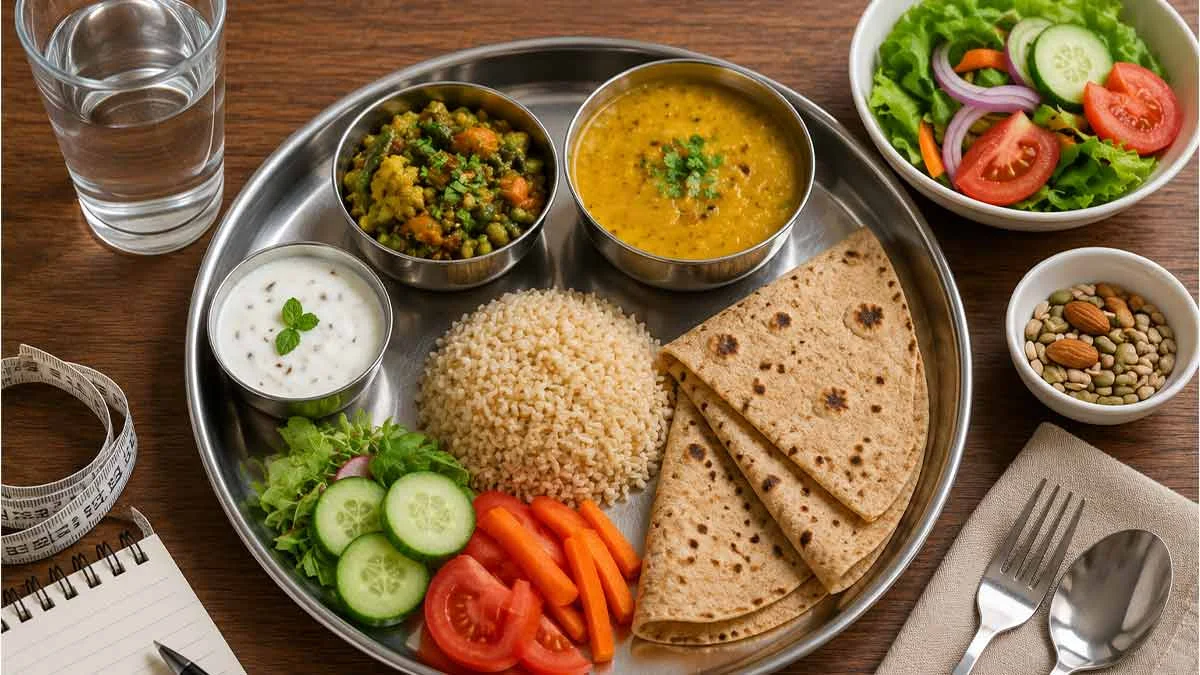
Lack of portion control is one of the most prevalent issues in Indian meals. To control weight and manage diabetes, we have to flip the geometry of the traditional thali. You don't need to eat different food; you just need to eat different proportions of the same food.
Reconsidering the Portions in Indian Plates
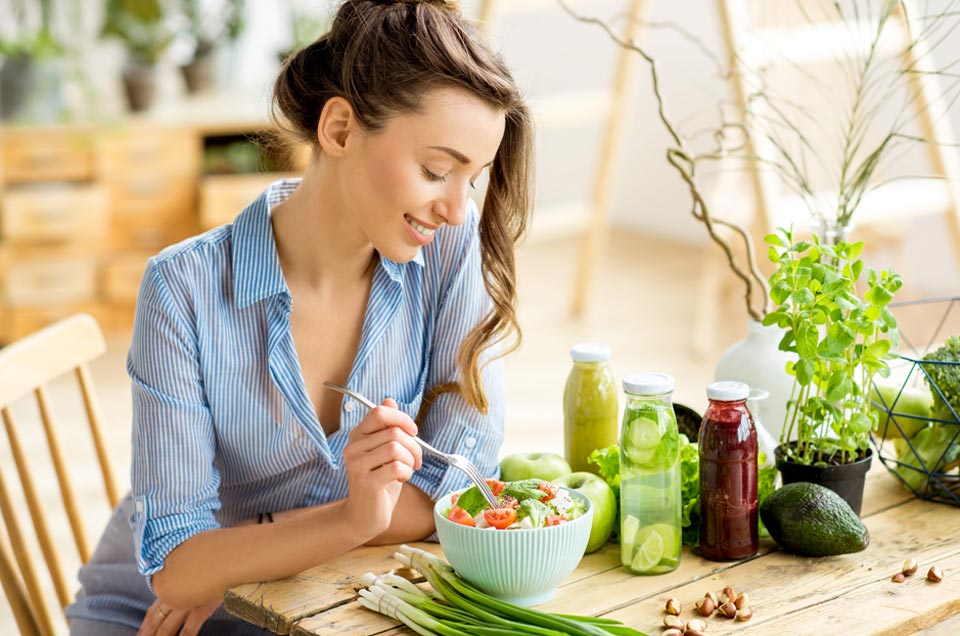
If you divide your dinner plate into imaginary sections, here is how the space should be allocated for optimal blood sugar control:
- Half the plate belongs to fiber: This means non-starchy vegetables. Bhindi (okra), palak (spinach), baingan (eggplant), or a massive serving of cucumber, tomato, and onion salad. Fiber acts like a physical net in your stomach, which slows down the release of glucose into your bloodstream.
- One-quarter belongs to dense protein: If you are vegetarian, this means paneer, tofu, tempeh, or a thick, sprout-based salad.
- One-quarter belongs to complex carbohydrates: This is where your roti, rice, or dal fits. Limiting this to 25% of the plate (usually 1 or 2 rotis, or a small bowl of rice) gives you the cultural satisfaction and energy without the metabolic overload.
Beware the Hidden Sugar Traps
Even a perfectly balanced dinner can be undone by what happens immediately before or after it. In many Indian households, dinner is accompanied by hidden metabolic hazards.
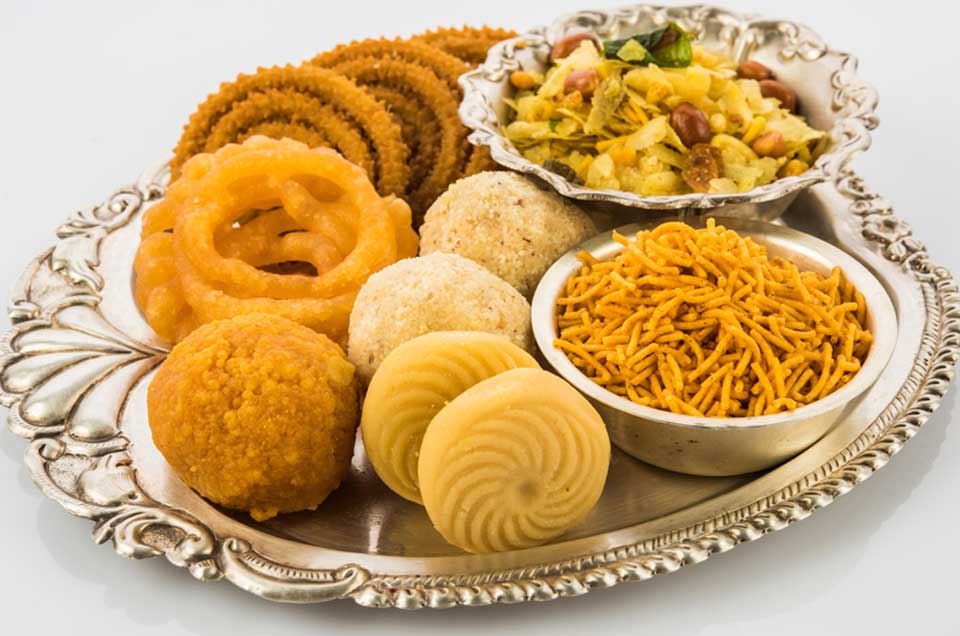
The sweet pickles (murabba) or store-bought chutneys sitting quietly on the side of the thali are often loaded with refined sugar. More dangerous is the post-dinner ritual of “let's have something sweet”. A small piece of jaggery or a single gulab jamun eaten at 9:30 PM will force your pancreas to work overtime just as your body is trying to shut down for restorative sleep. If you need a palate cleanser, opt for a few roasted fennel seeds (saunf) without the sugar coating.
Reclaiming the Dinner For Optimal Health
Auditing your dinner plate doesn't mean eating boiled vegetables and feeling deprived while your family enjoys a feast. It means being strategic. It means taking an extra serving of the palak paneer and one less roti. It means eating your vegetables before you touch the rice. By making these quiet, powerful adjustments to the geometry and sequence of our traditional meals, we can enjoy the foods we love while protecting our bodies for the future.
References:
A comparison of the Indian diet with the EAT-Lancet reference diet - PMC
The Best Indian Diet Plan for Weight Loss
Protein intakes in India - PubMed
Protein Energy Malnutrition in India: The Plight of Our Under Five Children - PMC