 Published on
25 Jul, 2026
Published on
25 Jul, 2026 Updated on 25 Jul, 2026
 5071
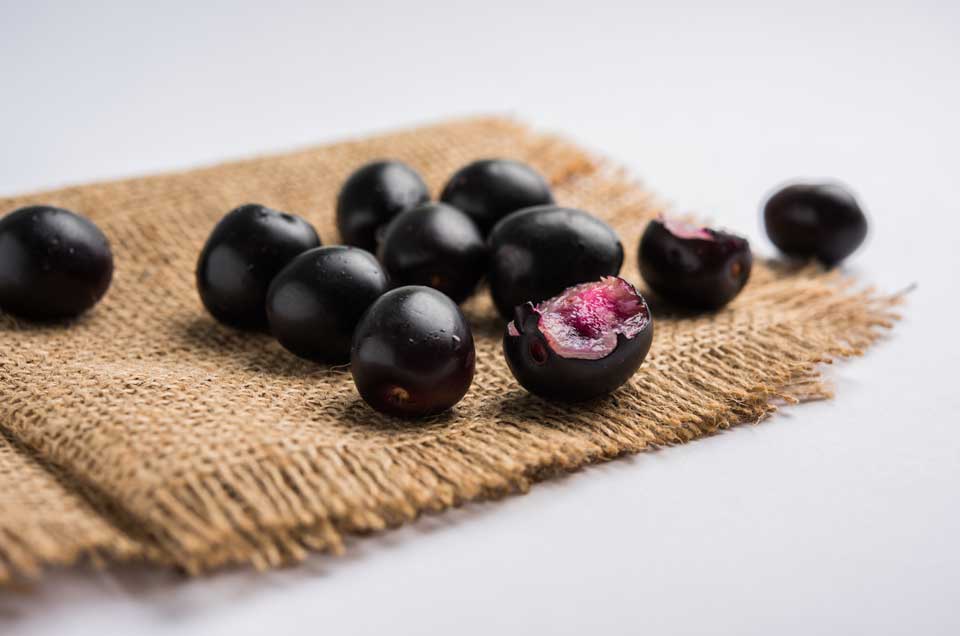
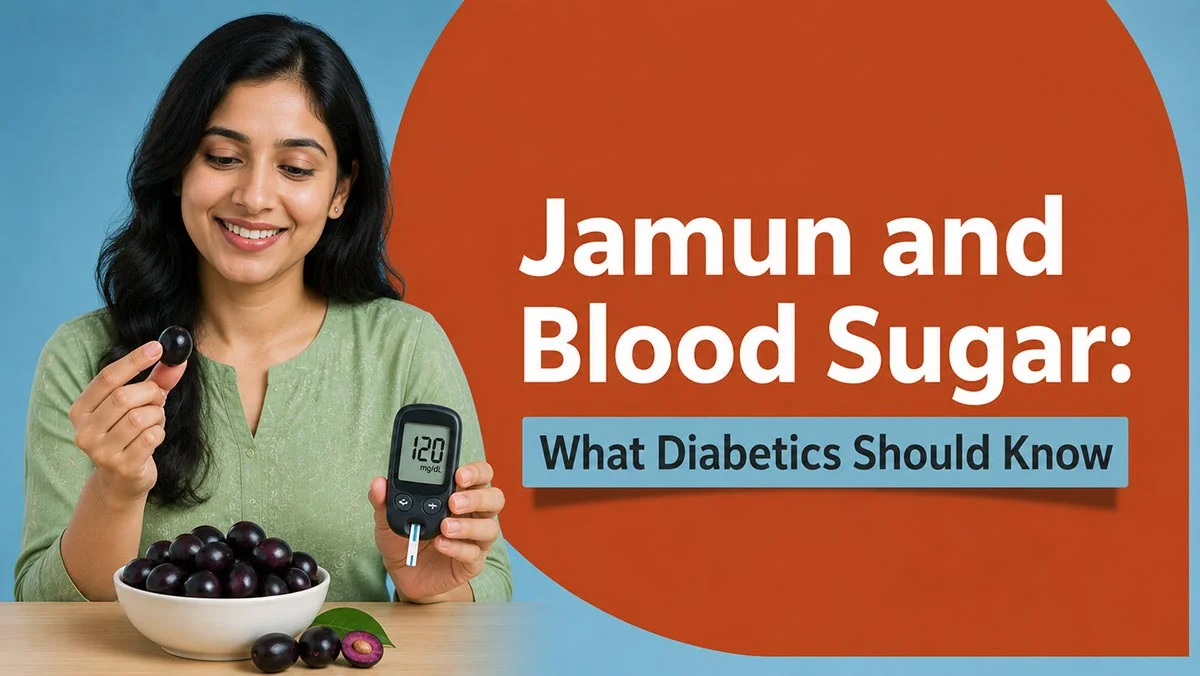
5071We have all been there. The heavy summer heat sets in, and the local markets suddenly overflow with small, deep-purple berries. You have recently been diagnosed with diabetes or prediabetes, and every well-meaning aunt and neighbor tells you the exact same thing: "Eat Jamun! It is a miracle cure for blood sugar!"
Eager to find a natural solution, you buy a massive basket of the fruit. You snack on them all afternoon, perfectly content, thinking you have finally found a sweet treat that actually heals you. Or perhaps you go a step further, buying jars of Jamun seed powder online, taking large spoonfuls every single morning, expecting your HbA1c to plummet overnight. But a few days later, your blood sugar is wildly unpredictable. Worse, your stomach is cramping, you are horribly constipated, and your throat feels scratchy and dry.
The danger of elevating any natural food to a "miracle superfood" status is that we completely forget it is actually potent medicine. The frustration of trying to heal yourself naturally, only to end up with severe digestive distress, leaves thousands of people completely baffled. If Jamun is the ultimate diabetic cure, why is your body reacting so poorly? Let us break it down simply using the timeless wisdom our grandmothers relied on long before continuous glucose monitors existed.
It is a Sponge, Not Just a Fruit
Before we talk about how to actually use Jamun to your advantage, we have to clear up a massive piece of confusion about what this purple berry actually does inside your system.
Modern marketing labels Jamun (the Indian Blackberry or Black Plum) as a simple "hypoglycemic" fruit. But in traditional Indian medicine, Jamun isn't viewed just for what it takes away (sugar); it is viewed for its incredibly strong energetic properties. Jamun is intensely Sheetala (cold), Ruksha (dry), and Kasaya (astringent).
Think of a damp, heavy, sticky swamp. In Ayurveda, high blood sugar (Prameha) is exactly that, a condition of excess Kapha (water and earth) where the tissues become heavy, and the blood becomes sticky with undigested, sweet waste. Jamun acts as a massive, dry sponge. Its astringent nature actively scrapes the sticky sugar out of the bloodstream and dries up the excess moisture.
The Dryness Trap: When the Sponge Works Too Well
If your blood sugar is high but your body is naturally thin, anxious, and prone to dryness, taking large amounts of Jamun can actually severely damage your system.
- The feeling: After a few days of eating Jamun or taking the powder, you experience severe constipation, loud gas, a rough, dry throat, and a feeling of lightheadedness.
- The reality: You have fallen into the Vata trap. Because Jamun is so aggressively drying and cooling, it doesn't just dry up the sticky sugar; it dries up everything. It absorbs the natural lubricating oils in your colon, turning your digestion to concrete. The extreme coldness puts out your digestive fire (Agni). Your blood sugar might temporarily drop, but you have shattered your digestive system in the process.
The Flesh vs. The Seed: Where the Magic Actually Lives
What if you are eating bowls of the fresh fruit, but your morning fasting blood sugar hasn't dropped a single point? You are likely focusing on the wrong part of the plant.
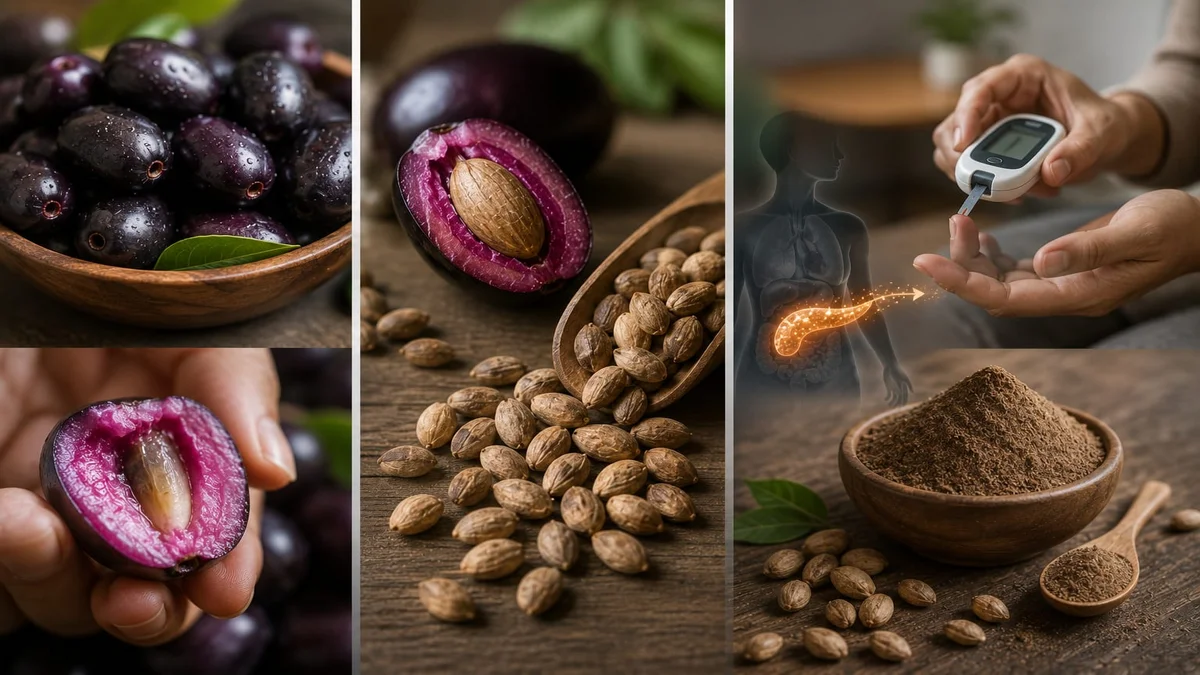
- The reality: While the purple, fleshy fruit is delicious, cooling in the summer, and packed with Vitamin C, the true, potent anti-diabetic medicine lives inside the hard, bitter pit. The seed (Jambu Beej) contains active biochemical compounds (like jamboline and jambosine) that specifically slow down the rate at which carbohydrates are converted into glucose.
- The consequence: Eating the sweet flesh will not instantly cure diabetes. In fact, overeating the sweet fruit can still spike your sugar if you aren't factoring it into your daily carbohydrate load. The heavy lifting for metabolic control is done by the dried, powdered seed.
The Sudden Crash: Metabolic Confusion
One of the most terrifying things that can happen when introducing powerful medicinal herbs is a sudden, extreme drop in blood sugar (hypoglycemia).
- The feeling: You take your morning Jamun powder, go about your day, and suddenly you are shaking, sweating, your heart is racing, and you feel like you are going to faint.
- The reality: Your body is highly responsive. If you are already taking prescribed medications that push your blood sugar down, and you add a powerful herbal scraper like Jamun on top of it, you force the body to pull too much glucose out of the blood too quickly. Your brain detects starvation and triggers a massive panic response. You cannot stack medicines blindly without expecting a chaotic reaction.
The Liver Connection: Beyond Just Blood Sugar
While everyone focuses on Jamun's ability to lower glucose, they completely miss its most vital, traditional function: it is a deep cleanser for an overheated, sluggish liver. In traditional medicine, the liver is the primary organ responsible for managing heat (Pitta) and filtering toxins from the blood. When you eat heavy, sweet, or processed foods, the liver becomes congested and "hot." You might have been struggling with a sluggish metabolism, frequent summer skin breakouts, and a constant feeling of heaviness, even when your blood sugar is technically in a normal range. Jamun’s intensely cooling and scraping nature acts like a stiff wire brush on a greasy pan. It gently stimulates the liver, encouraging it to release trapped heat and clear out old bile. In many ways, managing blood sugar is just a natural, secondary benefit of finally having a clean, highly functioning liver.
The Joint Pain Paradox
If you have been using Jamun powder daily and suddenly feel like you have aged ten years overnight, you are experiencing the energetic clash of extreme dryness. You might wake up with knees that crack loudly when you walk, a lower back that aches with a dull, stiff pain, or knuckles that feel inexplicably tight, even if you have never had arthritis before. Remember that Jamun is intensely Ruksha (dry). The human body requires a certain amount of healthy, internal lubrication to keep the joints gliding smoothly and to keep Vata dosha grounded. When you consume large amounts of a heavily astringent fruit or powder, it certainly scrapes away the sticky sugar in your blood, but it also aggressively scrapes away the protective fluids surrounding your joints. If your body naturally leans toward being dry, thin, and cold, Jamun must be used very cautiously and always paired with healthy fats in your diet to protect your structural framework.

The Bark vs. The Berry: The Forgotten Medicine
The modern wellness obsession is entirely focused on the fruit and the seed, but traditional Ayurvedic texts often point to a completely different part of the Jamun tree for severe, stubborn conditions. Long before powdered seeds were mass-produced and sold in plastic jars online, traditional healers heavily relied on the bark of the Jamun tree. The bark is significantly more astringent and powerful than the seed itself. It was traditionally boiled into a strong, bitter decoction (Kadha) specifically to treat severe, chronic diarrhea, bleeding gums, and the excessive, unquenchable thirst that is a major hallmark of unmanaged diabetes. While the sweet fruit is a gentle, seasonal food, and the seed is a daily metabolic aid, the bark is considered heavy-duty, clinical medicine. It serves as a powerful reminder that every part of a plant carries a different potency, and the strongest parts should never be consumed casually without the guidance of an experienced practitioner.
Daily Mistakes Fueling the Problem
Even if your body type perfectly matches the need for Jamun, you can still get it completely wrong if you aren't careful. Watch out for these subtle daily traps:
- The Milkshake Mistake: Blending Jamun with milk to make a smoothie is a massive violation of traditional food combining (Viruddha Ahara). Mixing sour, astringent fruits with dairy immediately curdles in the stomach, creating highly toxic, sticky waste (Ama) that actually causes metabolic sluggishness and skin allergies.
- Eating it on an Empty Stomach: Waking up and eating a bowl of cold Jamun on an empty stomach is incredibly harsh on your morning digestive fire. The extreme cold and astringency will cause instant abdominal cramping and acid reflux.
- Ignoring the Seasons: Nature provides Jamun at the peak of the blazing summer for a reason: to cool the body down. Taking heavy doses of cooling Jamun powder in the dead of freezing winter traps coldness in the lungs, making you highly susceptible to wet coughs and chest congestion.
Ayurvedic Support for Maximum Benefit
We do not need to avoid Jamun out of fear, but we must use it with deep respect for its power. Our traditional practices hold the perfect balancing acts to ensure you get the metabolic benefits without the digestive destruction.
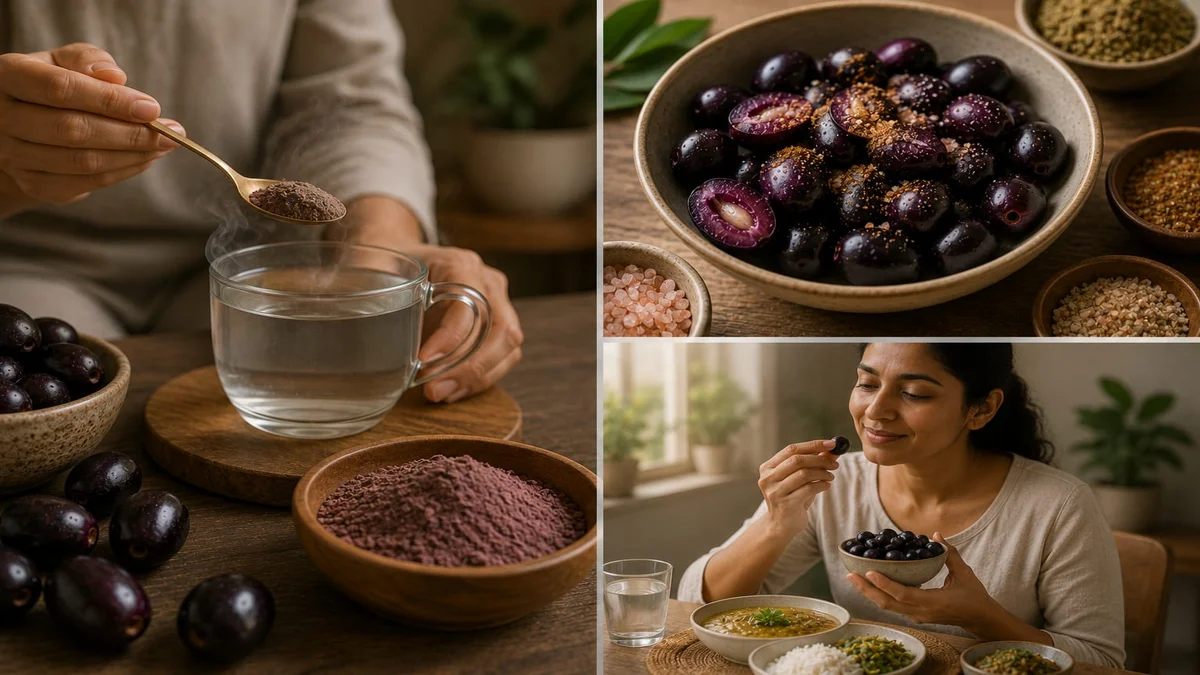
- The Warm Water Anchor: If you are taking Jamun seed powder (Jambu Beej Churna) for blood sugar management, never take it dry or with cold water. Always mix the half-teaspoon of powder into a cup of comfortably warm water. The warmth completely counteracts the extreme, damaging coldness of the seed, protecting your stomach.
- The Black Salt Trick: When eating the fresh summer fruit, always toss it with a small pinch of rock salt or black salt (Kala Namak) and roasted cumin powder. These warming, digestive spices instantly balance the cold, bloating nature of the fruit, making it incredibly easy for your gut to process.
- The Moderation Rule: Treat the fruit as a seasonal blessing, not an unlimited buffet. A small handful after a midday meal is plenty to satisfy a sweet craving and aid digestion without triggering constipation.
Doctor’s Note
While using traditional herbs to manage metabolism is an empowering and effective practice, diabetes is a serious, progressive condition that requires strict monitoring.
If you are a diagnosed diabetic currently taking prescribed insulin, Metformin, or other oral hypoglycemic medications, you cannot safely introduce daily doses of Jamun seed powder without consulting your endocrinologist. Because Jamun actively lowers blood sugar, taking it alongside modern medications drastically increases your risk of a severe hypoglycemic crash. Never abruptly stop your prescribed medications to switch to a purely herbal route without strict, professional medical supervision and daily glucometer tracking.
Conclusion
We spend so much time desperately searching for the ultimate, natural "cheat code" to our health that we forget that nature demands balance above all else. Just because a fruit grows on a tree does not mean you can consume it recklessly without consequence.
Your constipation, your stomach cramps, and your blood sugar fluctuations are a living, breathing message. They are asking you to respect the cold, drying power of this medicine; they are begging you to warm up your digestion, and they are reminding you that true healing requires the right tool at the exact right time. Listen to your body carefully. Honor the astringent strength of this beautiful summer berry, balance it with warmth, and remember that metabolic health is a gentle, lifelong balancing act, not a quick fix!
References:
Astounding Health Benefits of Jamun (Syzygium cumini) toward Metabolic Syndrome - PMC
Jamun for Diabetes: Benefits, Uses, Dosage & Precautions for Blood Sugar Control