 Published on
10 Aug, 2026
Published on
10 Aug, 2026 Updated on 10 Aug, 2026
 5078
5078When you open the digital portal to your lab results, you scroll past the relieving green text until you end up looking at a red "H" hovering next to terms like ALT, AST, or ALP under the Liver Function Test (LFT) section. Immediately, you start feeling the guilt of all the junk food you have consumed in the past.
Before you are lost in an anxiety-induced internet rabbit hole, take a deep breath. An abnormal Liver Function Test is rarely a sudden or urgent situation. Instead, it is a highly sensitive early warning system, illuminating long before the engine actually seizes, politely but firmly demanding your attention. It’s not telling you the car is ruined; it’s telling you it’s time to stop and change the oil.
The Importance Of Liver Function
To understand why your lab results are flashing red, you have to understand the sheer burden your liver carries every single day. Weighing in at about three pounds, it is the body's largest internal organ and undeniably its hardest-working.
The liver does not have the luxury of specialising in just one task. It is a detoxification plant, filtering every drop of blood that comes from your digestive tract before passing it to the rest of the body. It is a manufacturing hub, synthesising the proteins that allow your blood to clot and the cholesterol needed to build hormones. It is a storage warehouse, holding onto glycogen to release when your blood sugar dips.
When you live a modern lifestyle, one characterised by chronic stress, sleep deprivation, ultra-processed foods, environmental toxins, and sedentary habits, your liver is working triple shifts. An abnormal LFT is simply the liver’s way of finally filing a grievance with human resources.
Decoding the LFT Terminologies
When a doctor orders a "Liver Function Test," they aren't actually looking directly at the liver's function. Instead, they are measuring the levels of specific enzymes and proteins in your blood. Enzymes are the type of proteins that help to boost the speed of chemical reactions in the body. When liver cells are damaged, inflamed, or if they are dying faster than usual, they burst open, leaking these internal enzymes into your bloodstream.
- ALT (Alanine Aminotransferase): This is the most specific marker for liver distress. ALT is found primarily inside liver cells. When your ALT is elevated, it is a very strong indicator that liver cells are actively taking on damage and leaking.
- AST (Aspartate Aminotransferase): AST is also found in the liver, but it is also present in your heart, muscles, and kidneys. Because of this, AST alone isn't highly specific to the liver, but when looked at alongside ALT, it provides a powerful diagnostic ratio. A high AST/ALT ratio, for example, is often a hallmark of alcohol-induced liver stress.
- ALP (Alkaline Phosphatase): This enzyme is heavily concentrated in the bile ducts. While high ALT and AST point to cell damage, high ALP usually points to a traffic jam, a blockage, or sluggishness in the flow of bile.
- Bilirubin: This is not an enzyme, but a yellowish waste product created when your body breaks down old red blood cells. The liver is responsible for clearing it out. If your bilirubin is high, it means the liver's waste-disposal system is lagging, which is what causes the yellowing of the skin and eyes known as jaundice.
The Usual Suspects
When people hear "liver damage," the cultural reflex is to instantly blame alcohol. While heavy, chronic alcohol consumption is a well-known liver toxin, it is far from the only culprit, and today, it isn't even the most common one.
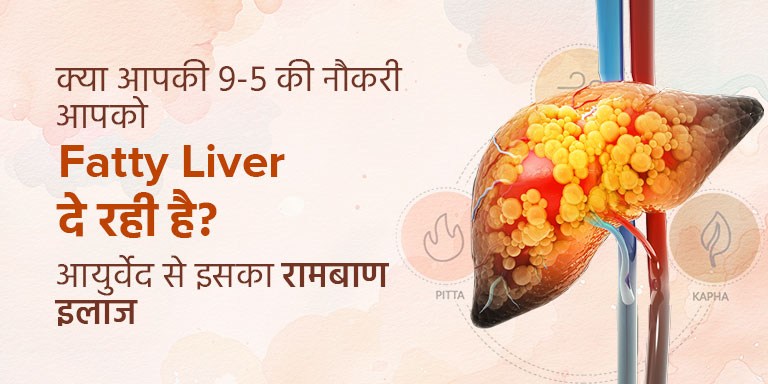
We are currently living through a silent epidemic of Non-Alcoholic Fatty Liver Disease (NAFLD), recently renamed MASLD (Metabolic Dysfunction-Associated Steatotic Liver Disease). This occurs when excess fat builds up in the liver of people who drink little to no alcohol. How does fat get there? Primarily through the chronic overconsumption of fructose and refined carbohydrates. The liver is tasked with metabolising fructose, and when overwhelmed, it simply converts the excess sugar into fat, packing it directly into the liver tissue. Over time, this fat suffocates the cells, causing inflammation and triggering an abnormal LFT.
Medications are another huge blind spot. Acetaminophen, certain statins, antibiotics, and even high doses of seemingly harmless herbal supplements like green tea extract or ashwagandha can be highly hepatotoxic depending on the individual's metabolic pathways.
The "Wait and Retest" Protocol
Your doctor's first reaction to a mildly elevated LFT will often be incredibly frustrating: they will likely tell you to do nothing and come back in a few weeks.
This isn't negligence; it's clinical wisdom. Liver enzymes are highly dynamic. A brutal flu virus, a single night of heavy binge drinking, an intense bout of heavy weightlifting, or a recent dose of antibiotics can cause a temporary, terrifying spike in your ALT or AST. If you retest 30 days later, the numbers have often been put back to baseline. Doctors are looking for a trend of chronic elevation, not just a snapshot of a bad week.
However, this waiting period is not permission to be passive. It is a critical window of opportunity to really clean up the inputs you are feeding your master chemist.
Dietary First Responders
If you want to pull your liver out of the fire while waiting for your follow-up test, you must focus on extreme metabolic rest and targeted nutritional support.
- Evict the Fructose: For the next 30 days, eliminate all added sugars, sodas, fruit juices, and highly processed carbohydrates. Force your liver to burn through its stored fat rather than constantly dealing with a tsunami of new sugar.
- The Zero-Tolerance Alcohol Policy: Even if you think your drinking is moderate, give your liver a total vacation. Alcohol forces the liver to drop all its other metabolic duties to clear the toxin.
- Embrace the Bitters: The liver and gallbladder thrive on bitter, sulfur-rich foods. Dandelion greens, arugula, radishes, broccoli sprouts, and garlic contain specific compounds that stimulate bile flow and upregulate the liver's phase-two detoxification pathways.
- Strategic Hydration and Fasting: Giving the digestive system a break by implementing a mild 12 to 14-hour overnight fast can be a good idea. Drink ample water with fresh lemon to support the flushing of water-soluble toxins.
When to Move Forward
While mild elevations are common, certain scenarios require immediate escalation rather than lifestyle tweaks. If your enzyme levels are in the thousands, if you notice the whites of your eyes turning yellow, if you experience severe right upper abdominal pain, or if you have dark, tea-colored urine, you bypass the lifestyle advice and go directly to an emergency room or a hepatologist.
Furthermore, a persistently abnormal LFT will eventually warrant an ultrasound of the liver to physically look for fat accumulation, tumors, or gallstones, as well as blood panels to check for Hepatitis B and C, which can quietly inflame the liver for decades without obvious symptoms.
The Ultimate Organ of Redemption
Getting an abnormal lab report is significant, but it is vital to remember the liver's defining characteristic: it is the only visceral organ in the human body with the capacity to fully regenerate.
You can lose up to 70% of your liver mass, and given the right environment and the removal of the toxins, it will grow back to its full size and function. An abnormal LFT is not a prophecy of doom. It is an invitation to radically respect the organ that has been quietly keeping you alive. Stop panicking, step away from the sugar and the alcohol, and give your body's master chemist the breathing room it needs to rebuild.
References:
Review Article Management of asymptomatic patients with abnormal liver function tests
Liver function tests (LFTs) are blood tests to check your liver health | healthdirect
Alanine Aminotransferase - an overview | ScienceDirect Topics
Alkaline Phosphatase: An Overview - PMC