 Published on
10 Aug, 2026
Published on
10 Aug, 2026 Updated on 10 Aug, 2026
 5059
5059Pain is one of the most common reasons people seek medical care. Whether it is a headache, back pain, stomach discomfort, or recurring muscle pain, the first thought is often simply How can I get relief? Pain relief can certainly make daily life easier, but reducing pain does not always mean the underlying problem has been treated.
Sometimes pain may only be temporary and can be remedied by adequate rest and a healthy lifestyle. However, it could also happen that pain that keeps coming back or pain that one cannot explain may be indicative of some other underlying disease which should be diagnosed. That is why pain identification and management go together.
Pain Is a Signal, Not Always the Disease
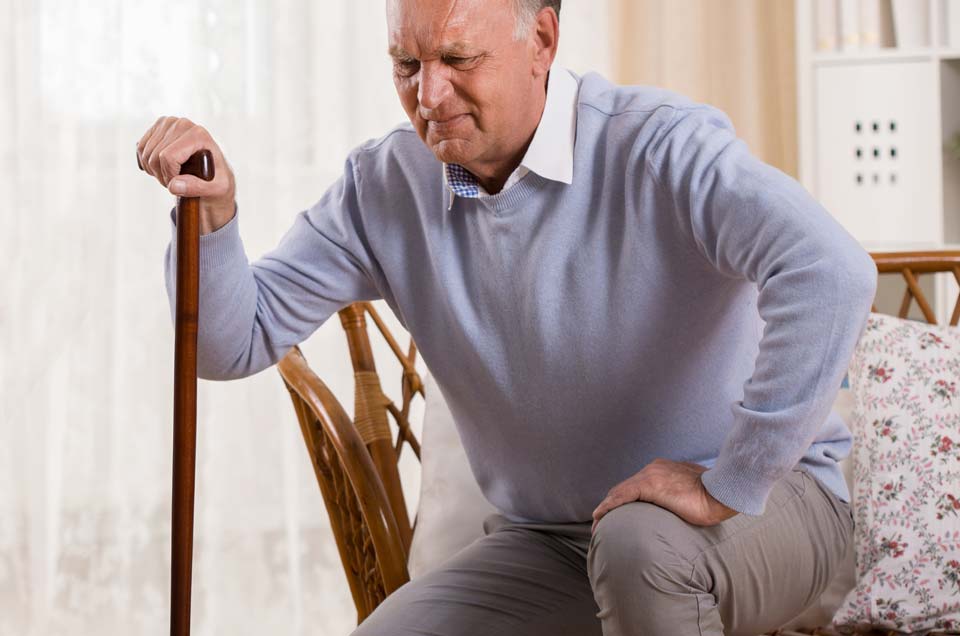
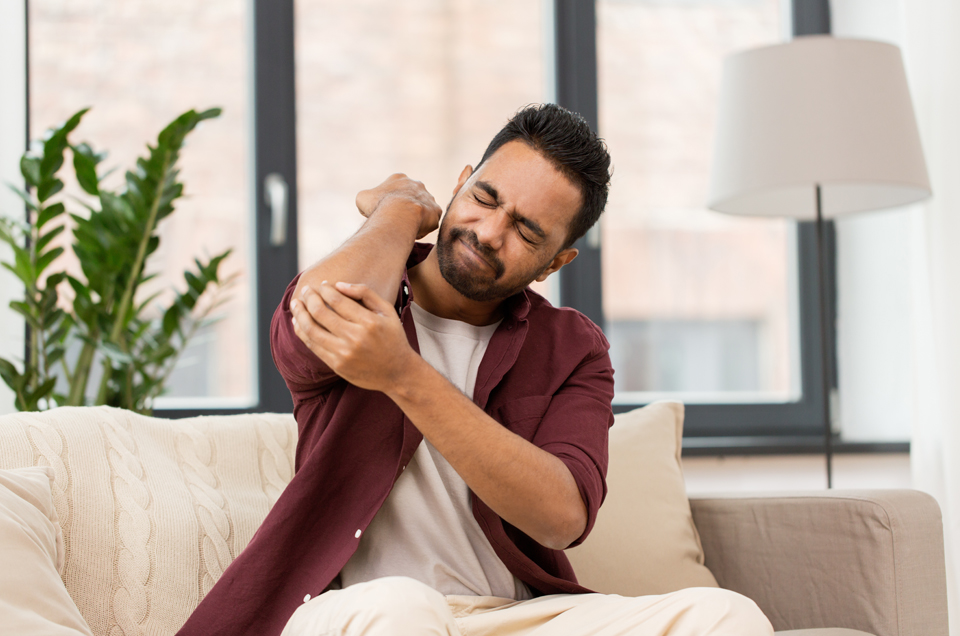
Pain is how our body signals us about a possible health issue that needs to be addressed. Pain can be caused by injury, inflammation, infection, muscle strain, nerve irritation, digestive problems, or many other issues.
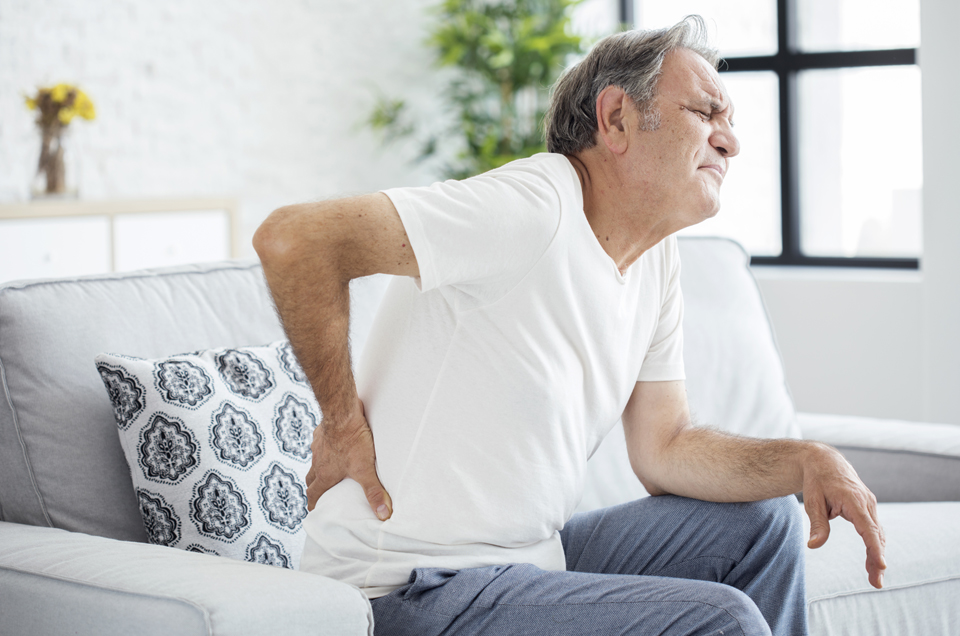
For instance, sitting in one position for long periods of time can lead to back pain. This can be managed with rest, gentle movement, physiotherapy, or other pain management
What really matters is: How do I get rid of the pain? and “What is causing this pain?”
Why Quick Pain Relief Can Sometimes Be Misleading
Medication that offers pain relief is capable of addressing symptoms, but this does not guarantee the treatment of the underlying cause of the symptoms. However, the use of pain medication does not necessarily make such medication either dangerous or unimportant. The use of pain medication becomes problematic only if it is used in cases where there is no knowledge of the cause of the symptoms.
For example, using over-the-counter medication to relieve constant stomach pain might lead to ignoring the need to identify an issue with digestion. The same applies to joint pain without assessing issues like swelling, inflammation, or limited movement.
When Should You Consider a Doctor Review?
Not all instances of pain need thorough testing. Instances of mild pain that can be easily traced to an activity or minor strain and get better with time may be managed through simple steps.
Instances where the following conditions are experienced should be tested medically:
- Where the pain recurs or gradually becomes persistent
- Where there is persistence even with adequate rest and management
- In cases where the pain is severe or starts suddenly without apparent cause
- When the pain disrupts your normal sleeping, working, walking, or eating
- When the pain is accompanied by fever, inexplicable loss of weight, persistent vomiting, swelling, or weakness
- Where there has been any significant injury
- Where there is accompanying numbness or tingling sensations
- Where there is need for frequent intake of pain relievers
The Importance of a Safe Doctor Review
A doctor does more than identify where the pain is located. A proper assessment considers the pattern, duration, severity, triggers, associated symptoms, medical history, medications, and lifestyle factors.
Depending on the symptoms, the doctor may recommend physical examination, blood tests, imaging, or other investigations. Importantly, not every person with pain needs every test.
A safe medical approach aims to answer three questions:
What could be causing the pain?
Is there anything serious that needs to be ruled out?
What treatment is appropriate for the particular person?
This approach helps avoid both unnecessary treatment and delayed diagnosis.
Be Careful With Self-Medication
There is an assumption that drugs sold over-the-counter must be safe for all individuals. However, it is not necessarily true.
Some people with specific illnesses may not respond to these medicines, while at times, they may interact with other medicines. Painkillers may also cause harmful side effects if taken inappropriately and excessively.
It is better to seek help from an expert regarding the medicine and the right dosage for this reason; hence, increasing the dosage or mixing up several medicines will only prove to be counterproductive.
Can Lifestyle Changes Help?
Yes, depending on the reason
Proper sleep, regular physical activity, maintaining a healthy weight, right posture, hydration, balanced nutrition, and stress management can support overall well-being and may help with some types of recurring pain.
However, lifestyle measures should not be used to delay medical assessment when warning signs are present.
Where Can Ayurveda Fit In?
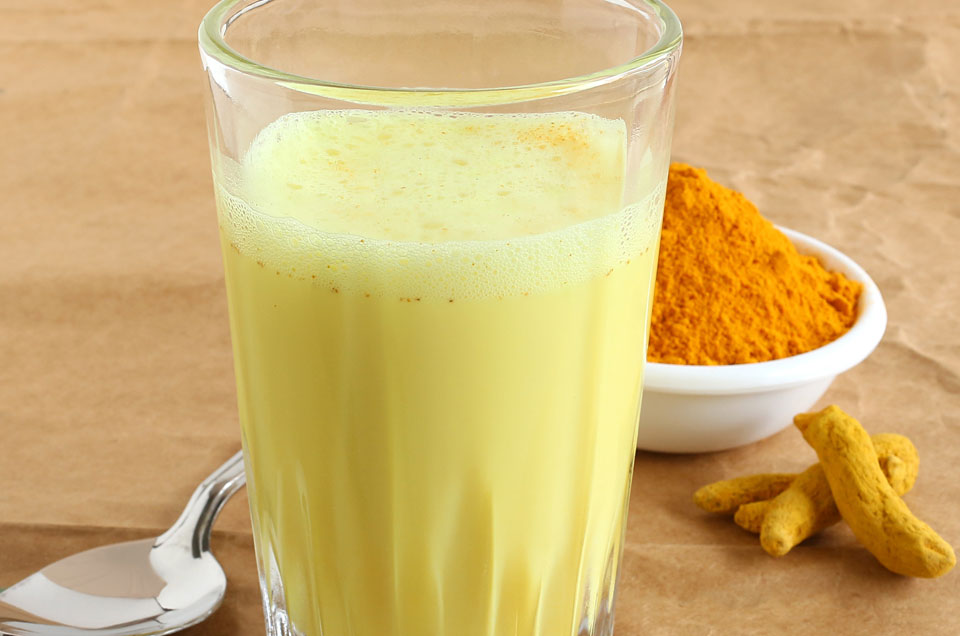
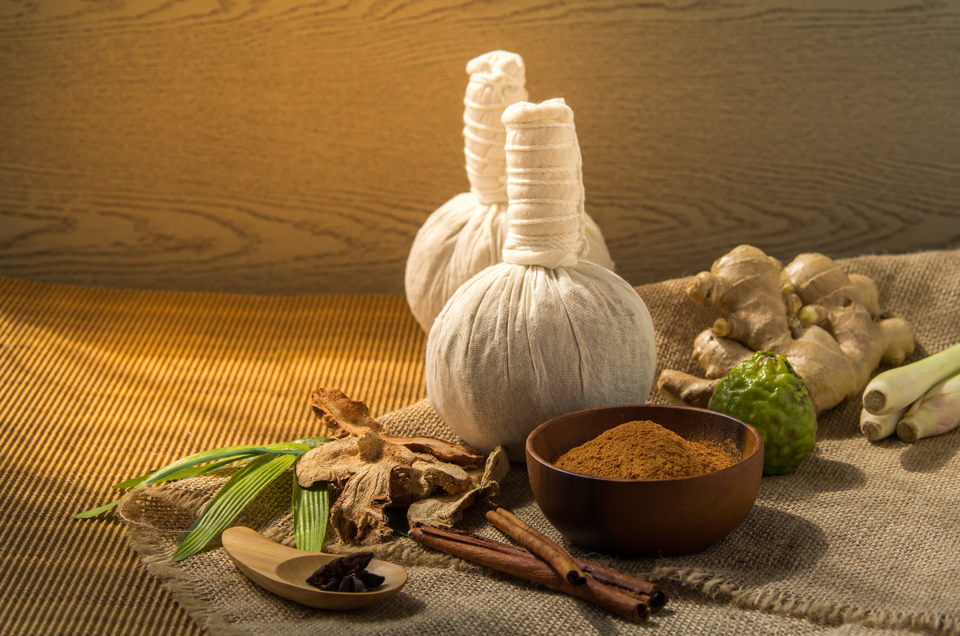
Traditionally, Ayurveda evaluates symptoms from the perspective of the patient's diet, lifestyle, digestive health, physical activity, and body type. Yoga, healthy diet, massage, and other Ayurvedic modalities could also be regarded as supportive treatment methods for certain diseases.
Still, any pain that is prolonged and has no clear reason needs to be evaluated in a correct way. In addition, Ayurvedic treatment needs to be personalized and coordinated with a professional practitioner, especially when a person takes prescribed drugs or suffers from a disease.
Natural products do not necessarily mean that they are safe.
Treat the Person, Not Just the Pain
Pain relief is important because uncontrolled pain can affect sleep, movement, mood, productivity, and quality of life. But successful care should ideally go beyond temporary pain disappearance.
The goal should be to understand the cause, manage the symptoms safely, address contributing factors, and monitor recovery.
If pain keeps returning, becomes progressively worse, or comes with unusual symptoms, don't simply keep reaching for another painkiller. A timely doctor review can help determine whether the pain is a minor temporary problem or a symptom that deserves further attention.
Relief matters, but finding the reason behind the pain matters too.
References
“Pain Relief is an Essential Human Right”, We Should be Concerned about It - PMC
CDC Clinical Practice Guideline for Prescribing Opioids for Pain — United States, 2022 | MMWR