 Published on
01 Aug, 2026
Published on
01 Aug, 2026 Updated on 01 Aug, 2026
 5079
5079Menopause sleep problems are among the most commonly reported health issues for women worldwide. In recent years, reports of chronic sleep disruptions have been increasing, particularly in fast-paced urban populations. Many women expect menopause to arrive with obvious, heavily discussed warning signs like hot flashes. But menopause-related sleep disturbances usually do not work that way. In the early stages, often during perimenopause, these disruptions develop very quietly. Some symptoms seem so mild that it is easy to mistake them for normal aging, job stress, or a temporary bout of insomnia. As a result, many women delay seeking help until their sleep debt has already grown.
The Menopause Transition: What is It and Why Does It Affect Sleep?
Menopause is the end of the reproductive life of a woman when she has had no menstrual period for 12 consecutive months. Menopause is significant for the functioning of the body because the production of two important hormones, which affect many functions such as mood and body temperature, is dramatically decreased by the ovaries. In addition, progesterone has a calming effect on the brain, causing drowsiness.
With age, women go through perimenopause and menopause itself, during which the hormones decrease and fluctuate. Changes in sleep do not automatically indicate something terrible. Nevertheless, it should be emphasized that changes in your sleeping habits need to be discussed with a doctor because they might not be considered normal aging.
Why Menopause Sleep Problems Often Go Unnoticed
One reason menopause-related sleep problems often go unnoticed is that they may not cause obvious, dramatic disruptions during their early stages. Many early hormonal shifts cause minor wakefulness that does not immediately ruin your day, allowing the sleep debt to grow silently. As a result, many women feel relatively healthy and only realize how exhausted they are when the fatigue becomes overwhelming.
Even when symptoms do appear, they often resemble those of common conditions such as generalized anxiety, chronic stress, or standard aging. Because these symptoms can seem mild or stress-related, many women delay seeking medical advice, assuming they just need to "push through it."
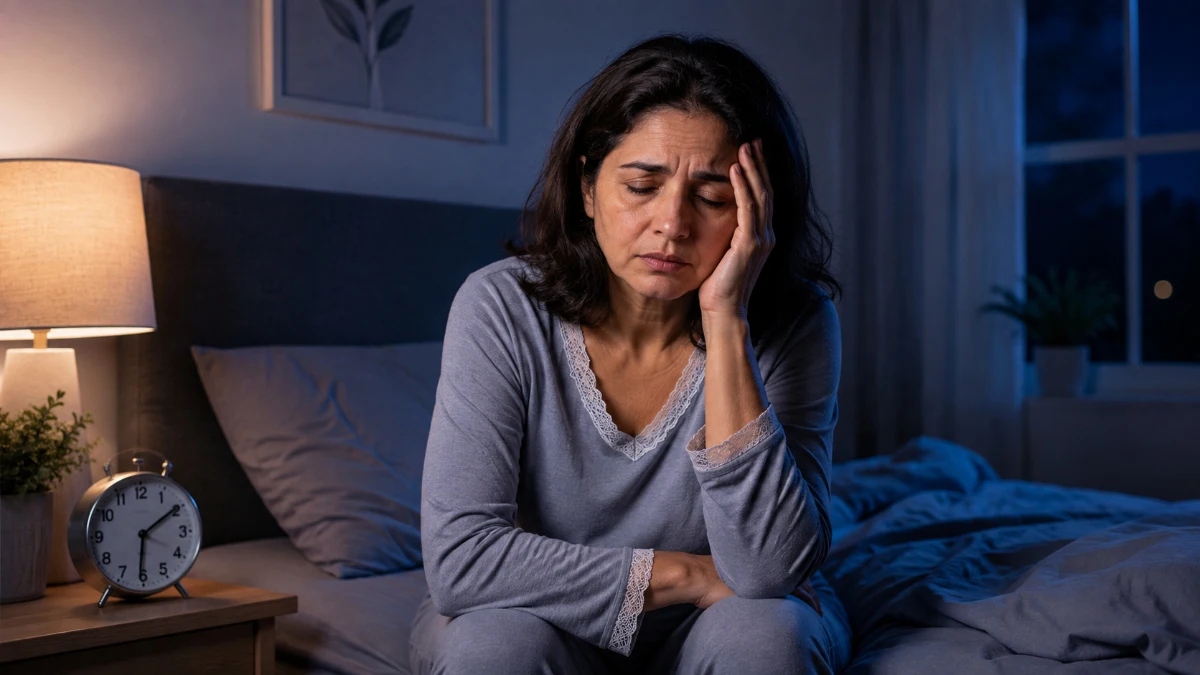 Early Signs of Menopause Sleep Issues Women Often Ignore
Because hormonal changes affect the brain's sleep centers and temperature regulation, early physical hints of trouble usually show up in your nighttime habits. Here are the everyday changes worth talking about with your doctor.
Waking Up in the Middle of the Night
Waking up two, three, or more times during the night is easy to ignore. While sleep architecture naturally changes as we age, a steady increase in nighttime awakenings that lasts for weeks or months should not be brushed aside. Often, this happens right before a hot flash, even if you don't feel fully overheated.
Difficulty Falling Asleep
Do you lie in bed, waiting for several minutes or hours for sleep to begin? This delay happens when dropping progesterone levels leave the brain feeling more alert and anxious. It develops so slowly that women simply adjust their routines around it, ignoring that their body is struggling to initiate a basic function.
Waking Up Unrefreshed
Think about your energy levels when you wake up compared to a few years ago. Waking up feeling noticeably exhausted, lacking energy, or feeling groggy without warning is a classic sign of poor sleep quality. While a demanding lifestyle is a common cause, menopause can cause the exact same lack of restorative sleep.
Night Sweats
There is a big difference between sleeping warmly and waking up drenched in sweat. An occasional warm night can happen from heavy blankets, but repeated episodes of sudden, intense heat that force you to kick off the covers point to vasomotor symptoms that need attention.
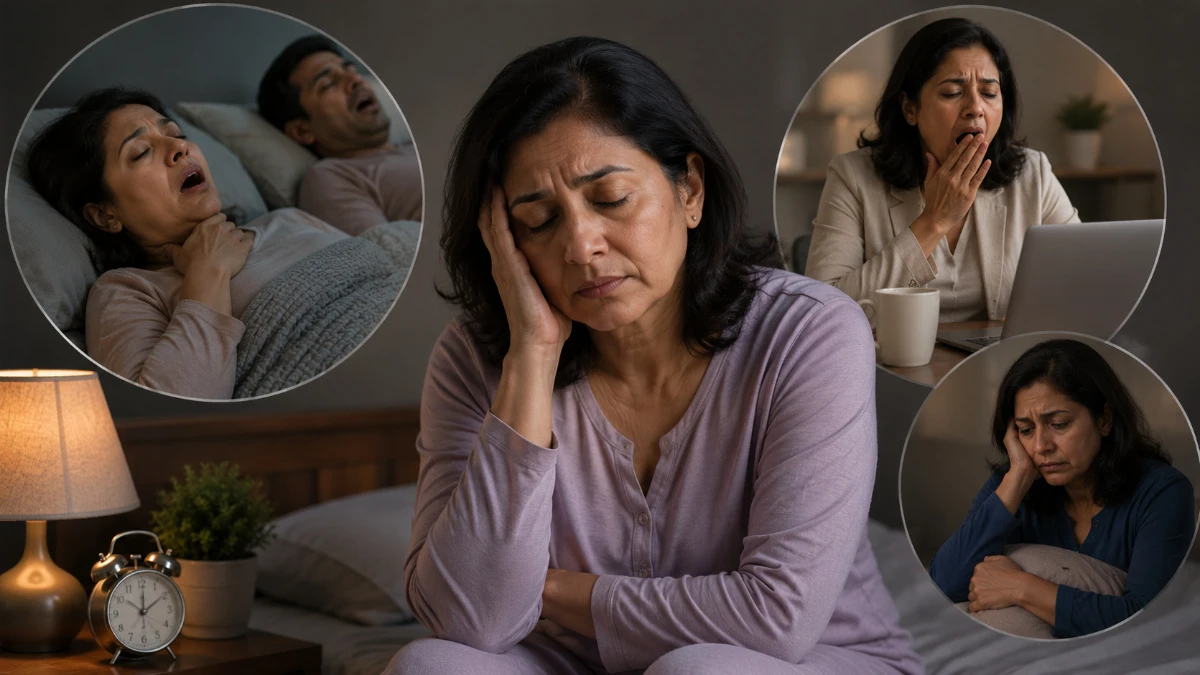 Warning Signs That Need Prompt Medical Attention
While everyday sleep changes develop slowly, certain warning signs mean you should schedule a doctor's visit right away.
Gasping or Choking for Air
Waking up suddenly feeling out of breath, or being told by a partner that you snore loudly and pause your breathing, can be alarming, and you should never ignore it. Postmenopausal women are at a much higher risk for sleep apnea. Visible signs of breathing trouble always require a professional check to rule out serious cardiovascular strain.
Severe Daytime Sleepiness
Noticeable changes in your daytime functioning, such as nearly falling asleep at the wheel or being unable to stay awake at your desk, can make many women feel embarrassed or inadequate. Please do not let shyness keep you from seeing a doctor. It is a symptom that always needs a medical review.
Deep, Unrelenting Depression
Feeling a little emotional is usually tied to fluctuating hormones. However, if deep sadness, hopelessness, or sharp anxiety continues even after you try to rest and practice self-care, your doctor needs to take a closer look. Severe sleep deprivation heavily multiplies the risk of clinical depression.
Symptoms Beyond the Bedroom
Poor sleep affects more than just your nighttime routine. When restorative rest is lost, warning signs can spread to other areas of the body and mind.
Persistent Brain Fog
A dull, ongoing inability to concentrate, remember words, or focus is a symptom many women quietly live with for months. Because it rarely starts as a sharp cognitive decline, it gets written off as aging. Ongoing mental cloudiness to this degree is not normal.
Mood Swings and Irritability
Healthy emotional regulation depends on a well-rested brain. If those neurological pathways are disturbed by chronic awakenings or hormone fluctuations, it can cause new or worsening irritability. Persistent emotional changes should always be discussed with your doctor.
Unexplained Weight Gain
When menopause disrupts sleep, it can cause changes in metabolism and hunger hormones, especially leading to weight gain around the midsection. An increase in weight that does not respond to basic diet changes and exercise should always be checked by a doctor.
Who Is at Higher Risk?
While any woman going through the menopause transition can develop sleep problems, certain factors increase your chances:
- Being in the perimenopausal phase (usually ages 45-55)
- Having a history of anxiety or clinical depression
- Experiencing severe hot flashes during the day
- A lifestyle with high stress, combined with little exercise
- Poor sleep hygiene (e.g., using screens right before bed)
Having these risk factors simply means prioritizing your sleep routine is very important.
Normal Aging vs Menopause Sleep Issues: Can the Symptoms Be Similar?
| Symptom | Normal Aging | Menopause Transition |
| Lighter sleep | Common | Common |
| Waking up earlier | Common | Possible |
| Night sweats | Uncommon | Very Common |
| Sudden anxiety at night | Less common | Common |
| Gasping/Snoring | Possible | Increased Risk |
| Difficulty falling asleep | Sometimes | Common |
| Daytime brain fog | Sometimes | Common |
 The Importance of a Consistent Sleep Routine
As early sleep disturbances may not leave one feeling totally disabled, a well-disciplined daily schedule will prove beneficial. For example, following a fixed sleep-wake schedule is a way through which the circadian rhythm is regulated by those who do not have their hormones functioning normally. Sleep routine advice will differ from one individual to another depending on circumstances, but ensuring that the bedroom is cool and dark is important as it can prevent any problem in its early stages.
Common Strategies Used to Evaluate and Improve Sleep
The following are some treatments that doctors could recommend:
- Hormone Replacement Therapy (HRT) to deal with night sweats and sleep
- Cognitive Behavioral Therapy for Insomnia (CBT-I)
- A sleep study (polysomnography) for sleep apnea
- Developing a rigid bedtime routine free from electronic devices
Not all women require the same treatment regimen.
When Should You See a Doctor?
Think about scheduling a medical assessment if you have:
- Recurrent sleep disturbances that make you feel tired
- Difficulty sleeping for over 30 minutes
- Snoring or difficulty breathing while asleep
- Excessive sweating during the night making it hard to sleep
- Daytime tiredness and mental confusion
- Extreme mood changes or depression
- Sleep problems that last for several weeks
Undertaking an early assessment doesn’t mean there must be serious sleep problems, but it allows for the source of symptoms to be identified and proper treatment to be administered.
Expert Health Advice
Sleep disturbances are prevalent during the process of menopause for women, but chronic fatigue must not be dismissed. If one is constantly waking up, having trouble falling asleep, suffering from night sweats, or is chronically tired during the day, then a doctor needs to be consulted. This will allow determining the cause of such symptoms, whether it is associated with hormonal changes, sleep apnea, or some other health problems.
Conclusion
The symptoms associated with menopausal insomnia tend to sneak up on women without much warning, which is why it's essential that any changes in your sleep pattern are not overlooked. Symptoms such as frequent waking up, difficulty falling asleep, hot flashes at night, and fatigue are important issues that need medical care. Getting your issues evaluated early will not only help pinpoint the reason for the symptoms, but it might increase your chances of making the proper lifestyle changes.
References
Sleep Problems and Menopause: What Can I Do? | National Institute on Aging
How Does Menopause Affect My Sleep? | Johns Hopkins Medicine
More than a third of menopausal women lose sleep to hot flashes, waking during the night
Global prevalence of sleep disorders during menopause: a meta-analysis - PMC