 Published on
25 Aug, 2026
Published on
25 Aug, 2026 Updated on 25 Aug, 2026
 5065
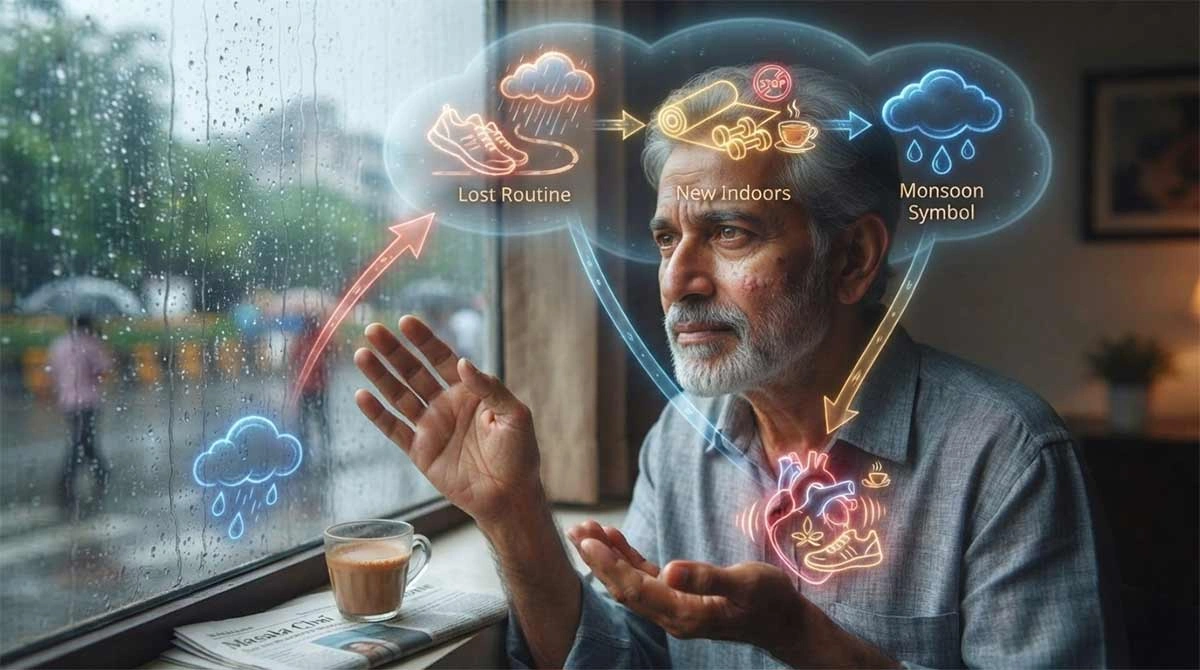
5065For many people, a morning walk is one of those habits that feels easy to maintain until the monsoon arrives. Dark clouds, frequent rain, wet roads, humidity, and the feeling of staying at home or in a dry place. That quickly turns a daily walk into an occasional activity. Sometimes the break lasts for a few days. Sometimes, without noticing, the morning walk disappears from the routine altogether.
Skipping a walk once in a while is not a problem. But the bigger issue is what happens when several inactive days become an important part of aperson’s daily mental routine.
Why Does Monsoon Make Morning Walks Harder?
The first reason is that rain changes the morning environment; people who normally walk outdoors may find wet roads, puddles, and slippery surfaces uncomfortable. In some areas, waterlogging can make walking difficult or unsafe. Poor visibility during heavy rain can also discourage people from going outside.
Humidity is another factor
Even when the temperature does not seem very high, high humidity can make the air feel heavy; your sweat may not evaporate efficiently, which can make physical activity feel more uncomfortable.
Then There is a Behavioural Side
A rainy morning creates the natural excuse to postpone exercise like "I will do it later in the evening", but if the evening becomes busy, that walk may never happen. One missed day becomes two, and eventually the habit loses its place in the daily schedule.
What Happens When Daily Walking Suddenly Stops?
short break from walking does not suddenly make someone unhealthy; the body does not lose all its fitness because of the few rainy days.
However, prolonged inactivity can gradually reduce the amount of movement a person gets throughout the day. Someone who normally works for 30 to 45 minutes in the morning may also move more during the rest of the day because the walk keeps them physically active from the start. When that activity disappears, total daily movement may fall without any realisation. This is particularly relevant for people who already spend several hours sitting at work, studying, or using screens.
result can be a familiar feeling of stiffness, heaviness, or low energy.
Your Body May Feel More Stiff
Walking regularly keeps the joints and muscles moving
When the morning walk disappears and is replaced by sitting, people notice more stiffness around the hips, knees, ankles, or lower back.
This does not mean that every case of joint pain is caused by inactivity; joint problems can have many causes, but regular, comfortable movement is generally important for maintaining mobility. If a short indoor walking session can help breakup long period of sitting
Daily Calorie Expenditure Can Also Fall
Walking is physical activity, so it contributes to daily energy expenditure. If someone usually walks 5000 to 7000 steps every morning, suddenly stopping their daily movement may decrease significantly at the same time; appetite may not automatically decrease; this can create a simply miss match: less movement but similar food intake over several weeks. This may contribute to gradual weight gain in some people, particularly when combined with long sitting hours and frequent monsoon snacking. The solution is not to become obsessed with calories; it's simply to avoid allowing any weather to turn an active Lifestyle into a completely sedentary one. Mood and mental freshness may change too
Morning Walk Is Not Only Exercise
For many people, it is also a quiet period before the day becomes busy. Walking outdoors can provide a break from phones, work messages, and household responsibilities.
When that routine disappears, some people may feel that their mornings have become more sluggish.
Physical activity is associated with a better mood and overall mental well-being. A walk can also provide a sense of routine, which is particularly valuable when weather changes disrupt the normal schedule.
Walking is not a treatment for depression or other mental health conditions, but maintaining regular movement can be a very useful part of a healthy lifestyle.
Monsoon Does Not Mean You Have To Stop Exercising
The biggest mistake is thinking that the only alternative to an outdoor morning walk is doing nothing on rainy days. Movement can be shifted indoors; you could walk around the house, use stairs where appropriate, follow a simple indoor working routine, or do basic mobility exercises in your house. You can also do household work or home activities, which can also add some movement to the day.
What You Can Do While Raining
- Do some household work.
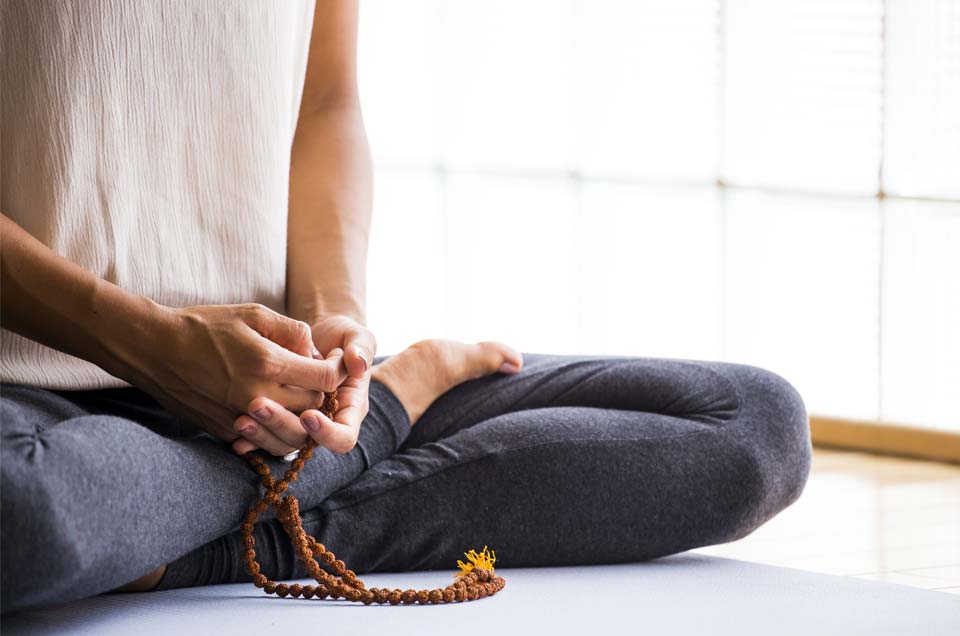
- Do yoga and asanas
- Try to avoid screens
- Spend time learning skills
- Cook something for yourself
- Read a newspaper or books
- Climbing the stairs
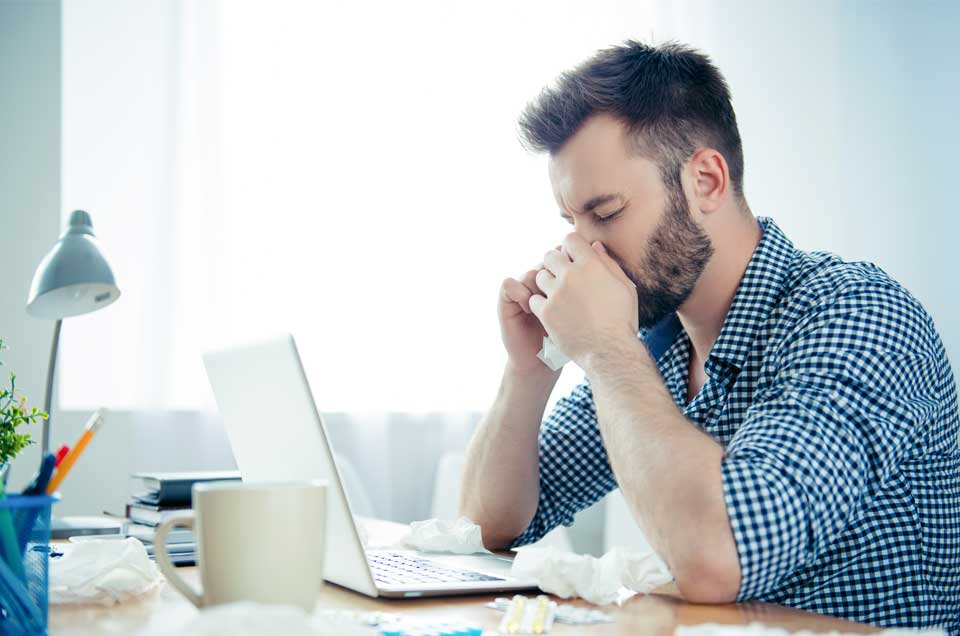
You Can Face These Health Issues
If the weather is not clear or moderate and you are not able to do any physical activities like walking, running, or any type of activity, then there is a possibility of the disease or symptoms like
- Obesity
- Digestion problem
- Weak immunity
- Chronic Fatigue
- Depression
- Anxiety and stress
- Appetite problem
- Insomnia
If you are facing any of the above symptoms, you need immediate consultation.
The Bottom line
Morning walks may disappear during monsoon because of rain, humidity, slippery roads, and changes in daily routine make outdoor exercise less convenient. A few missed walks are perfectly normal, but prolonged inactivity can reduce daily movement, increase stiffness, and make it easier to fall into a sedentary lifestyle. A healthy routine does not have to look the same every day; it just needs to keep moving.
References
Monsoon walks reintroduce cities to people in refreshing ways
5 Joint Mobility Exercises to Improve Flexibility and Function