 Published on
22 Jul, 2026
Published on
22 Jul, 2026 Updated on 22 Jul, 2026
 5073
5073After finishing a perfectly normal lunch at your desk, and within an hour, a wave of exhaustion hits you so hard you can barely keep your eyes open. You crave something sweet just to stay awake. You brush it off, thinking, "I just didn't sleep well last night," or "I'm just getting older; I can't eat as I used to."
Months go by, and maybe you notice you are a little thirstier than usual, or perhaps your waistline has thickened slightly despite no major changes to your diet. You still feel mostly fine, so you do not think much of it. Then, during a routine annual checkup, your doctor drops the word: Prediabetes.
The shock of being told you are on the verge of a lifelong metabolic disease when you feel completely "normal" leaves millions of people totally baffled every year. If you aren't bedridden and you aren't fainting, what exactly is happening inside your system? Let us break it down simply using the timeless wisdom our grandmothers relied on long before HbA1c tests existed.
When "Normal" Isn't Healthy
Before we talk about how to reverse this trend, we have to clear up a massive piece of confusion about what a metabolic disorder actually looks like in its early stages.
Modern medicine often views health in black and white: you are either healthy, or you are diabetic. But in traditional Indian medicine, diabetes (Madhumeha or Prameha) is not an overnight event; it is a slow, progressive thickening and sweetening of the body's tissues that takes years to fully manifest.
When you look at this through an Ayurvedic lens, prediabetes is the stage where your digestive fire (Agni) has become sluggish, and your body is starting to lose its ability to process heavy, sweet, and sticky energies (Kapha Dosha). Your blood tests might only show a slight elevation, but your body has been secretly flashing warning signs for months.
Post-Meal Crashes: The Blood Sugar Rollercoaster
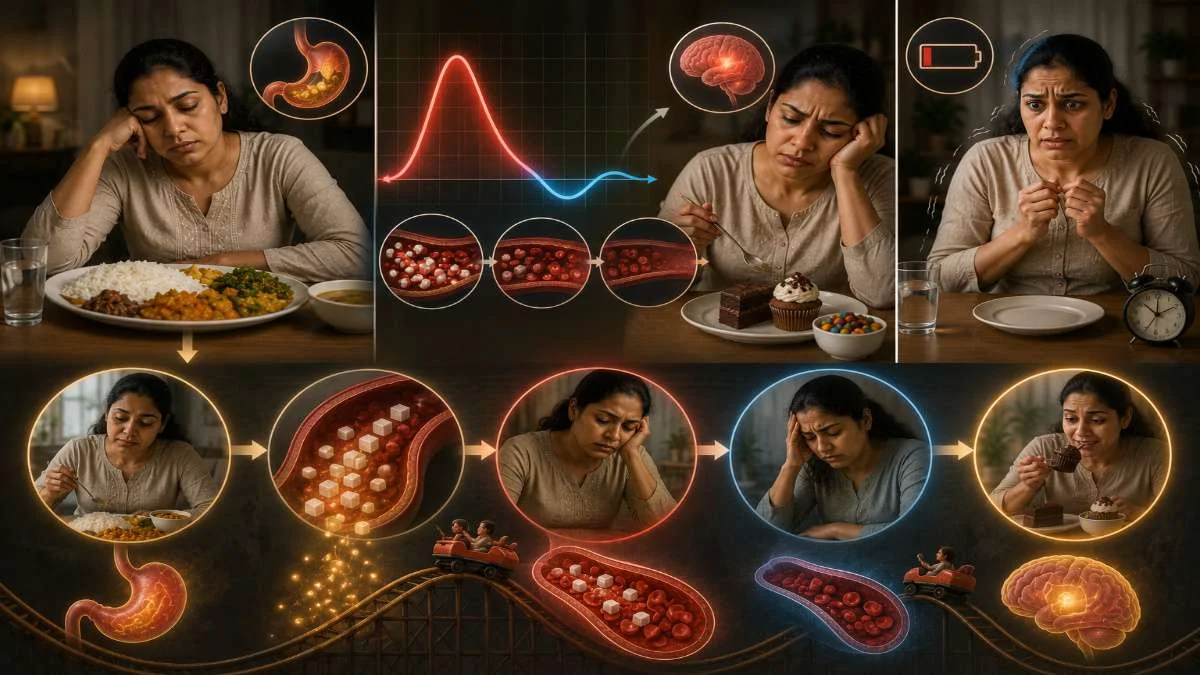
If you feel completely wiped out after a meal, or if you become incredibly irritable and shaky when you skip a meal, your insulin response is misfiring.
- The feeling: You eat a heavy lunch (like a large plate of rice or pasta) expecting energy, but instead, you get brain fog, heavy eyelids, and a sudden craving for a sugary dessert just to "wake up." Conversely, if you delay a meal, you become shaky, anxious, and "hangry."
- The reality: In Ayurveda, this is a classic sign of Mandagni (dull digestive fire). When your digestion is weak, heavy carbohydrates are not converted into pure energy (Ojas); they are converted into a sticky, unprocessed waste called Ama. Your pancreas pumps out massive amounts of insulin to deal with the sudden sugar spike, which then causes a rapid blood sugar crash. Your brain feels this crash as extreme fatigue and triggers false hunger signals to get you to eat more sugar.
The Unquenchable Thirst and Nighttime Wakings
What if you are suddenly drinking three water bottles a day and waking up twice a night to use the bathroom, but you just attribute it to "staying hydrated"?
- The feeling: Your mouth feels dry and sticky, especially in the mornings, and your bladder feels constantly full.
- The reality: When there is too much sugar circulating in your blood (Rakta Dhatu), your body views it as a toxin. The kidneys go into overdrive to flush this excess sweetness out, drawing water from your tissues. This creates a severe internal dryness (an aggravation of Vata Dosha). You are drinking more because your body is desperately trying to dilute the syrupy thickness of your blood.
The Skin Changes: When the Blood Speaks
Sometimes, the earliest signs of prediabetes don't happen in your stomach; they happen right on the surface of your skin.
- The feeling: You notice the skin around the back of your neck, your armpits, or your groin has become darker, thicker, and almost velvety. Or, you notice that tiny cuts and mosquito bites seem to take weeks to heal, leaving dark scars.
- The reality: The darkening of the skin (medically known as Acanthosis Nigricans) is a direct, physical manifestation of severe insulin resistance. From an Ayurvedic perspective, when the liver is overwhelmed by excess sugar and sticky Ama, the blood (Rakta) becomes impure and sluggish. Thick, toxic blood cannot circulate properly to the tiny capillaries in the skin, which stops wounds from healing and alters skin pigmentation.
What’s Making It Worse?
If your body is sending you these prediabetes warning signals, you need to look beyond the obvious sugar cubes in your tea and examine the hidden habits throwing your metabolism off balance:
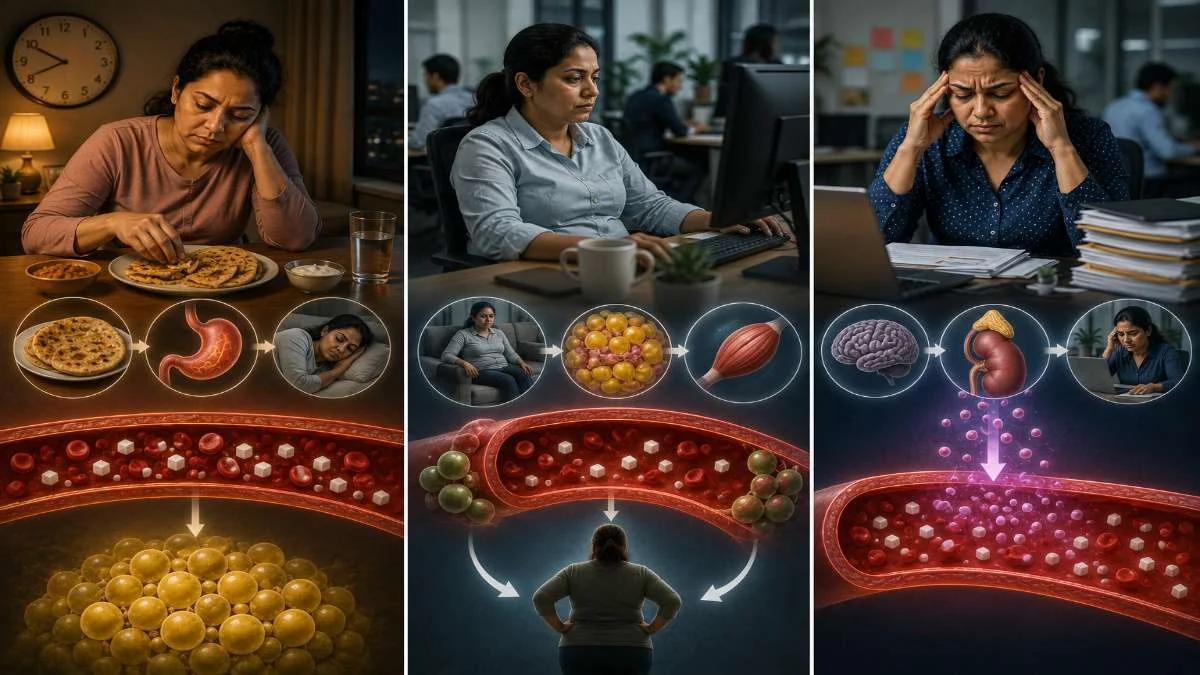
- The Late-Night Carbohydrate Trap: Eating a heavy, carb-rich meal (like parathas or pasta) at 9:00 PM and going straight to sleep. At night, your digestive fire naturally powers down. The body cannot burn off those carbs, so it stores them directly as fat and spikes your fasting blood sugar for the next morning.
- Sedentary "Sticky" Lifestyles: Sitting at a desk for 10 hours a day without breaking a sweat. In traditional medicine, Kapha (the earth and water element) naturally accumulates when we are stagnant. Without the heat of exercise to burn it off, the tissues become heavy and resistant to insulin.
- Chronic Stress Spikes: Constant anxiety at work pumps your body full of cortisol (the stress hormone). Cortisol's main job is to dump glucose into your bloodstream so you have energy to run from danger. If you are just sitting at a computer, that sugar has nowhere to go.
Ayurvedic Supportive Herbs for Metabolic Balance
Prediabetes is a wake-up call, not a life sentence. Long before the pancreas fails, our traditional kitchens hold powerful, bitter, and astringent tools designed to scrape away this sticky buildup and reignite your metabolic fire.
- The Methi Seed Miracle: Fenugreek (Methi) seeds are a cornerstone of Ayurvedic metabolic care. Soaking a teaspoon of methi seeds in warm water overnight and drinking the water (and chewing the seeds) first thing in the morning introduces a bitter, heating quality that helps sensitise the cells to insulin and naturally lowers morning blood sugar.
- The Cinnamon Sensitiser: Adding a pinch of true Ceylon cinnamon to your morning tea or warm water provides a sweet taste without the sugar, while actively helping to slow the breakdown of carbohydrates in the digestive tract.
- The Amla Shield: The Indian Gooseberry (Amla) is highly astringent and packed with Vitamin C. A shot of fresh Amla juice in the morning acts as a powerful antioxidant, protecting the pancreas from oxidative stress and clearing Ama from the blood channels.
Doctor’s Note
While understanding these holistic warning signs empowers you to make lifestyle changes, prediabetes is a serious, measurable medical condition.
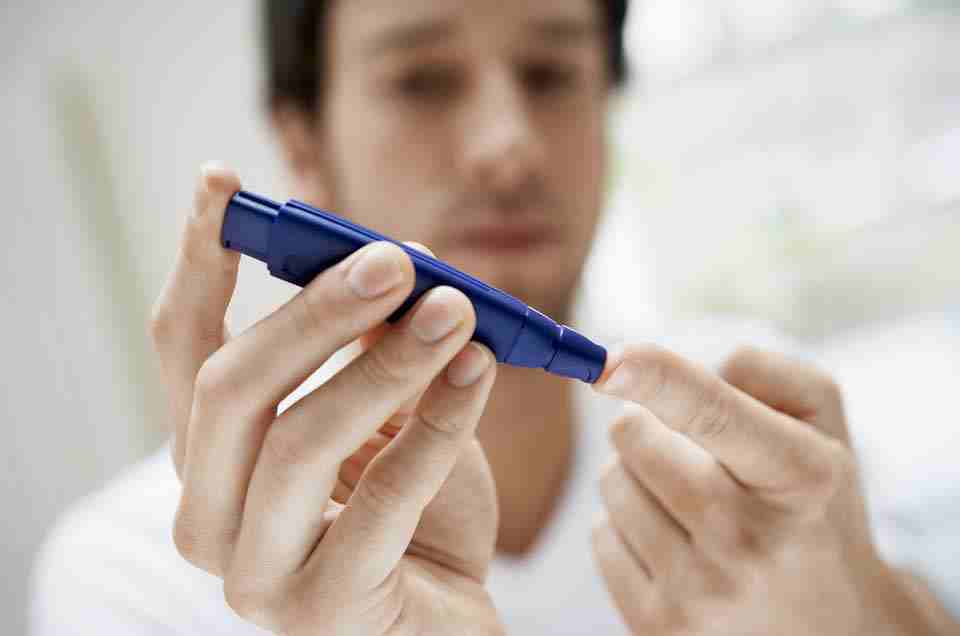
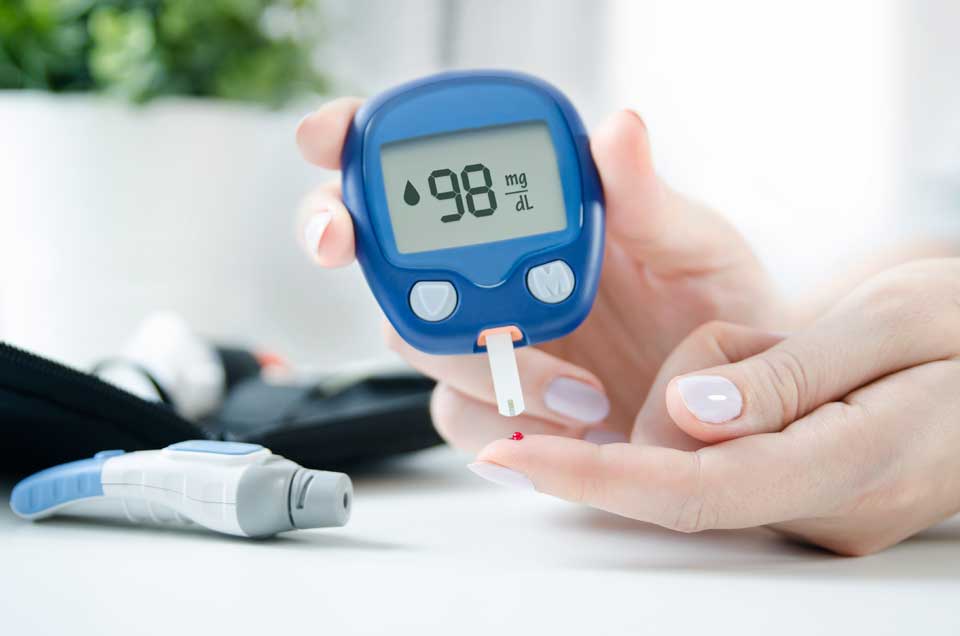
You cannot diagnose prediabetes just by looking in the mirror. If you are experiencing post-meal crashes, excessive thirst, or dark patches on your skin, you must see a physician to get a fasting blood glucose and an HbA1c test. These numbers tell you exactly where you stand. Holistic kitchen remedies and dietary adjustments are very effective for reversing prediabetes, but they must be done while medically tracking your numbers to ensure you are actually moving out of the danger zone.
Conclusion
We spend so much time pushing through our fatigue and ignoring our body's subtle cries for help that we miss the golden window of opportunity. Just because your blood sugar is only "a little bit high" does not mean your body isn't working overtime to keep you safe.
Your exhaustion, your thirst, and your cravings are a living, breathing message. They are asking you to reignite your digestive fire, to move your body, and to clear out the heavy, sticky energies slowing you down. Listen to your body carefully. Honor its warnings, bring bitter and astringent balancing foods back into your routine, and remember that prediabetes isn't a final destination; it is simply a signpost telling you it is time to turn around!
References:
Pre-Diabetes and What It Means: The Epidemiological Evidence - PMC
Prediabetes - StatPearls - NCBI Bookshelf