 Published on
30 Jul, 2026
Published on
30 Jul, 2026 Updated on 30 Jul, 2026
 5104
5104Your body is constantly communicating with you, often dropping subtle hints long before you actually feel sick. One of the quietest clues? Bright red palms. Most of us would just brush this off as having warm hands or a minor skin irritation. But if that redness simply won't go away, it could be pointing to an internal struggle, specifically, a stressed liver.
Don't panic, though. Red hands don't automatically mean your liver is failing. That said, if the color stays stuck and you start noticing other odd health changes, you definitely need to pay attention. By bringing together the hard science of modern medicine and the deep, root-cause wisdom of Ayurveda, we can decode exactly what this simple skin change means for your overall health.
Understanding Palm Redness
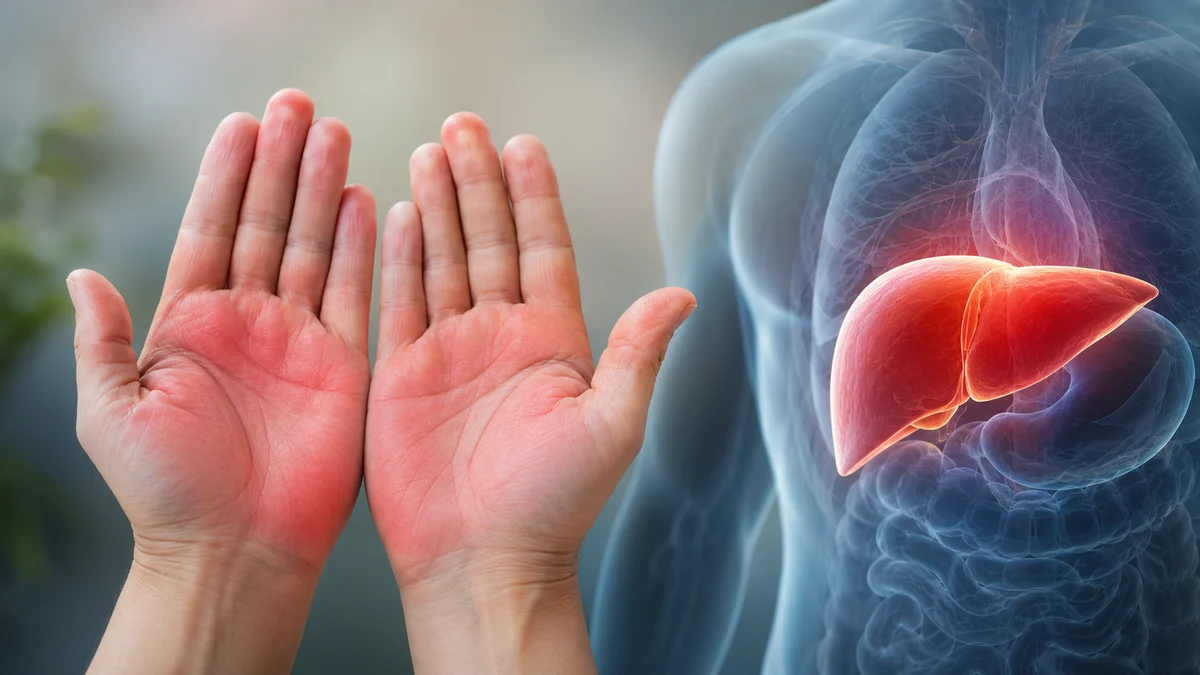
When we talk about red palms, we mean a very noticeable, bright reddish color on the inside of your hands. You will usually spot it on the fleshy, padded areas right at the base of your thumb and along the side of your little finger.
For many people, red palms mean absolutely nothing. Some people are simply born with pinkish hands. You might also notice your palms turning red after a heavy workout, holding a hot cup of coffee, or even when you feel very stressed. That is completely normal.
The real thing to watch out for is redness that stays. If your hands are red day after day and never go back to their normal color, it means there is extra blood flowing just under your skin. This constant redness is a clue that you should not ignore.
How The Liver Is Connected to Red Palms?
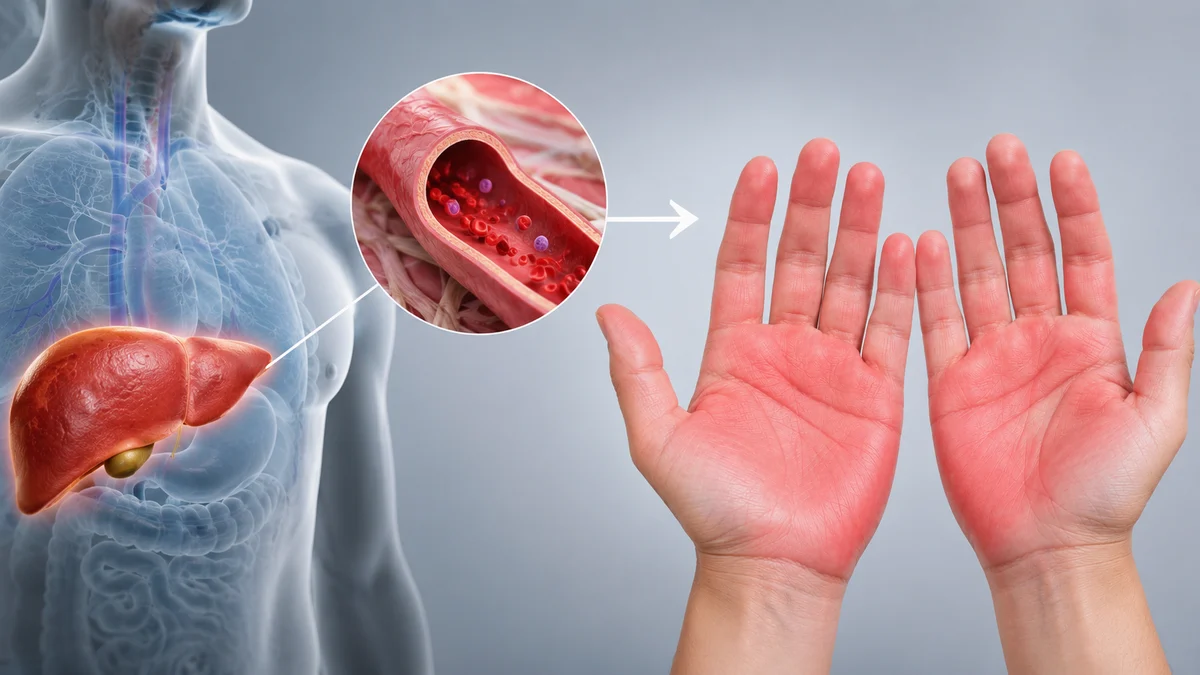
To fully comprehend the link between these two medical conditions, you should first be aware of the role that the liver plays in your body. The function of the liver is to act as the ultimate filter of your body. It filters the harmful toxins, saves vitamins, works on the breakdown of the fat in your food, and maintains the purity of your blood.
When the liver gets worn out or is ill and therefore cannot function as usual, problems arise. One of such problems is hormone imbalance. The liver, which cannot carry out its functions well, will not be able to filter the specific hormones. Once they accumulate in your blood, they lead to the dilation of blood vessels just below your skin surface. That extra blood is the one that gives your palms the reddened look.
This medical condition is usually common in people suffering from chronic diseases affecting the liver, such as fatty liver and excessive alcohol consumption. It is important to note that not all people with liver disease have red palms.
When Red Palms Are Harmless and When They Deserve Attention?
You do not need to panic every time your hands look red.
As mentioned, some people naturally have reddish skin. Pregnant women also frequently get bright red palms because their bodies are suddenly pumping a lot of extra blood and hormones. Once the baby is born, the redness usually goes away on its own.
You only need to take it seriously if the red palms show up alongside these warning signs:
- Your eyes or skin start looking a little yellow.
- You feel deeply tired all the time, no matter how much you sleep.
- Your belly gets very swollen and tight.
- You start getting bruises on your arms and legs very easily.
- Your urine looks very dark, and your bathroom stools look pale.
- Your skin feels incredibly itchy all over.
If you have red hands plus a few of these signs, your body is loudly asking for a doctor's help.
Other Warning Signs That May Point to Liver Problems
The liver is a very tough, stubborn organ. It rarely complains when it first gets sick. It will keep working even when it is damaged, which is why the early signs of liver trouble are often very quiet.
Besides red palms, your body might warn you with:
- A complete loss of your appetite.
- Feeling sick to your stomach or wanting to vomit.
- A dull, uncomfortable ache on the right side of your belly.
- Heavy, swollen ankles and feet at the end of the day.
- Feeling confused or having a hard time focusing on your work.
- Tiny, spider-like red blood vessels popping up on your chest or face.
Because these signs can look like a simple stomach bug or general tiredness, getting a proper check-up is the only way to know the truth.

Common Lifestyle Habits That Can Affect the Liver
Your liver gets damaged slowly, day by day, through bad habits.
The most common things that hurt the liver include:
- Drinking too much alcohol regularly.
- Eating highly packaged, deep-fried, and junk foods.
- Consuming way too much white sugar and sweet drinks.
- Sitting in a chair all day without any exercise.
- Smoking cigarettes.
- Sleeping poorly or staying awake very late at night.
- Taking too many painkillers or over-the-counter pills without a doctor's advice.
The good news is that replacing these bad habits with good ones can give your liver the break it desperately needs to heal.
Ayurveda’s View: What Does Palm Redness Suggest?
Ayurveda does not just look at your red hands and hand you a pill. It looks at your whole body, your diet, and your daily routine to find out why you lost your natural balance.
Pitta Imbalance and Rakta Dhatu: In Ayurveda, heat in the body is controlled by an energy called Pitta. If you eat too much spicy food, drink too much alcohol, or take on extreme stress, your Pitta energy goes into overdrive. Your body literally overheats.
Ayurveda also focuses heavily on your blood, called Rakta Dhatu. The liver is the main home for your blood. When you have too much heat (Pitta) in your liver, that heat travels through your blood and pushes out through your skin. This results in red, warm palms, angry skin rashes, and burning acidity.
The Importance of Agni and Liver Health: Ayurveda believes that all health starts in the stomach with your digestive fire, known as Agni. If your digestive fire is weak, your food turns into sticky waste instead of healthy energy. This waste clogs up the liver. To heal the liver and clear the red palms, Ayurveda says you must first fix your stomach by eating warm, simple, and easy-to-digest foods.
Doctor’s Note
Mild skin dryness or temporary redness can be normal, but persistently red palms (palmar erythema), especially on the fleshy lower edges near the wrists, should not be ignored. This visual change often stems from altered blood vessel regulation and hormonal shifts that occur in chronic liver disease, though it can also have other non-hepatic causes. If you notice persistent redness in your hands, particularly alongside fatigue, unexplained swelling, or yellowing of the skin and eyes, scheduling a medical evaluation for a routine liver function check is essential.
Foods That Support Healthy Liver Function
You do not need to buy expensive juices to "detox" your liver. The liver cleans itself perfectly if you just give it the right fuel.
Modern Nutrition
- Choose dark-green, leafy vegetables for your diet.
- Eat fresh fruit instead of drinking sweet fruit juice.
- Start eating whole grains such as oats and brown rice.
- Proteins should come from legumes, beans, and fish.
- Keep yourself hydrated with lots of water.

Simple Daily Habits to Support Liver Health Naturally
Protecting your liver is all about simple, daily routines. Try adding these easy habits to your day:
- Move around: Walk for 30 minutes daily to ensure good circulation and avoid obesity.
- Drink water: Have a water bottle close by and drink it slowly throughout the day.
- Sleep on time: Try to get seven to eight hours of sleep per day.
- Breathe: Stress is not kind to your liver. Spend 10 minutes daily sitting still, closing your eyes, and breathing deeply.
- Be careful with herbs: Never buy unknown herbal supplements for the liver without consulting an expert. Some powerful herbs can damage a weakened liver.
When You Should See a Doctor
In case your palms have become red and there is no way that you can make the color disappear, then you need to forget about staying at home.
There is no doubt that you must see a doctor in case of new redness, the appearance of brighter redness, or if you experience fatigue, itching, and nausea.
The thing is that doctors will never use guessing and will conduct a very easy blood test to measure liver enzymes in your blood. Also, a short and painless ultrasound will show what your liver looks like.
Final Thoughts
Having red palms is not something you should be worried about, but it certainly is a useful sign. Our bodies are really great at giving us a subtle reminder before we fall ill.
Ayurveda provides us with an easy and everyday lesson on how to eat, sleep, and live in such a way that our liver stays cool and happy.
If you have red palms persistently, it is time to listen to what your body is trying to say. Go for a checkup with your doctor, tidy up your everyday eating habits, and just look after yourself a little bit more. Solving a minor problem now is the best thing to do to have a healthy life tomorrow.
References
Erythema Palmare Hereditarium (‘Red Palms’, ‘Lane's Disease’) - PMC
Red Palms' Syndrome and Red Fingers' Syndrome: A Mini Review - PubMed
Red Palms & Early Signs of Liver Damage on Hands and Feet | Dr. Sarang Barbind