 Published on
19 Jun, 2026
Published on
19 Jun, 2026 Updated on 19 Jun, 2026
 5103
5103Most people do not realize the importance of their kidneys until something goes wrong with them. These two small and bean-like organs constantly work hard inside your body to filter the waste from your body. But what will happen if our kidneys get sick?
Kidney cancer is one of those conditions that is difficult to recognize since they don’t show any prominent signs or symptoms in the initial phase. This is exactly what makes it dangerous.
Kidney cancer has been on a steady rise over the last few years all over the world, including India. But surprisingly, awareness around this is very low. Many people confuse its early signs with everyday issues like back pain or fatigue and ignore them, and think they are not important.
Why Are Cases Rising Worldwide?
The explanation for the growing cases of renal disorders can be attributed largely to the changing way of life. As our world turns out to be more urbanized and convenient in many respects, fewer and fewer people are active anymore, having to spend most of their day working in offices.
The additional stress placed on the kidneys as a result of obesity and physical inactivity becomes even more noticeable owing to the growing life expectancy of today's people. In fact, both of these factors make up an essential part of modern lifestyle, while more effective medical diagnostics is another factor behind the increasing number of diagnoses.
How Kidney Cancer Develops
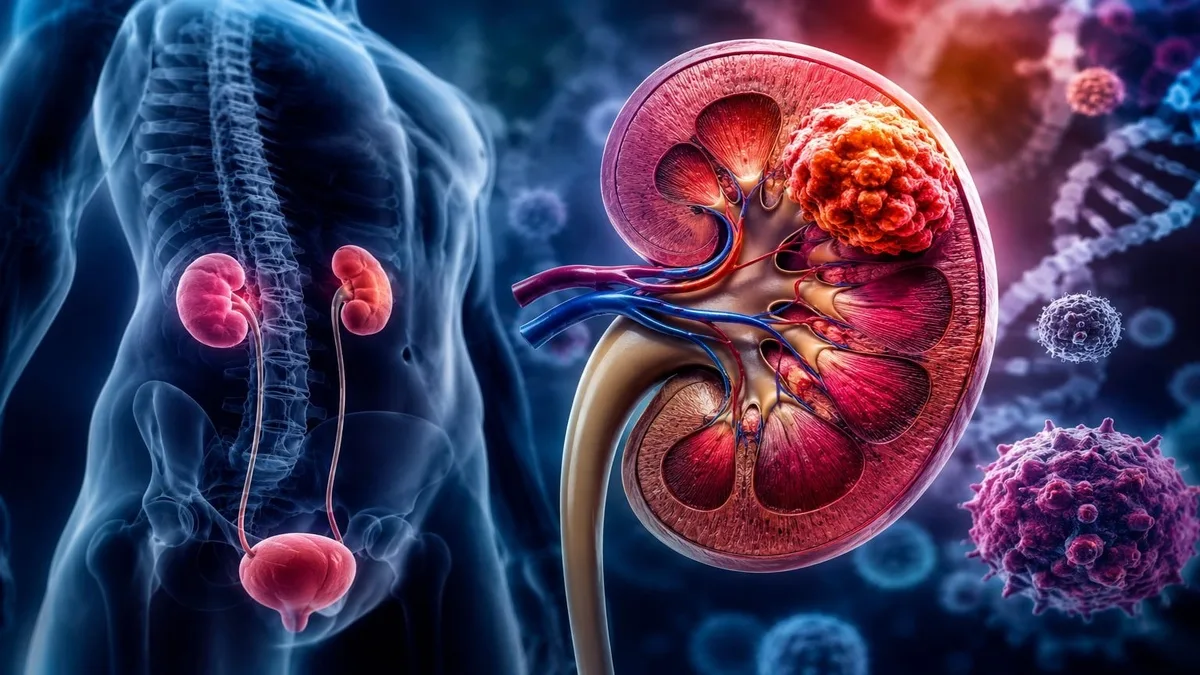
Your body cells normally follow a very systematic process of growth and renewal. Kidney cancer is an anomaly that causes the cells to grow abnormally, resulting in the formation of masses known as tumors. The development of kidney cancer is described below:
Tumors can either be benign or malignant: Benign tumors are harmless and do not invade surrounding tissues. Malignant tumors, on the other hand, tend to invade other tissues.
It's invasive: Cancerous cells can migrate from their location through the blood or lymphatic vessels and affect other body regions.
It has no early symptoms: Tumors continue to develop for several months or even years before showing any symptoms. Therefore, they go unnoticed during the initial stages of their formation.
What is RCC & How Common Is It?
Renal Cell Carcinoma (RCC) may appear to be a complex medical condition to some people, yet in reality, it is merely the commonest form of kidney cancer in adults. RCC constitutes 9 out of every 10 kidney cancer cases. This type of kidney cancer starts developing in the small tubes that are located within the kidneys and that help filter the blood in the body. While cancer is always a frightening term, knowledge that RCC is the commonest kidney cancer will make things much clearer.
Major Risk Factors You Should Know
While it is empowering to make lifestyle changes, knowing what could make us prone to problems with our kidneys can be helpful. Some of the things mentioned below can be managed, while others are just part of our personal history. Let us take a look at them:
Obesity: Being overweight changes the inner balance of our bodies. It puts significant stress on our kidneys since their responsibility is to filter our blood.
Smoking: Smoking is another factor to take into consideration, and we all know how dangerous smoking is for our bodies. As smoking adds toxic substances to your blood, your kidneys will have to deal with them.
High Blood Pressure: Imagine your kidneys as a sophisticated network of pipes. High blood pressure means that your kidneys undergo constant "stress" from this perspective.
Age: Though it may occur in people of all ages, it becomes more likely as one grows older, usually after reaching the age of 50 years.
Family history: In certain instances, health-related problems are hereditary. If you have a family history of having renal issues, then it would be wise for you to be a bit more cautious about your routine health checks.
Ayurveda and the Concept of Body Balance
In Ayurveda, the kidneys are not seen as a separate organ but as one of the elements of the internal body ecology, which should be healthy and efficient for proper body function. We can compare our body and organs with a vegetable garden, where everything will flourish only if the ground is properly maintained, without any obstacles for the plants growing. However, when toxins start piling up and forming Ama, a person experiences different troubles because of the lack of free energy in their body.
The key feature of Ayurveda is the maintenance of balance within the body. If you have good metabolic and digestive processes in your body, it will automatically eliminate anything unnecessary from it. However, when a person's life becomes busy and stressful, their metabolism stops functioning normally, causing a toxin build-up, putting extra stress on the kidneys.
Lifestyle Measures for Kidney Protection
Taking care of your kidneys doesn't mean you need to change your whole life. Sometimes the best protection is just a few simple, consistent habits:
Hydration is important: Water is the best way to help your kidneys flush out toxins. Drink water throughout the day instead of chugging it all at once.
Keep an eye on the salt shaker: Too much salt makes your kidneys work extra hard to keep fluid levels balanced. Avoid processed, packaged, and junk foods, which are often “hidden” sources of excess sodium.
Keep moving: Gentle, regular movement, such as brisk walking or yoga, helps improve circulation. Better blood flow means your kidneys get the support they need to do their job efficiently.
Stress management: Stress causes physical tension and raises the blood pressure level in your body. Spend some time each day meditating or just sit quietly for a few minutes.
Eat seasonally: Opt for healthy and fresh produce instead of processed foods that are difficult for your body to digest.
Final Thoughts
In the end, your kidneys are quiet workers that keep your entire body functioning properly. We often don’t think about them until something goes wrong, but the truth is, the best time to care for them is right now.
There is no need to fear the 'what-ifs.' Instead, see each glass of water, each meal eaten mindfully and each moment of quiet rest as a small investment in your long term health. Kidney health is not about being perfect; it's about being consistent.
References
https://www.kidney.org/kidney-topics/kidney-cancer
https://www.cancer.gov/types/kidney/patient/kidney-treatment-pdq