 Published on
24 Aug, 2026
Published on
24 Aug, 2026 Updated on 26 Aug, 2026
 5063
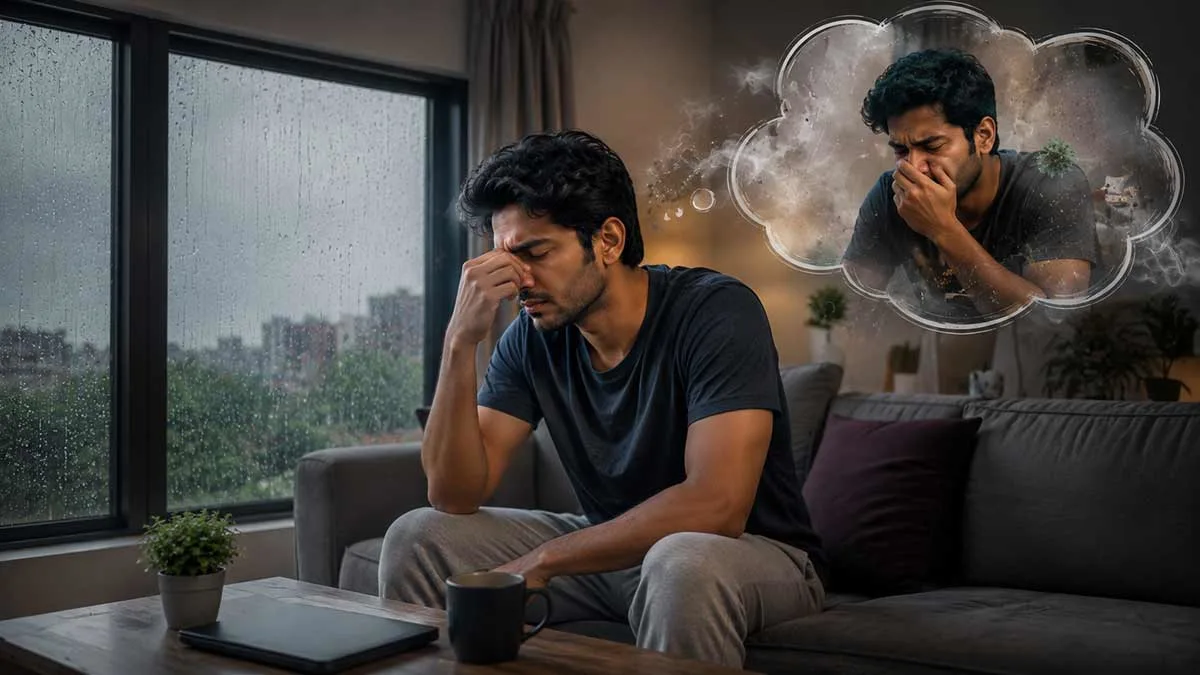
5063Rain feels amazing after a hot summer, but it also makes the air inside your house very damp. We naturally close all our windows to stop the rain from coming in. However, when a room stays closed, the moisture from daily habits such as cooking, drying clothes, and even just breathing gets trapped inside. This heavy air is what makes our room warm, stuffy, and uncomfortable. When the stale air stays in the room with nowhere to go, it slowly drains the freshness right out of your home. You might start noticing that your sheets feel slightly wet and everything feels a bit heavier than usual.
What Are The Common Reasons Behind That Stale Smell In The Room During Monsoon?
Ever wonder why your room feels and smells stale even after cleaning it properly? Here are the reasons behind it:
Keeping Windows Tightly Shut
During monsoon, we usually keep our room, house, and office windows closed so that rainwater doesn't come inside and your house stays clean. This is where we make a common mistake: our house and rooms also need some outside air so that a certain level of temperature is maintained within. But as we keep our windows and doors tightly shut, no air exchange occurs in the house, which causes humidity and a stale smell in the house.
Drying Wet Clothes Inside
In this rainy weather, we usually dry our wet clothes inside our houses as we have no space to do the same. Wet clothes contain water and moisture inside them, and when they dry inside our houses, they release a lot of water into the air. And we keep the doors and windows completely shut; the wet air does not have anywhere to go but to stay inside. So this also causes a stale smell in the house.
Too Much Natural Humidity
Rainy weather itself causes too much humidity in the house, which gets trapped as we keep shut our windows and doors closed. This natural humidity gets no where to go, which ends in creating a stickier environment in the house. As there is low or no air exchange in the house or room, the trapped air creates more humidity and a stale or foul smell, which becomes hard to ignore.
Everyday Household Chores
Simple daily routines such as taking showers, mopping the floor, washing utensils, cooking food, or washing clothes release steam inside the house. As the season creates natural humidity and stickiness, we keep our doors and windows tightly shut during this time; the steam coming out of the household chores also mixes with it, which reduces airflow. Without any exchange of air, carbon dioxide and indoor smells build up in the house, making the room feel stale.
Hidden Things In Dark Corners
Things such as cupboards, shoe racks, carpets, baseboards, rugs, or soft cushions stay hidden, and we clean them barely. Molds, dust mites, and bacteria love these places and develop under them, which grow faster in the rainy season and create a musty smell in the house. They usually stay hidden in these things and multiply due to the sticky and humid environment.
Lack of Exhaust Fans or Ventilators
Kitchens with no exhaust fans or ventilators create more humidity in the house. When we cook, we use cooking oils and pressure cookers, and fry certain types of food; this all releases steam and moisture in the kitchen. Without exhaust and ventilation, this gas remains trapped in the kitchen and has nowhere to go, which creates more humidity and staleness in the house.
Fabrics Acting Like Sponges
We all have fabrics like cotton, wool, bedsheets, curtains, and carpet fibers that naturally pull water vapor out of damp air. They can easily hold hidden water weight when the indoor air is wet. Closed windows and doors block the fresh air, which stops this trapped moisture from evaporating back outside. And as a result, they start smelling stale and have a bit of wetness in them.
Clogged HVAC Filter
HVAC filters trap dust, pollen, and debris to protect your heating and cooling equipment while cleaning the air circulated through your home. During the rainy season, you keep your windows closed, trapping your indoor air. If your HVAC filter is clogged, it can’t circulate and clean the humid and heavy air trapped inside your house.
What Are The Easy Ways To Keep Your House Fresh?
To keep your house fresh and clean in this humid weather, you can follow the following steps, which will not only help in removing the trapped humidity and air outside the room but also keep the house free from any sort of disease that may develop in this weather:
- Clean the “hidden air traps”: Try to clean the hidden cupboard, shelves, carpets, and curtains once every two days; this will keep the molds, bacteria, and dust mites away from developing.
- Open the windows frequently: Do not completely shut or seal your windows and doors all day; keep them open for an interval of 10-15 minutes in between, so that the trapped air inside the house gets out of the house and the smell can go away.
- Use exhausts fan and ventilators: Keep on using exhaust fans in the kitchen when you cook and take showers so that the moisture and odour developed due to the humid weather leave the house.
- Arrange furniture: Keep the furniture away from doorways and vents, so that air has a path to travel outside the room, as furniture that stays close to the doorways, walls, and vents keeps the air trapped and gives no space for the air to travel, which creates more humidity in the air.
- Run fans: Ceiling fans, small standing fans, or a box fan help in not setting the air in one spot. They help remove the trapped moisture and air that gets stuck in the corners and in the house due to humidity in the surroundings.
- Change the HVAC filter: If your HVAC filter is sitting in your house for more than 60 to 90 days, then change it because it gets clogged and stops working properly, which only creates more humidity and moisture in the house.
The above steps can help in removing the trapped air that gets stuck in your house due to rainy weather.
Conclusion
We all love the rainy season, as it comes after the hot summer, which literally makes us exhausted and drained with the temperature. The calmness and coldness we get in this weather feel very refreshing. But only for some time; the aftereffects are what we don't like, as with coldness and calmness, it creates humidity and stickiness in the environment.
During this weather, we also keep our windows and doors tightly shut, which literally creates more humidity and stickiness, and a stale smell in the houses, bedsheets, corners, and curtains. But the thing is, it can be fixed; just clean your house corners, shelves, and carpets frequently, open the doors and windows for some time each day, use exhaust fans, arrange your furniture, and run ceiling fans.
References
What Is a Monsoon? | NESDIS | National Environmental Satellite, Data, and Information Service