 Published on
26 Jun, 2026
Published on
26 Jun, 2026 Updated on 26 Jun, 2026
 5177
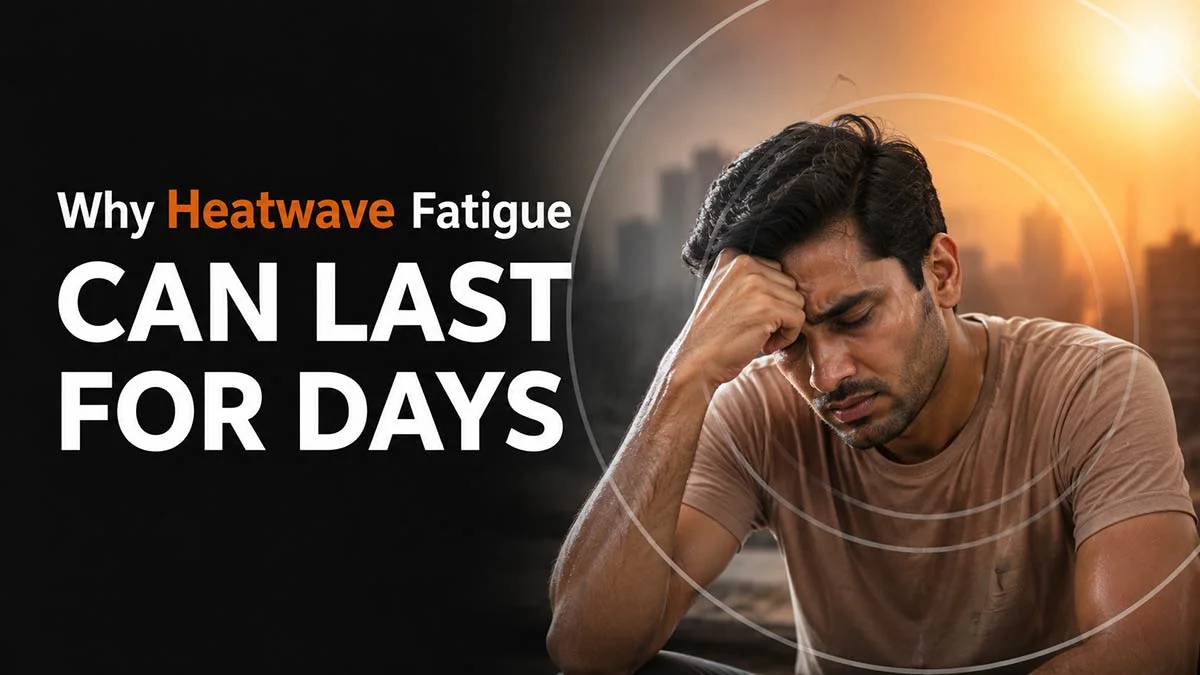
5177You survived the heatwave. The temperature has dropped, the fan is finally doing something useful and you've had a proper meal and a full night of sleep. So why do you still feel like you've been wrung out like a wet cloth and left to dry?
This is the part nobody talks about. Everyone discusses heatstroke, dehydration and heat exhaustion in the moment. But the lingering fatigue that sticks around for days after a bad heatwave? That gets brushed off as laziness or over-sensitivity. It is neither.
Heatwave fatigue is a real physiological response and your body has very legitimate reasons for feeling the way it does. Let's get into it.
What a Heatwave Actually Does to Your Body
Most people think of heat as just an external discomfort. It's hot, you sweat, you drink some water, you survive. Simple.
Except it's not simple at all. When temperatures spike severely, your body goes into a full scale emergency management mode. Every system, from your cardiovascular system to your hormones to your gut, gets pulled into the effort of keeping your core temperature from going dangerously high.
Your heart beats faster to push more blood toward the skin for cooling. Your sweat glands go into overdrive. Your kidneys work harder. Your digestive system slows down because energy is being redirected elsewhere. Your stress hormones, particularly cortisol, spike. Your electrolytes get depleted through sweat at a rate that plain water alone cannot replace.
All of that costs energy. An enormous amount of energy. And when the heat finally breaks, your body is not just tired. It is depleted at a cellular level. That kind of depletion does not resolve with one good night of sleep.
Why the Fatigue Sticks Around
This is the question most people are actually asking. I rested. I drank water. Why do I still feel terrible?
Electrolyte depletion runs deeper than you think: Sweat is not just water. It carries sodium, potassium, magnesium and chloride out with it. These electrolytes are essential for nerve signalling, muscle function and energy production at the cellular level. When they drop significantly during a heatwave, the body cannot simply replenish them with one glass of nimbu pani. It takes consistent replenishment over days to genuinely restore balance. Until then, everything feels heavy and slow.
Cortisol takes time to come down: Your body treats extreme heat as a physical stressor and responds by elevating cortisol. Sustained high cortisol over days of heat exhausts the adrenal glands and leaves the nervous system in a kind of prolonged low grade alert state. Even when the heat passes, cortisol doesn't drop immediately. This contributes to that wired but exhausted feeling where you can't quite relax even though you desperately want to.
Sleep quality was disrupted for days: Sleeping in extreme heat is genuinely poor quality sleep even when you manage to stay unconscious. The body cannot drop into deep restorative sleep easily when core temperature is high. Multiple nights of this builds up a significant sleep debt that one or two cooler nights cannot immediately clear.
The gut took a hit: Digestion slows significantly during heat stress because blood flow gets redirected to the skin for cooling. This can leave people with reduced appetite, bloating, nausea and sluggish digestion that lingers even after temperatures normalise. A compromised gut means reduced nutrient absorption which directly affects energy levels.
Signs Your Body Is Still Recovering From Heat Stress
Your body is pretty good at communicating. Here's what post heatwave recovery actually looks like:
- Persistent low energy despite rest: You slept, you sat around, you did nothing strenuous and you still feel exhausted. This is cellular depletion talking, not laziness.
- Brain fog and difficulty concentrating: The brain is extremely sensitive to electrolyte imbalances and dehydration. Even mild residual dehydration causes noticeable cognitive slowdown. If thinking feels like wading through mud, this is why.
- Muscle weakness or heaviness: Muscles need electrolytes, particularly potassium and magnesium, to contract and relax properly. Post heatwave muscle fatigue is very real and very physical.
- Mood dips and irritability: Cortisol dysregulation, poor sleep, dehydration and low electrolytes all independently affect mood. Put them together after a heatwave and the irritability, low mood and emotional flatness make complete sense.
- Disrupted appetite: The gut is still recovering. Appetite often stays suppressed for a day or two after heat stress. Forcing heavy meals during this phase usually makes things worse.
What Ayurveda Says About Heat, Depletion and Recovery
Ayurveda has always taken seasonal heat very seriously. Summer is governed by what Ayurveda calls Grishma Ritu and it is considered one of the most depleting seasons for the human body. The classical texts specifically warn that summer draws out the body's natural strength and moisture, leaving the system weakened and in need of active replenishment.
In Ayurvedic terms, a severe heatwave aggravates Pitta dosha intensely. Pitta governs heat, metabolism and transformation. When Pitta goes into overdrive from external heat, it depletes Ojas, which is essentially the body's vital energy reserve, the deep fuel that determines how resilient, energetic and clear headed you feel. Depleted Ojas is exactly what post heatwave fatigue feels like.
Ayurveda's approach to recovering from heat depletion is beautifully practical:
- Avoid heating foods during recovery: Spicy, fried, fermented and very sour foods aggravate Pitta further even after the heatwave passes. This is not the time for heavy biryanis or very spicy food no matter how appealing they seem once the appetite returns.
- Shatavari for deep replenishment: One of Ayurveda's most important herbs for restoring Ojas and vitality after depletion. Particularly beneficial after heat exhaustion as it is deeply nourishing and cooling.
- Amla or Indian gooseberry: Rich in Vitamin C, cooling in nature and deeply nourishing. Amla juice or fresh amla during post heat recovery is a classical and genuinely effective recommendation.
- Abhyanga or oil massage: Gentle self massage with coconut oil, which is cooling in nature, helps calm the nervous system, restore moisture to depleted tissues and supports the body's return to balance after heat stress.
How Long Does Heatwave Fatigue Actually Last
Honestly, it depends on how severe the heat exposure was, how dehydrated you got, how old you are and how well you recover.
For most healthy adults, mild to moderate post heatwave fatigue resolves within two to four days with proper rest, hydration and light eating. For older adults, young children or people with existing health conditions, it can last longer and needs more careful attention.
If fatigue, confusion, very dark urine, no urination, rapid heartbeat or fainting are persisting beyond a day or two, these are signs that the body has not recovered on its own and medical attention is needed. Heat exhaustion that goes unaddressed can progress and it is always better to get checked than to push through.
Simple Recovery Habits That Actually Speed Things Up
- Start the morning with coconut water or nimbu pani with rock salt: Electrolytes before anything else. This is the most impactful single thing you can do for post heat recovery.
- Eat light and easy to digest food: Khichdi, dal rice, curd rice, thin soups and fresh fruits. Give the gut a gentle reintroduction to food rather than loading it with heavy meals immediately.
- Sleep with a damp cloth or cooling compress on the forehead or feet: Cooling the extremities helps bring the body's overall temperature perception down and genuinely improves sleep quality during recovery.
- Avoid caffeine and alcohol during recovery: Both are dehydrating and both stress the system further when it is trying to rebuild. Yes that includes the extra chai you're reaching for because you feel tired.
- Stay indoors and genuinely rest: This is not the time to catch up on errands or push through a workout. Two to three days of actual rest speeds recovery more than anything else.
- Keep sipping water consistently: Not in large gulps. Small consistent sips throughout the day. Add a pinch of rock salt and a squeeze of lemon to a few glasses for electrolyte support.
Final Thoughts
Heatwave fatigue is not you being dramatic. It is your body communicating very clearly that it went through something physically demanding and it needs time, care and the right inputs to fully recover.
The mistake most people make is expecting to feel normal the next day and then pushing through when they don't. That pushing is exactly what turns two days of recovery into a week.
Rest, replenish, cool down from the inside and give your body the few days it genuinely needs. The energy will come back. Just not on the timeline your to do list prefers.
Reference Links
- National Health Portal of India on Heat Related Illness https://www.nhp.gov.in/disease/cardiovascular-diseases/heat-stroke
- Ministry of Health and Family Welfare, Government of India https://mohfw.gov.in/
- World Health Organization on Heat and Health https://www.who.int/news-room/fact-sheets/detail/climate-change-heat-and-healt