 Published on
19 Aug, 2026
Published on
19 Aug, 2026 Updated on 19 Aug, 2026
 5056
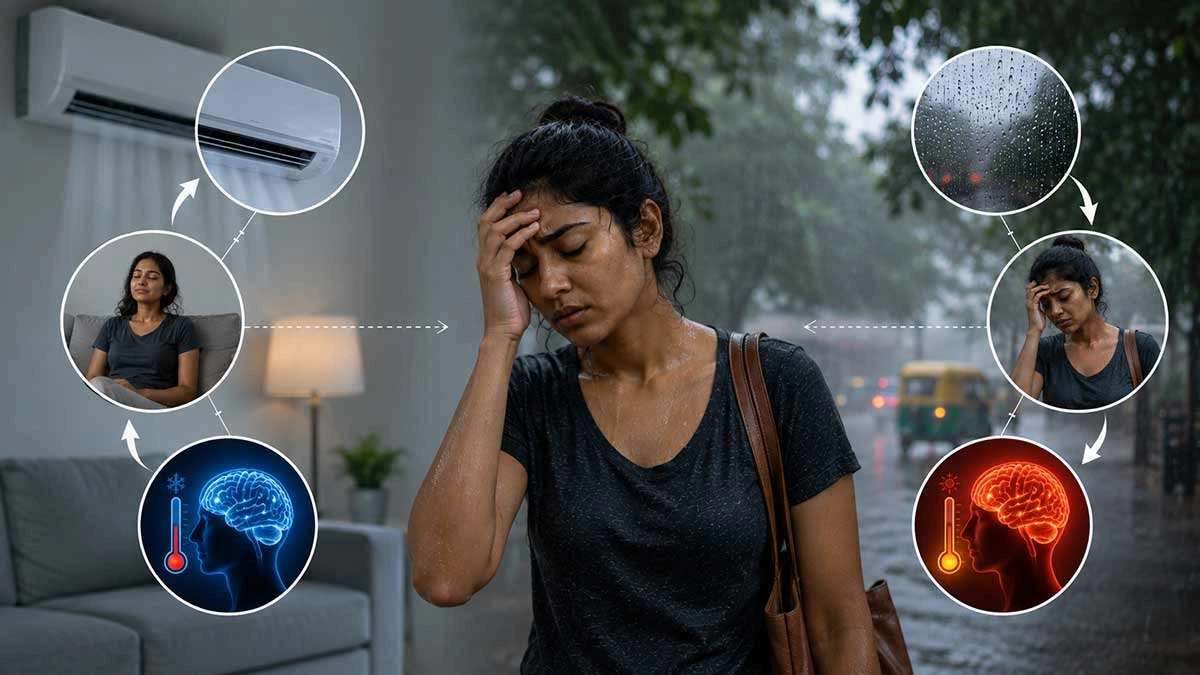
5056An office job with AC may be relaxing, but it can also harm your health; we can sit all day without realizing it. But when we get out to get some fresh air or change our temperature surroundings, it seems to be very irritating; you can't tolerate a few minutes in sunlight, whether the weather is dry or humid.
Well, it feels so draining to move from AC to humid outdoors all day, which could be justified in nature because High moisture in the air stops your sweat from drying fast. Your body works much harder to cool down, which drains your energy and makes you feel weak or sluggish. But if it's dry air outside and you are still facing issues with your body's capacity, then maybe you are developing a disease or health issue in you.
Why Humidity Causes Fatigue
Moving from very cold air to heated or warm air shocks your body; your heart starts beating faster than usual because that sudden heat-up is trying to balance out your body temperature according to the outside temperature. Your heart beats faster to cool you down, your blood vessels expand, and sweat stops evaporating easily
This leads to pressure on your body while maintaining a stable temperature, which makes you feel very tired and drained. And humidity can't let you sweat because of the high humidity in the air; the body is not able to release the heat, which leads to a sticky body that won't let sweat evaporate.
Other Factors that can cause fatigue
Apart from the humidity, these factors also contribute to a tired body and fatigue
- Dehydration
- Fever and pain
- Past medical history
- Poor sleep
- Weak Digestion
- Diarrhea
- Fluid and Salt loss
- Excessive Sweating
How can we restore energy
Well, if you experienced this and may be causes are dehydration and humidity, there are some possible ways for you to restore energy
Drink water: Sip cool water all day even if you do not feel thirsty.
Normal room temperature: Step into a normal room temperature to let your body rest.
Rest often: Stop your tasks and sit in a cool or shaded spot.
Wear loose clothes: Choose light, loose clothing so air can touch your skin.
Hydration is a priority; try to maintain the liquid in your body, use ORS, or take lemonade.
Simple habits that can help you
Pay attention to symptoms such as dizziness, weakness, or unusual fatigue
Eat lighter and balanced meals instead of very heavy meals
Use shade or a cool environment when you begin feeling overheated.
Wear light and breathable clothing
Avoid unnecessary outdoor activity during peak heat.
When tiredness should not be ignored
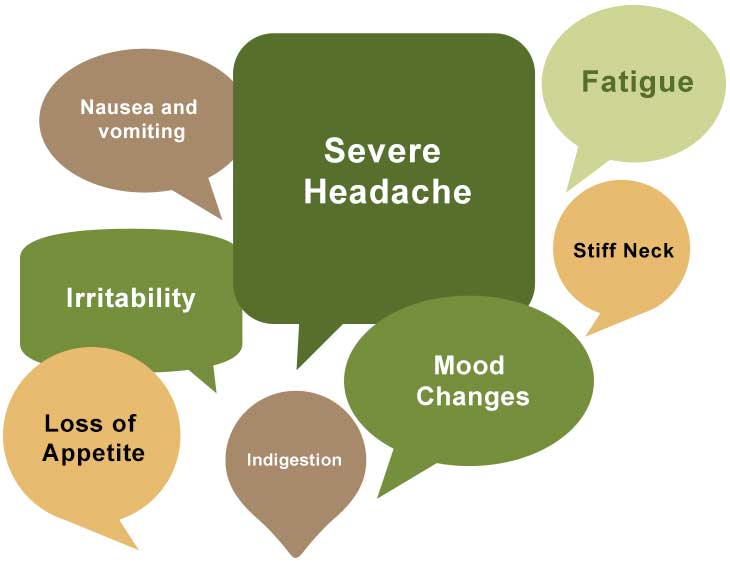
Feeling tired after spending time in hot and humid weather is common; however, frequent or worsening symptoms should not be simply blamed on the weather. Confusion, fainting, weakness, difficulty in breathing, vomiting, and a very high body temperature or loss of consciousness can be signs of heat-related illness and require urgent medical attention.
People who are older, pregnant, very young, or living with certain medical conditions may also need to become more cautious during periods of high heat and humidity.
For Natural Remedy to Build Endurance or Capacity
If you want your body to be stronger against heat strokes and humid outdoor conditions, you need to build your body in that way naturally by including physical activities more prone to heat, high-endurance exercises, and better hydration. Also, minimize AC use or try to avoid it if your outdoor walking and running capacity is very low.
Let your body sweat and work out for better heat tolerance
Build capacity to stay in a natural environment
Hydration is the key to a perfect body
These things are ideal for a healthy person. If you have a disease or are going through any medical condition, please consult a professional before doing anything.
Conclusion
Moving between the AC and humid outdoor conditions can feel exhausting because your body has to constantly adjust to changes in temperature and humidity. Although we have some precautions and remedies to get over it, if you still don't get over it, then you need to get advice or medical review by a verified health coach or doctor if you are having any persistent symptoms and your body is not responding according to you.
Don't let your body get more ill. Make a rational choice today.
References
Heatstroke: Causes, consequences and clinical guidelines - The National Medical Journal of India
Heat Stroke in the Era of Global Warming: A Call for Urgent Action - PMC
Evidence-Based Heatstroke Management in the Emergency Department - PMC