 Published on
22 Jun, 2026
Published on
22 Jun, 2026 Updated on 22 Jun, 2026
 5111
5111You know the routine. You finish a heavy dinner. Ten minutes later, that familiar, fiery discomfort starts creeping up your chest. The sour taste hits the back of your throat. You walk to the medicine cabinet. You pop a chalky over-the-counter antacid. The burning stops almost instantly. You breathe a sigh of relief. But then, the second phase begins.
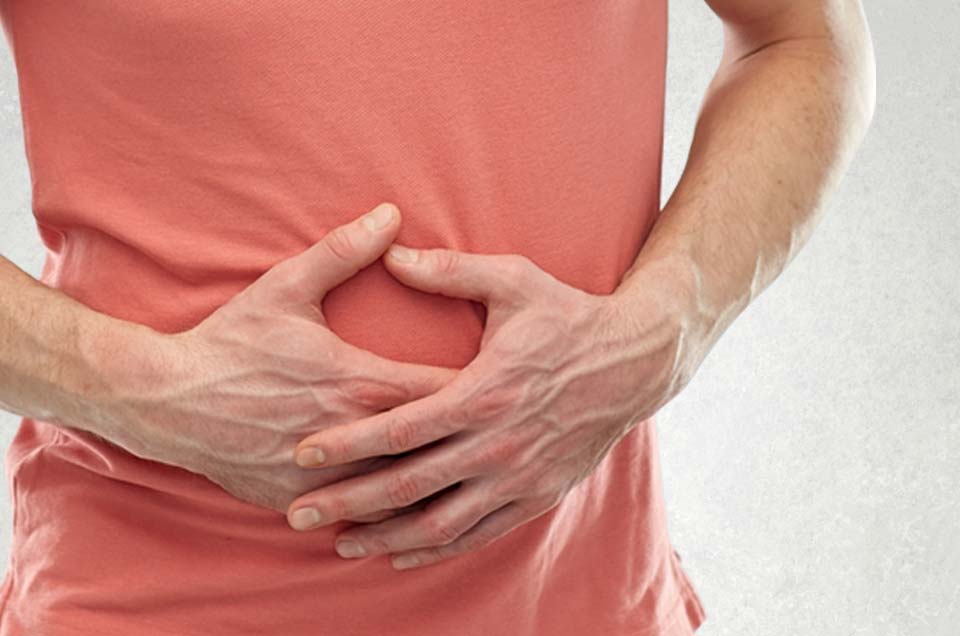
After 30 minutes, your tummy expands. The waistband is extremely snug. You have an uncomfortable and heavy bloated sensation that persists for hours. You may have relieved the symptoms of heartburn, but you brought on a whole new set of miseries.
For millions of adults, this is a daily cycle. Antacids are treated like after-dinner mints, consumed casually to erase the consequences of a rich meal or a stressful day. But gastroenterologists and nutrition experts are increasingly warning against this casual consumption. The quick relief comes with a steep metabolic price. By constantly neutralising your stomach acid, you aren't just stopping the burn. You are actively shutting down your body’s entire digestive engine.
The Great Acid Misconception
To understand why antacids cause such massive bloating, you have to unlearn a very common medical myth. We have been sold the idea that heartburn is always caused by having too much stomach acid.
In reality, clinical studies show that the vast majority of people suffering from chronic acid reflux actually have low stomach acid, a condition known as hypochlorhydria. Your stomach should be very acidic. It's kind of like a biological vat of hydrochloric acid (HCl). It must be this acidic for two important reasons. First, the acid breaks down the proteins you eat, which is how it is able to break complex meats and plant structures down into absorbable amino acids. Secondly, it functions as a chemical security barrier. Eliminates poisonous bacteria, parasites, and pathogens in food.
There is a small muscular valve at the top of your stomach called the lower esophageal sphincter (LES). This valve is acid-sensitive. When your stomach is highly acidic, the valve gets the signal to snap shut tightly, keeping the acid where it belongs. When your stomach acid is too low, the food just sits there, heavy and stagnant. The valve doesn't get the strong signal to close. It stays slightly open. The tiny bit of acid you do have splashes up into your unprotected esophagus. You feel a terrible burn. You assume you have too much acid. You take an antacid.
The Fermentation Station
Here is exactly what happens when that chalky, alkaline tablet hits your stomach. It acts like a fire extinguisher. It immediately neutralises whatever acid is present. The burning in your chest stops.
But down in your stomach, a biological traffic jam has just started. Because you neutralised the acid, your stomach can no longer break down the meal you just ate. The food remains largely intact. Your stomach eventually gives up and pushes this partially digested food into the small intestine.
Your small intestine is not equipped to handle large, unbroken proteins and carbohydrates. When this undigested food arrives, the natural bacteria living in your gut look at it as a free, all-you-can-eat buffet. The bacteria begin to feast on the stagnant food. They ferment it.
Bacteria break down carbohydrates and proteins and release gas as a waste product. This gas becomes lodged in the confines of your gut. Your belly becomes swollen. You have severe flatulence, cramping, or bloating. The antacid didn't help with the digestion. It just moved the issue from chest to tummy.
The Long-Term Danger: SIBO and the Rebound Effect
Occasional bloating is uncomfortable. Chronic bloating caused by daily antacid use is actually dangerous.
Regularly taking stomach acid suppressants (either over-the-counter or stronger prescription drugs called proton pump inhibitors) eliminates your natural barrier against bacterial overgrowth. If that acidic barrier is not present, then bacteria from your large intestine can slowly creep up through the small intestine, an area that's supposed to be quite sterile.
This condition is called Small Intestinal Bacterial Overgrowth (SIBO). Once SIBO sets in, you will experience severe bloating no matter what you eat. Even healthy foods like apples or broccoli will cause your stomach to inflate like a balloon within minutes.
Furthermore, your body is smart. When you constantly neutralise its acid, it panics. The stomach realises it isn't doing its job. Once the antacid wears off, the stomach cells go into overdrive, pumping out massive amounts of acid in a desperate attempt to catch up. This is known as acid rebound. It ensures that your heartburn comes back twice as bad the next day, trapping you in a perpetual cycle of buying and consuming more antacids.
Ancient Wisdom Catching Up to Modern Physiology
Interestingly, modern gastroenterology is finally catching up to concepts that traditional medicine has understood for thousands of years. We are now realising that trying to forcefully suppress the body's natural functions usually backfires.
The Ayurvedic lifestyle approach is very logical, and this is exactly where the digestion problems lie. In Ayurveda, digestion is under the control of Agni, meaning "digestive fire. During this fire, food can be efficiently converted to energy. Food becomes Ama, a toxic sludge that causes bloating, lethargy, and sickness when it is weak and damp.
Taking an antacid is quite literally pouring alkaline water on your internal fire. An Ayurvedic approach focuses on doing the exact opposite. It seeks to gently stoke and support the natural acid production. This involves simple, daily practices. Sipping warm ginger tea before a meal to stimulate gastric juices. Eating your largest, heaviest meal in the middle of the day when the sun and your internal fire are at their peak. Avoiding ice-cold drinks during dinner, which constrict blood vessels and dilute the stomach acid. By working with the body’s natural heat rather than chemically extinguishing it, the digestion completes its cycle without the painful, gassy aftermath.
Breaking the Cycle
Getting off the antacid rollercoaster requires a shift in how you eat, not just what you take after you eat. If you want to stop the heartburn without triggering the bloat, you have to support the acid, not kill it.
- Chew your food to a paste: Digestion begins in the mouth. Saliva contains enzymes that start breaking down carbohydrates before they even hit the stomach. If you swallow large, unchewed chunks of food, your stomach has to work twice as hard, requiring more acid and more time.
- Stop flooding your stomach: Drinking huge glasses of water or soda while you eat dilutes your natural hydrochloric acid. Keep liquids to a minimum during meals. Hydrate heavily between meals instead.
- Prime the stomach: Some holistic nutritionists suggest eating bitter greens (such as arugula or dandelion) or taking a small amount of diluted apple cider vinegar 15 minutes prior to a large meal. The taste causes the stomach to produce acid naturally, thus preparing the food for quick and efficient breakdown.
- Space it out: Give your digestive system a break. Grazing all day means your stomach never gets to empty fully. Leaving three to four hours between meals allows the stomach acid to rise, do its job, and naturally sweep the digestive tract clean.
Heartburn is an indicator light on your body's dashboard. It is a warning to you that the digestive process is toiling. When she reaches for her antacid, it's like her smashing the warning light with a hammer. The light is out, but the engine is still dying. Cease and desist using the acid as your enemy. Listen to your stomach; it does its own job best, and then the bloating will pass.
References:
Antacid abuse: a rare cause of severe hypercalcaemia - PMC
https://www.healthline.com/health/antacids
Antacids, Altered Mental Status, and Milk-Alkali Syndrome - PMC