 Published on
24 Aug, 2026
Published on
24 Aug, 2026 Updated on 24 Aug, 2026
 5059
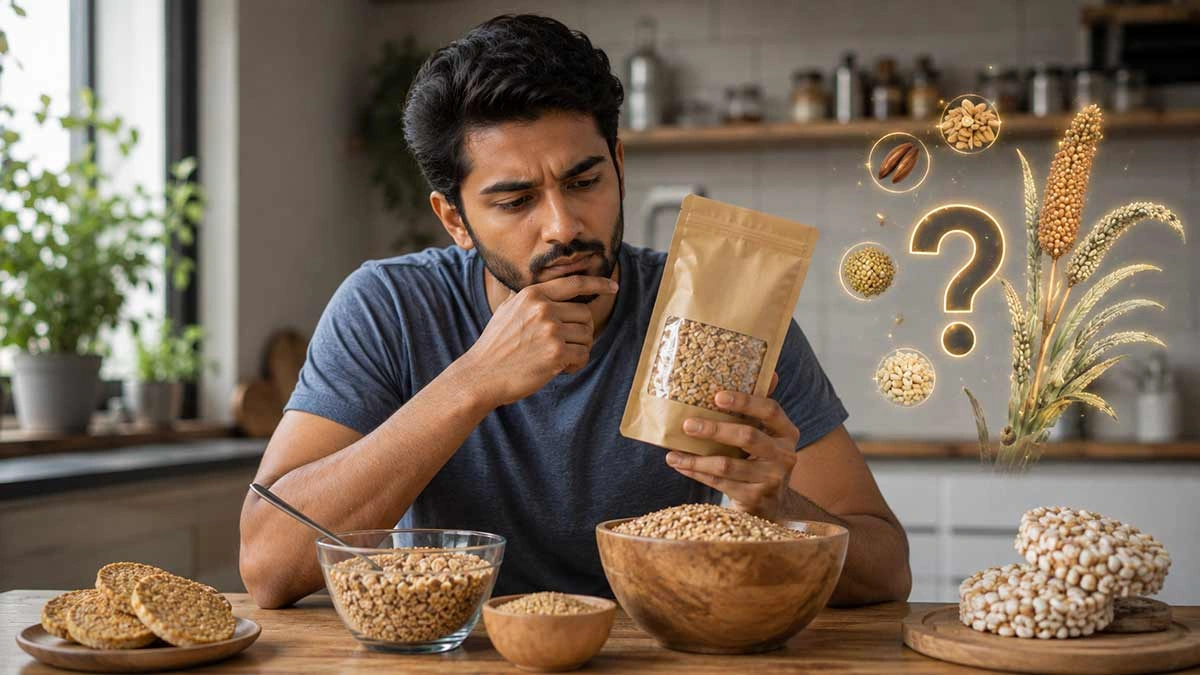
5059In modern times, we have seen that millet-based foods are getting closer attention because of their high nutritional value, but before including them in your diet, people are confused about whether millet-based foods are always a better choice. Here we need to understand that millet itself can be nutritious; it provides carbohydrates, fibre, minerals, and, depending on the variety, a useful amount of protein. Still, there is an important difference between eating whole and minimally processed millet and choosing a package simply because it contains millets. So are millet base package foods always a better choice? Not necessarily; the health value of packaged millet products depends on what has been added, how much processing it has undergone, and how you eat it.
Whole Millet and Millet-Based Products Are Different
Whole millets are the unprocessed and raw millet that we get directly after cultivating (after husk removal), or we can call it minimally hulled; we can call it the most natural form of the crop that we get as the primary form of them. These are not consumer goods
While millet-based products are processed food that can be categorized under consumer goods categories like pasta, bread, cookies, and flour, which are manufactured using millets as a primary or secondary ingredient.
So we can say that the main difference between whole millet and millet-based products is that whole millet is a staple food and flours while millet-based products are snacks and Convenience Foods like puffs, flakes, noodles, and bakery items.
Fibre Matters Too
one advantage of many whole grains is their fibre content, but amount of fibre in a package millet product can be very considerable a product made family from whole or less refined millet may retain more of the grains nutrition quality, highly process product may have very different nutritional profile when comparing two product check the fibre for serving and rather than assuming that both provide the same benefit simply, because they contain millets.
Gluten-Free Does Not Automatically Mean Healthier
All pure grains are naturally gluten-free. However, the raw whole grains are processed into millet-based things, which may differ because of the factory process, which can introduces cross contamination or hidden gluten additives gluten free millet cookies can still be high in sugar and fat, A millets snack can still be high in sodium, the absence of glutine is important for the people with specific medical needs but for most people it should not be treated as guarantee of better nutrition however gluten free package foods are not automatically healthier.
How To Choose Better Millet Products
To choose a better millet product, look for unpolished grains that retain their natural outer bran layer, check for a visible "millet eye" on the grain to avoid adulteration, pick organic certifications, and match the specific millet variety to your cooking and health goals
If you’re just starting with millets, don’t try every variety at once. Instead, match the millet to the type of meal you want to prepare.
- For breakfast: Ragi, Foxtail Millet, Barnyard Millet
- For lunch: Little Millet, Foxtail Millet, Kodo Millet
- For dinner: Barnyard Millet, Little Millet, Kodo Millet
- For rotis: Pearl Millet (Bajra)
- For grain bowls and salads: Foxtail Millet and Kodo Millet
- For baking: Finger Millet (Ragi)
What Are The Health Benefits
Millets-based snacks have emerged as not only tasty alternatives, but also as nutritional powerhouses. Let's see the specific health advantages that make millet-based eating a smart choice
Rich Nutritional Profile: Millets are packed with essential nutrients like fibre, vitamins, and minerals. These nutritional benefits are retained in the form of snacks, while offering consumers a wholesome treat that contributes to overall well-being.
Balanced Blood Sugar Levels: Millets have a low glycemic index, making them an excellent choice for maintaining stable blood sugar levels also provide a sustained release of energy, preventing the rapid spikes often associated with refined carbs.
Improve digestion: The fibre present in the millets supports healthy gut health and the digestive system, resulting in preventing constipation and regulating the movement of the intestines.
Nutrient Absorption Boost: The presence of certain compounds in millets can enhance nutrient absorption. This means that the body can make better use of the essential vitamins and minerals present in both the millets and other foods consumed
Helpful for weight management: If you feel unsatisfied with your weight and your weight drops or increases randomly, and you want to have a perfect balance weight, then a dietary change in accordance with the millet diet can be helpful for you.
Heart-Healthy Choices: Millets contain nutrients like magnesium and potassium, which are associated with cardiovascular health.
Portion And Size Matter Too
While consuming millet grains or packaged millet food, keep in mind that every individual has their own capacity to consume any food, so portion and size must be in accordance with your body; balancing things out while your dietary plan is going on is very necessary.
Also, you are advised to check whether you have any allergies or whether a specific portion or quantity is suitable for your body type.
Conclusion
Millets and packed millets products are different, but they both are holding nutrtional value in them, processed food may lack the natural qualities. From supporting heart health to aiding in weight management, millet-based snacks offer a range of advantages that align with the growing focus on mindful and nutritious eating. And when it comes to packaged millet food, it's not only a food trend; it's the evolution of nutrition, but it still can't compete with the real millet grain, which is the primary form of it. And every person has their own choices and body to choose or adapt to any food.
References
Empowering India through Millets
Modern Processing of Indian Millets: A Perspective on Changes in Nutritional Properties - PMC
Market Research Reports and Consulting – Global Insight Services Millet Based Packaged Food Market