 Published on
23 Jul, 2026
Published on
23 Jul, 2026 Updated on 23 Jul, 2026
 5083
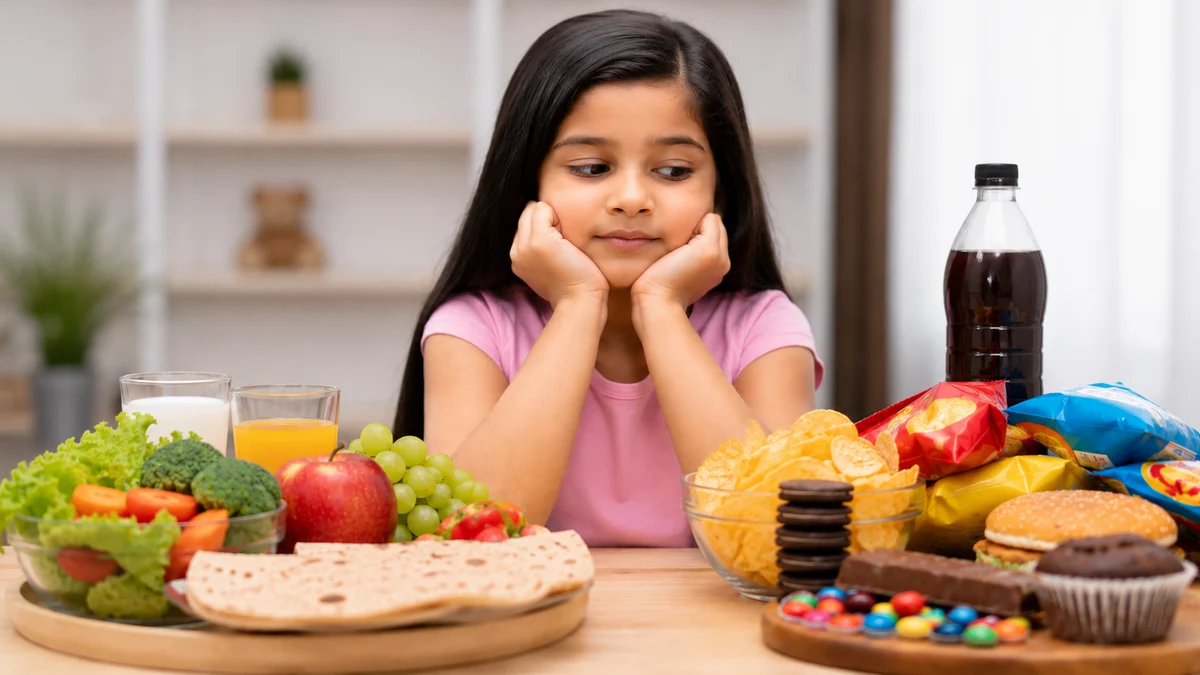
5083As parents, we constantly worry about what our kids are eating. Every meal they eat helps them grow, builds their brain, and keeps them safe from falling sick. Usually, our biggest worry is sugar. We try to stop them from eating too many sweets or chocolates. But lately, another hidden problem has quietly sneaked into our kitchens: ultra-processed foods.
From morning cereals and colorful fruit drinks to evening noodles and chips, these foods have become a normal part of our day. We now know that eating too much of these packaged foods can actually change how a child's body handles energy, even long before any real sickness like diabetes shows up.
Understanding Insulin in Simple Terms
When children consume processed food daily, their body gets more work to do in order to obtain energy. In order to understand why it is so important, it is necessary to know about the role of insulin.
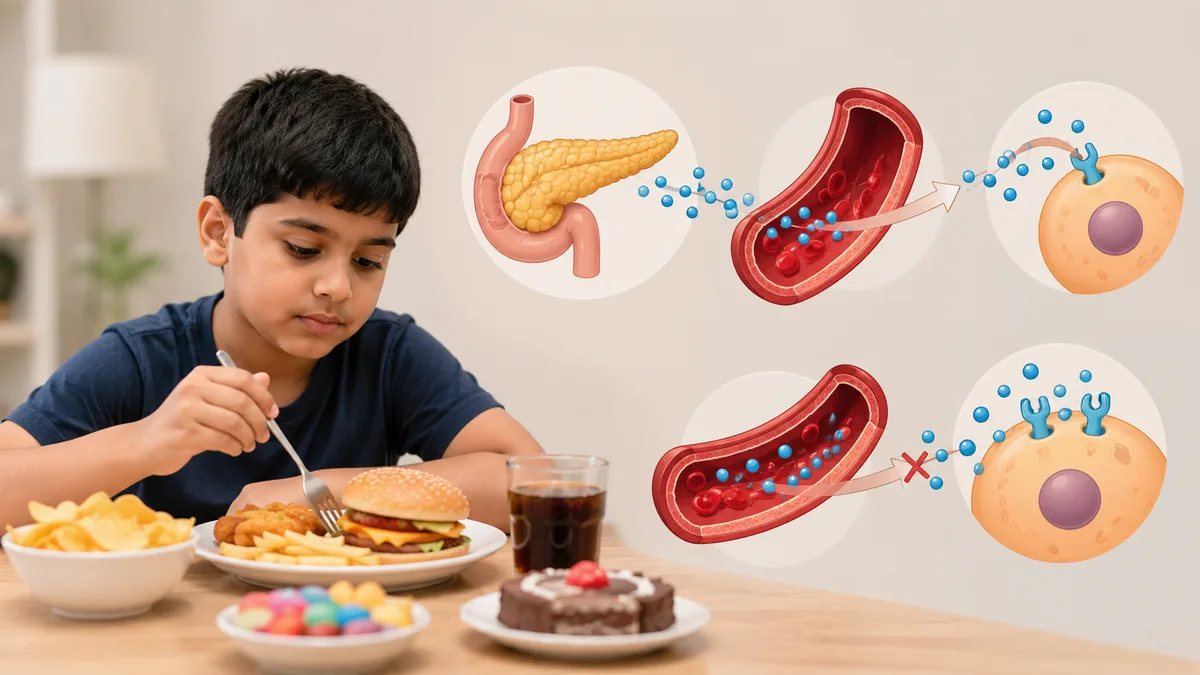
When the child consumes food, his/her blood sugar level increases. Insulin is a very small messenger produced by an organ known as the pancreas. Its main task is to take this sugar out of the blood and deliver it to the body cells to provide children with energy for their activities.
What is Insulin Resistance?
Sometimes, when a child eats too much junk food constantly, the cells stop opening the door for the delivery driver. The body gets confused and thinks, "We need more drivers!" so it makes more and more insulin. This is called insulin resistance. Their blood sugar might look totally normal, but their body is silently overworking. If the body keeps overworking like this for years, it can eventually lead to type 2 diabetes.
Why Packaged Foods Cause This Trouble
Why do these specific foods mess with a child's body? It comes down to how they are made.
Too Much Hidden Sugar and Refined Flour: When one consumes biscuits and instant noodles, the sugars get digested quickly in the stomach, resulting in a sudden increase in the level of sugar in the blood, which prompts the body to produce a large amount of insulin. The consumption of such foods regularly puts a strain on the body.
Bad Fats and Additives: Packaged foods contain unhealthy fats and chemicals that act quietly on the body to create an inflammation that makes the body resistant to insulin.
Lack of Fiber: Many processed foods are low in fiber. Fiber is responsible for slowing down the rate at which sugar is absorbed by the body. With a lack of sufficient fiber, the level of blood sugar will spike, leading to the release of additional insulin in the body.
Early Warning Signs Parents Should Watch For
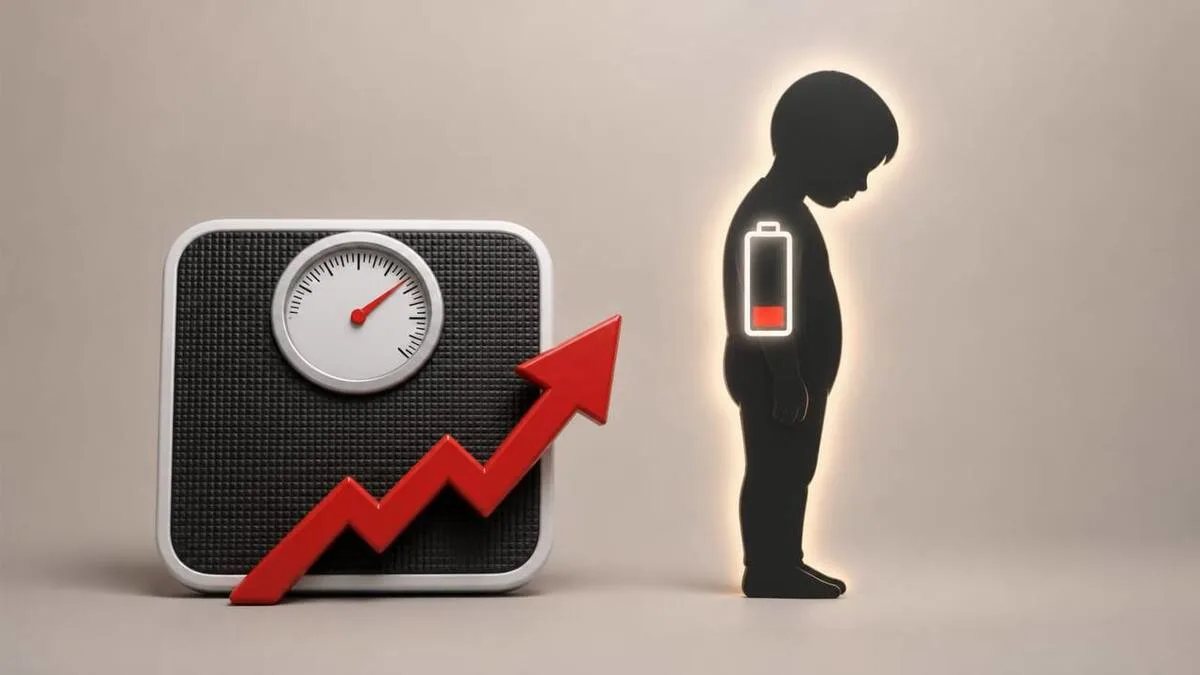
These changes happen very quietly on the inside. A child will not feel sick right away. However, you can look out for a few soft warning signs:
- Rapid weight gain, particularly in the belly area.
- Exhaustion or lethargy constantly.
- Feeling constantly hungry despite having just eaten.
- Lack of interest in physical activity.
- Visible signs of dark velvety skin around the neck or armpits (a strong indicator that the body struggles with insulin resistance).
Ayurveda’s View on a Child’s Health
Ayurveda, the ancient Indian science of health, looks at this problem very simply. It is all about how well the stomach digests food.
The Digestive Fire (Agni): Ayurvedic belief is that we all have a digestive fire within our stomach known as Agni. If children are supposed to be physically strong, the Agni must be burning brightly. Heavy, cold, stale, and packaged foods put out the fire in them, and their digestion slows down.
Sticky Waste (Ama): Since digestion is not done properly because of the fire being weak, the result is a sticky, toxic waste product referred to as Ama. As per Ayurvedic belief, if children consume too many packaged foods, there will be an accumulation of this sticky waste, which will block energy.
Heavy Energy (Kapha Imbalance): Processed foods are heavy, sweet, and oily. The intake of such foods results in an increase of heavy, sluggish energy (Kapha) within the body. It causes excessive weight gain and laziness.
Doctor’s Note
Regular consumption of ultra-processed packaged foods can silently lead to Insulin Resistance in children, increasing their future risk of Type 2 diabetes. While adopting fresh, home-cooked meals and an active lifestyle is highly recommended, warning signs like sudden extreme thirst, frequent urination, unexplained weight changes, constant exhaustion, or dark velvety skin patches on the neck and underarms should never be ignored. These symptoms require immediate medical evaluation.
Ayurvedic Food Habits for Growing Kids
Ayurveda always advises you to have food that is light, fresh, and warm.
To have a good digestive system in your child, try to feed them:
- Feed them whole fruits instead of feeding them fruit juices.
- Cook colorful vegetables for them.
- Also, include grains like wheat, rice, and oats in their food.
- Give them some moong dal and warm soup.
- A little amount of pure ghee should be included in their diet as it is good for brain development.
- Feed them soaked nuts in water, like almonds and walnuts.
Always try to serve them food that is warm and fresh and try to avoid snacking in between all the time.
Simple Daily Habits That Can Help Control Insulin
Good health is not just about food. Small everyday habits make a huge difference:
- Push them to play outside and run around every single day.
- Make sure they sleep on time; good sleep heals the body.
- Swap cold drinks and juices for plain water or fresh nimbu pani.
- Cut down on mobile and TV time, especially while they are eating.
- Sit together and eat meals peacefully.
Easy, Healthy Snack Swaps
You do not have to ban snacks entirely. Just swap the factory packets for healthy home choices:
- Instead of chips, serve roasted makhana with some ghee and salt.
- Instead of cookies, serve roasted chana or peanuts.
- Instead of instant noodles, eat poha, upma, or idlis.
- Provide slices of fresh coconut or sprouts instead of namkeen.
- Instead of boxed juices, blend fresh fruits to make a smoothie.

When Should You See a Doctor?
If you ever notice these signs, it is a good idea to chat with a doctor:
- Your child is becoming thirstier than usual.
- They need to go to the bathroom frequently to urinate.
- There is an unexplained loss or gain in weight.
- Your child seems to be tired all the time.
The Bottom Line
What our kids eat today builds their bodies for tomorrow. Overconsumption of ready-to-eat food can put an unhealthy strain on the body.
You do not have to be perfect always; even little changes can make a lot of difference, such as eating an apple instead of drinking a carton of packaged juice, or having poha instead of processed noodles. By combining the pure teachings of Ayurveda with regular physical activity, one can provide the most beneficial start to their child’s long, healthy life.
References
Reducing free sugars intake in children to reduce the risk of noncommunicable diseases
Guideline: sugars intake for adults and children
WHO calls on countries to reduce sugars intake among adults and children