 Published on
20 Jul, 2026
Published on
20 Jul, 2026 Updated on 20 Jul, 2026
 5076
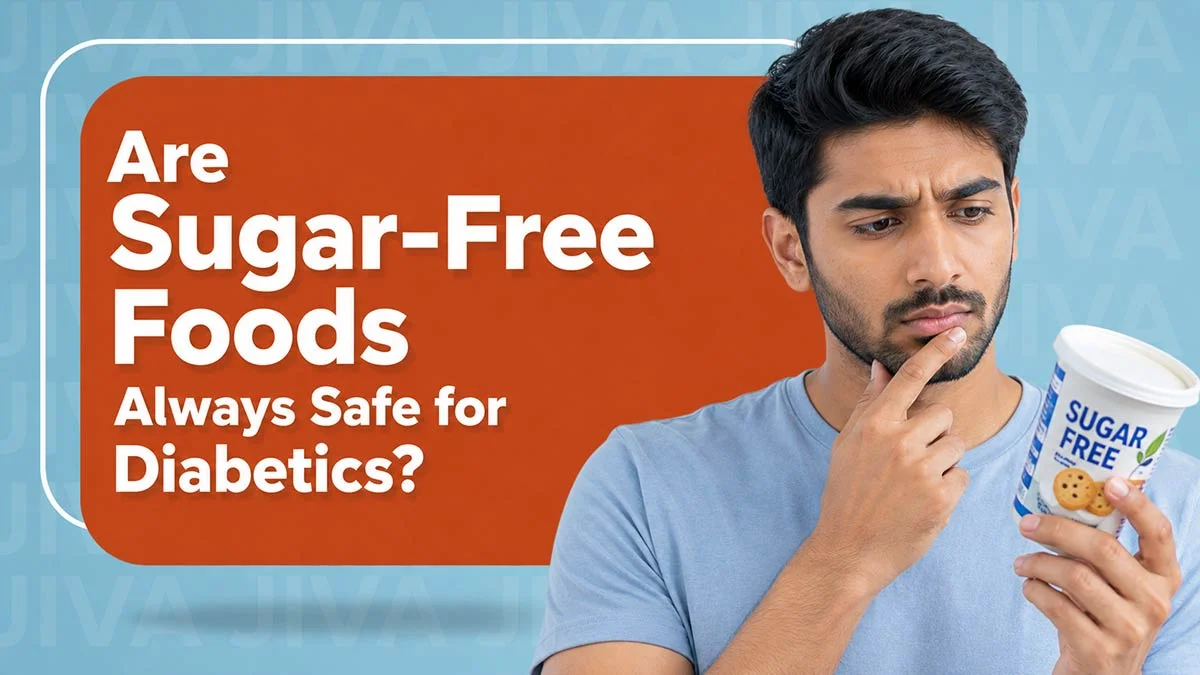
5076While you’re walking down the supermarket aisle, you try hard to make healthier choices after a recent diagnosis of prediabetes or diabetes. You stop in front of the bakery or snack section, and there it is: a giant, glowing halo around a box of cookies or a bottle of juice with the words "100% SUGAR-FREE" printed in bold letters.
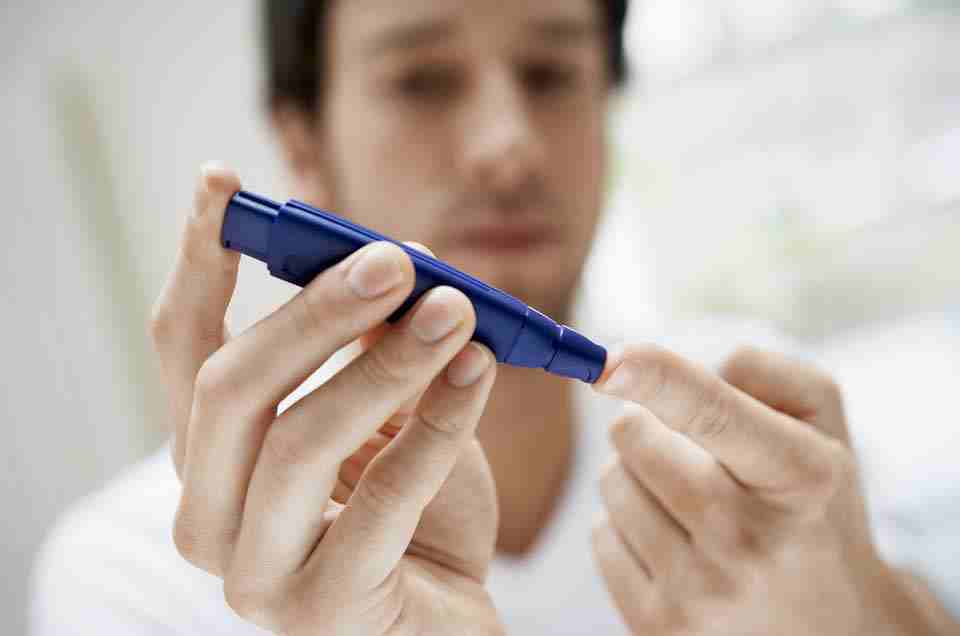
A wave of relief washes over you. You toss three boxes into your cart, thinking you have finally found the ultimate cheat code. You can eat the sweets you love without spiking your blood sugar. It feels like a massive win. But a few hours later, after enjoying your guilt-free snack, you check your blood sugar on your glucometer. Instead of staying perfectly stable, your numbers have shot up. Or worse, your stomach feels like it is tying itself in knots, bloated and heavy, leaving you feeling completely exhausted.
The frustration of doing everything "right" by choosing sugar-free options, only to have your body react poorly, leaves thousands of people completely baffled every year. If there is no sugar in the food, what exactly is happening inside your system? Let us break it down simply using the timeless wisdom our grandmothers relied on long before food labels existed.
The Crisis: What "Sugar-Free" Actually Means
Before we talk about whether you should eat these foods daily, we have to clear up a massive piece of confusion about what "sugar-free" actually means to a food manufacturer versus what it means to your body. Many people assume that "sugar-free" automatically means "carb-free" or "calorie-free." This is completely false.
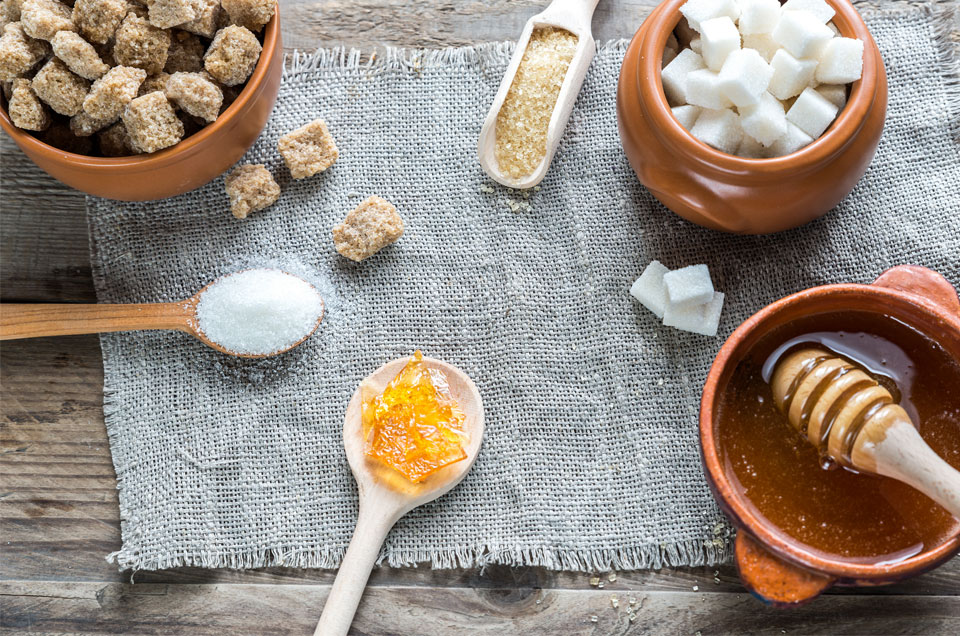
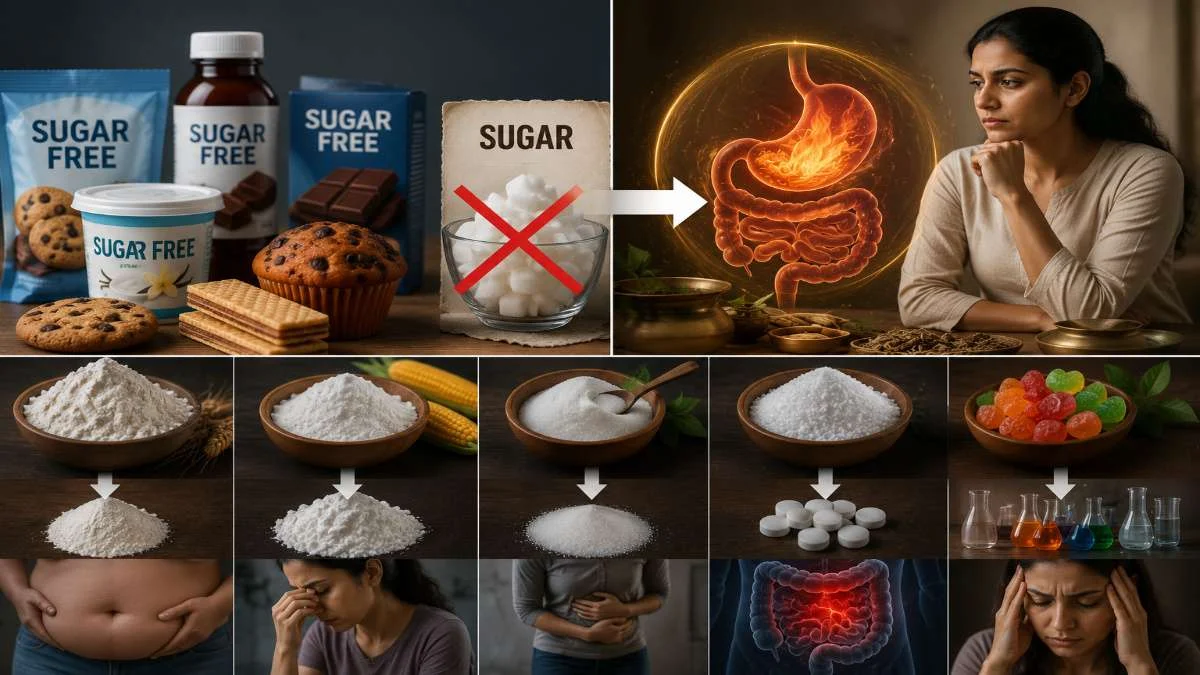
In the modern food industry, "sugar-free" simply means they did not add traditional white cane sugar. However, to make the food taste good and hold its shape, they have to replace that sugar with something else. Usually, this means loading the food with refined flours, hidden starches, chemical sweeteners, or sugar alcohols.
When you look at this through the lens of traditional Indian medicine, the sweet taste (Madhura Rasa) is inherently heavy, cooling, and building. When you eat a chemically engineered sweet food, you are tricking your tongue, but you cannot trick your digestion (Agni).
The Hidden Carbohydrate Trap: When "No Sugar" Still Spikes You
If you eat a sugar-free biscuit and your blood sugar still spikes, you are likely falling into the carbohydrate trap.
In Ayurveda, diabetes (often correlated with Prameha or Madhumeha) is viewed as a metabolic disorder where the body loses its ability to properly process heavy, sweet, and sticky foods.
- The feeling: You eat a sugar-free snack, expecting stable energy, but instead, you feel a sudden rush followed by the classic sluggish, heavy fatigue of a blood sugar spike.
- The reality: Even if a cookie has zero added sugar, it is usually made of refined wheat flour (Maida) or cornstarch. Your digestive fire (Agni) breaks these refined flours down into pure glucose almost as fast as it breaks down white sugar. Your bloodstream doesn't care if the package said "sugar-free"; it only cares that you just ate a highly processed carbohydrate that is flooding your system with glucose.
The Sugar Alcohol Problem: When "Sugar-Free" Ruins Digestion
What if your blood sugar stays perfectly normal after eating a sugar-free chocolate, but an hour later, your stomach inflates like a balloon, and you are rushing to the bathroom? You have just met sugar alcohols (like Maltitol, Sorbitol, or Xylitol).
- The feeling: Severe bloating, loud stomach rumbling, excessive gas, and sudden diarrhea shortly after eating a sugar-free treat.
- The reality: From an Ayurvedic perspective, these artificial sugar alcohols are incredibly Guru (heavy) and nearly impossible for the human gut to fully digest. Because your body cannot break them down, they travel to your colon, where they ferment. This creates a massive spike in Vata dosha (the energy of wind), leading to painful trapped gas and digestive distress. You saved yourself a sugar spike, but you destroyed your digestive fire in the process.
Artificial Sweeteners: Confusing Your Brain and Body
Then we have the zero-calorie artificial sweeteners like Aspartame or Sucralose, often found in diet sodas and sugar-free syrups.
- The reality: When the sweet taste hits your tongue, your brain immediately sends a signal to your pancreas: "Get ready, heavy nourishment is coming! Release insulin!" But when the artificial sweetener hits your stomach, there are no actual calories or carbohydrates to process.
- The consequence: Over time, this constant "crying wolf" confuses your metabolic hormones. In Ayurveda, this disrupts the natural intelligence (Pragya Aparadha) of your bodily tissues. Your body begins to crave real, heavy carbohydrates to make up for the fake sweetness, leading to severe sugar cravings later in the day.
Traditional Alternatives That Actually Support Your Body
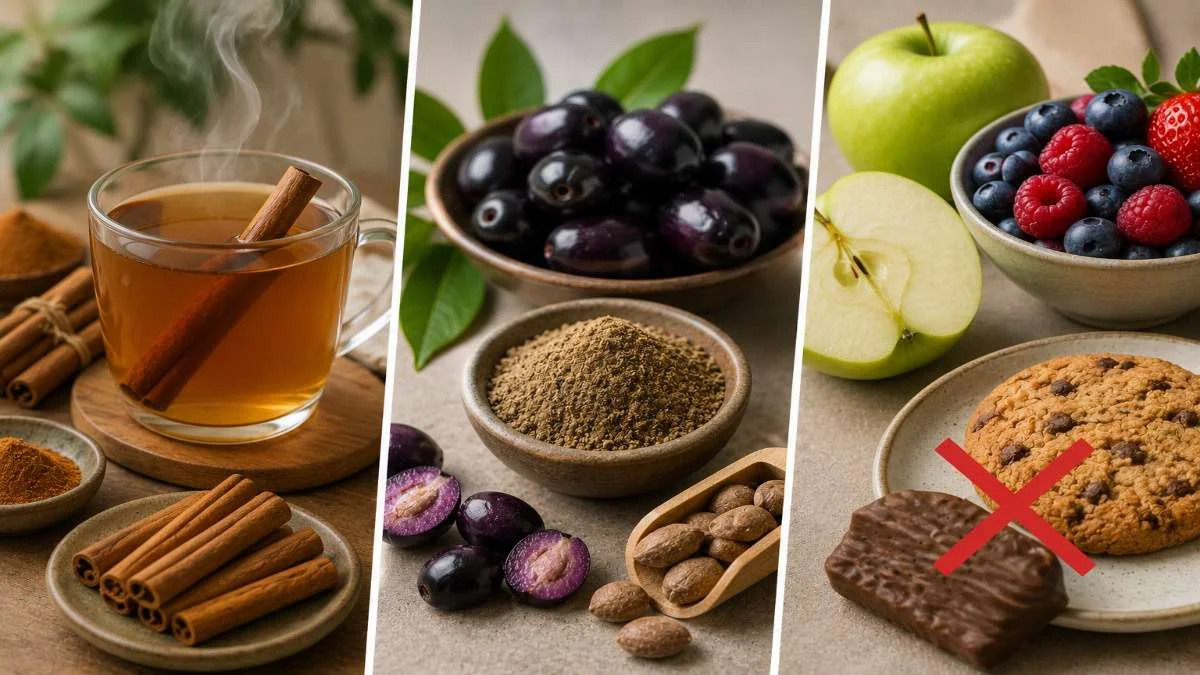
We do not always need a laboratory to give us a sweet treat. If you are managing your blood sugar, your kitchen already holds natural, whole-food alternatives that satisfy the sweet tooth without destroying your metabolism or your gut.
- The Cinnamon Trick: Often called Dalchini, cinnamon has a naturally sweet, warming taste. Boiling a stick of true Ceylon cinnamon in your morning tea provides a sweet flavor while actively helping to sensitise your cells to insulin, lowering blood sugar naturally.
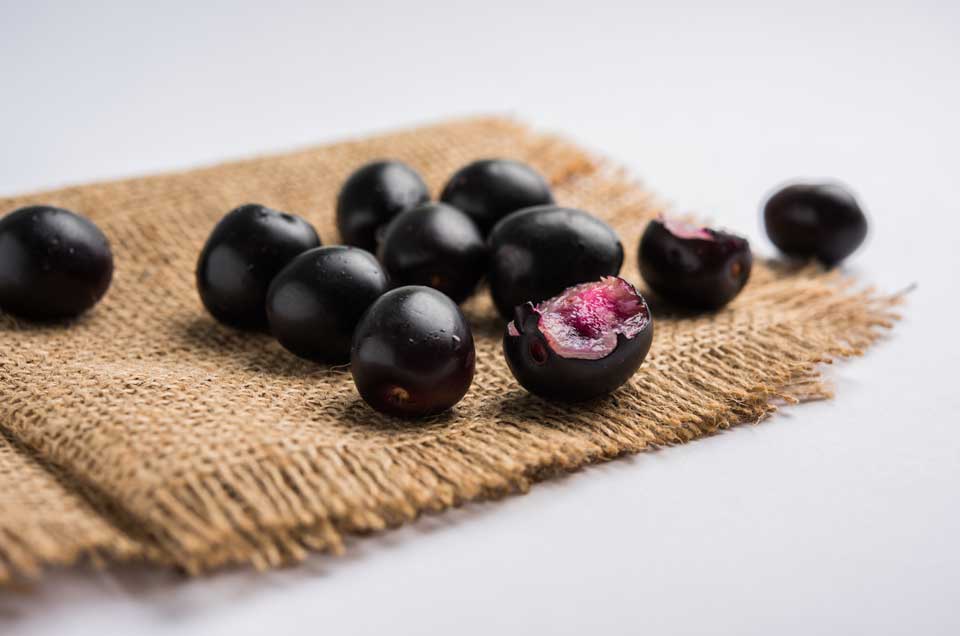
- The Jamun Seed Shield: For those dealing with high blood sugar, the powder of the Jamun seed (Black Plum) is a traditional powerhouse. It has an astringent taste that helps counteract the heavy, sweet nature of diabetes, naturally slowing down the release of sugar into the blood.
- Whole Fruits over Fake Sweets: Instead of a sugar-free chemical cookie, a small portion of a complex, fiber-rich fruit like a green apple or a handful of berries provides a natural sweet taste (Madhura). The high fiber content ensures the natural sugars are released slowly, preventing violent spikes.
Doctor’s Note
While understanding your food labels is powerful, diabetes is a serious, progressive metabolic condition that requires careful medical monitoring.
If you are currently taking prescribed insulin or oral hypoglycemic medications, you must be incredibly careful when changing your diet. Just because a food is labeled "diabetic-friendly" or "sugar-free" does not give you a free pass to eat unlimited quantities. Always read the "Total Carbohydrates" line on the nutrition label, not just the "Sugar" line. If you are experiencing frequent spikes or drops in your blood sugar, or if you are dealing with chronic digestive pain from sugar substitutes, you must consult your endocrinologist or a registered clinical dietician to adjust your food plan safely.
Conclusion
We spend so much time looking for shortcuts in brightly colored packages that we forget to look at what the food is actually made of. Just because a manufacturer removed the sugar does not mean they replaced it with something your body can actually use.
Your digestion is incredibly smart. It knows the difference between a natural, whole food and a chemical illusion. Listen to your body carefully. If a "sugar-free" food leaves you bloated and craving more sweets, or inexplicably tired, your body is telling you that the trade-off isn't worth it. Align with the natural wisdom of your metabolism, focus on whole, fiber-rich foods, and remember that true health is about nourishing your system, not just tricking it!
References:
16 Best Foods for People with Diabetes
WHO advises not to use non-sugar sweeteners for weight control in newly released guideline