 Published on
10 Apr, 2026
Published on
10 Apr, 2026 Updated on 16 Jun, 2026
 5151
5151When Blood Sugar Doesn't Stay Stable despite Medications
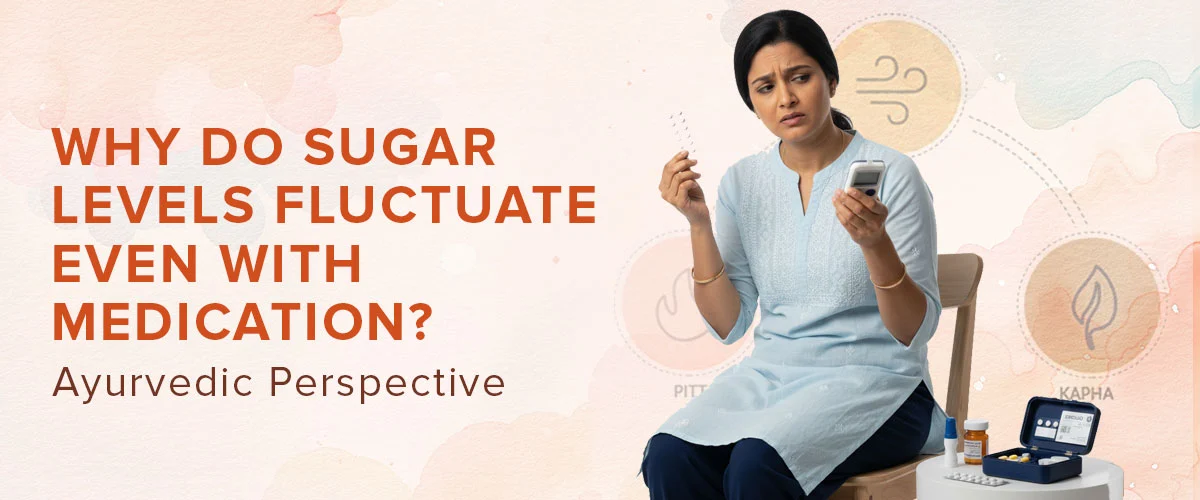
Sometimes, no matter how strictly one follows the prescription, the blood sugar levels may become unpredictable. People who adhere to the medication plan may become frustrated and perplexed. In reality, there are many factors that determine blood sugar stability, and medications are just one of them. Daily activities, mental well-being, nutrition, rest, as well as various infections, may affect the way the body reacts to medication. Learning about all the contributing factors will help patients gain better control over their condition and avoid complications.
Diabetes for Beginners
Diabetes is a chronic disease in which the body cannot regulate the amount of glucose circulating in the blood. Glucose is a vital source of energy that provides the body with fuel, and insulin, the hormone secreted by the pancreas, facilitates glucose entry into the cells.
Either too little insulin is produced, or insulin resistance occurs, which leads to excess glucose levels in the blood.
Various Types of Diabetes That You Should Be Aware Of
- Type 1 Diabetes
It is a condition that results from the immune system attacking insulin-producing cells in the pancreas. Consequently, there is minimal production of insulin by the body. It usually starts early in life and calls for long-term treatment with insulin.
- Type 2 Diabetes
It is the most prevalent type of diabetes. The body tends to resist the effects of insulin in this case, or it produces inadequate amounts of insulin. It is commonly linked to unhealthy behaviors like poor eating habits, lack of physical exercise, and obesity. This type of diabetes is slow to manifest and is prevalent among adults.
- Gestational Diabetes
It is diabetes that manifests during pregnancy. Although it normally disappears after birth, it makes one vulnerable to Type 2 diabetes in the future.
Warning Signs for Unstable Blood Sugar Levels
When blood sugar levels keep going up and down, one experiences various symptoms. Some common ones include the following:
- Exhaustion
- The urge to pee often, especially during the night
- Thirstiness
- Unusual changes in appetite
- Blurry vision
- Headaches
- Mood swings
- Poor wound healing
- Weight loss or weight gain without any obvious cause
These symptoms need to be taken seriously when they start happening repeatedly.
Why Sugar Levels May Go Up and Down Despite Medicine
One might think that taking medications for diabetes will keep the levels stable. Nevertheless, there are many causes of unstable sugar levels in people's lives on a daily basis.
- Irregular Eating Habits: Eating infrequently or eating too much and too often can negatively affect blood sugar regulation.
- Imbalanced Nutrition: A diet rich in carbohydrates, sugar, and processed food causes quick fluctuations in the amount of glucose in the blood. However, not providing enough nutrition leads to instability as well.
- Stress and Psychological Wellbeing: Stress affects the body through hormone release (cortisol), which raises glucose concentration in the blood. Stress affects people's ability to use insulin.
- Lack of Exercise: Physical activity is needed to improve the body's sensitivity to insulin. Lack of movement reduces this effect and causes high sugar concentration.
- Bad Sleep: Poor sleep negatively affects metabolism and leads to improper functions of the hormone.
- Improper Drug Intake: Irregularity in taking prescribed medications, including skipping or misusing doses or inappropriately taking drugs, reduces their effect on the body.
- Hormonal Imbalance: Changes in hormonal balance, especially in women, may impact blood sugar control.
- Illness or Sickness: Infections, even in small amounts, like having a cold or experiencing a fever, may contribute to raising blood sugar due to stress.
- Progress of the Disease: Diabetes is a progressive illness. With time, it leads to changes in insulin production and sensitivity to it.
Risk Factors and Possible Complications
|
Risk Factors |
Possible Complications |
|
Sedentary lifestyle |
Heart disease and stroke |
|
Unhealthy diet |
Kidney damage (nephropathy) |
|
Obesity |
Nerve damage (neuropathy) |
|
Family history of diabetes |
Eye damage (retinopathy) |
|
Chronic stress |
|
|
Poor sleep patterns |
Frequent infections |
|
Irregular medication use |
Severe hyperglycemia or hypoglycemia |
|
Smoking and alcohol use |
Blood vessel damage |
Diagnosis of Diabetes
Contemporary Medical Diagnosis
Contemporary medical practitioners use accurate tests for diagnosing and monitoring diabetes patients:
- Fasting Blood Sugar Test: It determines the patient's blood glucose level after an overnight fast.
- Postprandial Blood Sugar (PPBS): It measures blood glucose level following meals.
- HbA1c Test: This test helps estimate the average blood sugar level over 2-3 months.
- Oral Glucose Tolerance Test (OGTT): It measures how well the body responds to glucose.
They can be used for early diagnosis, monitoring, and adjustment of the treatment plan.
Diagnostic Process Based on Ayurveda
According to Ayurvedic beliefs, the condition known as diabetes is called Madhumeha and is a consequence of dosha imbalance. The main idea of the process of diagnosis is finding the root cause of the disorder and not the treatment of the symptoms only. The basic diagnostic methods are listed below:
- Prakriti: Determination of an individual's body constitution
- Nadi Pariksha (Pulse Diagnosis): Internal imbalance assessment based on pulse examination
- Evaluation of the Doshas: Defining the type of dosha which is unbalanced – Vata, Pitta, or Kapha
- Lifestyle and Diet Assessment
Diabetes According To Ayurveda
Under Ayurveda, diabetes is known as Madhumeha, which is one of the types of Prameha disease. Madhumeha is a metabolic disorder that occurs as a result of a disturbance in the three major doshas—Kapha in particular, followed by disturbances in Pitta and Vata. The primary causes of diabetes, according to the Ayurvedic system of medicine, include:
- Poor quality of the digestive fire (Agni)
- Accumulation of toxic materials (Ama) in the body
- Lack of activity and unhealthy dietary habits
- Overconsumption of foods that are sweet, heavy, and refined
When the fire of digestion is weakened, the process of assimilation of food becomes difficult for the body. As a result, toxins are accumulated within the body and clog body channels (Srotas), thereby causing metabolic disturbance in the body, resulting in diabetes-like symptoms. These include excessive urination, fatigue, and a sweet taste in the urine.
Herbs Used in Ayurveda for Treating Diabetes
There are various types of herbs used in Ayurvedic medicine, which help in the regulation of blood sugar levels and the metabolism of the body. These include:
- Gudmar (Gymnema Sylvestre): It is called “the sugar destroyer” because it helps to reduce sugar absorption and insulin production in the body.
- Karela (Bitter Gourd): It is effective in reducing blood sugar levels in the body.
- Jamun (Indian Blackberry): The seeds and fruit have been used to control blood sugar levels.
- Methi (Fenugreek): It contains soluble fiber, and it helps to increase insulin sensitivity and slow sugar absorption.
- Amla (Indian Gooseberry): It aids metabolism, increases immunity and regulates blood sugar.
- Neem: Used as a natural detoxifier in the body, helping to cleanse the blood.
The herbs mentioned above are prescribed by an Ayurveda practitioner depending on the condition of the patient.
Ayurvedic Treatment
In addition to internal medications, Ayurveda also involves external therapies and Panchakarma to detoxify the body.
- Panchakarma Detoxification: A series of cleansing techniques aimed at detoxification of the body system and improved metabolic functioning.
- Abhyanga (Massage with Oils): It helps in improving circulation and lowering stress.
- Swedana (Steam Bath with Herbs): Sweating assists in detoxifying the body and improving metabolism.
- Basti (Enemas Medicinal Preparations): Useful for balancing the Vata dosha in the body.
- Udvartana (Powder Massage): It aids in weight loss and metabolism improvement, especially in obese patients.
All these therapies depend on individual conditions and require expert guidance during administration.
Diet for Diabetes
A balanced and mindful diet plays a crucial role in managing diabetes effectively.
|
Recommended Foods |
Foods to Avoid |
|
Whole grains (barley, millets, oats) |
Refined flour (maida), white bread |
|
Green leafy vegetables |
Sugary foods and sweets |
|
Bitter vegetables (karela, neem leaves) |
Fried and processed foods |
|
Fresh fruits (in moderation) |
Packaged snacks and soft drinks |
|
Lentils and legumes |
Excess rice and potatoes |
|
Nuts and seeds (in small quantities) |
High-fat and junk foods |
|
Warm water and herbal teas |
Cold drinks and excessive caffeine |
Patient Testimonial:- Renu Lamba
“I am 60 years old, and I used to work as a teacher. I faced several health issues for the past 25 years, and I had borderline diabetes. However, in January, when I got tested, my diabetes levels suddenly spiked, and it was detected as extremely high. This was very distressing for me. The allopathic doctor prescribed medicines, but I was hesitant to take them for a lifetime. My husband always followed Dr. Pratap Chauhan on TV, and that’s how we learned about JIva.
We went to Jiva clinic, so over there, we found out that this is a diabetes management program, so we took that program.
I am really happy. My HbA1C was 8.2, and now it is 6.4, and very good results have come. We are really happy with Jiva’s medicine and the diet chart that they gave, the guidance that we got; it had a very good effect. I am feeling very healthy and active, my life is full of energy. I am very thankful to Dr. Pratap Chauhan and the Jiva team, who have helped us so much.”
Modern Treatment vs Ayurvedic Treatment for Diabetes
|
Aspect |
Modern Treatment |
Ayurvedic Treatment |
|
Approach |
Focuses on controlling blood sugar levels |
Focuses on treating the root cause and restoring balance |
|
Treatment Method |
Medicines, insulin, lifestyle advice |
Herbal medicines, diet, lifestyle, detox therapies |
|
Personalization |
Mostly standardized |
Highly personalized (based on Prakriti & dosha) |
|
Focus Area |
Symptom and sugar level management |
Overall health, metabolism, and internal balance |
|
Side Effects |
Possible with long-term medication |
Generally minimal when taken under expert guidance |
|
Long-Term Benefits |
Requires continuous medication |
Aims for sustainable improvement and better quality of life |
|
Lifestyle Integration |
Recommended but not always strictly followed |
Core part of the treatment plan |
The concept of Ayurveda proves to be more holistic and personalized for patients who have to face frequent fluctuations in the levels of sugar despite their consumption of medications.
When Should You Visit a Doctor?
Several conditions could mean that a patient needs professional help immediately:
- Consistent high or extremely low levels of sugar in one's blood;
- Ongoing dizziness or fainting;
- Blurred vision and headaches;
- Tingling sensations in one's hands and feet;
- Slow healing of wounds;
- Loss of weight or feeling overly fatigued;
- Frequent urination or increased thirst.
It should be mentioned that ignoring these symptoms could entail severe complications.