 Published on
28 Jul, 2026
Published on
28 Jul, 2026 Updated on 28 Jul, 2026
 5079
5079We have all had days when a nagging headache, a spell of dizziness, or a foggy memory gets in the way. Most of the time, the culprit is obvious: a bad night's sleep, too much stress, dehydration, or a lingering migraine.
However, when unusual symptoms do not go away, steadily get worse, or start showing up together, your body is asking for attention. A brain tumor, whether benign (non-cancerous) or malignant (cancerous), is an abnormal mass of cells growing in or around the brain. Because your skull has limited space, a growing tumor builds up pressure, presses on healthy tissue, and disrupts the signals that keep your body working smoothly.
Where a tumor sits in the brain determines the exact symptoms that appear. Understanding these warning signs helps you know when to wait it out and when to book an appointment.
Doctor's Note
Persistent headaches, seizures, vision changes, unexplained weakness, or sudden changes in speech and memory should never be ignored. While these symptoms often have causes other than a brain tumour, early medical evaluation is essential. Timely diagnosis improves treatment options and helps identify serious neurological conditions before they progress.
 8 Symptoms to Watch Out For
Having one of these symptoms does not mean you have a brain tumor, but persistence is the key factor that warrants a medical evaluation.
Headaches That Break Your Normal Pattern
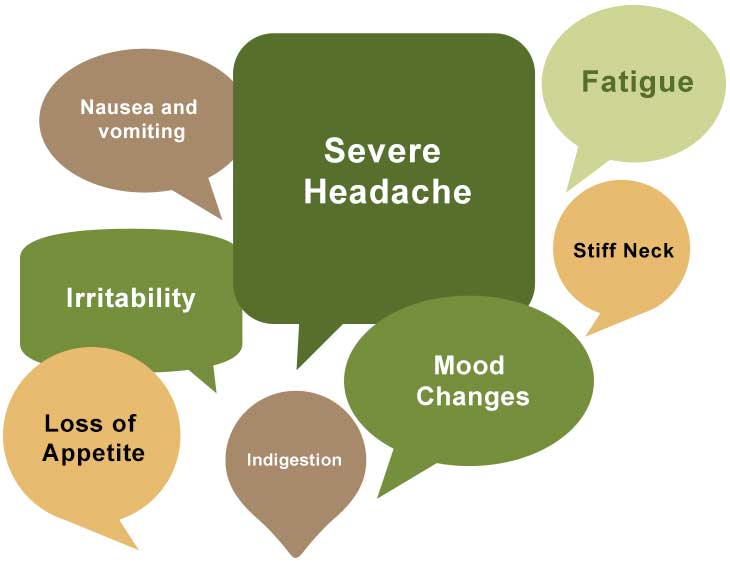
Headaches are extremely common, but a headache linked to a brain tumor usually stands out:
- It feels entirely new or different from any headache you've had before.
- It is at its worst first thing in the morning or wakes you up from sleep.
- It gets sharper or worse when you cough, sneeze, or bend over.
- It steadily becomes more severe or frequent over weeks.
First Time Seizures
When an adult with no history of epilepsy or infection of the brain has seizures, it is an emergency situation that calls for urgent diagnosis. A seizure can take the form of whole-body convulsions but may also be described as staring spells, body stiffness, or loss of consciousness.
Visual Changes
Tumors exert pressure on the optic nerves and pathways, leading to changes in vision which are hard to explain. Pay attention to any unusual double vision, constant blurring of vision or loss of peripheral vision not due to problems in the eyes.

Feeling Weak or Numb on One Side
With tumors close to the motor cortex of the brain, one may begin experiencing weakness and numbness on one side of their body. Symptoms will include inability to hold things using one hand, dropping items frequently, and stumbling over the feet.
Unexplained Imbalance
It is quite normal to feel dizzy upon rising from a lying-down position. However, continuously swaying, feeling imbalanced when walking down the hallway, is an alarm signal.
Difficulty with Speech or Language
If the tumor develops in a certain area, the patient will start slurring their words, stumbling over common words, or not understanding what other people are trying to tell him or her.
Personality or Memory Changes
Family members can usually spot these changes. They could appear in the form of odd irritability, sudden mood shifts, having difficulty making even the most basic decisions, or having memory loss that is beyond normal forgetfulness.
Morning Nausea
Nausea or vomiting, which occurs in the morning without any other symptoms such as infection, poison from food, or digestion problems, can be a result of increased intracranial pressure.
 When to Seek Emergency Care
Some neurological symptoms should not wait for a regular doctor's appointment. Go straight to the nearest emergency department if you or someone nearby experiences:
- A first-ever seizure
- Sudden weakness or numbness on one side of the body
- Sudden inability to speak or understand language
- An abrupt, blinding headache unlike anything felt before
- Sudden, severe confusion or loss of consciousness
What Happens During Diagnosis?
Evaluating neurological symptoms starts with a straightforward physical exam where a doctor checks your reflexes, balance, vision, and nerve responses. If something seems off, they will order imaging:
- MRI Scan: The clearest, most detailed imaging test for viewing brain tissue.
- CT Scan: Often used in emergencies to quickly check for pressure or bleeding.
If a tumor is found, treatment depends on its size, location, and type. Modern neurosurgery and targeted treatments offer strong options, ranging from surgical removal and radiation therapy to chemotherapy or simple regular monitoring for slow-growing, benign tumors.
Most everyday headaches and brain-fog moments are completely harmless. But you know your body's baseline better than anyone else. If something feels persistent, progressive, or distinctly out of the ordinary, getting it checked by a healthcare professional gives you clarity and peace of mind.
Conclusion
The majority of headaches, dizziness, or forgetfulness result from common problems such as stress, insomnia, migraines, or dehydration, not a brain tumour. Nevertheless, symptoms that are ongoing, increasingly severe, and/or involve neurological changes must not be overlooked. Early diagnosis may lead to the determination of the root cause of these symptoms, regardless of whether it is a brain tumour or any other neurological issue. Therefore, any new symptoms that are bothering an individual and persisting need to be brought to a health care provider's attention. Not only will it make treatment more efficient in case of a severe disorder, but it will also put one’s mind at ease.
References
Brain Tumors—Patient Version - NCI