 Published on
28 Jul, 2026
Published on
28 Jul, 2026 Updated on 28 Jul, 2026
 5068
5068Diabetics from around the world have experienced this in their lives. You wake up feeling uncharacteristically exhausted, your mouth feels like cotton, and you realise you had to get up twice in the middle of the night to use the bathroom. You brush it off. You tell yourself you are just working too hard, drinking more water, and getting older. You might even notice your vision getting slightly blurry by the afternoon, or a strange, faint tingling in your toes, but you easily blame it on too much screen time or wearing the wrong shoes.
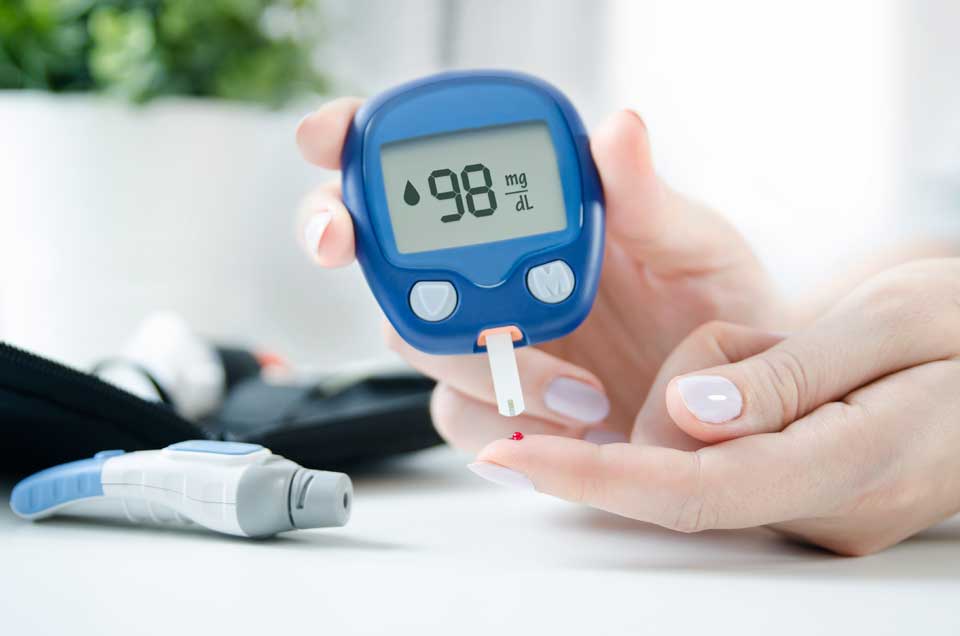
It isn't until months, or sometimes years, later, during a routine blood test, that the doctor drops the heavy diagnosis: diabetes.
The frustration of being blindsided by a chronic illness leaves millions of people wondering how their bodies could fail them so suddenly. But the truth is, your body did not fail suddenly; it was whispering to you for years before the lab results started screaming. If diabetes is a progressive metabolic breakdown, why do we miss the warning signs?
Sweet Blood vs. Sticky Tissues
Before we talk about the symptoms, we have to clear up a massive piece of confusion about what diabetes actually is in its early stages.
Modern medicine primarily defines diabetes as hyperglycemia; simply having too much sugar floating in the bloodstream. But in traditional Indian medicine, diabetes (Prameha) is not just an issue of the blood; it is a systemic condition of extreme sluggishness and congestion.
Long before the sugar accumulates in your blood, your internal digestive fire (Agni) becomes overwhelmed by heavy, sweet, processed foods and a lack of movement. This creates a cold, sticky, unburned waste called Ama. Your tissues become clogged and resistant to taking in energy. The warning signs you experience are not random annoyances; they are the physical manifestations of your body desperately trying to clear out this sticky congestion and keep the engine running.
The Internal Drought: Unquenchable Thirst and Frequent Urination
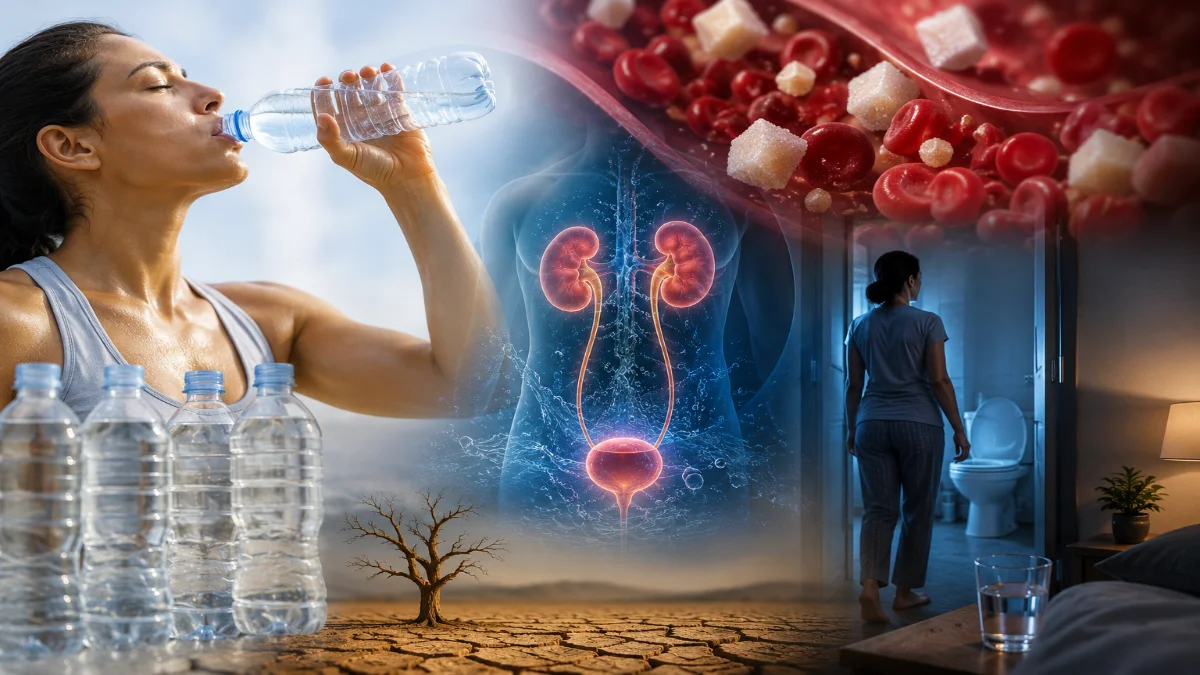
When you find yourself drinking three large water bottles a day and waking up multiple times a night to use the bathroom, it is easy to assume you are just doing a great job of staying hydrated. However, when there is too much sugar circulating in your blood, your kidneys are forced into overdrive to flush this excess sweetness out, aggressively drawing water from your tissues. In Ayurveda, this constant urination (Bahu Mutrata) is the body's desperate attempt to clear out the heavy, sticky waste, but in the process, it creates a severe internal drought. Your mouth feels constantly parched because your body is quite literally pulling the hydration out of your cells to clean your blood.
The Starving Cells: The Energy Crash and Relentless Hunger
You might finish a large, satisfying meal, only to feel a hollow, trembling hunger just two hours later, accompanied by an overwhelming urge to take a nap. You brush it off as a busy day, but this is the reality of cellular starvation. Even though your blood is flooded with glucose, early insulin resistance means the fuel cannot actually unlock the doors to enter your cells. Your brain senses that your tissues are starving and signals intense, relentless hunger. Meanwhile, your internal digestive fire is completely smothered by the heavy load. You are fully fed, but metabolically, you are running on empty.
The Sticky Blood: Tingling Extremities and Blurred Vision
Occasionally rubbing your eyes because your screen is blurry, or shaking out your hands because your fingers feel slightly numb, is incredibly easy to blame on eye strain or sleeping in an awkward position. The reality is far more systemic. Chronically high blood sugar literally thickens the blood, turning it into a sticky, syrupy consistency. This thick blood cannot easily flow into the microscopic, delicate blood vessels (the Srotas) that feed your retina and your peripheral nerve endings. The tingling in your toes and the blurring in your vision are the direct result of these tiny, distant vessels suffocating from a lack of oxygen and proper circulation.
Daily Habits Fueling the Imbalance
If your body is sending you these early whispers, your perfectly innocent daily routines are likely the exact things keeping the fire smothered. Watch out for these subtle traps:
- The Grazing Culture: Eating six small meals a day or constantly snacking on protein bars and fruits never allows your insulin levels to drop. In Ayurveda, eating before the previous meal is fully digested (Adhyashana) is the fastest way to destroy your metabolic fire and create the sticky waste that leads to insulin resistance.
- The Post-Meal Collapse: Sitting on the couch or going straight to bed immediately after eating a heavy dinner forces the sugar directly into your bloodstream while your muscles are completely inactive. Without movement to soak up that glucose, it simply sits in the blood, thickening it and overwhelming the liver.
- The Cold Water Shock: Chugging ice-cold water, especially during or immediately after meals, instantly freezes the fats you just ate and halts the digestive enzymes. It turns a warm, efficient digestive process into a sluggish, stagnant swamp, forcing the body to store the food as toxic waste rather than burn it as fuel.

Traditional Kitchen Fixes to Reignite the Fire
We do not need to wait until the numbers are dangerously high to start clearing the channels. Our traditional kitchens use specific bitter and astringent tastes to gently scrape away the sticky resistance and reignite cellular metabolism.
- The Fenugreek (Methi) Flush: Fenugreek seeds are a powerhouse for scraping away sticky Ama and slowing down the absorption of sugar in the stomach. Soaking a teaspoon of methi seeds in a glass of water overnight, and drinking the slightly bitter water (and chewing the seeds) first thing in the morning, gently sensitises the cells to insulin and cleanses the digestive tract.
- The Amla and Turmeric Shield: A combination of fresh Indian Gooseberry (Amla) juice and a pinch of turmeric is a classic Ayurvedic remedy (Nisha Amalaki) for early blood sugar issues. The turmeric acts as a deep anti-inflammatory for the suffocating blood vessels, while the Amla protects the tissues from the oxidative stress of excess sugar.
- The 100-Step Rule: Never sit immediately after a meal. Taking just 100 to 500 gentle steps (a slow, 10-minute stroll) immediately after eating physically forces your large leg muscles to pull the glucose out of your blood and use it for energy, bypassing the need for a massive insulin spike altogether.
Doctor’s Note
While using traditional bitter herbs and movement is beautifully effective for early insulin resistance, the signs mentioned above require proper medical validation.
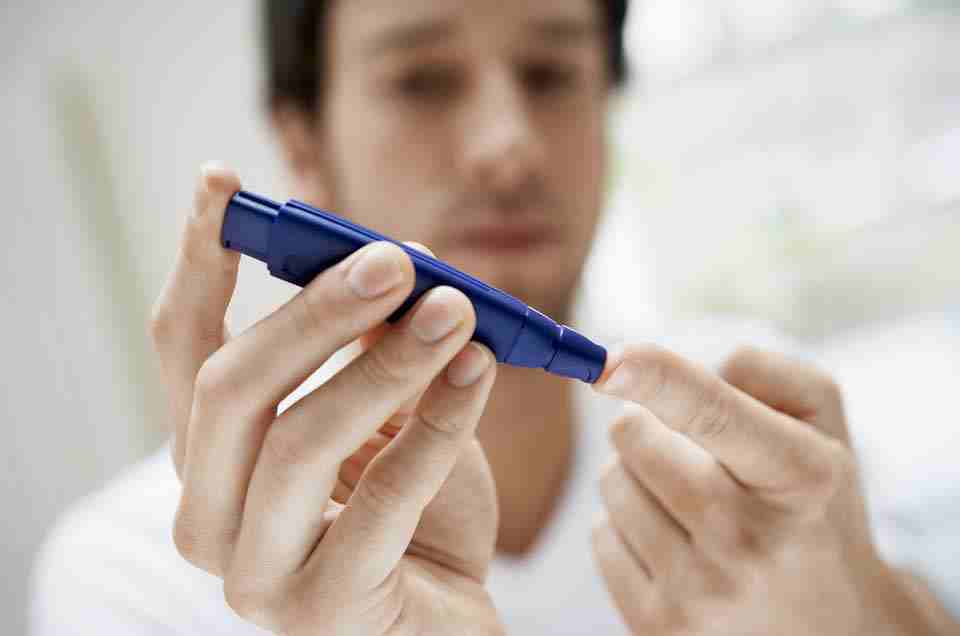
If you are experiencing unrelenting thirst, rapid unexplained weight loss, or cuts and bruises that refuse to heal, you must consult an endocrinologist or primary care physician immediately. These are not just whispers; they are alarms. Always use traditional kitchen wisdom as your daily foundation, but ensure you get a fasting blood glucose and an HbA1c test to know exactly where your internal numbers stand.
Conclusion
We spend so much time aggressively pushing through our days that we completely ignore the gentle warning lights flashing on our body's dashboard. Just because you haven't been officially handed a prescription does not mean your internal engine isn't quietly asking for help.
Your unquenchable thirst, your afternoon energy crashes, and that strange tingling in your feet are a living, breathing message. They are asking you to stop smothering your fire with constant snacking; they are begging you to bring movement back into your evenings, and they are reminding you that true metabolic health is built long before you ever step foot in a doctor's office. Listen to your body carefully. Honor the early whispers, reignite your internal fire with bitter and warming foods, and remember that when you clear the congestion, the sweet balance of health naturally returns!
References:
Symptoms & Causes of Diabetes - NIDDK