Diseases Search
Close Button


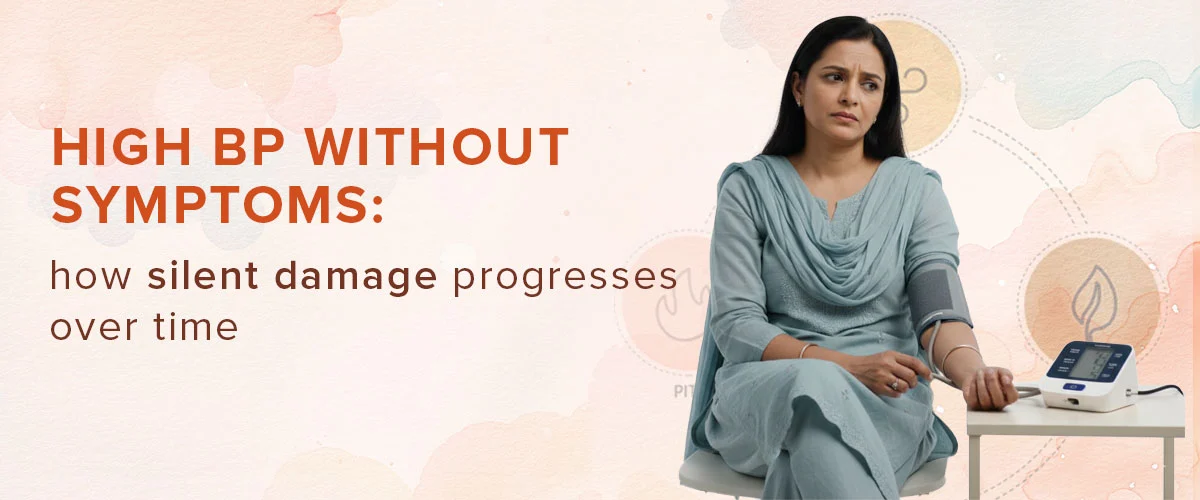
High BP without symptoms: how silent damage progresses over time

Information By Dr. Keshav Chauhan
  • category-iconPublished on 09 Apr, 2026
  • category-iconUpdated on 09 Apr, 2026
  • category-iconHeart Health
  • blog-view-icon5002

High BP without symptoms: how silent damage progresses over time   

Life is sometimes normal despite a dangerous disease that starts to take shape inside us. One such disease is called High Blood Pressure. This does not come with warnings or pain or signs until it starts affecting your major organs, such as your heart, brain, kidneys, and eyes. Hence, it is imperative to understand what it is about before it affects your life and organs.

What exactly is High Blood Pressure?

High blood pressure, also known as hypertension, is characterised by high pressure in the blood that moves through your arteries all the time. Imagine your arteries as pipes. When there is a consistent high pressure in your pipes, then the pipes will start to wear and tear, causing them to fail in their primary function.

The standard measurement of normal blood pressure is 120/80 mmHg, and a reading above 140/90 mmHg is termed high blood pressure.

Types of High Blood Pressure (understanding the stages)

There are two types of high blood pressure. They include:

  1. Primary (Essential) Hypertension
  • Builds up over time for several years
  • There is no one cause; however, it is associated with lifestyle and genetics
  1. Secondary Hypertension
  • Result of an underlying condition
  • May occur suddenly
  • Associated with kidney diseases, hormone-related problems, or particular medicines

           Hypertension Stages

  • BP Elevated: Somewhat higher than normal
  • Stage 1 Hypertension: High BP
  • Stage 2 Hypertension: High BP

Hypertensive Crisis: Dangerously high BP requires medical intervention

Symptoms – or lack thereof

One of the difficult things about having high BP is that it can make you feel totally fine. However, on some occasions, you may experience any of the following:

  • Headaches
  • Lightheadedness and dizziness
  • Breathing difficulty
  • Pain in the chest area
  • Vision impairment
  • Weakness

High Blood Pressure Causes

No one cause is evident at all times, but there are various possibilities, so here are the causes of high blood pressure

  • Poor diet (high salt, junk foods)
  • Inadequate exercise
  • Stress
  • Being overweight
  • Tobacco and alcohol use
  • Hormonal problems
  • Problems with kidney function
  • Genetics

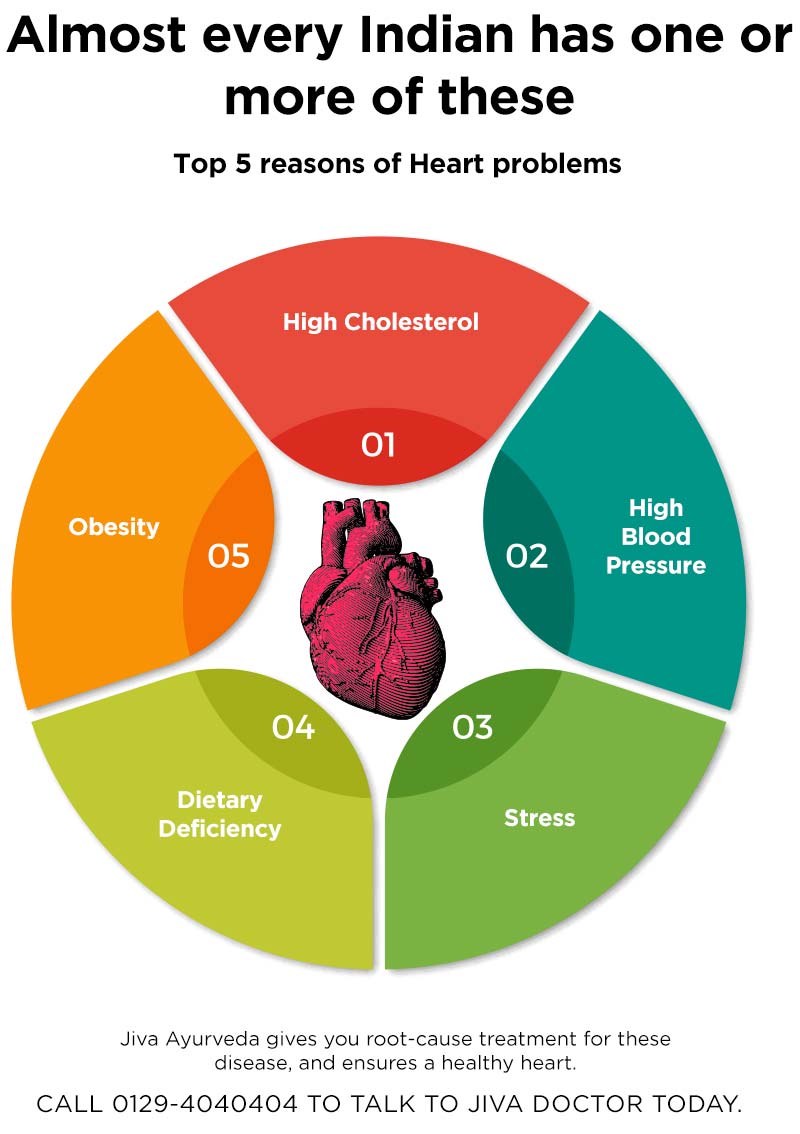
The build-up of pressure within the blood vessels eventually results in damage.

Risk factors & possible complications (why ignoring it is risky)

Risk Factors

Complications

Age (especially after 40)

Heart attack

Family history

Stroke

Sedentary lifestyle

Kidney damage

High salt intake

Vision loss

Obesity

Heart failure

Smoking & alcohol

Artery damage (atherosclerosis)

Stress & poor sleep

Brain-related issues (memory loss, dementia risk)

Diabetes

Increased risk of multiple organ damage

How do we diagnose High Blood Pressure?

Modern Approach (Simple yet vital)

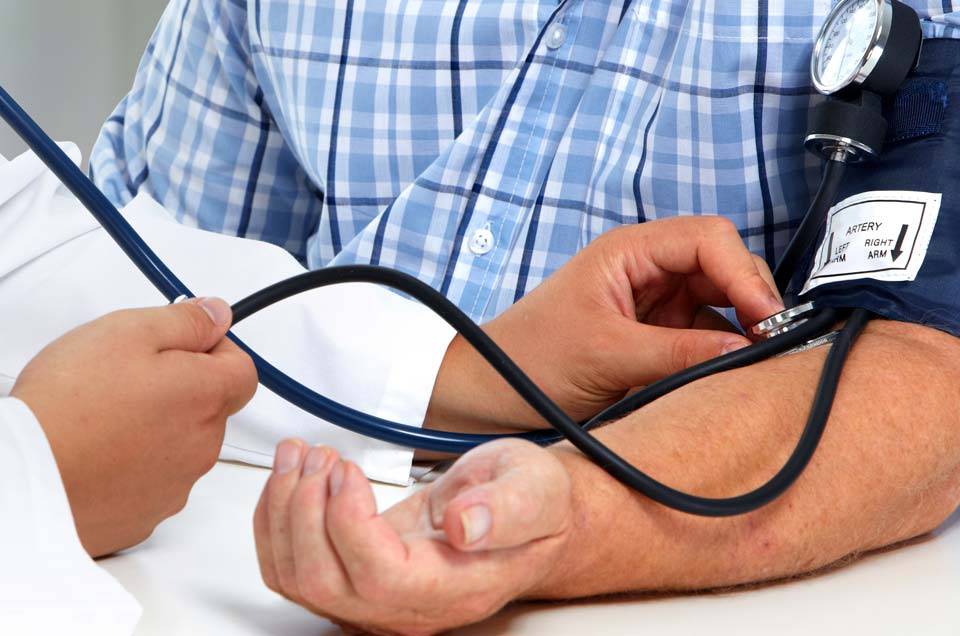
  • Measure of blood pressure by an electronic or manual sphygmomanometer
  • Multiple measurements
  • Tests to check the blood composition (cholesterol & sugar content)
  • ECG or echocardiogram for heart function test
  • Renal function test

Since monitoring high blood pressure is essential, symptoms will not help us much.

Ayurvedic approach towards diagnosis

According to the Ayurvedic system of medicine, hypertension does not exist as one disease alone but as a condition caused by the imbalances in doshas – Vata, Pitta, Kapha. For the diagnosis of high blood pressure in Ayurveda,

  • Nadi Pariksha
  • Knowledge about the patient’s lifestyle and digestion
  • Emotional balance
  • Body channel imbalances

An understanding of High Blood Pressure from an Ayurvedic perspective

From an Ayurvedic point of view, High Blood Pressure cannot be regarded as a disease entity by itself. It is considered to be a consequence of an imbalance in the three vital energies of the body called doshas, namely, Vata, Pitta, and Kapha.

  •  Imbalance in Vata creates a disturbance in the circulation of the blood
  •  Imbalance in Pitta increases the heat intensity in the blood, thereby increasing the pressure
  •  An imbalance in Kapha makes circulation sluggish due to congestion in the blood vessels.

The basic cause for High Blood Pressure from an Ayurvedic perspective can be considered as

  • Weak digestion
  • Toxins in the body
  • Stress and mental tension
  • Unhealthy lifestyle

Methodology adopted by Jiva Ayurveda to treat hypertension

Jiva Ayurveda adopts an individualistic and holistic treatment methodology for treating hypertension. Some of the approaches used are:

  • Study of the Prakriti of the body
  • Identification of disturbed doshas
  • Cleansing of the body through elimination of toxins (Ama)
  • Strengthening of the heart and blood vessels
  • Management of stress and maintaining sound mental health

The typical methods of treatment include:

  • Herbal medications tailored to specific requirements
  • Adoption of healthy diets and lifestyles
  • Meditation and yoga to manage stress
  • Periodic follow-up consultations

Ayurvedic Herbs to Balance Your Blood Pressure

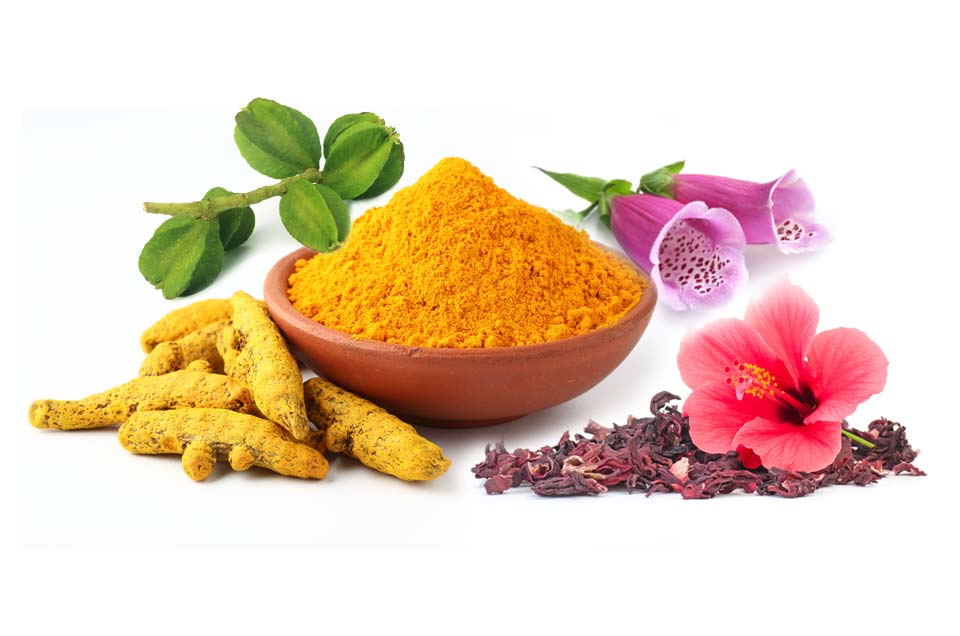
Here is a list of Ayurvedic herbs that have been used to balance one’s BP:

  • Arjuna (Terminalia arjuna): Boosts heart strength and helps improve blood flow
  • Ashwagandha (Withania somnifera): Reduces stress and normalises your BP
  • Sarpagandha (Rauwolfia serpentina): Used traditionally to treat high BP
  • Brahmi (Bacopa monnieri): Relaxes the nervous system and eases anxiety
  • Jatamansi (Nardostachys jatamansi): Helps relax and maintain mental peace

Ayurvedic therapies for restoring the balance

Apart from using herbs, Ayurveda also suggests external therapies and Panchakarma therapies for more effective treatment:

  • Abhyanga – oil massage: It improves blood circulation and helps to relax the nervous system.
  • Shirodhara – a process wherein medicated oil is poured continuously onto the forehead for reducing stress and mental tensions.
  • Nasya – nasal therapy, which aids in maintaining doshas of the head region.
  • Virechana – detoxification therapy: It cleanses the excess Pitta along with other toxic substances.
  • Basti – medicated enema therapy.: It maintains the balance of Vata.

 Diet for High Blood Pressure 

What to Eat

What to Avoid

Fresh fruits (apple, pomegranate, banana)

Excess salt and packaged foods

Green leafy vegetables

Fried and oily foods

Whole grains (oats, brown rice)

Junk food and fast food

Garlic and onion

Excess caffeine (tea/coffee)

Low-fat dairy

Red meat and processed meat

Herbal teas (like tulsi tea)

Sugary drinks and sodas

Nuts & seeds (in moderation)

Alcohol and smoking

Warm, freshly cooked meals

Cold, stale, or processed food

Jiva Ayurveda Consultation Approach

At Jiva Ayurveda, consultation revolves around the patient as an individual rather than the ailment alone. During the consultation process, experienced Ayurvedic physicians analyse:

  • Prakriti Analysis (Body Constitution): The individual's body constitution, whether Vata, Pitta, or Kapha
  • Nadi Pariksha (Pulse Diagnosis): An old technique of diagnosing internal disorders by pulse analysis
  • Comprehensive Medical & Family History: The individual’s habits, diet, stress, sleep, and medical history
  • Mind and Body Connection: The impact of emotional disorders, stress, and anxiety on blood pressure

Our Step-by-Step Patient Care Process:

Expect a Call: Submit your contact details, or you can also call us on 0129 4264323. 

Appointment Confirmation

  • You can schedule an appointment and visit us at our clinic for a consultation with our Ayurvedic experts. 
  • If you are unable to find our clinics near you, you can also schedule an online consultation on  0129 4264323 at a discounted price of Rs. 49 (regular price Rs299) and avail guidance from our doctors at home. 

Detailed Diagnosis

Jiva doctor will perform a thorough and detailed diagnosis to identify the root cause of your health problem.

Root-cause Based Treatment

Jiva doctor will recommend a personalised treatment using highly-effective, natural, and Ayurvedic medicines to address symptoms and the root cause.

Timeline of healing (expected progress)

As mentioned above, healing takes place gradually and differently according to the age of an individual, lifestyle, and level of severity.

  • First weeks: Improvement of sleep patterns, lower stress levels, and improvement in digestion
  • 1-3 months: Progressive changes in blood pressure levels and improvement in general well-being
  • 3-6 months: More balanced state of the body, decreased dependence on medicine

Compliance with dietary and lifestyle guidelines will influence the results.

Expected outcomes of therapy?

Ayurvedic medicine is concentrated on obtaining actual long-term results rather than temporary relief. Proper treatment of high bp helps to obtain such benefits as:

  • Regulation of blood pressure levels
  • Lowering stress and anxiety levels
  • Improve heart condition and increase energy
  • Better sleep and digestion conditions

Estimated Cost of Treatment at Jiva Ayurveda

Understanding the financial investment required for your health is important. At Jiva Ayurveda, we make sure of transparency in our service costs, which allows you to choose the most suitable option for your medical needs.

Treatment Cost

For patients who seek standard, ongoing care, the Monthly Cost of Medicine and consultation typically ranges from Rs. 3,000 to Rs. 3,500. Please note that this is an estimated baseline. The final cost depends on the exact nature and severity of the patient's condition.

Protocol

For a more comprehensive, structured approach, we offer specialized Package protocols. These plans are designed to address both physical symptoms and the overall lifestyle correction. The package includes:

The cost for this protocol involves a one-time payment ranging from Rs. 15,000 to Rs. 40,000, which covers the full 3 to 4-month duration of the treatment.

Jivagram

For patients requiring intensive and immersive care, our Jivagram centres offer the ultimate healing experience. Jivagram is a holistic sanctuary set in a peaceful, eco-friendly environment, and it provides:

  • Authentic Panchakarma therapies
  • Sattvic meals
  • Modern healing services
  • Comfortable accommodation
  • Many more quality-of-life facilities

An immersive wellness stay at Jivagram costs around 1 Lakh for a 7-day duration, ensuring continuous personalised care to help reset your body and mind.

Why Patients Trust Jiva Ayurveda

Over the years, Jiva Ayurveda has gained the trust of thousands of patients who are seeking natural and personalised healthcare solutions. Some of the key reasons for patients’ trust in Jiva Ayurveda:

  • Root-Cause Based Treatment

Unlike conventional treatments that address only the symptoms of disease, Ayurvedic treatment focuses on treating the root causes and correcting the underlying imbalances in the body that lead to disease.

  • Experienced Ayurvedic Doctors

Jiva Ayurveda boasts of having a huge team of experienced Ayurvedic doctors who thoroughly examine each patient’s condition before recommending treatment for diseases.

  • Personalised “Ayunique” Treatment Approach

Ayurvedic treatment is highly personalised and customised according to each individual’s prakriti and lifestyle.

  • Holistic Healing

Ayurvedic treatment is not limited to medicines; it also includes dietary and lifestyle modifications, breathing techniques, and stress management to support overall healing of the body and mind.

  • Trusted by Patients Across India

A huge percentage of patients have shown improvement in their conditions after adopting Jiva’s treatment plans and recommendations for diseases. This shows how much people trust Jiva Ayurveda for Ayurvedic treatment.

  • 95% of patients saw significant improvement within 3 months of treatment.
  • 88% of patients stopped allopathic medicines completely.
  • 8000+ patients are consulted every day
  • 1.5 million+ satisfied patients worldwide
  • 30+ years of Ayurvedic expertise
  • 80+ clinics across India

Modern Treatment vs Ayurvedic Treatment for High Blood Pressure

Aspect

Modern Treatment

Ayurvedic Treatment

Approach

Focuses on controlling BP levels using medications

Focuses on balancing doshas and treating the root cause

Goal

Quick reduction of blood pressure

Long-term balance and prevention

Medications

Anti-hypertensive drugs (lifelong in many cases)

Natural herbal formulations tailored to the individual

Side Effects

Possible side effects include dizziness, fatigue, and dependency

Generally minimal when taken under expert guidance

Diagnosis

BP readings, blood tests, ECG

Prakriti analysis, Nadi Pariksha, lifestyle evaluation

Stress Management

Limited focus

Strong focus (meditation, yoga, mental balance)

Lifestyle Role

Supportive but not always central

Core part of treatment (diet, routine, habits)

Healing Style

Symptom control

Root-cause healing

Long-term Benefits

Controls the condition but may not reverse it

Aims to improve overall health and reduce recurrence

When do you need to see a doctor? 

Despite being symptomless most of the time, some symptoms must be reported to a medical professional immediately:

  • Recurring BP above 140/90 mmHg
  • Severe headaches or dizziness
  • Pain in the chest area
  • Difficulty breathing
  • Blurred vision
  • Nasal bleeding (in some cases)
  • Suddenly feeling weak or numb (indicates possible stroke)

 In case of pre-existing conditions like diabetes, heart problems, or renal disorders, it’s important to monitor regularly.

Begin your journey to improved health (CTA)

For those seeking a natural remedy for their high BP, seeking professional assistance could prove extremely beneficial.

Contact Jiva Ayurveda:

 Call:0129-4264323

 Website: https://www.jiva.com/ 

 Online Consultation: Available across India

Conclusion 

There may be no symptoms for high blood pressure, but its effects will manifest gradually. There is no need to panic since it is manageable once you know how. With the help of today’s technology and the principles of Ayurveda, you can control your BP and live a more enriched life.

FAQs

Yes, without a doubt, since there are no clear signs of high blood pressure.

Yes, because of long-term strain, the heart rate will increase, and the walls of blood vessels become tighter.

No, because you shouldn't quit taking pills without your physician's consent.

It addresses underlying causes such as stress, digestion, and unhealthy lifestyle rather than focusing solely on regulating values.

Yes, because of various factors that are associated with high BP, such as stress, improper nutrition, and a sedentary lifestyle.

You should examine your BP regularly; if your readings are within normal limits, you can do it occasionally. Otherwise, follow your physician's instructions.

Yes, indeed, since food affects your health significantly.

It varies, but many people notice improvement within 1–3 months with consistent treatment and lifestyle changes.

Top Ayurveda Doctors

Social Timeline

Our Happy Patients

  • Sunita Malik - Knee Pain
  • Abhishek Mal - Diabetes
  • Vidit Aggarwal - Psoriasis
  • Shanti - Sleeping Disorder
  • Ranjana - Arthritis
  • Jyoti - Migraine
  • Renu Lamba - Diabetes
  • Kamla Singh - Bulging Disc
  • Rajesh Kumar - Psoriasis
  • Dhruv Dutta - Diabetes
  • Atharva - Respiratory Disease
  • Amey - Skin Problem
  • Asha - Joint Problem
  • Sanjeeta - Joint Pain
  • A B Mukherjee - Acidity
  • Deepak Sharma - Lower Back Pain
  • Vyjayanti - Pcod
  • Sunil Singh - Thyroid
  • Sarla Gupta - Post Surgery Challenges
  • Syed Masood Ahmed - Osteoarthritis & Bp
Book Free Consultation Call Us