 Published on
25 Mar, 2026
Published on
25 Mar, 2026 Updated on 25 May, 2026
 5227
5227The endocrine system plays a fundamental role in regulating your body's metabolism, cellular turnover, and the continuous hydration and regeneration of your body's largest organ: your skin. Once you understand that the severe flaking, the dull complexion, the tight feeling across your face after washing, and the ashy appearance of your legs are all results of the endocrine system struggling to maintain your metabolic fire, you can fight the root causes of this dermatological chaos.
What Is Thyroid-Related Dry Skin?
When you have an underactive thyroid (hypothyroidism), your entire metabolism is thrown into a state of extreme sluggishness. Because the body is desperately trying to conserve energy for vital organs like the heart and brain, it drastically reduces the energy sent to peripheral tissues like the skin. This metabolic slowdown causes two major catastrophes for your skin barrier. First, the sebaceous (oil) glands and eccrine (sweat) glands virtually shut down, stripping your skin of its natural moisture and protective lipid barrier. Second, the cellular turnover rate drops to a crawl. Dead skin cells pile up on the surface instead of shedding naturally, leading to a condition known as hyperkeratosis—thick, rough, scaly skin that cannot absorb any external moisture.
Types of Thyroid Disorders Affecting Your Skin
The significant forms of thyroid disorders play a direct role in how the body starves the skin of vital hydration and energy. The major types include:
- Hypothyroidism (Underactive Thyroid)
- Hashimoto’s Thyroiditis
- Subclinical Hypothyroidism
The Effects of Thyroid Imbalance on the Skin Barrier
A systemic metabolic slowing is strongly associated with thyroid imbalance and determines the way in which the body retains fluids, circulates blood, and eliminates waste. It leaves your skin environment in a terrible state.
In hypothyroidism, the deficiency in stimulation leads to the sebaceous glands ceasing to secrete sebum (natural oil) and the sweat glands ceasing to secrete sweat. It is this natural oil-and-water emulsion that keeps the skin fully covered with a protective layer; otherwise, whatever moisture remains inside the skin evaporates quickly into the air (Transepidermal Water Loss).
Risk Factors & Complications
Although thyroid issues are common, certain lifestyle and biological factors have a strong potential of increasing the odds of developing serious dermatological harm. Failing to attend to these early warning signs may cause the ensuing epidermal starvation to result in permanent scarring and infections.
Major Risk Factors Include:
- Nutrient Deficiencies: Omega-3 fatty acids, Vitamin A, Vitamin E, and Zinc deficiencies have a severe negative effect because they prevent the body from creating a healthy skin barrier. A slow thyroid will not fully absorb nutrients in the gut, which keeps your skin starved of these important building blocks.
- Harsh Bathing Habits: Long, scalding hot showers and coarse, commercially processed soaps violently wipe away the little bit of natural oil that your thyroid is still struggling to make, promoting the breaking and peeling.
- Chronic Mental Stress: High levels of cortisol are caused by high stress. Cortisol destroys collagen, makes the skin thin, and also reduces further production of thyroid hormones, leaving the skin vulnerable to environmental destruction.
- Dry, Cold Climates: Winter conditions or spending the day in air-conditioned conditions drain the remaining moisture out of already damaged, hypothyroid skin so quickly.
Potential Effects When Left Untreated:
- Severe Pruritus (Chronic Itching): The extreme dryness causes severe and uncontrollable itching. The broken skin barrier is further damaged by constant scratching, resulting in bleeding, scabbing, and permanent dark scars (hyperpigmentation).
- Secondary Bacterial Infections: Bacteria and fungi are known to enter the body through deep cracks in the heels and hands. Since the skin is without a blood supply, and there is no normal immune reaction, these minor cracks may rapidly develop into serious, intricate, painful infections such as cellulitis.
How Is It Diagnosed?
Modern medicine has developed a combination of laboratory tests and physical examinations to diagnose whether your severe, untreatable dry skin is caused by an imbalance of the thyroid gland. Early detection can prevent your dermal barrier from completely collapsing.
Modern Diagnosis Methods include:
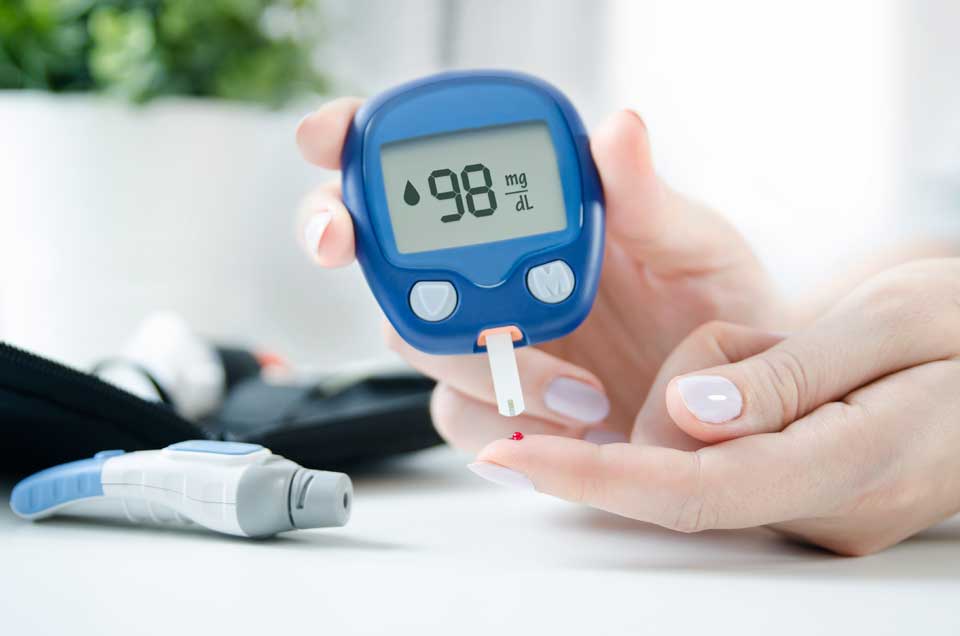
- Comprehensive Thyroid Panel: Measuring levels of TSH, Free T4, and Free T3 to definitively determine if the thyroid gland is the root cause of the metabolic slowdown, starving your skin.
- Antibody Testing: Checking for TPO and TG Antibodies to rule out Hashimoto's Disease, which causes the exhaustion-inducing systemic inflammation that attacks the skin's immune defenses.
- Nutrient and Lipid Panel: Testing for Vitamin D, B12, and overall cholesterol levels. Hypothyroidism often drastically raises cholesterol while plummeting essential vitamins, both of which severely impact skin health.
- Dermatological Examination: A close visual inspection of the skin to differentiate thyroid-related hyperkeratosis and dryness from other dermatological issues like contact dermatitis or fungal infections.
Ayurvedic Perspective on Thyroid-Related Dry Skin
Ayurvedic anatomy explains that skin (Twak) is very much dependent on the nature of the Rasa Dhatu (the main nutrient fluid). The ultimate reason for this ailment is the malfunctioning Agni (digestive and metabolic fire), which is controlled by the Awatugranthi (thyroid gland). With a slow thyroid, the food we eat is not digested properly into pure and hydrating food (Rasa) when your Jatharagni (digestive fire) is weak.
Instead, it leads to the buildup of a sticky, toxic metabolic waste called Ama. This Ama is in the blood and blocks the micro-channels (Srotas), in this case, the Rasavaha Srotas (the channels which carry hydration to the skin).
Jiva Ayurveda’s Holistic Management Strategy
The treatment philosophy at Jiva Ayurveda moves beyond temporary symptom suppression (like relying on petroleum-based moisturizers or topical steroids), focusing instead on rectifying the foundational hormonal and metabolic imbalances that trigger chronic skin distress and thyroid dysfunction.
Our protocol is built upon the following clinical pillars:
- Restoration of Dosha Equilibrium: In this protocol, the highly aggravated state of Vata Dosha is specifically pacified. This purifies the dry, rough, and cold atmosphere within the body and provides the natural lubrication of internal organs (Snigdha).
- Igniting Agni (Digestive Fire): The digestive and tissue fire is violently strengthened. It assures the assimilation of the beneficial fats and nutrients you consume and their transformation into deep dermal sustenance as opposed to sinister Ama.
- Systemic Detoxification: The accumulated Ama is removed through targeted therapies, clearing the nutritional channels in the body so that active thyroid hormones, water, and healthy blood flow can reach your skin effectively.
- Metabolic Optimization: Potent herbal supplements are used to nourish the thyroid gland, build deep cellular vitality (Ojas), and regulate the excessive internal dryness.
- Lifestyle Optimization: Guidance is given to make lifestyle and dietary changes in accordance with the metabolic clock, specifically targeting healthy fat consumption, stress reduction, and natural Ayurvedic skincare routines.
Ayurvedic Herbs for Dry Skin Management and Thyroid Support
At Jiva Ayurveda, we have used the following herbs to cater to the specific needs of the endocrine and integumentary systems, curing skin dryness naturally from the inside out without relying on artificial chemicals:
- Ashwagandha: This powerful adaptogen, which strengthens the adrenal glands, lowers stress-induced cortisol, and also supports thyroid hormone conversion (T4 to T3), restarting the metabolic engine that fuels skin cell regeneration.
- Shatavari: A supreme rejuvenating tonic that naturally increases the unctuous (Snigdha) and also boosts the cooling qualities of the body.
- Manjistha: The absolute greatest blood-purifying herb in Ayurveda. It aggressively clears toxic Ama and heat from the blood, improves micro-circulation to the skin's surface, and heals deep, dark hyperpigmentation and scars caused by constant scratching.
- Kumari (Aloe Vera): Taken internally and applied externally, Kumari is a powerful hydrating agent. It directly pacifies Vata, soothes severe itching, and repairs the broken skin barrier while supporting liver and metabolic health.
- Kanchanar Guggulu: This is an incredibly powerful formulation known for its ability to stimulate the sluggish thyroid, cleanse the body of heavy metabolic waste, and open the body’s blocked micro-channels so hydration can flow properly.
Ayurvedic Therapies for Skin Management and Thyroid Support
External Ayurvedic therapies have a profound effect in physically stimulating blood flow, flushing out heavy toxins, deeply lubricating the tissues, and restoring a soft, radiant complexion.
- Abhyanga (Therapeutic Warm Oil Massage): A daily, full-body massage using highly nourishing, medicated warm oils (like Sesame, Almond, or specialized herbal oils). It directly and aggressively pacifies the cold, dry Vata dosha, deeply lubricates the skin from the outside in, and forces a massive rush of warm blood circulation to the starved skin cells.
- Shirodhara: This involves the continuous pouring of warm, medicated oil over the forehead. Because severe stress worsens thyroid function and thins the skin, Shirodhara deeply relaxes the central nervous system, lowers stress hormones, and resets the body's hormonal communication pathways.
- Swedana (Herbal Steam Therapy): Following the oil massage, a full-body steam treatment opens up the blocked sweat glands and micro-channels. It forces the medicinal oils deep into the tissues while melting and flushing out the trapped Ama that makes the skin look dull and grayish.
- Basti (Medicated Enema): The introduction of medicated oils and herbal decoctions into the colon. The colon is the main seat of Vata dosha. By administering warm oils here, Basti acts as the ultimate treatment for eradicating severe internal dryness and grounding the erratic, skin-drying Vata energy.
Diet Plan for Thyroid Patients with Severe Dry Skin
Power Foods to Prioritize
- Healthy, Lubricating Fats: Pure, indigenous cow’s ghee (clarified butter), cold-pressed coconut oil, and olive oil. Ghee is mandatory in Ayurveda for dry skin; it naturally pacifies Vata dosha, lubricates the internal digestive tract, and brings a natural, hydrated glow back to the skin.
- Nutrient-Dense Seeds and Nuts: Walnuts, almonds, flaxseeds, and chia seeds offer heavy doses of omega-3 fatty acids and Vitamin E to support thyroid hormone production and rebuild the skin's lipid barrier.
- Anti-Inflammatory Aromatics: Turmeric, ginger, cumin, and fennel to naturally reduce systemic inflammation, boost the digestive fire (Agni), and physically warm the body to eliminate metabolic stagnation.
Inflammatory Foods to Minimize
- Dry, Rough, and Cold Foods: Crackers, popcorn, raw salads, and ice-cold water instantly aggravate Vata dosha, extinguish the digestive fire, and drastically worsen the dryness and roughness of your skin.
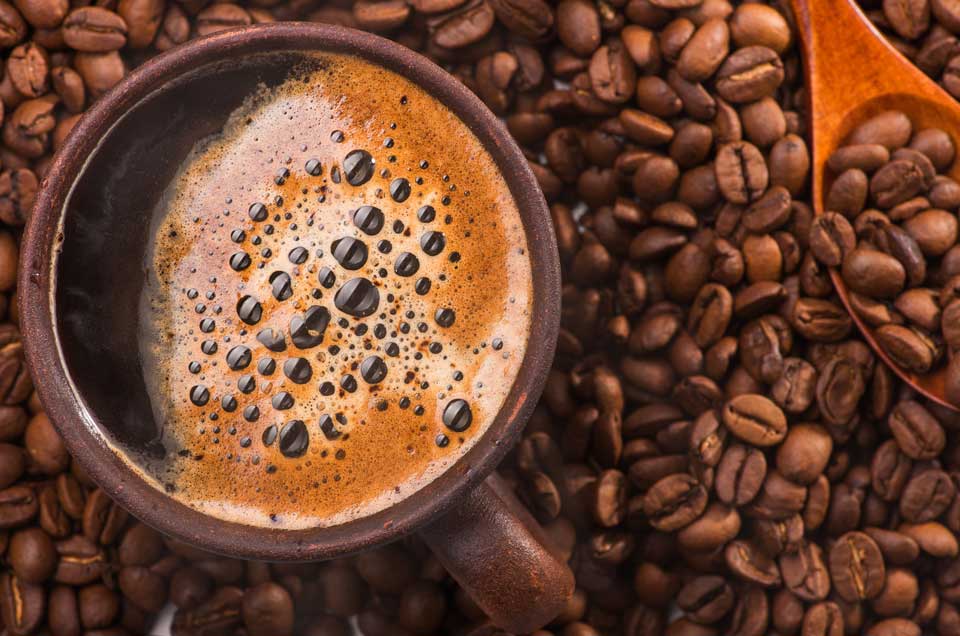
- Excessive Caffeine: Relying on multiple cups of strong coffee to push through thyroid fatigue acts as a severe diuretic. It aggressively dehydrates the body, overstimulates the nervous system, and sucks the remaining moisture right out of your skin.
- Refined Sugars: Sweets, pastries, and sugary beverages cause massive insulin spikes that trigger systemic inflammation, breaking down collagen and severely suffocating the skin cells.
How We Assess Thyroid Patients at Jiva Ayurveda
At Jiva Ayurveda, the process of treating the patient begins with an in-depth analysis to determine the underlying reasons for thyroid-related skin distress, severe dryness, and metabolic disorders.
- Evaluation of the specific texture, flakiness, and location of the dry skin, checking for severe cracks on the heels or extreme itching on the limbs.
- Review of thyroid health records, current hormone medications (Levothyroxine), topical steroid use, lab reports, and previous vitamin deficiency tests.
- Evaluation of dietary habits, daily healthy fat intake, water consumption, and regimens that might contribute to Vata accumulation and low Agni.
- Evaluation of sleep patterns, emotional distress, and stress triggers that affect cortisol levels and increase the body's sensitivity to inflammation and itching.
- Pulse diagnosis (Nadi Pariksha) and analysis of the body constitution to detect the exact level of dosha imbalance (specifically Vata) and Ama (toxin) accumulation in the Rasa Dhatu (plasma).
- Identification of underlying medical conditions, like severe anemia or poor gut health, that may be contributing to metabolic discomfort and nutrient malabsorption.
Our Step-by-Step Care Process
At Jiva Ayurveda, every process of the treatment is carried out in an organized and structured manner to give you the best personalized experience of Ayurvedic treatment for hormonal and digestive issues.
- Share Contact Details: After submitting your details, you can also reach out to us directly at 0129 4264323 to start the consultation process and get your metabolic issues treated.
- Appointment Confirmation: An appointment with our experienced and well-trained Ayurvedic doctors specializing in hormonal and metabolic issues is arranged for you.
You can choose to consult with our doctors in the mode that best suits you:
- Clinic: We have over 80 Jiva clinics in different cities, and you can come to the nearest clinic to consult with our doctor face-to-face.
- Video Consultation (Rs. 49): In case you are not able to locate our clinics in your city, you can also consult with our doctor online, which will be available to you at a discounted price of Rs. 49 (regular price: Rs. 299). Simply give us a call at 0129 4264323 to connect with our experts from home itself.
- Detailed Diagnosis: Our experienced doctor will consult with you to understand your thyroid issues, skin flaking patterns, digestive problems, and Agni (metabolic fire) to diagnose the root cause of the problem in your body.
- Root Cause-Based Treatment Plan: A personalized plan of treatment will be prepared for you with the use of herbal medicines that will stimulate the metabolism, clear blockages naturally, and enhance the natural functioning of your endocrine system.
Healing Timeline for Thyroid-Related Dry Skin
First Few Weeks: Patients may start noticing a significant reduction in the severe, painful itching and the tight feeling across the skin. Digestion improves, internal body warmth normalizes, and the deep cracks on the heels and elbows begin to seal and heal.
- 1 to 3 Months: Cellular energy function gradually improves as metabolism and circulation become more balanced. The severe flaking stops. You will notice the texture of your skin becoming significantly softer, more pliable, and less reliant on heavy external moisturizers.
- 3 to 6 Months: With consistent Ayurvedic care, herbal nourishment, and internal lubrication, patients experience a total restoration of the skin barrier. The natural oils return, bringing a healthy, radiant glow. The overall complexion improves, accompanied by steady all-day energy and balanced thyroid markers.
What Results Can You Expect?
Choosing the Ayurvedic approach for thyroid-related skin issues focuses on long-term, deep-tissue healing rather than relying on petroleum-based creams that only sit on the surface of dead skin.
With a personalized treatment plan, patients may experience:
- A complete halt to massive, unexplainable skin flaking and shedding
- Healing of deep, painful cracks on the hands, feet, and elbows
- Restoration of natural skin shine, moisture, and elasticity
- Improved metabolic fire, better digestion, and optimal nutrient absorption
- A naturally balanced thyroid gland and relief from severe chronic fatigue
- Enhanced overall well-being, stable moods, and a feeling of vibrant vitality
Patient's Testimonial
I spent a lot of money to get relief from my skin problem. I thought it would never heal, and then one day I saw a Jiva show on skin disorders on YouTube, and I decided to consult an Ayurveda doctor. I liked the convenience of consulting Jiva doctors either on a video call or face-to-face in a clinic. Ayurvedic medicines have treated my skin condition completely.
Gunadhya Thakur
Mathura
Estimated Cost of Treatment at Jiva Ayurveda
Understanding the financial investment required for your health is important. At Jiva Ayurveda, transparency in service costs helps patients choose the most suitable treatment option for their medical needs.
Treatment Cost
For patients seeking standard, ongoing care, the monthly cost of medicines and consultation typically ranges between Rs. 3,000 and Rs. 3,500. Please note that this is an estimated baseline, and the final cost may vary depending on the nature and severity of the patient’s condition.
Protocol
For a more comprehensive and structured treatment approach, specialized package protocols are available. These plans focus on managing symptoms while improving lifestyle habits.
The package includes:
- Medicine
- Consultation
- Mental well-being sessions
- Yoga and meditation guidance
- Diet plan
- Therapy
The cost for this protocol usually involves a one-time payment ranging from Rs. 15,000 to Rs. 40,000, covering the 3 to 4 month treatment duration.
Jivagram
For patients who require intensive and immersive care, Jivagram offers a holistic healing environment.
The program typically includes:
- Authentic Panchakarma therapies
- Sattvic meals
- Modern healing services
- Comfortable accommodation
- Various wellness and quality-of-life facilities
An immersive wellness stay at Jivagram usually costs around Rs. 1 lakh for a 7-day program, providing continuous personalized care to help reset the body and mind.
Why Patients Trust Jiva Ayurveda
Our method is centered around personalized, root cause-based treatment that works to heal the body from the inside out.
- Root Cause-Based Treatment: Our treatment strategy is to treat the root cause of the imbalance, not just the symptoms, whether they are extreme dry skin, weight gain, or other hormonal issues.
- Customized Care Plans: Our patients receive personalized care plans that are tailored to their individual Prakriti (constitution), diet, and lifestyle.
- Protocol-Based Analysis and Treatment: Our treatment protocols are evidence-based, Ayurvedic approaches to treating hormonal and metabolic imbalances.
- Authentic Medicines: Our Ayurvedic medicines are genuine and made in licensed facilities to ensure safety and efficacy.
- Proven Scale and Expertise: Our physicians have seen over 8,000 patients daily and have extensive experience in treating complex chronic diseases.
- High Success Rate: Our patients have seen significant improvements in their health, with over 90 percent reporting positive changes in their health.
- Reduced Dependency: 88 percent of our patients can stop or greatly reduce their dependency on conventional medications and harsh chemical lotions.
Modern vs Ayurvedic Approach for Thyroid-Related Dry Skin
- Focus of Treatment: Contemporary medicine regulates hormone amounts artificially through pills and practically ignores dry skin as a superficial side effect, proposing topical chemical moisturizers, petroleum jelly, or steroid creams to treat itching. The Ayurvedic system works on the basis of eliminating Ama in the body, saturating the emaciated fluid tissues (Rasa Dhatu) to a large extent, calming the Vata, and establishing a profound, deep cell metabolism, which naturally activates the skin to produce oil again.
- Diagnosis: TSH, T3, and T4 are blood tests that are used in modern medicine. Ayurveda applies Prakriti assessment, Nadi Pariksha, as well as symptom assessment, namely, the digestion, stress on the nervous system (Vata), and obstruction in the nutrient channels.
- Treatment Methods: The contemporary medical treatment includes synthetic hormone replacement therapy and external creams with chemical barriers. The Ayurvedic treatment is based on Ayurvedic herbs that are rich in water, such as Shatavari, and dosha-balancing treatments and natural internal detoxes.
- Skin Management: The contemporary medical practice depends on the patient using temporary fixes that are washed when the shower is used. The Ayurvedic method aims at enhancing internal Agni, regular Abhyanga (warm oil) massages, and herbs that enhance metabolism and give total and irreversible physical hydration of the blood to the surface.
- Lifestyle Role: In contemporary medicine, lifestyle counseling can do little to aid therapy. Diet (particularly healthy fat intake), day-to-day routine, and stress control are important, indispensable components of the treatment in Ayurveda.
- Long-Term Goal: The long-term objective of the contemporary approach is to suppress symptoms and sustain the artificial levels of hormones. Ayurveda is focused on enhancing metabolism, balancing doshas, restoring physical strength, and ensuring natural, soft, glowing, and permanently healthy skin.
When to Consult a Doctor
You should consult a doctor if you experience:
- Severe, unexplainable skin dryness that cracks, bleeds, or oozes fluid
- Intense, uncontrollable itching that prevents you from sleeping at night
- Rapid and unexplained weight gain alongside a heavy, dull feeling in your limbs
- Loss of hair specifically from your scalp and the outer edges of your eyebrows
- Dizzy spells, shaking, extreme physical weakness, or feeling freezing cold all the time
- Early diagnosis can help prevent worsening metabolic symptoms and irreversible scarring or infections of your skin barrier.
Conclusion
Thyroid diseases contribute significantly to metabolic and physical wellbeing that brings about crushing chronic fatigue, failure to lose weight, heavy physical listlessness, and parched and torturous skin aridity. The reason behind such symptoms is that a low metabolism rate will radically change the way your body metabolizes energy, and your natural sweat and oil glands will be turned off, as this is the way to save on fuel, and will leave your skin fully starved and vulnerable to the environment. A holistic treatment program that consists of proper diagnosis, a healthy-fat diet, lifestyle change, and personalized Ayurvedic care could manage these symptoms at their origins.