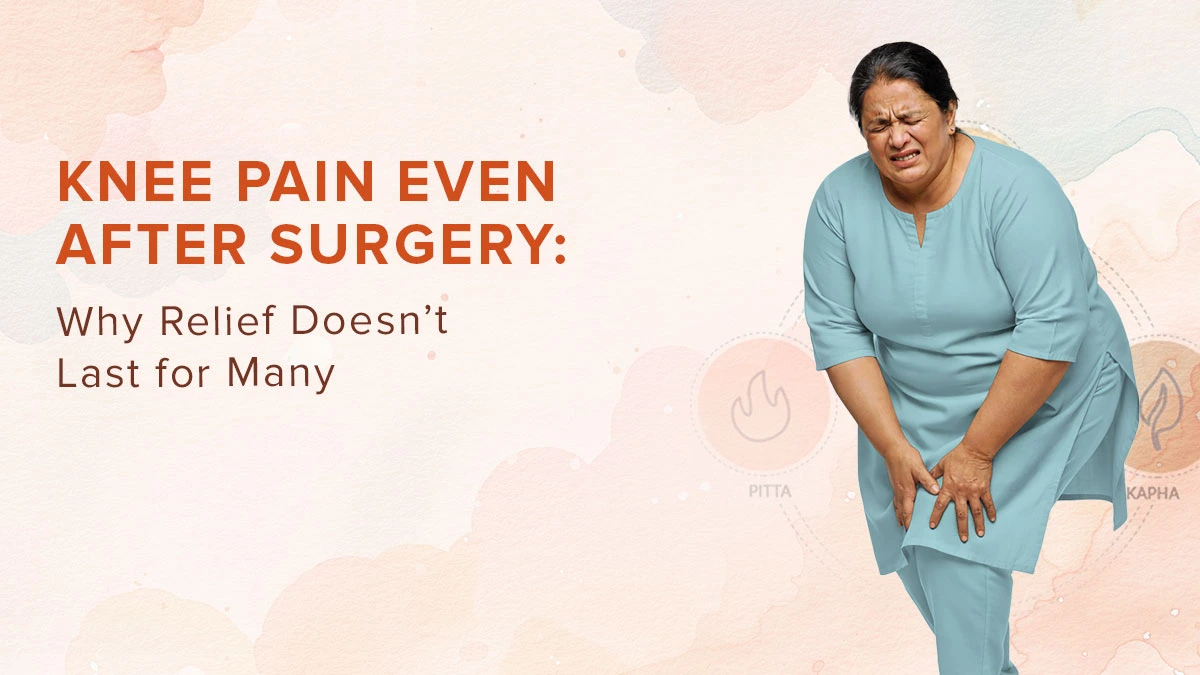
Why Knee Pain Persists After Surgery: Understanding the Hidden Factors
The primary goal of knee surgery—whether it is a total replacement, arthroscopy, or ligament repair—is to restore mobility and provide a pain-free life. However, for many patients, reality doesn't match expectations.
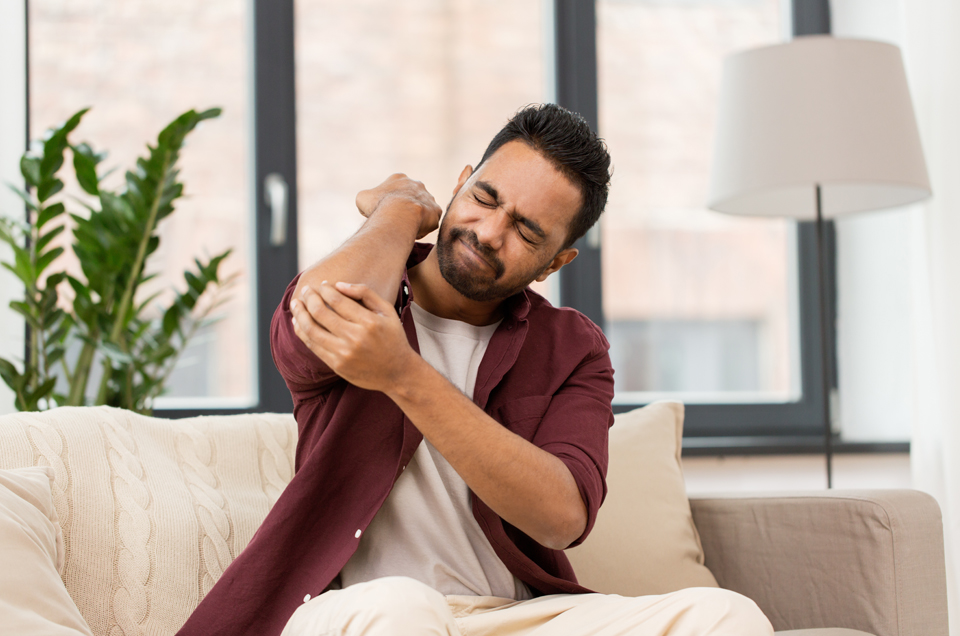
If you find that pain persists or returns a few months after your operation, it is natural to feel frustrated or worry that the surgery "failed." But often, the issue isn't the surgical procedure itself, but rather how the body is healing and functioning as a whole.
Beyond the Structure: Why Pain Remains
Surgery aims to fix structural damage (repairing a ligament or replacing a worn-out joint). However, pain is a complex sensation influenced by more than just bones and cartilage. If underlying physiological issues aren't addressed, the "new" knee will still hurt.
Common Reasons for Post-Surgical Knee Pain
- Chronic Inflammation
While acute inflammation is a normal part of the healing process, chronic inflammation is a roadblock. If the body's internal environment is out of balance, the joint stays "angry."
- Signs: Persistent swelling, warmth in the joint, and stiffness that doesn't improve with rest.
- Arthrofibrosis (Excess Scar Tissue)
The body heals by creating scar tissue, but sometimes it goes into overdrive. Excessive scarring can act like "glue" inside the joint.
- The Impact: It physically restricts your range of motion, making it painful to fully straighten or bend your leg.
Surgery often leads to temporary muscle atrophy, particularly in the quadriceps.
- The Problem: Without strong muscles to absorb shock, the stress of every step goes directly into the joint. If one muscle group is stronger than its counterpart, it can pull the joint out of alignment, causing "mechanical" pain.
- Central Sensitisation (Pain Memory)
Sometimes, the knee is physically healed, but the nervous system remains in a high-alert state. This is known as "Pain Memory."
- The Impact: The brain continues to send pain signals even though the physical damage has been repaired. This makes the area hypersensitive to even light touch or minor movement.
- Nutritional and Metabolic Factors
The body requires specific "building blocks" to repair tissue. If your internal "repair shop" is understaffed, healing will be incomplete.
- Hindrances: Poor diet, lack of essential minerals, high blood sugar, or systemic metabolic issues can slow down the recovery of tendons and ligaments.
- Systemic Degenerative Processes
Surgery treats a local symptom, but it doesn't cure a systemic condition. If a patient has an autoimmune disorder or widespread osteoarthritis, the underlying disease process may continue to affect the surrounding tissues and the joint capsule.
Strategies for Recovery
To achieve the best results, a holistic approach to post-op care is essential:
- Targeted Physiotherapy: Focus on strengthening the "support system" (quadriceps, hamstrings, and glutes).
- Anti-Inflammatory Living: Prioritise restorative sleep and a clean diet to lower the body's overall inflammation levels.
- Nervous System Calming: Techniques like deep breathing or specific neurological therapies can help "reset" the pain signals in the brain.
The Ayurvedic Perspective: Why Knee Pain Persists After Surgery
From an Ayurvedic standpoint, surgery is often a successful structural intervention, but it is also an invasive event that can significantly disrupt the body’s internal equilibrium. When pain persists after an operation, Ayurveda looks beyond the joint to find the systemic root cause.
The Role of Doshas and Toxins
In Ayurveda, post-surgical complications are primarily attributed to two factors:
- Vata Imbalance: Vata governs movement and the nervous system. Surgery, by its invasive nature, often aggravates Vata. This leads to dryness in the joints, "popping" sounds, rigidity, and heightened sensitivity to pain.
- Accumulation of Ama (Toxins): If digestion is weak, the body produces Ama—metabolic waste that clogs the Srotas (channels). This toxic buildup can settle in the surgical site, triggering inflammation and blocking the flow of healing nutrients.
Why Surgery is Only Part of the Solution
While modern surgery is excellent at correcting physical alignment or replacing damaged tissue, it does not inherently:
- Balance the body's internal energies (Doshas).
- Clear systemic inflammation or metabolic toxins.
- Improve the quality of the surrounding bone and soft tissue (Asthi Dhatu).
A Holistic Recovery Path: Ayurvedic Management
Ayurveda offers a multi-layered approach to ensure that the knee not only heals but thrives.
1. Herbal Support for Tissue Regeneration
Instead of relying solely on synthetic painkillers, Ayurveda utilises potent herbs that work with the body’s chemistry:
- Shallaki (Boswellia): Acts as a natural anti-inflammatory to reduce swelling.
- Guggulu: Known for its ability to "scrape" toxins from the joints and promote healing.
- Ashwagandha: Strengthens the muscles and nerves surrounding the knee.
2. Detoxification and Digestive Reset
Healing begins in the gut. By improving Agni (digestive fire), the body can effectively absorb the nutrients required for tissue repair. This often involves:
- Transitioning to a Vata-pacifying diet (warm, moist, and easily digestible foods).
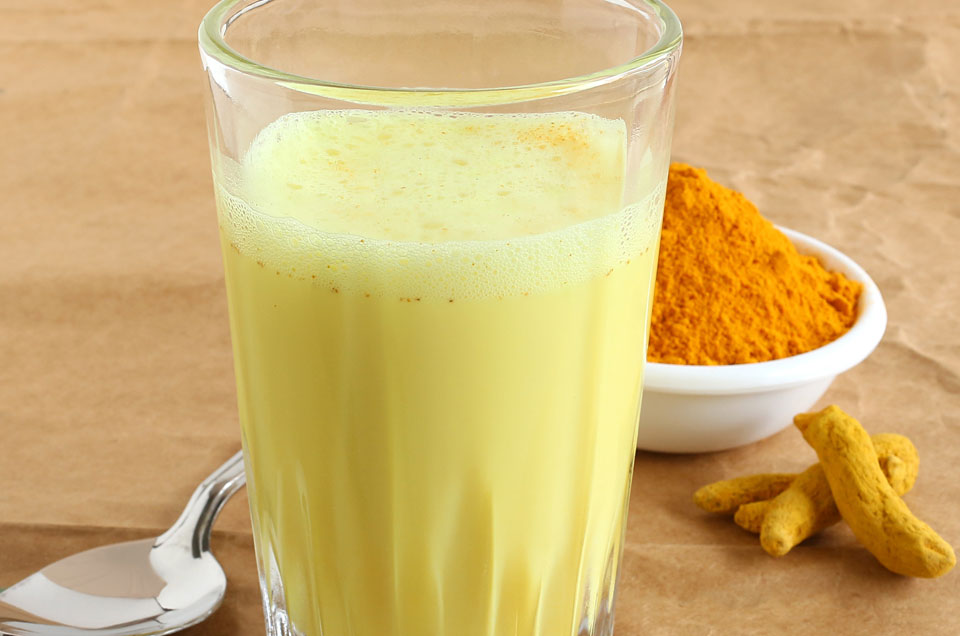
- Using spices like Turmeric, Ginger, and Cumin to kindle digestion and reduce systemic heat.
3. Targeted External Therapies
External treatments are used to deeply nourish the joint and calm the nervous system:
- Janu Basti: The application of a "well" of warm medicinal oil over the knee. This provides deep lubrication and strengthens the joint's structural integrity.
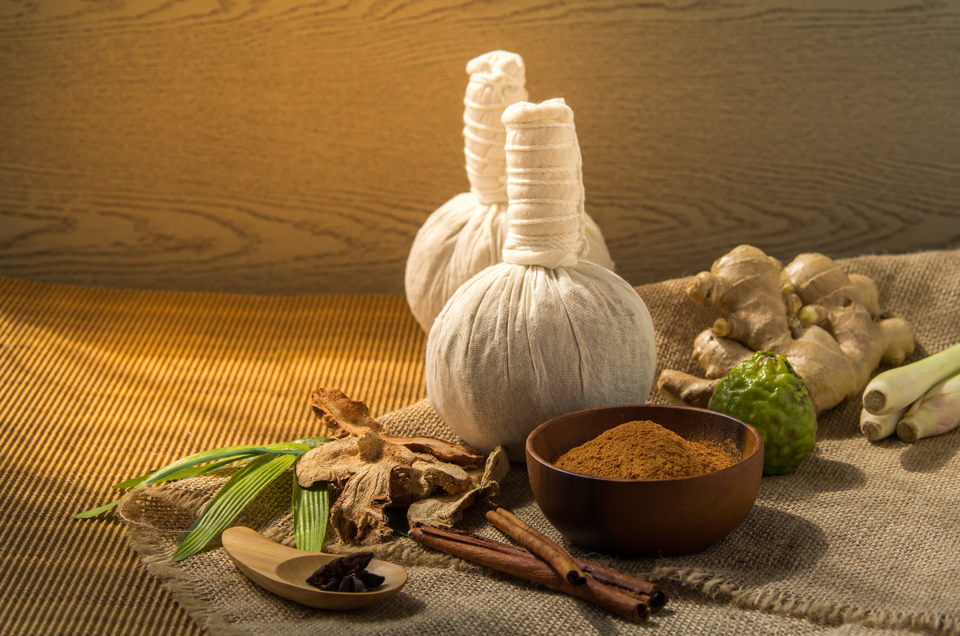
- Abhyanga & Swedana: Medicated oil massage followed by herbal steam to improve circulation and flush out stiffness.
4. Lifestyle and Personalised Care
Ayurveda recognises that no two knees are the same. A recovery plan is tailored to an individual’s Prakriti (unique constitution).
- Rest vs. Motion: Balancing adequate rest with gentle, non-impact movement to prevent Vata from stagnating.
- Stress Management: Since Vata is closely linked to the mind, keeping the nervous system calm through meditation or breathing helps lower pain perception.
Moving Forward: When to Consult a Professional
While recovery is a journey, it is vital to distinguish between "healing pains" and "warning signs." You should seek medical advice immediately if you experience:
- Sudden Increase in Swelling: A joint that suddenly becomes tight or "full."
- Worsening Pain: Pain that escalates rather than plateaus or decreases over time.
- Reduced Range of Motion: If you find it increasingly difficult to bend or straighten the knee compared to previous weeks.
- Signs of Infection: Persistent redness, localised heat, or a fever.
Ignoring these symptoms can lead to long-term complications or permanent stiffness.
Can Post-Surgical Pain Be Completely Reversed?
For the majority of patients, the answer is yes. However, complete recovery is rarely the result of surgery alone. It is a collaborative effort between the surgeon’s work and your body's functional health. The success of your recovery depends on:
- The Root Cause: Identifying whether the pain is structural, inflammatory, or neurological.
- Duration: Addressing symptoms early before "pain memory" sets in.
- Patient Commitment: Consistency in physiotherapy and lifestyle adjustments.
The Power of Integrative Medicine: Combining Science and Tradition
Ayurveda and modern medicine are not mutually exclusive; they are complementary. While modern medicine provides the structural fix, Ayurveda optimises the biological environment for that fix to last.
Benefits of an Integrative Approach:
- Balanced Pain Management: Reducing reliance on long-term painkillers through herbal anti-inflammatories.
- Accelerated Healing: Using Ayurvedic detoxification (Shodhana) to clear metabolic waste and improve nutrient delivery to the surgical site.
- Enhanced Quality of Life: Addressing the mental and systemic stress that surgery places on the body.
Deep Dive: The Vata-Bone Connection
In Ayurvedic practice, post-surgical pain is almost always linked to Vata Dosha and Asthi Dhatu (bone tissue).
How Vata Affects the Knee:
- Aggravation from Trauma: Surgery is a form of trauma (Abhighata) which naturally spikes Vata, leading to dryness and nerve sensitivity.
- Dhatu Kshaya (Tissue Depletion): If the bone and cartilage tissues are undernourished, the joint becomes unstable and prone to further wear.
- Srotorodha (Channel Blockage): If toxins (Ama) block the microscopic channels, the knee cannot receive the lubrication (fluid) it needs, resulting in that characteristic "creaking" sound.
|
Ayurvedic Symptom |
Physical Equivalent |
|
Vata Vyadhi |
Nerve sensitivity & Nerve pain |
|
Sandhigata Vata |
Degenerative joint pain/Osteoarthritis |
|
Ama Vishtambha |
Systemic inflammation/Swelling |
Jiva Ayurveda Approach: Treating the Source, Not Just the Symptom
In Ayurveda, knee pain is never seen as an isolated mechanical failure. Instead, it is viewed as an internal disorder that manifests in the joint. Jiva Ayurveda focuses on a root-cause methodology that aligns with your unique biological makeup.
The Diagnostic Framework
To provide a lasting solution, the treatment is customised based on two factors:
- Prakriti: Your inherent body constitution (your "baseline" health).
- Vikriti: Your current state of imbalance (the "deviation" caused by surgery or lifestyle).
Key Pillars of the Jiva Approach:
- Comprehensive Consultation: Analysis of your lifestyle, digestion, and medical history.
- Dosha Rebalancing: Specifically targeting the Vata imbalance caused by surgical trauma.
- Ama Detoxification: Clearing metabolic waste to allow nutrients to reach the knee.
- Precision Herbology: Custom-blended herbal formulations.
Nature’s Pharmacy: Essential Herbs for Recovery
Specific Ayurvedic herbs act as natural "repair agents" to support the work done during surgery:
- Shallaki (Boswellia): Often called "Nature’s Ibuprofen," it protects the cartilage and blocks inflammatory enzymes.
- Guggulu: A potent detoxifier that "scrapes" toxins from the joint and reduces swelling.
- Ashwagandha: An adaptogen that strengthens the muscles and nerves, providing better structural support for the new joint.
- Nirgundi: Known for its rapid analgesic (pain-relieving) properties and ability to reduce localised oedema.
- Rasna: A specialised herb for Vata disorders that targets deep-seated chronic pain.
External Therapies: Nourishing the Joint
While internal herbs work from the inside out, external therapies provide immediate relief and direct nourishment to the knee tissues.
1. Janu Basti (The Oil Reservoir)
A dough ring is placed around the knee and filled with warm, medicated oil.
- Benefit: This allows the oil to penetrate deep into the joint, providing lubrication and strengthening the Asthi Dhatu (bone tissue).
2. Abhyanga (Medicated Massage)
Traditional massage using specific oils to stimulate blood flow.
- Benefit: Relaxes tight muscles, flushes out lactic acid, and grounds the aggravated Vata energy.
3. Swedana (Herbal Steam)
The application of medicated steam after a massage.
- Benefit: Opens the body's channels (Srotas), allowing toxins to be released and the medicated oils to be absorbed more effectively.
4. Panchakarma (Deep Detox)
For chronic cases where pain persists despite standard care, Panchakarma provides a total body reset.
- Benefit: These five intensive purification procedures eliminate deeply seated toxins, allowing the body's natural healing mechanisms to take over.
Diet for Knee Pain
A proper diet is essential to reduce inflammation, balance Vata, and support joint healing.
|
Recommended Foods ✅ |
Foods to Avoid ❌ |
|
Warm, freshly cooked meals |
Cold and refrigerated foods |
|
Whole grains (wheat, rice) |
Processed and packaged foods |
|
Ghee and healthy fats |
Excessively dry or fried foods |
|
Milk and herbal teas |
Carbonated drinks |
|
Ginger, turmeric, garlic |
Excess sugar and refined flour |
|
Seasonal fruits (ripe) |
Sour and fermented foods (in excess) |
Jiva Ayurveda Diagnostic Process: Mapping Your Recovery
At Jiva Ayurveda, the assessment of a patient experiencing post-surgical knee pain is a comprehensive journey. We don't just look at the X-ray; we look at the individual. Our goal is to identify why your body hasn't fully integrated the surgical repair.
Pillars of Ayurvedic Assessment
1. Prakriti Assessment (Determining Your Blueprint)
Every individual is born with a specific combination of Vata, Pitta, and Kapha.
- Why it matters: Your Prakriti determines how your body reacts to trauma (surgery) and how quickly it can heal. A "Vata-dominant" person, for example, may require more oil-based therapies and grounding foods compared to others.
2. Vikriti Assessment (Measuring the Imbalance)
While Prakriti is your natural state, Vikriti is your current state of imbalance.
- The Goal: To determine exactly how far the Doshas have strayed. In post-surgical knee pain, we typically find a high Vata imbalance, but we also look for "Pitta" (inflammation) or "Kapha" (congestion/heaviness).
3. Nadi Pariksha (Pulse Diagnosis)
This is the cornerstone of Ayurvedic medicine. By reading the pulse, a trained Jiva doctor can detect subtle imbalances before they manifest as severe physical symptoms.
- What it reveals: The strength of your digestive fire (Agni), the presence of toxins (Ama), and the functional health of your internal organs.
4. Comprehensive Medical & Lifestyle History
Healing does not happen in a vacuum. We conduct a deep dive into:
- The Surgical Event: Type of surgery and immediate post-op complications.
- Daily Routine: Sleep patterns, stress levels, and emotional well-being (which directly impact Vata).
- Dietary Habits: Identifying "Vata-aggravating" foods that may be fueling joint dryness.
5. Symptom Charting & Functional Analysis
We track the physical manifestations of your pain to monitor progress accurately:
- Mobility Levels: Degrees of flexion and extension.
- Pain Quality: Is it sharp (Pitta), dull and heavy (Kapha), or shifting and throbbing (Vata)?
- Stiffness Patterns: Is it worse in the morning or after activity?
Our Step-by-Step Patient Care Process:
Expect a Call: Submit your contact details, or you can also call us on 0129 4264323.
Appointment Confirmation.
- You can schedule an appointment and visit us at our clinic for a consultation with our Ayurvedic experts.
- If you are unable to find our clinics near you, you can also schedule an online consultation on 0129 4264323 at a discounted price of Rs. 49 (regular price Rs299) and avail guidance from our doctors at home.
Detailed Diagnosis
Jiva doctor will perform a thorough and detailed diagnosis to identify the root cause of your health problem.
Root-cause Based Treatment
Jiva doctor will recommend a personalised treatment using highly-effective, natural, and Ayurvedic medicines to address symptoms and the root cause.
Patient Testimonial - Savitri Soni
I had trouble with my knee and back, due to which I used to face difficulty while walking and performing day-to-day activities. I visited many hospitals in the hope of getting some relief in my condition, but only when I consulted a Jiva doctor did I feel some betterment in my knee pain and backache. With follow-up treatment & medication, I feel completely fine now. Thanks, Jiva!
Estimated Cost of Treatment at Jiva Ayurveda
Understanding the financial investment required for your health is important. At Jiva Ayurveda, we make sure of transparency in our service costs, which allows you to choose the most suitable option for your medical needs.
Treatment Cost
For patients who seek standard, ongoing care, the Monthly Cost of Medicine and consultation typically ranges from Rs. 3,000 to Rs. 3,500. Please note that this is an estimated baseline. The final cost depends on the exact nature and severity of the patient's condition.
Protocol
For a more comprehensive, structured approach, we offer specialised package protocols. These plans are designed to address both physical symptoms and the overall lifestyle correction. The package includes:
- Medicine
- Consultation
- Mental Well-Being Sessions
- Yoga and Meditation
- Diet
The cost for this protocol involves a one-time payment ranging from Rs. 15,000 to Rs. 40,000, which covers the full 3 to 4-month duration of the treatment.
Jivagram
For patients requiring intensive and immersive care, our Jivagram centres offer the ultimate healing experience. Jivagram is a holistic sanctuary set in a peaceful, eco-friendly environment, and it provides:
- Authentic Panchakarma therapies
- Sattvic meals
- Modern healing services
- Comfortable accommodation
- Many more quality-of-life facilities
An immersive wellness stay at Jivagram costs around 1 Lakh for a 7-day duration, ensuring continuous personalised care to help reset your body and mind.
Why Patients Trust Jiva Ayurveda
Over the years, Jiva Ayurveda has gained the trust of thousands of patients who are seeking natural and personalised healthcare solutions. Some of the key reasons for patients’ trust in Jiva Ayurveda:
- Root-Cause Based Treatment
Unlike conventional treatments that address only the symptoms of disease, Ayurvedic treatment focuses on treating the root causes and correcting the underlying imbalances in the body that lead to disease.
- Experienced Ayurvedic Doctors
Jiva Ayurveda boasts of having a huge team of experienced Ayurvedic doctors who thoroughly examine each patient’s condition before recommending treatment for diseases.
- Personalised “Ayunique” Treatment Approach
Ayurvedic treatment is highly personalised and customised according to each individual’s prakriti and lifestyle.
- Holistic Healing
Ayurvedic treatment is not limited to medicines; it also includes dietary and lifestyle modifications, breathing techniques, and stress management to support overall healing of the body and mind.
- Trusted by Patients Across India
A huge percentage of patients have shown improvement in their conditions after adopting Jiva’s treatment plans and recommendations for diseases. This shows how much people trust Jiva Ayurveda for Ayurvedic treatment.
- 95% of patients saw significant improvement within 3 months of treatment.
- 88% of patients stopped allopathic medicines completely.
- 8000+ patients are consulted every day
- 1.5 million+ satisfied patients worldwide
- 30+ years of Ayurvedic expertise
- 80+ clinics across India
Modern Treatment vs Ayurvedic Treatment for Knee Pain
|
Aspect |
Modern Treatment |
Ayurvedic Treatment |
|
Approach |
Symptom & structural focus |
|
|
Pain Relief |
Immediate but temporary |
Gradual but long-lasting |
|
Focus Area |
Surgery, medicines |
Dosha balance, detox, nourishment |
|
Side Effects |
Possible with long-term use |
Minimal when supervised |
|
Healing |
Localised (joint-specific) |
Whole-body healing |
|
Dependency |
Often requires continued medication |
Reduces dependency over time |
When to See Your Doctor?
You must see your doctor if you experience any of the following signs:
- Painful swelling or redness
- Increasing pain after the procedure
- Difficulty in walking or bending the knees
- Infection signs such as fever and discharge
Timely diagnosis is very important for prevention and better results in treatment.
To schedule a personalised consultation with an Ayurvedic practitioner, you can contact Jiva Ayurveda at:
Contact Jiva Ayurveda:
Call:0129-4264323
Website: https://www.jiva.com/
Online Consultation: Available across India
Conclusion
Persistent knee pain following surgery is undoubtedly frustrating, but it serves as a vital signal from your body that internal imbalances still need attention. While modern medicine addresses the structural repair, Ayurveda provides the necessary tools to restore systemic harmony and functional health. By focusing on balancing Vata, clearing metabolic toxins, and nourishing joint tissues, you can move beyond temporary relief toward genuine recovery. Embracing this holistic approach ensures that your surgical outcome is supported by a resilient and well-nourished body. Ultimately, integrating Ayurvedic wisdom allows you to achieve the long-term mobility and quality of life you deserve.