 Published on
08 Aug, 2026
Published on
08 Aug, 2026 Updated on 29 Aug, 2026
 5059
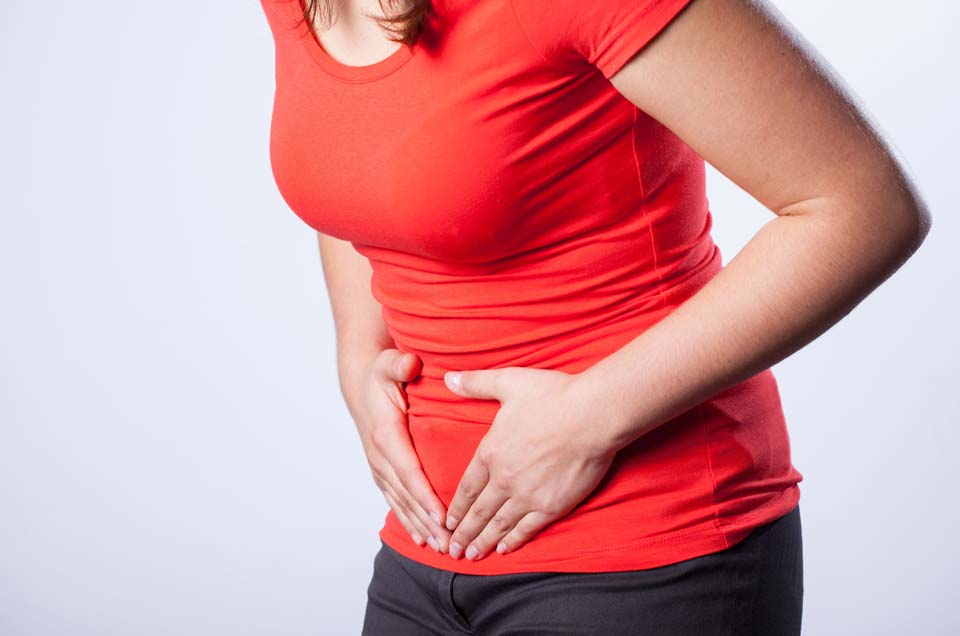
5059As a woman gets older, her body goes through major changes, one of which is menopause, which is the time when her periods finally stop. During this time, her hormones start shifting, her sleep cycle gets disturbed, and she starts to gain weight, especially around her belly.
It starts feeling frustrating when your clothes can’t fit, even when your eating habits haven’t changed. However, understanding how your metabolism, hormones, and sleep cycle work together makes it easy to control your weight effectively.
What Happens To Hormones During Menopause?
During this transition, the hormone that is affected is estrogen. The decrease in estrogen levels affects the body severely, which leads to fat storage in the body, mainly around the abdominal area. It also decreases muscle mass, which in turn lowers her metabolic rate.
The decline in estrogen levels also affects insulin sensitivity, which makes it harder for the body to regulate blood sugar levels and store energy efficiently.
Why Does Menopause Change Metabolism?
With age, a woman’s metabolism slows down naturally due to a drop in estrogen levels. This slower metabolic rate means that eating the same amount of food can lead to weight gain over time. Aging also causes a gradual loss of muscle mass. If a woman keeps eating the same portions as before, her body ends up with extra calories it no longer needs, leading to fat accumulation.
Can Poor Sleep During Menopause Lead To Weight Gain?
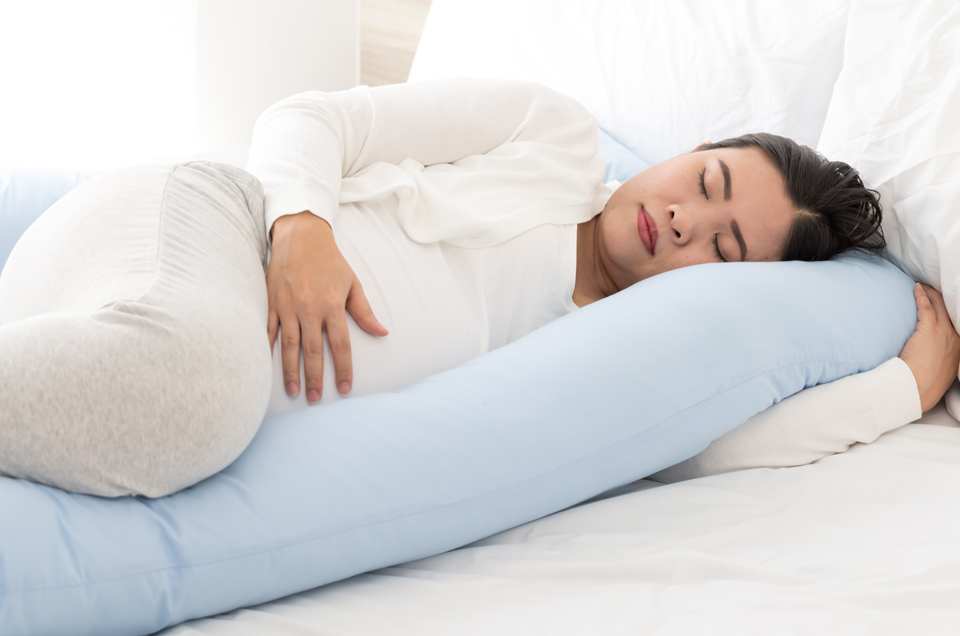
Sleep is the most important factor required for the maintenance of overall health of a person. And many women experience sleep problems due to hot flashes, night sweats and other menopausal symptoms. If it gets affected, then the whole body, from the brain to digestion, has to suffer.
Poor sleep creates an environment in the body that forces you to crave more calories, and because of that, you start eating more, which gives you extra body weight.
Those who sleep less than 7-8 hours regularly create an imbalance in the body, which makes you hungrier. It also reduces your ability to resist high-calorie and high-carbohydrate food, which is not at all good for your body.
What Role Does Stress Play?
Higher stress levels can increase cortisol, which is the stress hormone in the body. When it's affected, your eating habits change. You reach for comfort food, or you start skipping your meals, and starve yourself a lot, then eat a huge meal later, leading to weight gain in the body. Stress makes a good meal hard to digest. This is why keeping your stress under control can help you maintain your cortisol level.
Which Eating Habits Make Weight Gain Worse?
Wrong eating habits are among the significant causes of weight gain in women during this phase:
- Skipping Breakfast: Many women skip breakfast, thinking it will help them lose weight, but it only causes weakness, slows down energy, and makes them overeat later in the day.
- No Portion Control: With age, you burn fewer calories, and having large portions increases food intake in your body.
- Eating Late at Night: Eating too late at night will make it difficult for your body to digest food properly, thus causing bad sleep and instant weight gain.
- Sleeping Immediately After Eating: Going straight to bed right after a meal slows down digestion, causes severe acid reflux, and stores calories as belly fat.
- Drinking Less Water: If you do not drink enough amount of water, your body becomes confused between feeling thirsty or hungry and makes you eat unnecessary snacks.
- Eating Junk and Ultra-Processed Foods: Snacks and foods that are highly processed contain empty calories that create fat in the body.
Doctor’s Note
Gradual weight gain around your belly is common during menopause as your hormones and metabolism change. However, if you experience sudden or rapid weight gain, extreme fatigue, or shortness of breath, please consult your doctor. These could be signs of a thyroid issue or a heart-related problem, rather than just normal menopausal changes.
The Ayurvedic View On Menopause
Ayurveda sees menopause as a very natural shift in a woman's life. It says that it happens due to an increase in Vata dosha. As Vata rises, it can cause dryness, agitation, anxiety, insomnia, and weight gain due to the loss of the body's natural rhythm and nourishment.
Because of modern habits like eating heavy food, sitting too much, and stressing out, this natural shift can make you feel sluggish and heavy.
Ayurveda suggests bringing balance back by eating warm, fresh meals on a regular schedule, drinking plenty of water, and keeping a calm, steady daily routine. However, always check with a doctor before taking any natural Ayurvedic herbs, just to be safe.
What Foods Can Support a Healthy Weight?
There is no magical food that can burn fat instantly. It is all about how you build your plate.
- Eat protein to protect your muscles, like dal, chickpeas, or paneer, etc.
- Eat plenty of fiber from fresh vegetables, fruits, and whole grains.
- Include healthy fats from nuts and seeds.
- Make sure you get enough calcium and vitamin D to keep your aging bones strong.
Can Exercise Actually Help?
Yes, exercise keeps your heart strong, helps you sleep deeply, and boosts your mood. The best thing you can do is combine walking with strength exercises.
You do not need a gym to build muscle. Simple things like squats, wall push-ups, or using stretchy resistance bands at home work well. Just doing things like taking the stairs or walking after dinner really adds up.
How Can Sleep Be Improved?
Sleep is just as important as diet when it comes to your weight.
Try to wake up and go to sleep at the same times daily. If you get hot flashes, keep a fan running and keep the room cool. Stop drinking coffee in the afternoon, and avoid alcohol, as it ruins your sleep cycle.
When To See A Doctor?
Go see a doctor if you are experiencing the following symptoms in your body:
- Feeling completely exhausted all the time.
- Going breathless after climbing a few stairs.
- Sudden swelling in your body.
- Constantly hungry throughout the day, even after eating your meals.
- Feeling physically weak all the time.
Conclusion
Menopause is a natural transition in every woman’s life that affects her overall health. Putting on weight during this stage may be annoying, but one can control this issue by ensuring that he or she eats the right diet, gets adequate rest at night, avoids stress, does regular exercise, and keeps himself or herself hydrated. It can become easy to control and manage weight.
References
Sleep, Health, and Metabolism in Midlife Women and Menopause: Food for Thought - PMC
Weight Management Module for Perimenopausal Women: A Practical Guide for Gynecologists - PMC
Weight, Shape, and Body Composition Changes at Menopause - PMC