 Published on
26 Jun, 2026
Published on
26 Jun, 2026 Updated on 26 Jun, 2026
 5088
5088As we grow old, maintaining bone health becomes vital. Many individuals tend to consider bone health only when they have a broken bone or suffer from a condition known as osteoporosis. However, healthy bones are maintained through proper practices that one observes daily.
Bones are living tissue, which continues to rebuild itself. Up to the age of 30, bones build up much faster than they break down. However, past that point, bones become weak and start to deteriorate at a pace faster than they are being rebuilt. Women can experience more bone loss after menopause due to changes in their hormones.
Why Is Bone Health Important?
Bone has several uses other than providing structural support to the body. These include supporting our posture, movement and protecting vital organs such as the heart and lungs. Additionally, bone tissue stores necessary minerals, including calcium, which the body requires for various functions.
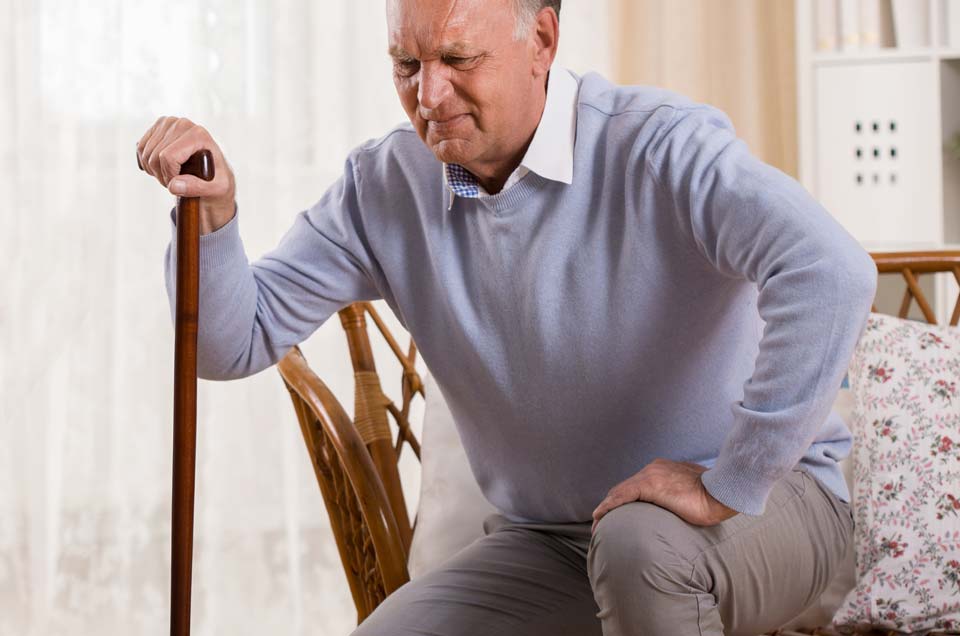
Weak bones can lead to easy bone fractures that can happen from a light fall or even minor injuries. Weak bones cause balance and mobility problems, which can result in conditions such as postural and gait disorders.
One challenge is that bone loss often happens silently. Most people do not notice any symptoms until a fracture occurs. That's why it's important to start caring for your bones before problems develop.
Strength Training: A Simple Way to Keep Bones Strong
One of the greatest ways to build bone health involves strength training. Your muscles, when exercising under the load, exert some pressure on the bones, thus making them strong and healthy. What is great about strength training is that you do not need to strain yourself by doing strenuous exercise or lifting weights that are too heavy. Simple exercises like squats, lunges, resistance band training, light dumbbell training, wall pushups, and climbing stairs are quite helpful. Just spending about 15 to 20 minutes a few times a week will yield great results. Besides helping to build strong bones, strength training exercises will make your muscles strong and will also improve your balance and posture.
Other Exercises That Help Your Bones
Though strength training exercises are essential for maintaining strong bones, there are many other types of physical exercises that will keep your bones healthy. There are various benefits of each kind of exercise, and their combination will allow you to remain fit as well as help you maintain healthy bones.
Walking: This is the simplest and easiest exercise that you can perform. If you take at least 30 minutes of walking on most days of the week, it will help in the maintenance of your bone health, improve circulation, increase energy levels, and improve heart health. It is easy on your joints and appropriate for most people.
Jogging or Running: Jogging and running increase the stress and pressure exerted by bones, hence helping in maintaining the bone density levels. The two exercises can help improve your endurance and fitness. But these types of exercises might not be suitable for everybody, especially people who have problems with their joints.
Yoga: Yoga makes you stronger and gives you a good posture, flexibility and balance. Good balance will protect you from falling and injuring your bones.
Dancing: Dancing is a fun and enjoyable way to stay active. It makes the body move, strengthens muscles and bones, increases coordination and promotes balance. Whether one is taking dance lessons or just enjoys dancing at home, it is one way through which one can exercise.
Climbing Stairs: Using the stairs rather than elevators is an easy way to add more physical activity to your routine. Stair climbing contributes to the strengthening of the muscles of the legs and stimulates pressure on the bones.
The best exercise is one that you enjoy and can do regularly. Staying active consistently is more important than choosing a single "perfect" workout. Even small amounts of daily movement can contribute to stronger bones, better mobility, and improved overall health.
Eat the Right Foods for Healthy Bones
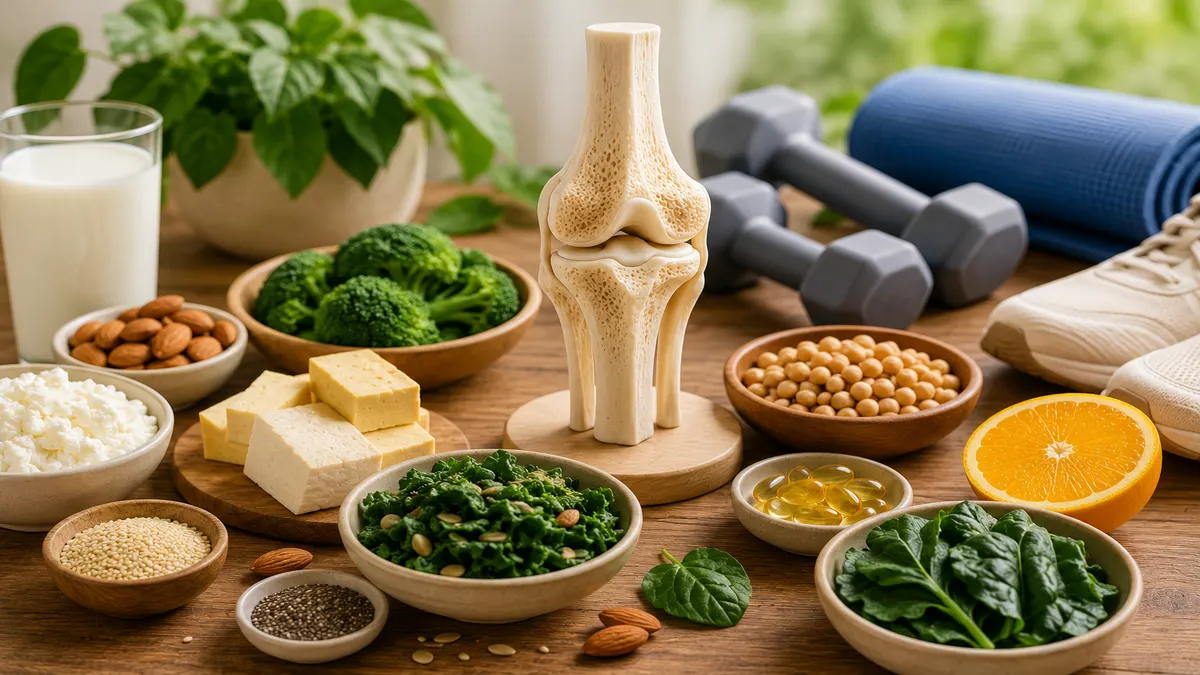
Apart from exercise, it is essential to consume healthy nutrients in the diet to build strong bones. Foods such as milk, yogurt, cheese, sesame seeds, almonds, ragi, and green vegetables are rich in calcium, which plays an important role in building healthy bones. Vitamin D, whose job is to increase the absorption of calcium in the body, can be taken through the sun, egg yolk, fatty fish and other food products. Slight exposure to the sun in the morning will ensure sufficient vitamin D in the body. It is equally important to consume protein to keep the muscles strong enough to support bones. Lentils, beans, dairy products, eggs, fish, and soy products are some examples of foods rich in protein.
Daily Habits That Support Bone Health
Small daily habits can have a big impact on bone health over time. Consider the following:
- Get Enough Sleep: Your body repairs and recovers while you sleep. Aim for 7–9 hours of quality sleep each night to support overall health, including bone health.
- Stress Management: Prolonged stress is one of those factors that might impact various elements of our health. Try to meditate, practice deep breathing, yoga, or spend some time with your family to relieve stress.
- No/Minimal Smoking: Smoking makes our bones brittle, which increases the risk of breaking a bone.
- Drinking No/Minimal Alcohol: Excessive use of alcohol may cause decreased bone density and may result in increased risk of falling and fractures.
- Not Sitting All the Time: Try not to sit too much during the day. Various activities like walking, stretching, gardening, or climbing stairs can promote muscle and bone activity.
When Should You Check Your Bone Health?
Some reasons why it may be beneficial to discuss bone health with a healthcare provider include:
- You are older than 50 years
- You have been through menopause
- Osteoporosis is common in your family
- You have had a fracture following a small fall
- You are a regular smoker and drinker
- You have medical conditions affecting your bone health.
Final Thoughts
Strong bones are essential to ensure continued physical activity and health. However, it is true that bone loss takes place as one ages, but there are some excellent ways of ensuring that this process slows down. Regular exercise, healthy food, sleep, and remaining physically active are all good for your bones. It is always better if you take care of your bones as early as possible in life, since it can help you maintain their strength for a long time.
References
A Public Health Approach to Promote Bone Health - Bone Health and Osteoporosis - NCBI Bookshelf
Osteoporosis Causes, Risk Factors, & Symptoms | NIAMS
World Osteoporosis Day | Simple ways to prevent osteoporosis