-(1).webp)
 Published on
26 Jun, 2026
Published on
26 Jun, 2026 Updated on 26 Jun, 2026
 5098
5098People are buying expensive probiotic pills, eating fermented foods and even getting their gut bacteria tested. But why is everyone suddenly so obsessed with what happens in our stomachs?
The truth is, your digestive system does a lot more than just break down your lunch. Modern science is proving what ancient wellness traditions have said for thousands of years: a happy gut is the secret to a healthy body. Your gut affects everything from your immune system and energy levels to your mood and mental clarity.
With all the hype around gut health, many people wonder if they need to start taking probiotic supplements to stay healthy. While those pills can help sometimes, there is a much bigger, more natural way to look at digestion.
The Tiny World Inside Your Belly
Currently, there are trillions of very small bugs, mainly good bacteria, dwelling in your intestine. The science world calls this group of bacteria the gut microbiome.
No need to panic, having bacteria in your tummy is actually a positive sign! These bacteria work day and night for the sake of your health. Having the proper balance of these bacteria allows you to:
- Digest tough food
- Absorb all useful nutrients from your food
- Fight off any harmful bacteria so that you do not fall ill
- Have a healthy digestive process
It is the digestive imbalance that causes problems. When the bad bacteria outweigh the good ones, then discomfort occurs. Even mundane things such as bad eating habits, stressful lifestyle, lack of sleep and antibiotic use can ruin this balance easily.
Your Gut Is Your "Second Brain"
Have you ever felt "butterflies" in your stomach when you were nervous? Or maybe your stomach hurt right before a big meeting? That happens because your gut and your brain are constantly talking to each other.
In fact, your gut has so many nerves that experts now call it your "second brain." When your gut environment is unhappy, it sends stress signals to your head. This can leave you feeling foggy, tired, or moody. Taking care of your stomach isn't just about avoiding a bellyache; it is about keeping your mind clear and happy, too.
Do You Actually Need a Probiotic Pill?
Probiotics are simply live, friendly bacteria. You can find them in everyday foods like yogurt, or you can buy them as capsules and powders.
A lot of people think buying a bottle of probiotics is a quick fix for all their stomach problems. While these supplements can be great, especially if you are recovering from a round of antibiotics that wiped out your good bacteria, they aren't a magical cure.
The truth is, a pill cannot replace a good diet and healthy habits. Plus, everyone's gut is unique. A supplement that works wonders for a friend might not do anything for you. Instead of looking for a quick fix in a pill bottle, it is much better to look at how you can help your digestive system naturally.
The Ayurvedic View: Keeping Your Inner Fire Alive
Long before modern science discovered the gut microbiome, Ayurveda was talking about the absolute importance of digestion. In Ayurvedic philosophy, everything centers around a concept called Agni, which means your "digestive fire."
Think of your stomach like a small campfire. When your inner fire is burning bright, hot and clean, it easily processes everything you eat and turns it into pure energy. If your inner fire gets weak, even the healthiest, most organic food won't digest properly.
When food just sits there without breaking down, it begins to spoil and turn into a sticky, toxic waste called Ama. This heavy waste clogs up your system, saps your energy, and acts as the root cause for most everyday health issues. Ayurveda teaches us that instead of just adding more bacteria to our gut, we need to focus on stoking our inner fire so our bodies can heal themselves.
Warning Signs Your Gut Is Struggling
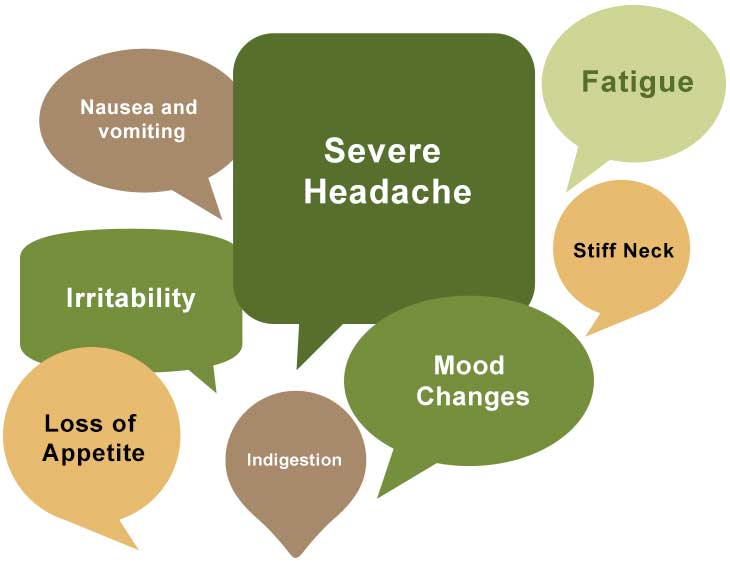
Your body is excellently designed for communication; all you need to do is hear what it says. If there is any imbalance in your digestive system, then it will make sure to give you proper indications.
Some of those could be:
- Consistent bloating
- Too much gas and indigestion
- Slow digestion and constipation
- Feeling tired all the time
- Fatigue, even after getting enough sleep
- Loss of appetite and no interest in eating
Simple Ways to Boost Your Digestion Naturally
You don't need to change your entire life overnight to get a happier gut. Ayurveda suggests focusing on a few simple, daily habits that gently rebuild your digestive strength.
- Eat warm, freshly made meals: Freshly cooked food is full of life and much easier for your stomach to break down. Try to avoid cold, packaged, or heavily processed foods that drag your digestive fire down.
- Stop before you are completely stuffed: It is very easy to overeat when a meal tastes great. Try to stop when you feel about 75% full. Your stomach needs a little bit of empty physical space to mix and churn your food efficiently.
- Stick to regular meal times: Your body loves routines. Eating your breakfast, lunch, and dinner around the same time every day trains your digestive system to expect food, making it ready to produce the right juices at the right time.
- Keep your body moving: You don't have to spend hours at the gym. Simple things like a casual walk after meals, gentle stretching, or light yoga help keep your blood flowing and your digestive tract moving smoothly.
- Calm your mind before you eat: Since your brain and gut are connected, eating while stressed or angry dries up your digestive juices. Take a few deep breaths before your first bite, and step away from your phone or work screen while you eat.
The Best Everyday Foods for a Happy Belly
What you put on your plate is one of the fastest ways to change your gut health. You don't need exotic superfoods; you just need to focus on real, whole ingredients.
- Fiber-rich foods: Fiber is like fuel for the good bacteria in your belly. You can pull a lot from fresh fruits, vegetables, whole grains, oats and lentils.
- Traditional fermented options: Skip the pricey drinks if you want and go for plain, homemade yogurt or traditional buttermilk. They naturally carry friendly bacteria, which your gut seems to love.
- Prebiotic foods: Picture prebiotics as the snack your good bacteria like the most. When you eat garlic, onions, bananas and asparagus, those existing friendly microbes can grow and do better.
- Good old-fashioned water: Hydration is key, especially for helping the body move things along and wash out waste. Sip water throughout the day, try to keep it warm, or at least at room temperature.
Probiotic Pills vs. The Natural Way: What’s the Difference?
When it comes down to it, probiotic supplements and natural wellness approaches look at gut health through two different lenses. Probiotic pills simply try to drop new bacteria into your system from the outside. But if your stomach environment is still stressed, cold, and sluggish, those new bacteria won't survive for long.
The natural, holistic approach focuses on fixing the environment inside your belly. If you change how you eat, how you handle stress and how you sleep, you kind of end up with a warm, healthy home where your body’s natural good microbes can thrive all by themselves. Not like a quick, temporary patch, but more like a lasting, longer-term approach.
Small Changes, Big Results
At the end of the day, healing your gut isn't about being perfect or buying those pricey health supplements. It's really about staying consistent, doing the small stuff again and again. Like starting your morning with a glass of warm water, or taking the extra second to chew your food all the way through. Add in a good night's sleep and pay attention to your body's hunger cues. These simple habits, together, will do more for you than any supplement bottle ever could. Give your body time and the right environment and your digestive “fire” will handle the rest.