 Published on
21 Mar, 2026
Published on
21 Mar, 2026 Updated on 25 May, 2026
 5179
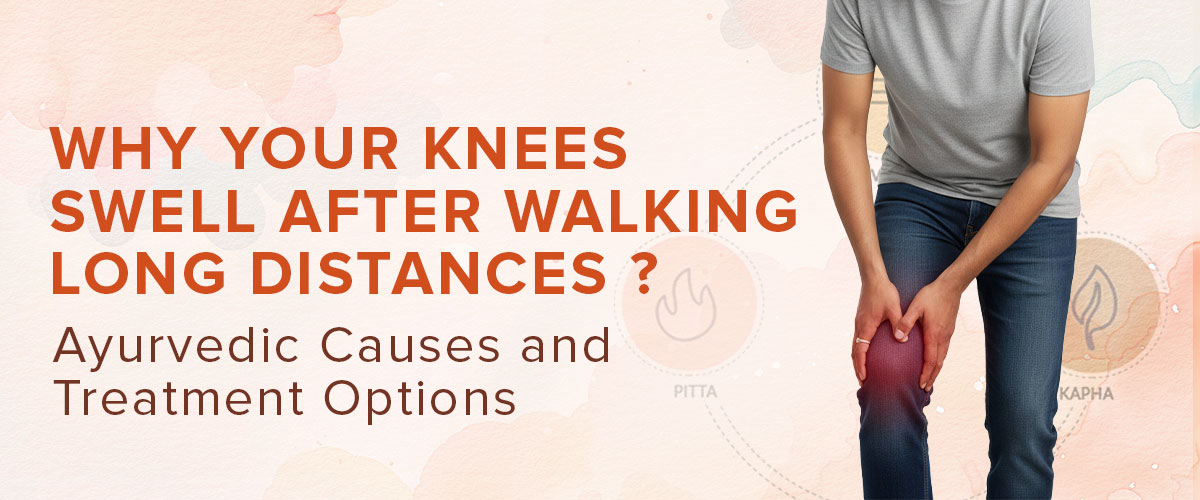
5179When a Simple Walk Turns Into Knee Swelling – What’s Really Happening?
One of the best forms of exercise for a healthy lifestyle is walking. However, when your knees swell after a long walk, it is a sign that your body is asking you to attend to them. While some discomfort is expected after a walk, regular swelling is a warning sign that you might be suffering from a problem in your knee joint.
If you do not attend to the problem, you may end up suffering from severe pain and even damage your knee joint.
Knee Swelling Explained – What Does It Actually Mean?
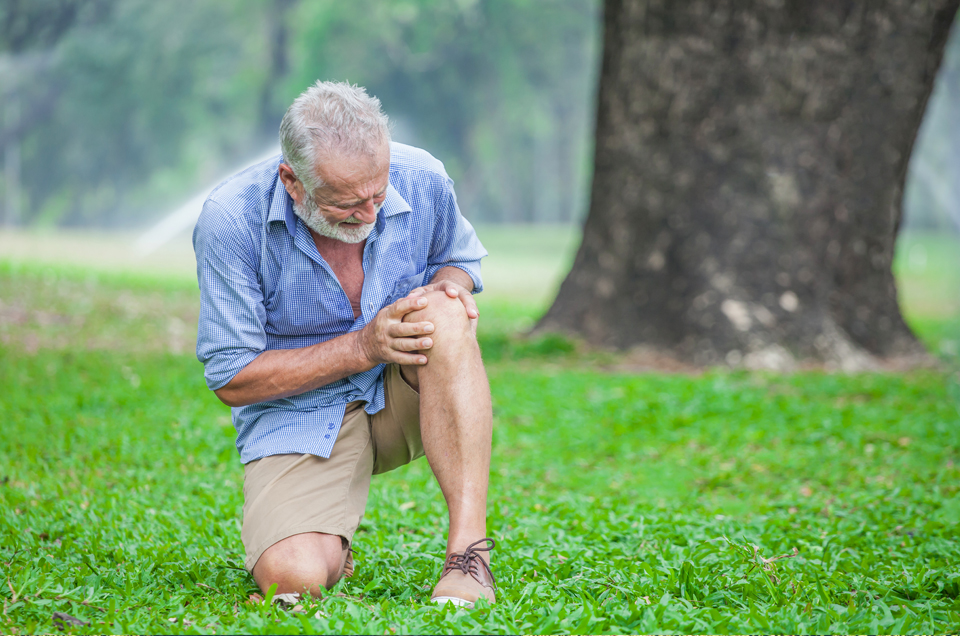
Knee swelling is a medical condition in which fluid is accumulated in the knee joint. Knee swelling makes your knee:
- Puffy and tight
- Painful when you try to bend your knee
- Makes your knee stiffer after a walk
In simple words, your knee is responding to the irritation and damage caused by a walk or some exercise.
Not All Knee Swelling Is the Same – Different Types You Should Know
Knee swelling can differ depending on the cause. The different types of swelling are:
- Acute Swelling – Occurs abruptly because of injury or strain
- Chronic Swelling – Occurs gradually as a result of conditions such as arthritis
- Intermittent Swelling – Swells and then subsides; may be brought on by physical activities
- Inflammatory Swelling – Relates to autoimmune and joint problems
This information can help determine the type of treatment to use.
Are Your Knees Trying to Tell You Something? Don’t Ignore These Warning Signs
The following signs should be monitored, especially if there is swelling in the knees:
- Pain that occurs or worsens after walking
- Stiffness, especially in the morning or after sitting for too long
- Warm or red to the touch around the joint
- Difficulty bending or straightening the leg
- Feeling of heaviness around the knee
When these signs occur repeatedly, it is a sign from the body that something is amiss. The earlier you listen to the body, the easier it is to prevent issues.
Why Do Your Knees Swell After Long Walks? Let’s Break It Down
In other words, knee swelling does not just come about randomly. There must be a cause. Here are some of the common causes of knee swelling:
- Overworked Knees – Walking long distances without adequate resting periods can cause your knees to work extra hard
- Weak Supporting Muscles – If the muscles supporting your knee joint are weak, then the joint itself becomes subjected to more pressure
- Natural Wear and Tear – Over the course of your life, the cushioning of your knee joint, or the cartilage, can eventually wear off
- Ligament Strain or Minor Injuries – Even minor injuries can cause swelling
- Wearing the Wrong Shoes or Walking the Wrong Way – If your shoes or the way you walk does not provide your knee joint with adequate support, then the knee joint itself may eventually be affected
- Underlying Health Conditions – Arthritis or inflammation, among other conditions, can cause swelling
Think of your knee joint as the shock absorber of your body.
Could You Be at Risk? Don’t Wait Until Knee Pain Slows You Down
There are certain aspects of your daily life that may unknowingly increase the risk of swelling of your knees. These include:
- Carrying Extra Weight Adds Pressure on Your Joints
- Inactive Lifestyle Followed by Sudden Exercise
- Old Knee Injuries That Never Fully Healed
- Poor Posture or Misalignment While Walking or Standing
- Lack of Proper Nutrition for Joint Health
If any of the above conditions apply to you, then you should be a little more careful about your knee health.
What Happens If You Ignore It? Small Swelling Can Turn Serious
Ignoring knee swelling at present can lead to serious complications in the future. Let’s see what complications you might face if you ignore knee swelling:
- Long-Term (Chronic) Knee Pain
- Reduced Flexibility and Movement
- Persistent Joint Stiffness
- Gradual Development of Arthritis
- Difficulty in Handling Daily Activities like Walking or Climbing Stairs
The good news is that if you take proper care of your knee swelling, you can avoid all these complications and maintain healthy knees.
How Do Doctors Find the Real Reason Behind the Swelling of Your Knees?
Getting the right diagnosis is the first step towards the right treatment. Instead of simply treating the swelling, doctors try to find the real reason behind the swelling. Here’s how doctors find the real reason behind the swelling of your knees:
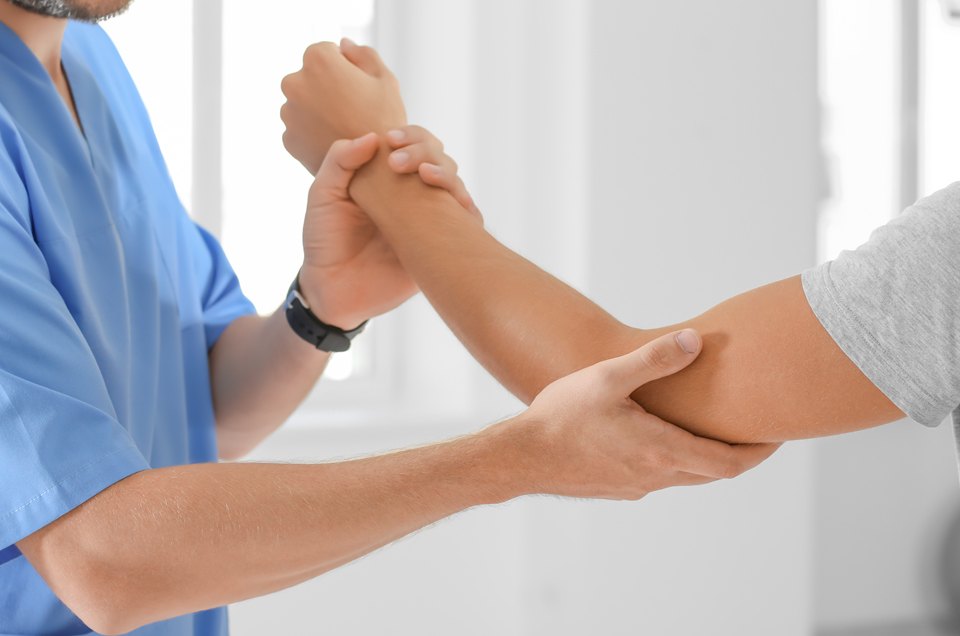
- Hands-on Physical Check: The doctors check the knee for pain, stiffness, movement of the knee, and swelling.
- X-rays: A Clear Picture of the Bones: X-rays help doctors find any damage to the bone, joint space, or signs of arthritis.
- MRI Scan: In-Depth Analysis: An MRI scan can help doctors identify any tears or damage to the ligaments or cartilage.
- Blood Tests: To Find the Hidden Reason: Blood tests can help doctors identify infections, inflammation, or autoimmune diseases.
- Joint Fluid Analysis: In Severe Cases: In severe cases, the fluid from the knee joint is checked to identify infections or crystals.
The sooner the diagnosis, the easier it is to treat the condition.
How Does Ayurveda Diagnose Knee Swelling? A Root Cause Approach
Unlike conventional medicine, which only focuses on the end results of the problem, Ayurveda seeks to understand the root cause of why the problem is happening in the first place. A typical Ayurvedic diagnosis consists of:
- Prakriti Analysis (Body Constitution)
- Identifying your body type and how it is imbalanced; Dosha Imbalance Analysis
- Knee swelling is generally related to the imbalance of Vata in the body
- Nadi Pariksha (Pulse Diagnosis): A traditional method of diagnosis where the pulse is examined to determine imbalances within the body
- Intensive Analysis of Your Lifestyle & Diet: Evaluating your daily habits and dietary patterns
- Assessment of Ama (Toxins in the Body): Identification of toxins within the body that may cause blockage in the proper functioning of the joints
- Intensive Analysis of the Joints (Sparsha & Darshan): Observing and examining the swelling and sensitivity of the knee joint
What Does Ayurveda Have to Say About Knee Swelling? It’s More Than Joint Pain
According to Ayurveda, swelling in the knee is not just a localised issue. It is a manifestation of imbalance in the body. Generally, swelling in the knee is associated with an imbalance in the Vata Dosha. The Vata Dosha is responsible for movement in the body. When there is an imbalance in the Vata Dosha, we can experience:
- Dryness and weakening of joints
- Pain, stiffness, and cracking of joints
- Lack of lubrication in the joints
Ama or toxins are another major cause of swelling in the knee. Ama is a collection of undigested food particles in the body due to poor digestion. When there is Ama in the joints, we can experience:
- Swelling and inflammation in the joints
- Feeling of heaviness in the knees
- Restricted movement in the knees
How Jiva Ayurveda Helps You Heal Naturally and Holistically
The approach followed at Jiva Ayurveda is to treat the root cause and not just the symptoms. The steps followed by Jiva Ayurveda include:
- Personalised Consultation based on body type or Prakriti
- Determining the Dosha Imbalance
- Detoxification to remove toxins or Ama from the body
- Prescribing Herbal Medicines based on the condition
- Making necessary Lifestyle and Diet Changes
The idea is simple: balance, reduce inflammation, and strengthen joints naturally.
Powerful Ayurvedic Herbs That Support Knee Health Naturally
Ayurveda, with its powerful and natural herbs, reduces knee pain and inflammation. The herbs used include:
- Ashwagandha: It gives strength to the muscles and reduces inflammation.
- Shallaki or Boswellia: It is known for its natural anti-inflammatory properties.
- Guggulu: It helps in the process of detoxification and repairing the joints.
- Nirgundi: It reduces pain and inflammation in the joints.
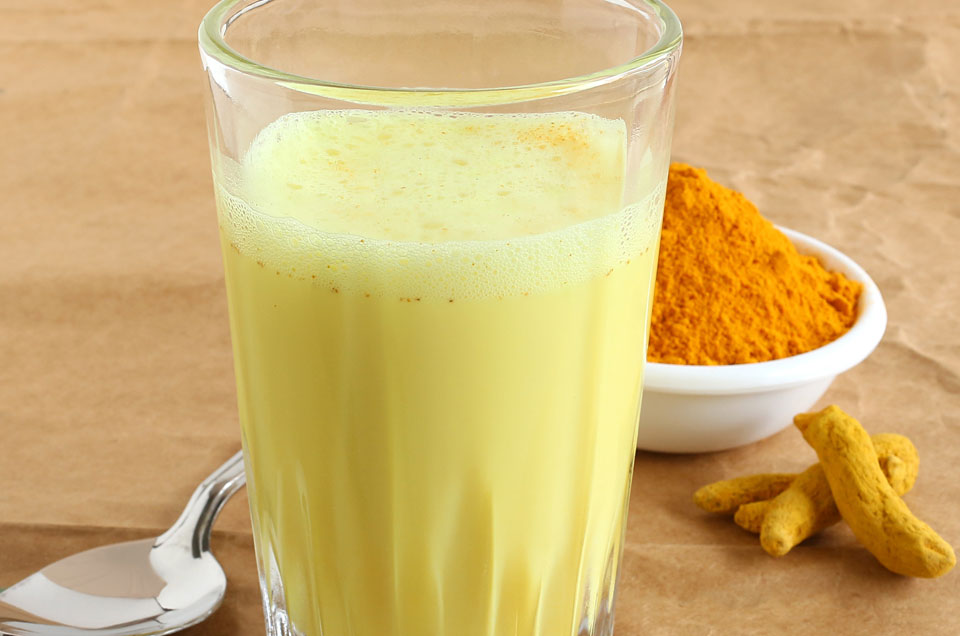
- Turmeric or Haldi: It is an antioxidant and reduces inflammation.
Tried Everything for Knee Swelling? These Ayurvedic Therapies Can Bring Real Relief
In the quest for knee swelling relief, Ayurveda does more than just provide medicines. It offers powerful external therapies as well as Panchakarma techniques, which can bring relief from knee swelling, enhance joint mobility, and provide nourishment from the inside. Here are the Ayurvedic therapies, which can actually bring relief from knee swelling:
- Abhyanga (Warm Oil Massage That Soothes Your Joints): A massage therapy with medicated oils, which increases the circulation of blood, reduces joint stiffness, and relaxes your muscles
- Janu Basti (Deep Nourishment for Your Knees): A special therapy where warm oil is retained over the knee joint, which provides deep nourishment to the knee joint
- Swedana (Herbal Steam for Instant Lightness): Steam therapy, which opens the channels, reduces swelling, and minimises joint stiffness
- Lepam (Cooling Herbal Paste for Inflammation Relief): An external herbal paste that provides relief from pain, inflammation, and discomfort
These Ayurvedic therapies, when combined, provide the required lubrication to the dry joints, reduce swelling, and enhance the smooth movement of the knee.
Eat Right to Heal Your Knees – Ayurvedic Diet Tips You Shouldn’t Ignore
A proper diet is crucial to maintaining healthy joints. The Ayurvedic way of life focuses on the food that can help balance Vata and detoxify your body.
Foods That Help
- Warm and fresh-cooked food
- Ghee and fatty foods (for joint lubrication)
- Milk and herbal teas
- Ginger, garlic, and turmeric
- Green vegetables and easily digestible foods
Foods to Avoid
- Cold and stale food
- Dry and fried foods
- Processed and packaged foods
- Excessive use of sugar and maida
- Cold drinks and refrigerated food
Golden rule: Eat light, warm, and easily digestible food to keep your joints healthy.
How We Understand Your Knee Problem at Jiva Ayurveda
At Jiva Ayurveda, your journey begins with a deep and personalised understanding of your condition, rather than just a check-up. Here’s how we understand your condition:
- Detailed Consultation with Experts: Doctors listen to your symptoms, your lifestyle, your medical history, and your daily routine
- Prakriti Analysis (Your Body Type): Understanding your body type, whether you are primarily Vata, Pitta, or Kapha
- Nadi Pariksha (Pulse Diagnosis): A traditional Ayurvedic practice of pulse diagnosis to identify the imbalances occurring in your body
- Root Cause Identification: Understanding whether your knee swelling is caused by Vata, Ama, or your lifestyle
This holistic approach ensures you are treated based on your condition, rather than your symptoms.
Our Step-by-Step Patient Care Process:
Expect a Call: Submit your contact details, or you can also call us on 0129 4264323.
Appointment Confirmation.
- You can schedule an appointment and visit us at our clinic for a consultation with our Ayurvedic experts.
- If you are unable to find our clinics near you, you can also schedule an online consultation on 0129 4264323 at a discounted price of Rs. 49 (regular price Rs299) and avail guidance from our doctors at home.
Detailed Diagnosis
Jiva doctor will perform a thorough and detailed diagnosis to identify the root cause of your health problem.
Root-cause Based Treatment
Jiva doctor will recommend a personalised treatment using highly-effective, natural, and Ayurvedic medicines to address symptoms and the root cause.
Your Healing Journey – Step by Step Towards Pain-Free Movement
At Jiva Ayurveda, the healing process follows a natural, scientific, and structured path. It includes:
- Consultation & Diagnosis – Understanding your condition in detail
- Personalised Treatment Plan – Herbal medicines, therapies, and diet guidance
- Detox & Balance – Removing toxins (Ama) and correcting dosha imbalance
- Therapies & Lifestyle Changes – Strengthening your joints and increasing your flexibility
- Regular Follow-Ups – Keeping track of your progress
Each of these steps is aimed at restoring balance, rather than providing temporary relief.
When Will You Start Feeling Better? Understanding the Healing Timeline
Ayurvedic healing is a gradual process, but the results are long-lasting. The time required may differ depending upon the severity of the problem:
- Mild Cases: Results may be visible in a matter of weeks
- Moderate Cases: Relief may be experienced within 1-2 months
- Chronic Cases: It may take 3-6 months to experience significant improvement
Adherence to the treatment, diet, and lifestyle is critical to the rate of recovery.
What Kind of Results Can You Expect? Let’s Set Real Expectations
With the best possible treatment and care in the field of Ayurveda, the following results may be expected:
- Less swelling and inflammation in the joints
- More flexibility and mobility in the joints
- Less pain in the joints, even while walking or performing daily activities
- Stronger and healthier joints
Patient Testimonial- Raj Bala Sharma
“I had severe joint pain in my knees and back. I could not stand for long durations, and climbing stairs was becoming very difficult. Doctors gave me pain medication but it wasn't working effectively. So, I started looking for better options, and one day a friend suggested Jiva Ayurveda. I can't express in words the change that has happened after starting treatment at Jiva. The pain is so much less now.”
Estimated Cost of Treatment at Jiva Ayurveda
Understanding the financial investment required for your health is important. At Jiva Ayurveda, we make sure of transparency in our service costs, which allows you to choose the most suitable option for your medical needs.
Treatment Cost
For patients who seek standard, ongoing care, the Monthly Cost of Medicine and consultation typically ranges from Rs. 3,000 to Rs. 3,500. Please note that this is an estimated baseline. The final cost depends on the exact nature and severity of the patient's condition.
Protocol
For a more comprehensive, structured approach, we offer specialized Package protocols. These plans are designed to address both physical symptoms and the overall lifestyle correction. The package includes:
- Medicine
- Consultation
- Mental Well-Being Sessions
- Yoga and Meditation
- Diet
The cost for this protocol involves a one-time payment ranging from Rs. 15,000 to Rs. 40,000, which covers the full 3 to 4-month duration of the treatment.
Jivagram
For patients requiring intensive and immersive care, our Jivagram centres offer the ultimate healing experience. Jivagram is a holistic sanctuary set in a peaceful, eco-friendly environment, and it provides:
- Authentic Panchakarma therapies
- Sattvic meals
- Modern healing services
- Comfortable accommodation
- Many more quality-of-life facilities
An immersive wellness stay at Jivagram costs around 1 Lakh for a 7-day duration, ensuring continuous personalised care to help reset your body and mind.
Why Patients Trust Jiva Ayurveda
Over the years, Jiva Ayurveda has gained the trust of thousands of patients who are seeking natural and personalised healthcare solutions. Some of the key reasons for patients’ trust in Jiva Ayurveda:
- Root-Cause Based Treatment
Unlike conventional treatments that address only the symptoms of disease, Ayurvedic treatment focuses on treating the root causes and correcting the underlying imbalances in the body that lead to disease.
- Experienced Ayurvedic Doctors
Jiva Ayurveda boasts of having a huge team of experienced Ayurvedic doctors who thoroughly examine each patient’s condition before recommending treatment for diseases.
- Personalised “Ayunique” Treatment Approach
Ayurvedic treatment is highly personalised and customised according to each individual’s prakriti and lifestyle.
- Holistic Healing
Ayurvedic treatment is not limited to medicines; it also includes dietary and lifestyle modifications, breathing techniques, and stress management to support overall healing of the body and mind.
- Trusted by Patients Across India
A huge percentage of patients have shown improvement in their conditions after adopting Jiva’s treatment plans and recommendations for diseases. This shows how much people trust Jiva Ayurveda for Ayurvedic treatment.
- 95% of patients saw significant improvement within 3 months of treatment.
- 88% of patients stopped allopathic medicines completely.
- 8000+ patients consultation everyday
Modern vs Ayurvedic Treatment – Which Approach Is Right for Your Knee Swelling?
Aspect
Modern Treatment
Ayurvedic Treatment
Approach
Focuses on managing symptoms like pain and swelling
Focuses on treating the root cause (dosha imbalance & toxins)
Treatment Method
Painkillers, anti-inflammatory drugs, injections, surgery (in severe cases)
Herbal medicines, detox (Ama removal), therapies, and lifestyle correction
Relief Speed
Quick but often temporary relief
Gradual but long-lasting relief
Side Effects
Possible side effects of long-term medication use
Natural treatments with minimal side effects when supervised
Focus Area
Affected joint or symptom
Whole-body healing and balance
Long-Term Outcome
May not prevent recurrence
Aims to prevent recurrence by correcting the root cause
Dependency
May require ongoing medication
Focus on reducing dependency through natural healing
When Should You See a Doctor? Don’t Ignore These Red Flags
Mild swelling can be treated with bed rest, but if you notice the following, you should seek medical care:
- Swelling does not go away with bed rest
- Severe pain in the knee
- Difficulty walking or bearing weight
- Redness, warmth, or infection
- Sudden onset of swelling after an injury
- Presence of fever along with swelling of the joints
Conclusion
Knees swelling after walking long distances is more than just temporary discomfort; it is your body’s way of telling you that something is wrong and needs to be addressed. Ignoring it can cause problems that may affect your joints and cause you pain in the future. The key is to take action as early as possible. It may be as simple as improving your lifestyle, fixing your posture, strengthening your joints, or even choosing a holistic approach to healing.