 Published on
21 Mar, 2026
Published on
21 Mar, 2026 Updated on 25 May, 2026
 5167
5167Why Your Knee Suddenly Feels Weak While Walking – Don’t Ignore This Warning Sign
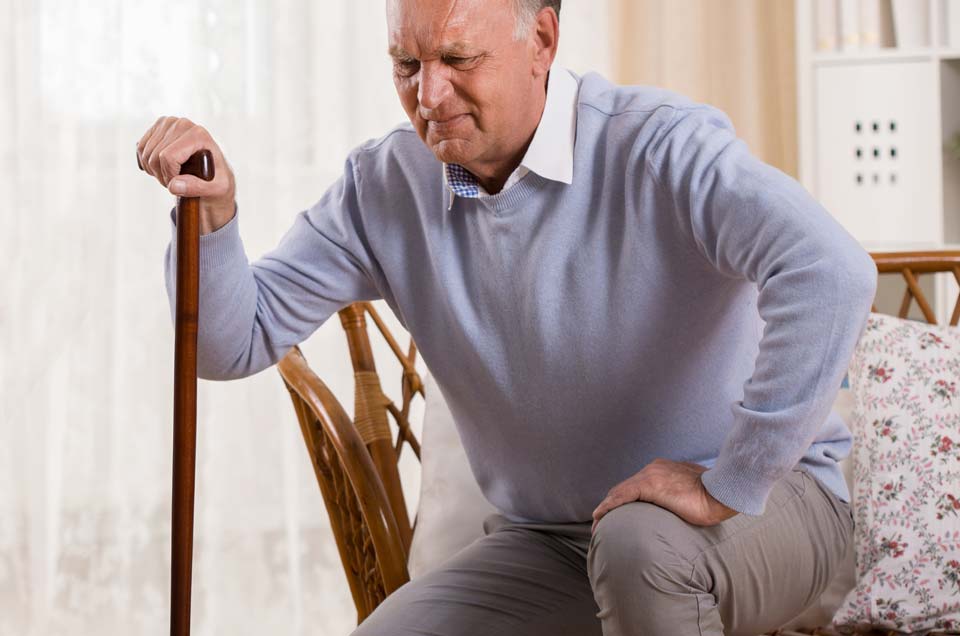
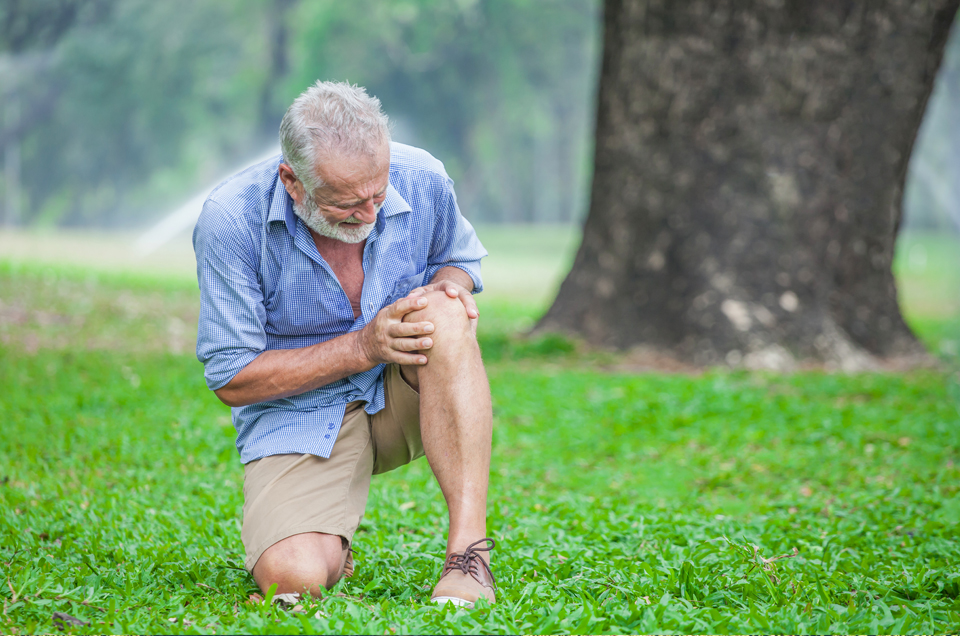
A sudden sensation of weakness in the knee, which may be described as the knee giving way while walking, can be a very serious problem. This sensation of weakness can be a warning sign of a potential problem with the knee. It can be described as a sudden sensation of weakness in the knee, where the knee may feel unable to bear the weight of the body. This may seem like a trivial problem, but it can be a warning sign of a potential problem with the knee.
The knee plays a very important role in our daily movements. It helps us to walk, climb stairs, and even stand. The knee is a very important joint, and if it is unable to function properly, it can be a serious problem.
Understanding Knee Instability: Why Your Knee Feels Like It Might “Give Way”
Knee Instability refers to a condition where the knee joint cannot provide the necessary stability or alignment during movement. It makes the knee feel like it might “give way.” Instability of the knee joint occurs when the structures that provide stability or support during movement, such as the ligaments, muscles, tendons, or cartilages, are weakened or damaged. Components of the knee joint:
- Ligaments: These connect the bones of the knee joint. They include the ACL, PCL, MCL, and LCL.
- Muscles: These control the movement of the knee. They include the Quadriceps and the Hamstrings.
- Cartilages: These provide cushioning during movement.
The knee joint does not provide stability when any of these structures fail to work as required. It becomes difficult to walk or even carry out daily activities.
Different Types of Knee Instability You Should Know About
Knee instability is not a single medical condition but rather a group of medical problems that may occur due to various reasons:
Ligament-Based Instability
This is a condition in which the ligaments are overstretched, torn, or weakened, often due to a sports injury or a twisting movement.
Muscle Weakness Instability
This occurs when the thigh muscles, either the quadriceps or the hamstrings, are weak and cannot support the knee.
Patellar (Kneecap) Instability
In this condition, the kneecap is displaced from its regular position.
Degenerative Instability
This is a condition in which knee instability occurs due to the degeneration of the knee structures, common in middle-aged and elderly people.
Functional Instability
Knee instability occurs in this condition even though the knee structures are not damaged.
Symptoms of Knee Weakness: From Occasional Buckling to Daily Discomfort
Knee instability can occur with a range of signs and symptoms, ranging from mild to severe. These include:
- Sudden “giving way” or buckling sensation during walking
- Feeling of looseness or lack of control in the knee
- Pain during movement, especially climbing stairs or standing up
- Presence of swelling around the knee
- Stiffness or reduction in range of motion
- Presence of clicking, popping, or grinding noises
- Difficulty walking on uneven surfaces
- Fear or hesitation in placing weight on the knee
What Causes Your Knee to Give Out? Hidden Reasons Behind the Weakness
Knee instability can arise because of numerous factors that may act individually or in combination to cause instability. The factors that cause instability of the knee joint may include:
- Ligament Injuries
Damage to ligaments such as the ACL can cause instability of the knee joint.
- Muscle Weakness or Imbalance
Muscle weakness of the quadriceps and hamstring muscles can cause instability of the knee joint.
- Cartilage Damage
Damage to the cartilage can cause instability of the knee joint because of the reduction of smooth movement of the joint.
- Previous Injuries
Knee joint instability can arise as a result of previous knee injuries that may have been neglected and may have resulted in instability of the knee joint.
Knee instability can arise as a result of overuse of the knee joint. Overuse of the knee joint can cause instability of the joint.
- Poor Posture or Gait
Knee instability can arise as a result of poor posture and gait. Poor posture and gait can cause instability of the knee joint.
Knee instability can arise as a result of degeneration of the joint.
Who Is at Risk? Factors That Increase Knee Instability & What Happens If Ignored
Risk Factors:
- Increase in age and natural wear and tear
- Lack of physical activity and weak muscles
- Excess weight and pressure on the knee
- Participation in sports
- Poor flexibility and muscle imbalance
- Previous knee injuries
Complications if Left Untreated:
Certain complications may arise if knee instability is ignored:
- Frequent falls and injuries
- Pain and inflammation in the knee
- Damage to the knee
- Impaired mobility and independence
- Development of conditions such as degeneration in the knee
- Difficulty in performing daily activities.
How Doctors Diagnose Knee Instability: Tests, Scans & Early Detection Tips
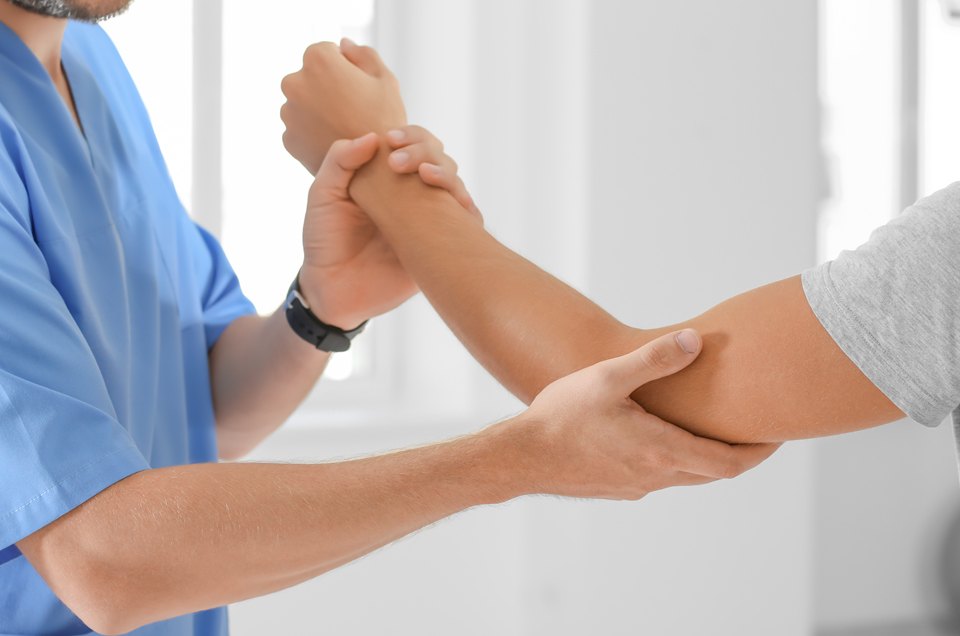
For proper diagnosis of the cause of knee instability, it is important to understand how doctors diagnose this condition. The tests and procedures that doctors use to diagnose knee instability include:
Physical Examination: During this procedure, the doctor may want to know:
- Range of motion of the knee
- Knee stability
- Areas of pain
- Muscle strength
Sometimes, the doctor may also want to know the integrity of the ligaments through other tests.
Medical History
This is important to understand the cause of knee instability. The doctor may want to know your past experiences and how they may have led to the condition.
Imaging Tests: These tests may involve:
- X-rays: To see how the bones and joints line up
- MRI: To see if there is any damage to the ligaments and other tissues
- CT scan: In some cases, this is used to examine the structure of the knee
Functional Assessment: Sometimes, the doctor may want to see how you walk or stand to assess how your knee is functioning.
How is Knee Instability Diagnosed in Ayurveda?
In the Ayurvedic system of medicine, the diagnosis is not just restricted to the symptoms; rather, the focus is on the root cause of the imbalance in the body. The imbalance in the knee or the sensation of the knee “giving way” is related to the imbalance of the Vata dosha in the body.
Ayurvedic diagnosis is based on the understanding of the reason behind the weakness in the knee, rather than the location of the weakness.
- Nadi Pariksha (Pulse Diagnosis)
One of the most important tools of diagnosis in the Ayurvedic system is the pulse diagnosis, in which the Ayurvedic doctor understands the imbalance of the Vata, Pitta, and Kapha doshas in the body and the strength of the body’s tissues (dhatus) and the flow of circulation.
In the case of knee weakness, the imbalance of the Vata dosha is felt in the pulse, which is related to dryness, weakness, and degeneration in the body.
- Darshan (Observation)
The doctor carefully looks at the physical condition of the patient, including the gait analysis, swelling in the knee, and the condition of the muscles in the thigh area.
- Sparshan (Palpation/Touch Examination)
With the help of touch, the doctor checks:
- For areas of tenderness or pain
- For joint temperature (indicative of inflammation)
- For joint stiffness or looseness
- For the presence of crepitus (crunching sensation)
This is helpful in ascertaining if the problem is related to dryness (caused by Vata) or inflammation (caused by Pitta).
- Prashna (Detailed Patient History)
A thorough discussion is made to know:
- When did the problem start, and how long has it been persisting?
- Have there been any previous injuries or strains?
- How is the patient's lifestyle (how they sit, how they walk, their level of activity)?
- What are their dietary habits?
- How do they sleep, and how stressed are they?
Understanding Knee Weakness the Ayurvedic Way
The weakness in the knees or the feeling of “giving way” while walking in Ayurveda relates to an imbalance of Vata dosha. Vata controls movement in the body. When there is an imbalance of Vata, there is dryness in the body, which affects the lubrication of the joints, causing weakness in the knees.
This can be related to Sandhivata, or degenerative joint disorder, in which the cartilages between the joints begin to degenerate. A disorder in digestion, or Agni imbalance, can lead to Ama formation in the body, causing toxins to accumulate in the joints, thus causing pain and instability in the joints.
Instead of treating the symptoms of the diseases, Ayurveda tries to cure the diseases by treating the root causes of the diseases.
How Jiva Ayurveda Helps You Heal Naturally
Jiva Ayurveda follows a holistic approach to healing. They do not treat everyone in the same way; instead, they carefully study each person’s Prakriti (physical type), daily habits, and the severity of the disease to treat them accordingly. The treatment plan to heal a person from the inside includes:
- Herbal medicines prepared specifically for a person’s requirements
- Simple dietary and lifestyle modifications
- Detoxification therapy (if required)
- Using natural therapies to increase joint strength
The treatment plan is not to give temporary relief to a person but to heal them completely by correcting the underlying cause of the disease, balancing doshas in the body, and making joint movements natural.
Powerful Ayurvedic Herbs That Strengthen Your Knees
Ayurvedic medicine uses powerful and effective herbs that help reduce joint inflammation, nourish the joints, and increase strength. These herbs are as follows:
- Ashwagandha – Increases strength and stability in the joints
- Shallaki (Boswellia) – Reduces joint pain and inflammation
- Guggulu – Aids in detoxification and repairs the joints
- Nirgundi – Reduces joint swelling and stiffness
- Rasna – Reduces joint pain and increases mobility
Healing Therapies That Bring Strength Back to Your Knees
External Ayurvedic Therapies
External Ayurvedic therapies have a strong impact on alleviating knee weakness and improving knee mobility. These therapies help in this regard by providing nourishment to the joints, improving blood circulation, and eliminating stiffness in a natural way.
- Abhyanga (Oil Massage): This is a therapy in which warm oil is massaged into the body. It helps in improving blood circulation, eliminating stiffness, and relaxing the muscles in and around the knee.
- Janu Basti: This is a special therapy in which warm oil is retained on the knee for a specific time. It helps in deeply nourishing the knee, strengthening it, and eliminating pain and instability in the knee.
- Swedana (Herbal Steam Therapy): This therapy helps in opening channels in the body, eliminating stiffness, and improving flexibility in the joints. It is a type of herbal steam therapy.
- Panchakarma: This is a deep therapy for detoxifying the body and eliminating accumulated toxins (ama) from it. It helps in eliminating the cause of knee weakness and promoting natural healing in the knee.
What to Eat (and Avoid) for Strong, Pain-Free Knees
Your daily food intake is an essential factor in building knee strength and maintaining the health of your joints. In the Ayurvedic system of medicine, the correct food intake is said to maintain the equilibrium of Vata dosha, which is the main cause of weak knee joints.
Foods That Support Strong Joints:
- Warm, freshly prepared food that is easily digestible
- Milk, ghee, and nuts to keep the joints well lubricated
- Green vegetables and seasonal fruits provide the necessary nutrients
- Wheat and rice provide the energy necessary for the body
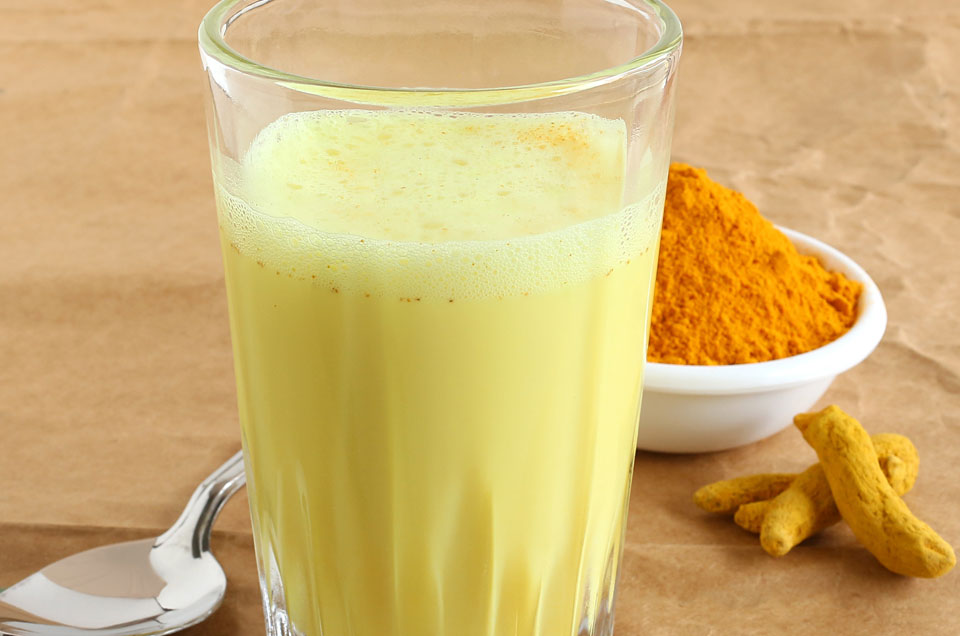
- Herbal teas like ginger and turmeric can help prevent inflammation
Foods That Can Worsen Knee Weakness:
- Cold, dry, and processed food can cause stiffer joints
- Excessive tea, coffee, and packaged snacks
- Excessive amounts of sour and fermented food
- Heavy, oily, and junk food that causes slow digestion
How We Understand Your Condition at Jiva Ayurveda
The process at Jiva Ayurveda starts with really understanding you, not just your symptoms. Every person is unique, so every treatment is personalised. During the consultation, Ayurvedic doctors will evaluate:
- Prakriti (your original body constitution)
- Current dosha imbalance, especially Vata dosha, for joint-related problems
- Lifestyle habits, dietary habits, and daily routines
- Medical history and severity of symptoms
An important aspect of Ayurvedic diagnosis involves Nadi Pariksha, which is pulse diagnosis used to detect any imbalance within the body. This detailed analysis enables us to get to the bottom of the real cause of your weak knees instead of just the symptoms.
Your Step-by-Step Healing Journey with Us
The process of healing at Jiva Ayurveda is a slow and guided process with an emphasis on long-term results. Here’s a glimpse at what you can expect from the journey:
- Consultation & Diagnosis – Identifying Your Body Type & Condition
- Personalised Treatment Plan – Herbal Medicines & Diet Advice
- Lifestyle Corrections – Small Changes for Maximum Impact
- Therapies & Detox (If Needed) – Removing Toxins & Strengthening Your Joints
- Regular Follow-ups – Monitoring Your Progress & Adjusting Treatment
This step-by-step process guarantees a natural healing process for your body.
What Kind of Results Can You Really Expect?
But if you get the right Ayurvedic treatment and guidance, you will gradually start feeling improvements in your knee health and overall mobility. This is what you might experience over time:
- More relief from knee pain and swelling
- Better stability and strength in your knee joint
- More flexibility and ease of movement
- Less stiffness, especially after long hours of sitting or in the morning
- Better overall joint health and mobility
Ayurveda is not just about getting quick relief from pain and swelling. It is about getting your body back in balance so your knee joint becomes stronger from the inside out and you don't get the problem again.
Patient Testimonial - Sanjeeta
“After suffering from severe knee and back pain for over 6 years, nothing was working for me despite consulting many doctors. Even the simplest of tasks had become very difficult for me. However, after taking my family member’s suggestion, I visited Jiva Ayurveda and consulted Dr Sandeep Srivastava at their Indirapuram clinic.
With their personalised Ayurvedic treatment, I am now feeling much better. My knee swelling has reduced considerably, and my back pain is much better now. I am really thankful to Jiva Ayurveda for restoring my life.”
Estimated Cost of Treatment at Jiva Ayurveda
Understanding the financial investment required for your health is important. At Jiva Ayurveda, we make sure of transparency in our service costs, which allows you to choose the most suitable option for your medical needs.
Treatment Cost
For patients who seek standard, ongoing care, the Monthly Cost of Medicine and consultation typically ranges from Rs. 3,000 to Rs. 3,500. Please note that this is an estimated baseline. The final cost depends on the exact nature and severity of the patient's condition.
Protocol
For a more comprehensive, structured approach, we offer specialized Package protocols. These plans are designed to address both physical symptoms and the overall lifestyle correction. The package includes:
- Medicine
- Consultation
- Mental Well-Being Sessions
- Yoga and Meditation
- Diet
The cost for this protocol involves a one-time payment ranging from Rs. 15,000 to Rs. 40,000, which covers the full 3 to 4-month duration of the treatment.
Jivagram
For patients requiring intensive and immersive care, our Jivagram centres offer the ultimate healing experience. Jivagram is a holistic sanctuary set in a peaceful, eco-friendly environment, and it provides:
- Authentic Panchakarma therapies
- Sattvic meals
- Modern healing services
- Comfortable accommodation
- Many more quality-of-life facilities
An immersive wellness stay at Jivagram costs around 1 Lakh for a 7-day duration, ensuring continuous personalised care to help reset your body and mind.
Why Patients Trust Jiva Ayurveda
Over the years, Jiva Ayurveda has gained the trust of thousands of patients who are seeking natural and personalised healthcare solutions. Some of the key reasons for patients’ trust in Jiva Ayurveda:
- Root-Cause Based Treatment
Unlike conventional treatments that address only the symptoms of disease, Ayurvedic treatment focuses on treating the root causes and correcting the underlying imbalances in the body that lead to disease.
- Experienced Ayurvedic Doctors
Jiva Ayurveda boasts of having a huge team of experienced Ayurvedic doctors who thoroughly examine each patient’s condition before recommending treatment for diseases.
- Personalised “Ayunique” Treatment Approach
Ayurvedic treatment is highly personalised and customised according to each individual’s prakriti and lifestyle.
- Holistic Healing
Ayurvedic treatment is not limited to medicines; it also includes dietary and lifestyle modifications, breathing techniques, and stress management to support overall healing of the body and mind.
- Trusted by Patients Across India
A huge percentage of patients have shown improvement in their conditions after adopting Jiva’s treatment plans and recommendations for diseases. This shows how much people trust Jiva Ayurveda for Ayurvedic treatment.
- 95% of patients saw significant improvement within 3 months of treatment.
- 88% of patients stopped allopathic medicines completely.
- 8000+ patients consulation everyday
Modern Treatment vs Ayurvedic Treatment for Knee Weakness
Aspect
Modern Treatment
Ayurvedic Treatment
Approach
Focuses on managing symptoms like pain and inflammation
Focuses on treating the root cause (dosha imbalance)
Medications
Painkillers, anti-inflammatory drugs
Natural herbal medicines with minimal side effects
Relief
Quick but often temporary relief
Gradual but long-lasting improvement
Side Effects
Possible with long-term use
Generally safe when taken under expert guidance
Focus Area
Symptom control
Overall body balance and joint strengthening
Long-Term Benefits
May not prevent recurrence
Helps prevent recurrence by correcting the imbalance
Lifestyle Role
Limited emphasis
Strong focus on diet and lifestyle changes
When Should You Consult a Doctor?
While some cases of weak knees can be treated, some signs should not be ignored. If you notice:
- Severe and sudden pain in your knees
- Knees that give way too often when you walk
- Swollen, red, and hot knees
- Difficulty in standing, walking, and bearing weight
- Knees that don’t improve with rest
- Previous injury and then weak knees
It is important to seek medical attention early enough in order to avoid complications.
Conclusion
Knee weakness during walking is not something to take lightly, as it is a way of communicating imbalance in your body. However, with proper care and attention, especially through Ayurveda, you can build stronger joints and improve your mobility.
Taking early action and adopting a healthy lifestyle can help you significantly in your journey of overcoming knee weakness.