 Published on
21 Mar, 2026
Published on
21 Mar, 2026 Updated on 25 May, 2026
 5156
5156Why Sitting Cross Legged Becomes Harder With Time
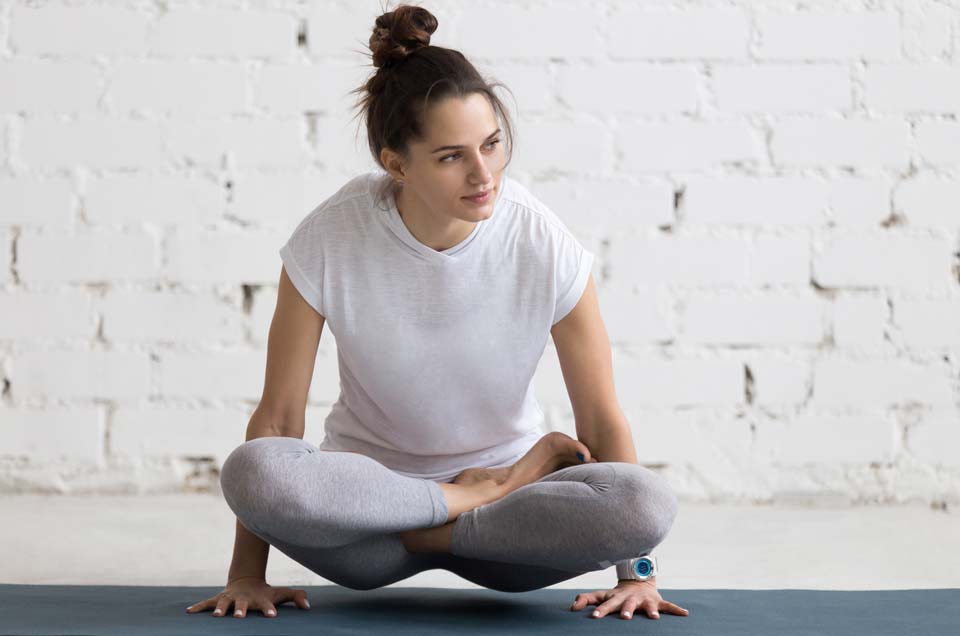
One of the things we grew up doing comfortably, regardless of whether we were sitting down to eat our meals, meditating, or simply hanging out on the floor, was sitting cross-legged. With time, however, we find that sitting cross-legged becomes uncomfortable, stiff, or even painful.
This, however, does not happen overnight. Rather, it’s a gradual process that occurs due to reduced flexibility, stiffness in the muscles, and wear and tear in our joints. If we do not do anything about it, we could end up in discomfort and stiffness for a very long time.
What Does This Problem Really Mean?
The problem of sitting cross-legged is not in itself a problem, but rather indicates that the flexibility of your body and the health of your joints are in decline. In most cases, the problem indicates stiffness in the hips, knees, or muscles around these areas. In other words, your body is losing its flexibility and ability to move freely and comfortably.
Different Stages of the Problem
The development of this problem can be a gradual process. This problem can be considered under three stages:
- Mild Stage:
At this point, one might experience a certain level of discomfort or tightness but still be able to sit in a cross-legged position for a short time.
- Moderate Stage:
At this point, it becomes difficult to sit in a cross-legged position because of the pain and discomfort associated with it.
- Severe Stage:
At this point, one might not be able to sit in a cross-legged position at all. Even if they can sit in that position, they might experience a certain level of pain or discomfort.
Signs Your Body Is Trying to Warn You
Your body is always trying to give you signs of early warning before the problem becomes serious. The signs are:
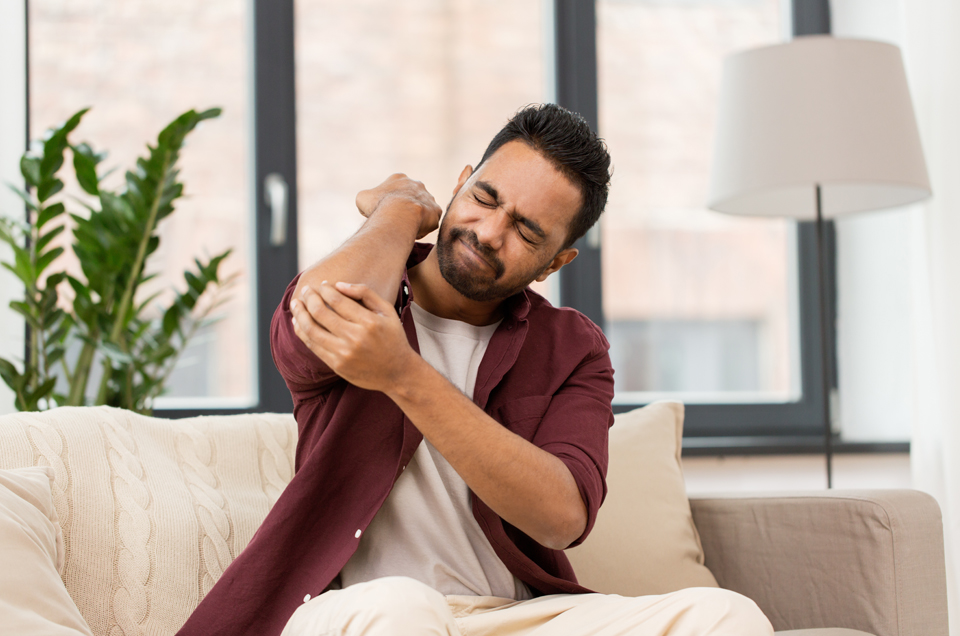
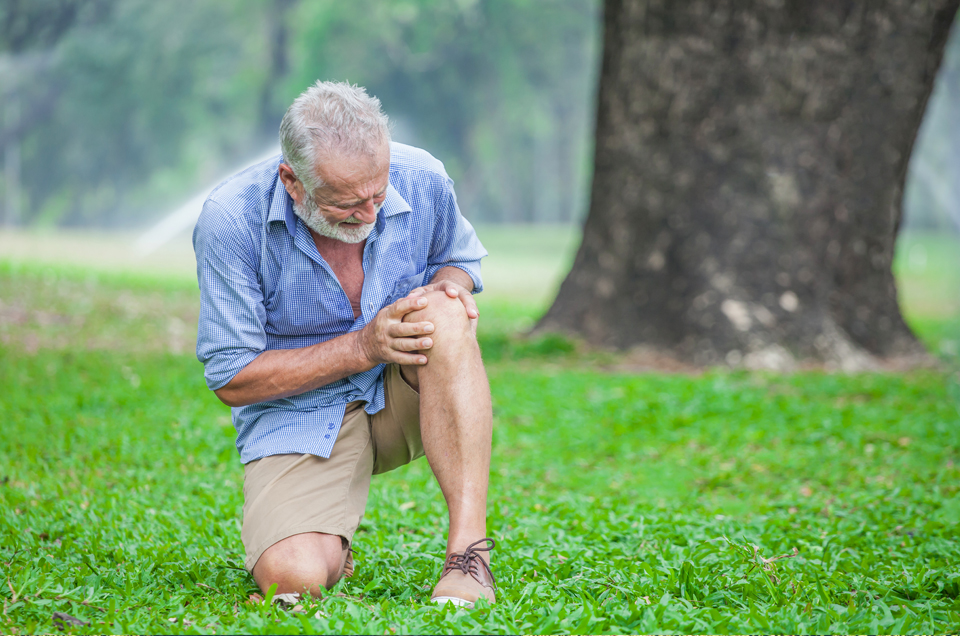
- Knees hurt when you are bending
- Stiff hips/thighs
- Trouble sitting on the floor
- Clicking and popping sounds from your joints
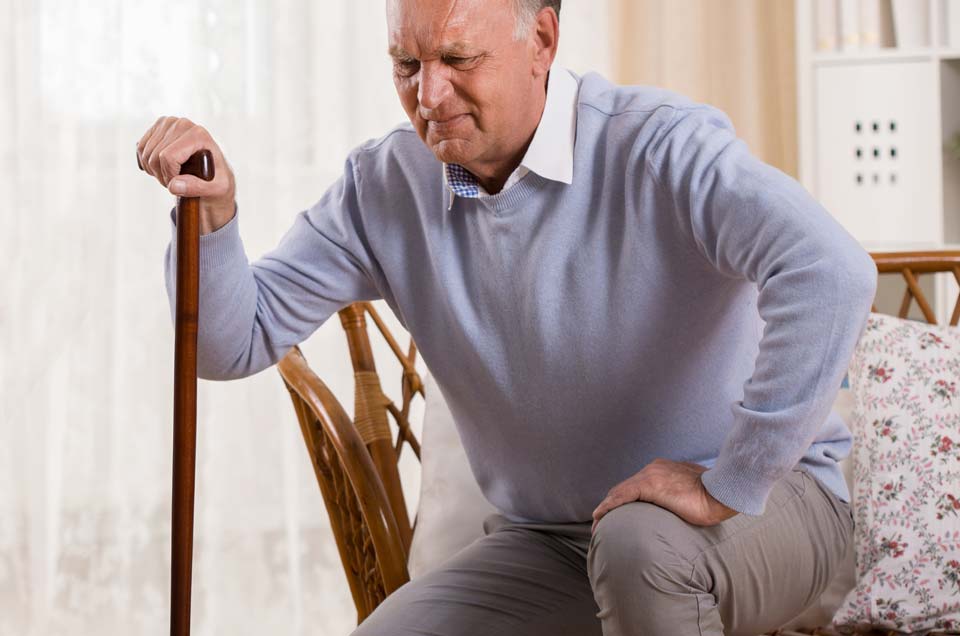
- Trouble getting up from sitting
- Your body is becoming less flexible.
What Causes This Problem?
There are a number of reasons why sitting cross-legged can be challenging. These include:
- Ageing: This refers to the wear and tear of the joints in the body. With time, the joints get worn out, and movement becomes challenging.
- A sedentary lifestyle: A sedentary lifestyle can lead to reduced flexibility in the body. When people do not exercise regularly, their flexibility reduces, and movement becomes challenging.
- Muscle tightness: Muscle tightness in the hip, thigh, and back areas can make sitting cross-legged challenging.
- Joint conditions: Joint conditions, such as arthritis and inflammation, can make sitting cross-legged challenging.
- Past injuries: Injuries in the knee and hip joints can make sitting cross-legged challenging.
- Being overweight: Being overweight can make sitting cross-legged challenging due to the extra weight in the body.
Who Is at Risk & What Happens If Ignored?
Not everyone can experience this problem. There are some people who are at risk of developing the problem compared to others. It is essential to understand the complications that can arise if the problem is not addressed early enough.
Risk Factors:
- A sedentary lifestyle
- Increased age
- Being overweight or obese
- Poor posture
- History of joint conditions and injuries
Possible Complications if Ignored:
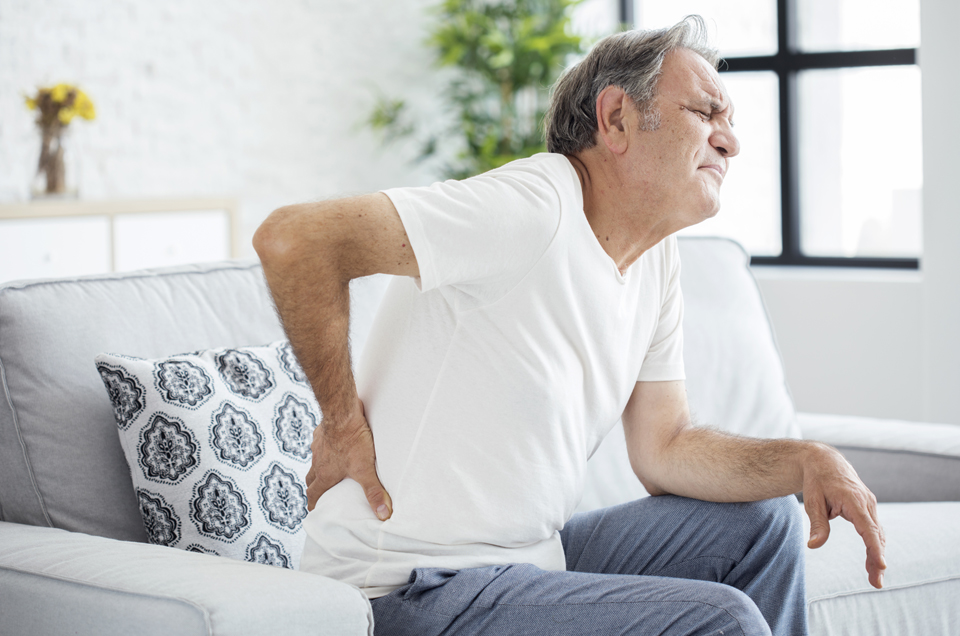
- Chronic pain in the knees and hips
- Loss of flexibility and mobility
- Degeneration of joints
- Trouble in daily activities
Taking early action will help in avoiding complications and living a better life.
How Do Doctors Diagnose This Problem?
Doctors diagnose this problem simply and systematically:
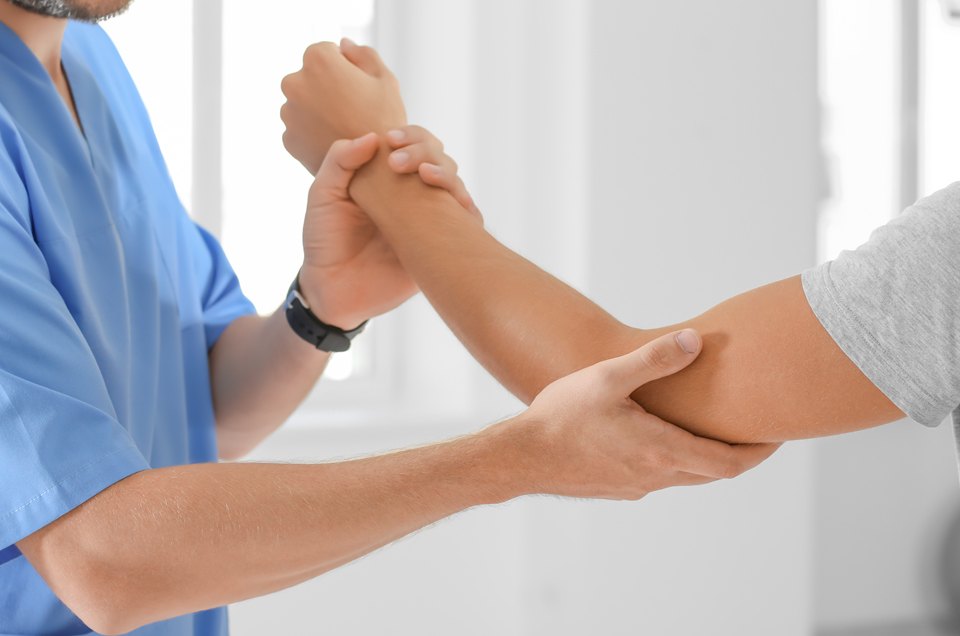
- Physical Examination: Examining the flexibility of joints and identifying pain points
- Medical History: Understanding lifestyle and past injuries
- Imaging Tests (if necessary): Using X-rays for checking the condition of joints and using MRI for checking soft tissues
Diagnosing this problem in its early stages will help in managing it in a better way.
How Ayurveda Diagnoses This Problem
In Ayurvedic medicine, trouble in sitting cross-legged is not considered a specific disease but a manifestation of an imbalance in the body's doshas, especially Vata, which is responsible for controlling movement and joint health. When Vata is out of balance, it causes stiffness, dryness, and pain in the joints.
Ayurvedic medicine diagnosis is primarily based on finding out the cause of a particular disease or condition, and it is a holistic approach that considers your body type, lifestyle, and health.
Key Methods Used in Ayurvedic Diagnosis
- Prakriti (Body Constitution) Analysis
The doctor first analyses your natural body constitution (Vata, Pitta, or Kapha). This assists in determining your level of joint stiffness or weakness.
- Vikriti (Current Imbalance) Assessment
In this process, the doctor identifies which dosha is out of balance. In most cases of joint-related health issues, Vata dosha imbalance is found to exist.
- Nadi Pariksha (Pulse Diagnosis)
An ayurvedic doctor examines your pulse to determine your health condition. This process provides insight into your current health status, including any dosha-related imbalances.
- Observation (Darshan)
The doctor examines your posture, walking style, joint movement, and physical appearance to determine any joint stiffness or restricted movement.
- Touch Examination (Sparshan)
Your joint condition is physically examined to determine any pain, tenderness, swelling, or temperature in your joints.
- Questioning
How Ayurveda Looks at This Problem
In Ayurveda, trouble in sitting cross-legged is largely related to an imbalance of Vata dosha. Vata is responsible for movement, flexibility, and joint functions. As we grow older, Vata increases in our body. This causes dryness and stiffness in our joints, resulting in movements such as sitting cross-legged being uncomfortable.
If we lead a poor lifestyle, such as irregular consumption of food, lack of physical exercise, and too much sitting, Vata increases. This, in turn, affects our joints, such as our knees and hips, resulting in a lack of flexibility and strength.
Ayurveda is more concerned with removing the root cause of a problem, not just the symptoms.
How Jiva Ayurveda Treats This Problem
According to Jiva Ayurveda, every individual is unique. Therefore, the treatment should be personalised. The treatment is not only directed toward relieving the pain. It is directed toward correcting the cause of the problem. Before the treatment begins, experts assess your body type (Prakriti), your lifestyle, and the extent of the imbalance of the doshas. Then the treatment is planned according to your needs.
What the Treatment Usually Includes:
- Herbal medicines are provided to you to correct the imbalance of the doshas and to strengthen the joints.
- Your lifestyle is also improved.
- Your diet is also planned to strengthen the joints.
- In addition, detox is also provided to you (if necessary) to cleanse the body of toxins.
The ultimate aim of the treatment is not only to relieve the pain. It is to reduce the pain and increase the flexibility of the joints.
Powerful Ayurvedic Herbs That Help in Joint Health
Ayurveda makes use of natural herbs that help in strengthening and improving joints, making them more flexible and less stiff. These herbs act naturally on the body and help in balancing the underlying cause of illness, as opposed to merely alleviating the symptoms of illness.
Some of the commonly used herbs for improving and maintaining joint health include:
- Ashwagandha: It helps in strengthening muscles and improving stamina, and reduces inflammation in the body.
- Shallaki (Boswellia): It is effective in improving and maintaining joint health and is used for its anti-inflammatory properties in relieving pain and swelling in joints.
- Guggulu: It helps in relieving stiffness and improving flexibility in joints.
- Nirgundi: It is effective in relieving pain, swelling, and discomfort in joints.
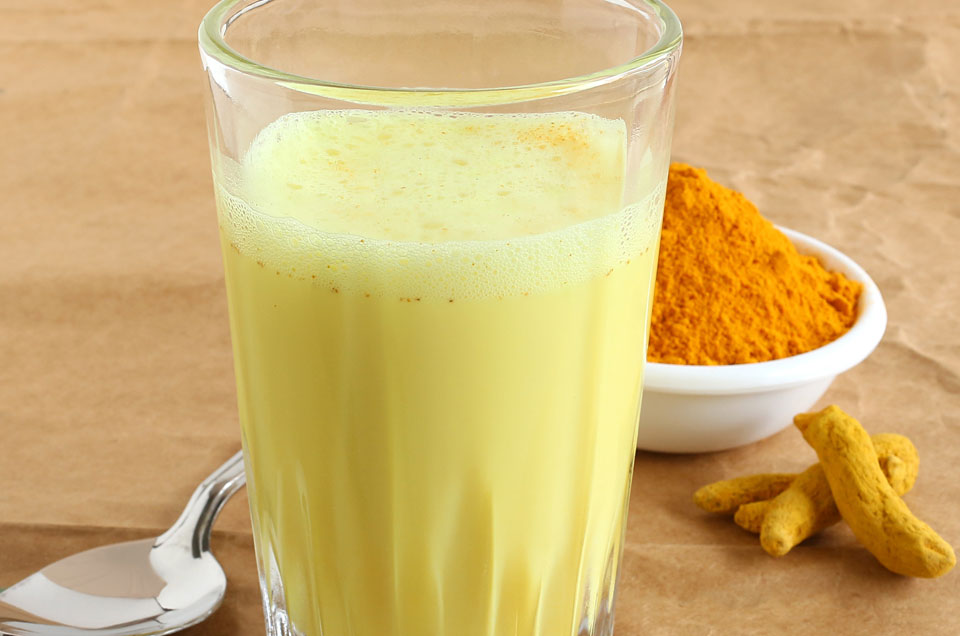
- Turmeric (Haldi): It is a natural anti-inflammatory herb and is effective in improving and maintaining joint health.
Ayurvedic Therapies for Faster Healing
Besides herbal medicines, Ayurveda also prescribes some external treatments that help in fast and deeper healing. These treatments include improving blood circulation, relaxing muscles, and relieving stiffness in the body. Some of the commonly prescribed Ayurvedic treatments for fast and deeper healing include:
- Abhyanga (Oil Massage): Improves blood circulation, relaxes muscles, and relieves stiffness in the body
- Swedana (Herbal Steam): Relaxes muscles and joints and relieves stiffness in the body
- Janu Basti: A special kind of therapy in which warm oil is retained in the knee joint for relief from pain and stiffness
- Panchakarma: A detoxification therapy that helps in removing Ama (Toxins) from the body and restoring balance in it
What to Eat & What to Avoid for Better Joint Health
Your diet can play an important role in managing this problem, especially when it comes to managing Vata dosha, which can cause dryness and stiffness in the body. Eating the right kind of food can help you maintain healthy and lubricated joints.
Foods That Help You Feel Better
Eating warm and nourishing foods regularly can make a huge difference for you:
- Warm and freshly cooked meals that are easy to digest
- Ghee and fat for better lubrication of the joints
- Milk and dairy products (depending on your body’s ability to digest them)
- Green vegetables for better nutrition
- Nuts and seeds for better strength and flexibility
- Herbal tea for better digestion and reduced stiffness
Foods You Should Try to Avoid
There are certain kinds of food that you may want to avoid, as they can make the problem much worse for you:
- Cold and processed foods
- Dry, stale, and leftover meals
- Too much tea and coffee consumption
- Junk and fried foods
- Carbonated drinks
How We Understand Your Condition at Jiva Ayurveda
At Jiva Ayurveda, it is not just the manifestation of your illness, but your overall well-being and lifestyle that is taken into consideration. The Process of Consultation:-
- Detailed Consultation: Your symptoms, daily routine, and medical history will be considered.
- Prakriti Analysis (Body Type): Your body type will be identified as Vata, Pitta, Kapha, or a combination of these.
- Nadi Pariksha (Pulse Diagnosis): The pulse will be examined to determine internal imbalances.
- Lifestyle Assessment: Your diet, sleep, stress, and physical activities will be assessed.
Your Step-by-Step Healing Journey
At Jiva Ayurveda, we believe in a step-by-step healing journey. Here is how we can help you heal naturally:
- Initial Consultation: We understand your condition and diagnose the imbalance in your doshas.
- Personalised Treatment Plan: We recommend our herbal medicines, diet, and lifestyle changes.
- Regular Follow-Ups: We track your progress and make changes in your treatment plan if required.
- Therapies (if required): We recommend our Panchakarma or external therapies.
- Recovery & Maintenance: We focus on your long-term joint health and how to prevent further problems.
Our Step-by-Step Patient Care Process:
Expect a Call: Submit your contact details, or you can also call us on 0129 4264323.
Appointment Confirmation.
- You can schedule an appointment and visit us at our clinic for a consultation with our Ayurvedic experts.
- If you are unable to find our clinics near you, you can also schedule an online consultation on 0129 4264323 at a discounted price of Rs. 49 (regular price Rs299) and avail guidance from our doctors at home.
Detailed Diagnosis
Jiva doctor will perform a thorough and detailed diagnosis to identify the root cause of your health problem.
Root-cause Based Treatment
Jiva doctor will recommend a personalised treatment using highly-effective, natural, and Ayurvedic medicines to address symptoms and the root cause.
What Results Can You Expect?
If you receive proper Ayurvedic care and guidance, you may start to feel positive changes in your health and overall well-being. Ayurveda treats the actual cause of the problem instead of just providing temporary relief for the symptoms. This ensures you receive actual benefits for a long time. Common Improvements You May Notice:
- Less pain and stiffness in the joints
- More flexibility and ease of movement
- Better strength and stability in the joints
- More comfort while sitting and rising from the floor
- Better overall quality of life
The key to enjoying the benefits of Ayurveda for a long time is to strictly follow the treatment plan and make the necessary lifestyle and dietary modifications.
Patient Testimonial- Savitri Soni
I had severe pain in the knee joints, which made it difficult for me to even move. Climbing stairs was almost impossible for me. Doctors suggested knee replacement surgery, but I was uncomfortable with the idea, so my son brought me to Jiva Ayurveda. With Ayurvedic treatment, the pain has been relieved. Now, I can climb the stairs again.
Why Patients Trust Jiva Ayurveda
Over the years, Jiva Ayurveda has gained the trust of thousands of patients who are seeking natural and personalised healthcare solutions. Some of the key reasons for patients’ trust in Jiva Ayurveda:
- Root-Cause Based Treatment
Unlike conventional treatments that address only the symptoms of disease, Ayurvedic treatment focuses on treating the root causes and correcting the underlying imbalances in the body that lead to disease.
- Experienced Ayurvedic Doctors
Jiva Ayurveda boasts of having a huge team of experienced Ayurvedic doctors who thoroughly examine each patient’s condition before recommending treatment for diseases.
- Personalised “Ayunique” Treatment Approach
Ayurvedic treatment is highly personalised and customised according to each individual’s prakriti and lifestyle.
- Holistic Healing
Ayurvedic treatment is not limited to medicines; it also includes dietary and lifestyle modifications, breathing techniques, and stress management to support overall healing of the body and mind.
- Trusted by Patients Across India
A huge percentage of patients have shown improvement in their conditions after adopting Jiva’s treatment plans and recommendations for diseases. This shows how much people trust Jiva Ayurveda for Ayurvedic treatment.
- 95% of patients saw significant improvement within 3 months of treatment.
- 88% of patients stopped allopathic medicines completely.
- 8000+ patients consulation everyday
Modern Treatment vs Ayurvedic Treatment
Aspect
Modern Treatment
Ayurvedic Treatment
Approach
Focuses on managing symptoms like pain and inflammation
Focuses on treating the root cause (dosha imbalance)
Treatment Method
Painkillers, physiotherapy, and sometimes surgery
Herbal medicines, diet, lifestyle changes, therapies
Relief
Quick but often temporary
Gradual but long-lasting
Side Effects
Possible with long-term medication use
Minimal when taken under proper guidance
Focus Area
Specific affected joint
Whole-body balance and overall health
Dependency
May require continuous medication
Aims to reduce dependency over time
Healing Goal
Symptom control
Natural healing & prevent recurrence
When Should You Consult a Doctor?
Various situations should not be ignored. If you are experiencing:
- Pain in your joints that persists or worsens
- Trouble walking or performing daily activities
- Swelling or inflammation in your joints
- Inability to sit cross-legged
- Pain even when resting
- A past injury that still causes discomfort
You should consider consulting a doctor. This can ensure that your condition improves early enough to avoid complications in your later stages of recovery.
Conclusion
Sitting cross-legged can sometimes be a challenge. This can be a clear indication that your joints need attention. However, instead of ignoring your body’s warning signs, it is important to consider a course of action that can ensure that your joints are not compromised in your later years.
Ayurveda provides a natural approach to solving your joint-related issues. This approach ensures that your joints are given the attention they need. This can ensure that your body is in balance, ensuring that your joints are flexible enough to ensure your comfort.