
 Published on
17 Aug, 2026
Published on
17 Aug, 2026 Updated on 17 Aug, 2026
 5070
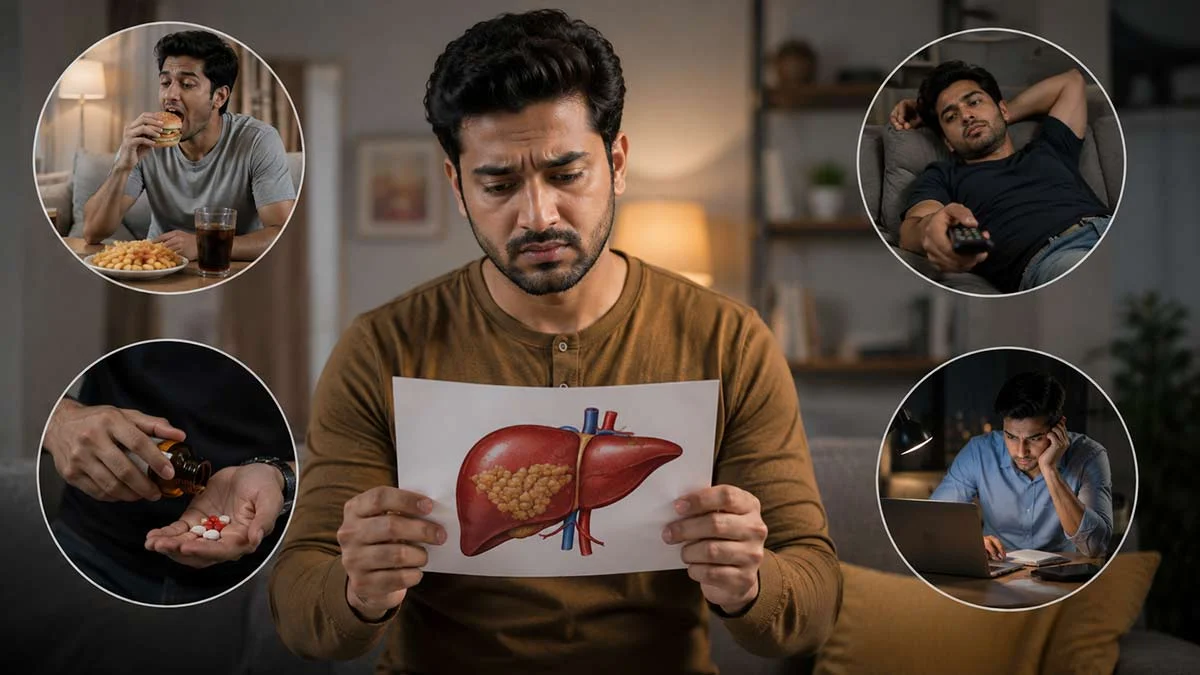
5070When we hear about fatty liver, alcohol is the first thing that comes to mind, but that is not the complete reality. While drinking is one of the major causes of liver diseases, the scope of fatty liver goes beyond just addiction. Liver disorders develop and worsen due to many mistakes we commit in our daily lives. Some might appear to be tiny, but they do affect the liver in the long term and can potentially lead to fatty liver.
Looking fine from the outside and having a healthy liver are completely different things. Losing some weight and making the body lean may not be enough to negate the risk of developing a fatty liver; it’ll take discipline and self-reflection to actually achieve and maintain liver health.
Why Protecting The Liver Is Crucial?
In Ayurveda, the liver is called the seat of fire in the very essence of it. It contains the doshic subtype of Ranjaka Pitta, which is responsible for imparting redness to the blood and converting the essence into blood tissue. Pachaka Pitta is also greatly responsible for liver health. This is because it helps in metabolic transformation and digestion.
Fatty liver is regarded as a Kaphavrita Pitta condition. This results in the Kapha dosha's cold, heavy, and unctuous nature becoming deposited and eventually suffocating the hot metabolic fire of Pitta, along with excess unbound fat. The liver's live fire is now weak, its surroundings are cold and slow, and the liver's life processes start slowing down.
As the liver slows down, the metabolism takes a hit, and now the overall body functions become sluggish. The restoration of the metabolism requires a healthy liver operating at its best, enabling the digestive processes to work smoothly.
Doctor’s Note
A fatty liver diagnosis must not be taken lightly or self-treated, as a mild fatty liver might just be the start of serious liver damage or a severe condition if mistreated or ignored. Apart from adopting a healthy diet and an active lifestyle, one must consult with a specialist or a healthcare provider to get a proper assessment of the stage and best treatment options for their case.
The Importance Of Timely Diagnosis
The first stage is called Simple Steatosis; it is the least severe form of the disease, where localised accumulation of Kapha and Meda Dhatu exists in the liver cells. There is some suppression of the metabolic heat, but no serious structural damage or inflammation is shown. The weight of fat that was not removed progresses into a condition known as Steatohepatitis. In this case, the hidden Pitta inside the Kapha envelope becomes very aggravated, and inflammation and damage occur in the region.
The most serious stage is Fibrosis and cirrhosis, which is when chronic inflammation is replaced by vitiated Vata dosha. The aggravated Vata starts to break down the liver cells, damages the tissue, and causes hard, fibrous liver scars, causing severe complications such as Yakrutodara (massive enlargement of the liver). This makes it essential to detect these developments in the early stages so that the more severe possibilities are deflected.
Mistakes People Make After A Positive Diagnosis
After getting the test reports and discovering that they have a fatty liver, people often make some serious mistakes that may come back to hurt them in the future. Some of these potentially severe mistakes are:
Assuming it’s Harmless
People tend to believe that a fatty liver is like the seasonal flu that will go away on its own, but that’s far from reality. Even if the diagnosed fatty liver is in its early stages, not considering it in the health planning and future checkups can lead to the steady development of the condition, resulting in other serious disorders of the liver.
Focusing only on Alcohol
Automatically assuming that quitting or lowering alcohol intake will reverse fatty liver is not a good idea, as Non Alcoholic Fatty Liver Disease is becoming more common, fueled by sedentary lifestyle and bad eating habits, and it can still encourage fatty liver development irrespective of alcohol.
Aggressive Dieting
Some health-conscious people may go to the extent of crash dieting and starving themselves to lose weight and fat. This may seem like a quick solution, but it actually puts more stress on the liver and deprives the body of necessary nutrients.
Taking Blind Supplements
People often start taking unverified medications and supplements because of fear and anxiety about fatty liver. While some supplements can help the condition, it’s only sensible to approach a Doctor and take the prescribed meds instead, because a wrong supplement can actually worsen the condition and can have other side effects.
Relying on Juices
When people hear liver, they often think drinking juices is the best course of action for reversing any liver illness, and while fruit juices are mostly healthy and detoxifying, what’s important to understand is that the packaged juices available in the market are not a real alternative to the natural fruits and juices; they are even higher in sugar content and affect the liver negatively.
What To Do Instead?
- Intermittent fasting: Finish dinner before 8pm and do not eat anything till 10 in the morning. This empty time slot gives rest to the liver and gives it space to burn fat.
- Embrace the bitter taste: Bitter gourd, Fenugreek, Neem, and Amla may taste bitter and are hard to consume, but even a small amount of these natural ingredients promotes a healthy liver and metabolism.
- Cutting on sugar: Eliminating sugar from the diet is one of the most effective ways to protect the liver. The transition doesn’t have to happen overnight, but in phases. Even a slight reduction in sugar intake helps.
Final Thoughts On Fatty Liver Diagnosis
The diagnosis of fatty liver may seem frightening, but the liver is a tough organ that can regenerate in great measure. The Srotorodha and metabolic fire can be cleared by combining the ancient wisdom of Ayurvedic doshic balance with active lifestyle modifications. The liver will be the best asset you have for years to come if you follow a Kapha-reducing diet, practice daily exercise, and provide it with the proper support in the form of targeted herbs. Please consider taking medical advice from an experienced Ayurvedic practitioner if you want to start a new therapy or supplements.
References:
Fatty liver — symptoms, causes and treatment | healthdirect
Non-alcoholic fatty liver disease: pathophysiological concepts and treatment options - PMC
Non-alcoholic fatty liver disease: A patient guideline - ScienceDirect
Fatty Liver Diet: What Foods to Eat and Avoid
Ayurveda management against Non-Alcoholic Fatty Liver Disease: A Case Report
Ayurvedic Perspective of Non-Alcoholic Fatty Liver Disease (Yakritodara): A Comprehensive Review