 Published on
24 Jul, 2026
Published on
24 Jul, 2026 Updated on 24 Jul, 2026
 5082
5082We have all experienced it. You are sitting in a meeting, and someone asks a slightly repetitive question. Instead of answering calmly, you feel a sudden, intense flash of irritation. You snap at them, immediately regretting it. Later that day, you eat a completely normal lunch, but within an hour, a sharp, burning sensation creeps up your chest. When you look in the mirror that evening, you notice a bright red, angry pimple has erupted on your cheek out of nowhere. You brush it off. "I am just stressed," you tell yourself. "Or maybe I just drank too much coffee today."
We have completely normalised living in a state of high-stress, high-heat burnout. We treat our bodies like machines that just need to be pushed harder, fueled by caffeine, spicy food, and intense ambition. But the frustration of dealing with constant acidity, unexplained anger, and inflammatory skin issues leaves millions of people completely baffled. If you are eating relatively well and trying to manage your stress, why does it feel like your body is literally on fire?
What Pitta Actually Is?
Before we talk about how to cool down, we have to clear up a massive piece of confusion about what Pitta actually means.
Modern wellness culture often reduces Pitta to just "stomach acid" or "metabolism." But in traditional Indian medicine, Pitta is so much more than that. It is the fundamental energy of transformation. Composed of the elements of Fire (Tejas) and Water (Jala), Pitta governs your digestion, your body temperature, your visual perception, and crucially, your intellect and courage.
When your Pitta is perfectly balanced, you are sharp, focused, warm, and possess a brilliantly strong digestive fire (Agni). You are a natural leader. But when that fire breaks its boundaries and overflows, what Ayurveda calls Pitta Prakopa, it stops cooking your food and starts burning your tissues.
The Acidic Gut: When the Furnace Overheats

The most immediate and obvious sign of a Pitta imbalance happens right in the center of your body, your stomach and small intestine.
- The feeling: You experience sharp heartburn, acid reflux, a sour taste in your mouth, or sudden bouts of loose, burning stools after a meal. You might also feel an intense, ravenous hunger that makes you feel dizzy if you don't eat immediately.
- The reality: Your digestive fire (Agni) has turned into Tikshnagni (a hyperactive, piercing fire). Instead of gently breaking down your food, your stomach is producing excessive, highly acidic fluids. This sour, liquid heat cannot stay contained in the stomach, so it splashes upward into the esophagus (causing heartburn) or flushes downward rapidly (causing diarrhea). The fire is literally scorching your internal lining.
The Fiery Mind: The Emotion of Burnout
Pitta doesn't just live in your stomach; it also heavily governs your mind and your emotional processing (Sadhaka Pitta).
- The feeling: You feel constantly impatient, highly critical of yourself and others, and intensely competitive. Small inconveniences trigger sudden bursts of anger. You might also struggle with perfectionism that keeps you up at night, overthinking how you could have done something better.
- The reality: When the fire element in the mind overflows, your natural intelligence and drive turn into aggressive ambition and irritability. Your nervous system is constantly running "hot." In Ayurveda, anger is the literal emotional manifestation of excess Pitta. You aren't just "in a bad mood"; your liver and your mind are physically inflamed.
The Boiling Blood: When Heat Escapes Through the Skin

Because Pitta is closely tied to your blood (Rakta Dhatu), a deep internal imbalance will almost always show up on the surface of your body.
- The feeling: You break out in red, painful acne (especially on the cheeks and jawline), spontaneous hives, or rosacea. You might also notice premature graying of your hair, sudden hair thinning, or excessive, strong-smelling sweat even when you aren't working out.
- The reality: When the liver cannot process all the physical and emotional heat you are generating, it dumps that heat directly into the bloodstream. The blood carries this boiling energy to the surface of the skin to "let off steam." Treating this kind of acne with harsh, drying chemicals only aggravates the skin more. The heat must be pulled out from the inside.
Daily Mistakes Fueling the Fire
If your body is sending you these fiery warning signals, your daily routine might actually be throwing gasoline on the flames. Watch out for these subtle traps:
- The "Hangry" Fasting: Skipping meals or fasting for too long when you have high Pitta is incredibly destructive. Because your digestive fire is already so sharp, if there is no food for it to burn, it will begin burning your own stomach lining, leading to severe ulcers and raging irritability.
- The Spicy and Sour Trap: Drowning your food in hot sauce, eating excessive amounts of fermented foods (like kombucha, aged cheese, or vinegar), and drinking alcohol directly inject liquid fire into your system.
- The Midnight Hustle: In Ayurveda, the hours between 10:00 PM and 2:00 AM are the "Pitta time" of night, meant for the liver to deeply detoxify while you sleep. If you are awake, staring at a bright screen, and working during this window, you hijack that energy for mental focus, completely burning out your nervous system and guaranteeing an acidic stomach the next day.
Traditional Fixes to Put Out the Fire
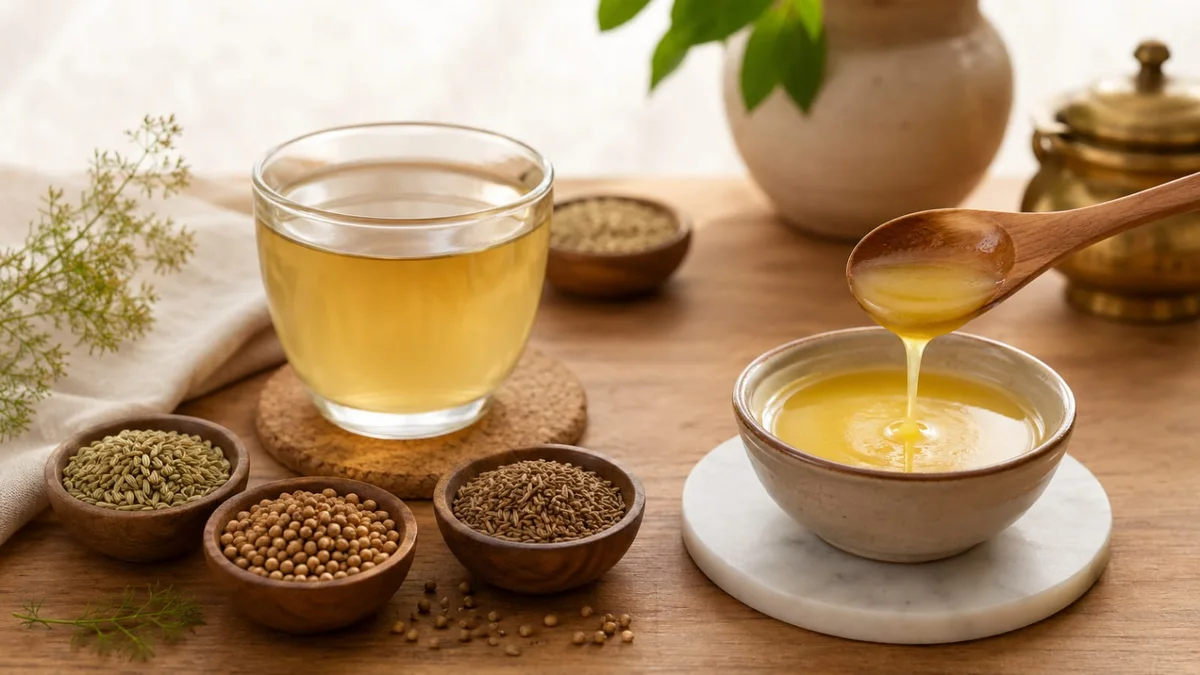
We do not always need to rely on daily antacids to survive. Our traditional kitchens hold powerful, cooling, and astringent tools perfectly designed to pacify Pitta and soothe the scorched internal landscape.
- The CCF Cooler: A room-temperature tea made of Coriander, Cumin, and Fennel seeds (CCF) is the ultimate Pitta pacifier. The coriander and fennel specifically cool the heat in the urinary tract and digestive system, while gently supporting digestion without adding any extra fire.
- The Ghee Shield: Taking a teaspoon of pure, melted cow's ghee on an empty stomach in the morning is profoundly healing for high Pitta. Ghee is cooling (Sheeta) and sweet (Madhura). It literally coats the inflamed, acidic stomach lining, acting as a soothing liquid shield that grounds the intense heat.
- The Aloe Vera Pacifier: Drinking a small amount of fresh, food-grade aloe vera juice acts as a direct coolant for the liver and the blood. Its bitter and astringent qualities help pull the excess heat out of the skin and the digestive tract simultaneously.
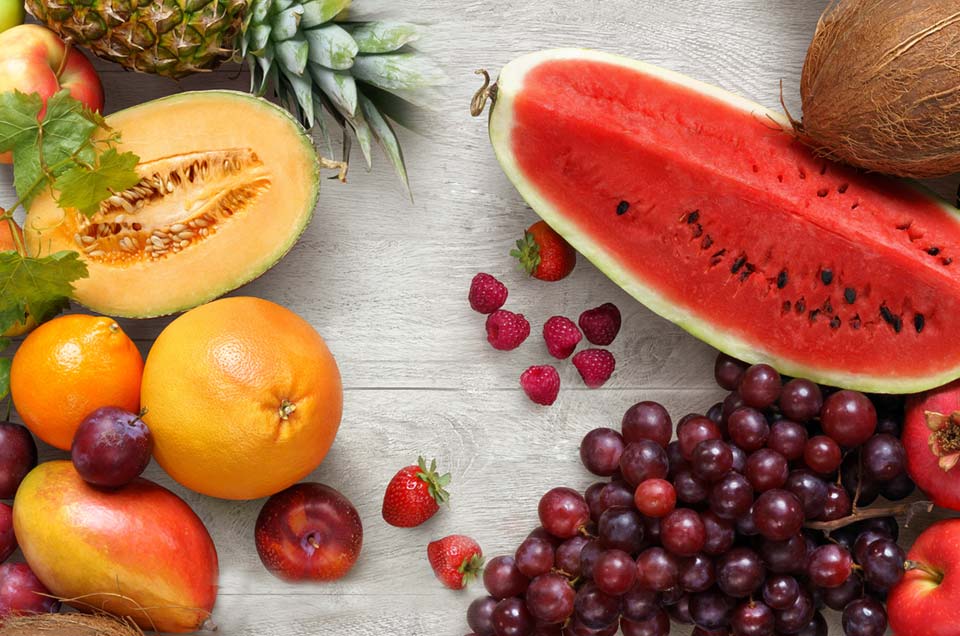
- Embracing Sweet, Bitter, and Astringent: To balance Pitta, favor foods that naturally possess these three tastes. Think juicy melons, sweet cucumbers, bitter leafy greens, and astringent beans. These tastes naturally absorb and neutralise hot, sour, and salty energies.
Doctor’s Note
While balancing your internal fire is beautifully effective for daily well-being, severe Pitta imbalances can escalate into serious medical conditions if ignored.
If your acid reflux is so severe that you have difficulty swallowing, if you are experiencing sharp, stabbing pains in your upper right abdomen (which could indicate a gallbladder attack), or if your blood pressure is chronically elevated, you must consult a physician. Chronic, unchecked inflammation damages organs. You cannot simply meditate or drink aloe vera juice away a bleeding ulcer or severe hypertension. Always use holistic cooling practices in conjunction with proper medical evaluation to ensure you are safe.
Final Thoughts
We spend so much time praising the "fire" of ambition, the "hustle," and the "burn" of intense workouts that we forget a fire left unattended will eventually burn the house down. Just because you have the energy and drive to push through the heat does not mean your body isn't silently suffering the consequences.
Your acid reflux, your sudden temper, and your skin flare-ups are a living, breathing message. They are asking you to step out of the sun; they are begging you to put down the hot sauce; and they are reminding you that true power comes from a cool, clear mind. Listen to your body carefully. Honor the natural wisdom of your fiery constitution, find ways to bring sweetness and coolness back into your daily routine, and remember that the most beautiful fires are the ones that are carefully contained and gently nurtured!