 Published on
06 Aug, 2026
Published on
06 Aug, 2026 Updated on 06 Aug, 2026
 5070
5070Motherhood is one of the most beautiful experiences in life, but it also brings several physical and emotional changes.
One such issue that may come as a shock to many new moms is hair fall after childbirth. Hair falling in heaps in your brush or drain may cause you to panic
However, in most cases, it is a natural phenomenon.
It is important for you to know why hair loss after pregnancy happens and how you can handle it.
What Is Postpartum Hair Fall?
Postpartum hair fall refers to hair loss that typically takes place two to four months after delivery. Estrogen hormones that increase in a woman’s body during pregnancy result in the growth of hair for a prolonged period. However, as soon as a woman gives birth, the levels of these hormones become normal again, and as a consequence, the hair falls out.
While your hair might seem to be falling out excessively, what actually happens is that you lose extra hair accumulated during pregnancy.
Why Does It Happen?
There are several causes of hair fall after pregnancy
Hormonal Fluctuation
Hormonal imbalance is the major cause behind the occurrence of hair fall after pregnancy. It is characterized by the sudden decrease in the level of estrogen, which leads to hair follicles entering the dormant stage.
Physical Stress
A pregnancy is very exhausting, and your body needs time to recover after delivering a baby. The exhaustion caused by the delivery and lack of sleep and fatigue after birth causes hair loss.
Lack of Nutrients
A woman is likely to be deficient in essential nutrients, including iron, vitamin D, zinc, and protein, owing to inadequate dietary consumption and post-delivery blood loss.
Breast Feeding
Breastfeeding, in itself, does not lead to hair fall but it increases the need for essential nutrients.
How Long Does Postpartum Hair Loss Last?
Hair loss usually commences between the 2-4 month phase after giving birth and hits its highest point around 4-6 months before slowly improving until the baby turns 1 year old. Normally, women will have their hair regain its density in 6-12 months after giving birth.
Nevertheless, when hair fall continues past the 1-year mark accompanied by other symptoms such as hair loss and tiredness, then one needs to consult a specialist. It is because it could be a sign of something more serious, such as hypothyroidism and anemia.
Tips to Manage Postpartum Hair Fall
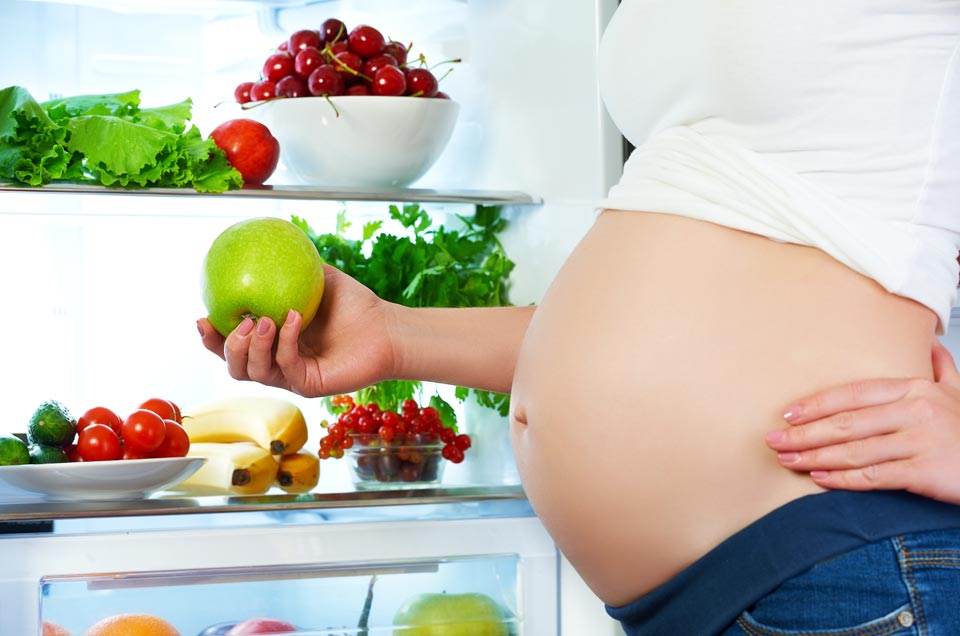
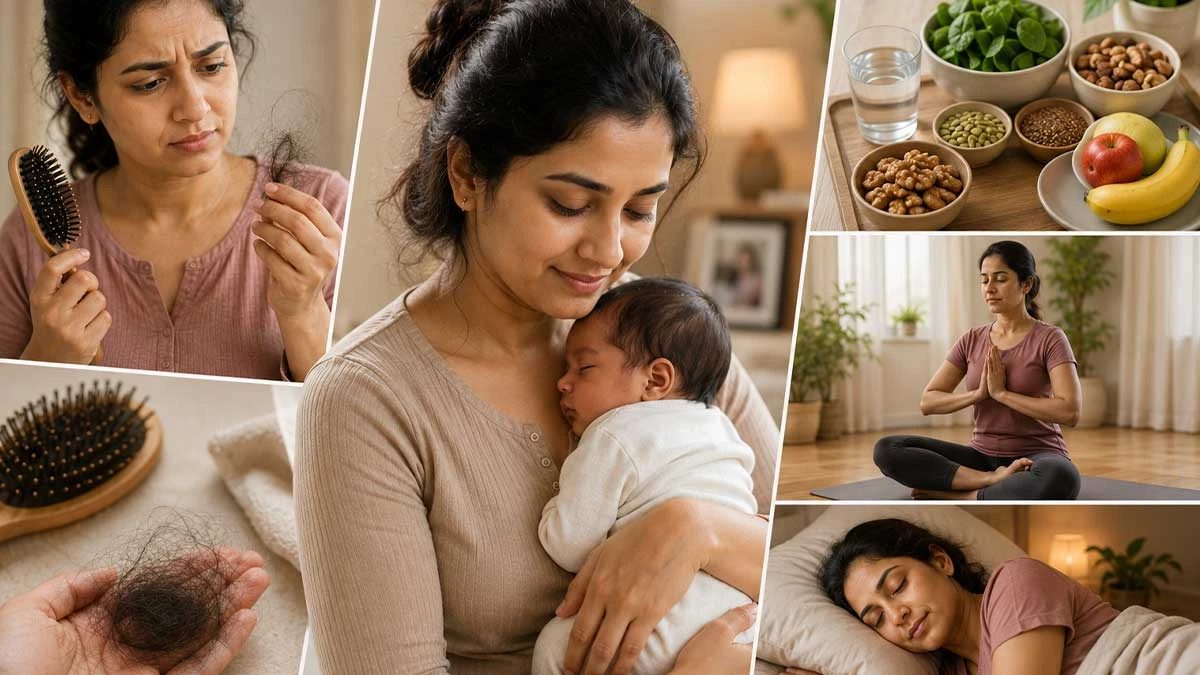
Healthy hair starts from within. Focus on foods rich in:
- Iron
- Vitamin D
- Zinc
- Omega-3
- Biotin-rich foods such as nuts and seeds
- Protein intake
Continue taking your postnatal vitamins if recommended by your healthcare provider.
Be Soft with Your Hair
Don’t tie your hair up in styles that exert tension on the scalp, such as ponytails or braids. Utilize a wide-toothed comb, and opt for mild shampoos and nutritious conditioners.
Limit Heat and Chemicals
Regular blow-drying, straightening, bleaching, or coloring of your hair may cause damage when your hair is already fragile. Let your hair lie naturally whenever you can
Massage Your Scalp
Massaging your scalp could be helpful to enhance circulation and provide a healthy setting for hair growth. You may use coconut or almond oils if they suit your scalp.
Manage Stress
Though taking care of an infant could be exhausting, you could get some time out for rest and relieve stress, which is important for your well-being. Exercising, meditation, deep breathing, or asking for help from other family members may prove beneficial.
When Should You See a Doctor?
Postpartum hair loss is not typically a serious issue, but it is best to see your doctor in case you have these symptoms
- Hair loss that persists more than 12 months
- Bald spots
- Red, itchy, or painful scalp
- Rapid hair loss
- Anemia or thyroid symptoms like tiredness, dizziness, and unexpected weight gain
Can Postpartum Hair Loss Be Prevented?
An honest answer would be that hair loss cannot be entirely prevented because it is due to natural hormonal changes. Eating healthy food, drinking plenty of water, getting enough sleep, and using gentle hair care products can help you out and reduce breakage
The good news is that postpartum hair loss is usually temporary. Sometimes it just takes patience and taking care of yourself.
Conclusion
The shedding of hair post-delivery is absolutely normal in terms of the body's recovery process post-delivery. Even though it might be scary for some women, it is a temporary occurrence that stops once the hormones get balanced. all you need to do is take good nutrition and take care of your hair.
Just imagine, your body has performed a great deed by delivering a new life into this world. So, take time for yourself and allow your body to recover.
References
Hair loss in new moms: Dermatologist tips
The Scoop on Postpartum Hair Loss: Why It Occurs and How to Cope | University of Utah Health