 Published on
26 Jun, 2026
Published on
26 Jun, 2026 Updated on 26 Jun, 2026
 5119
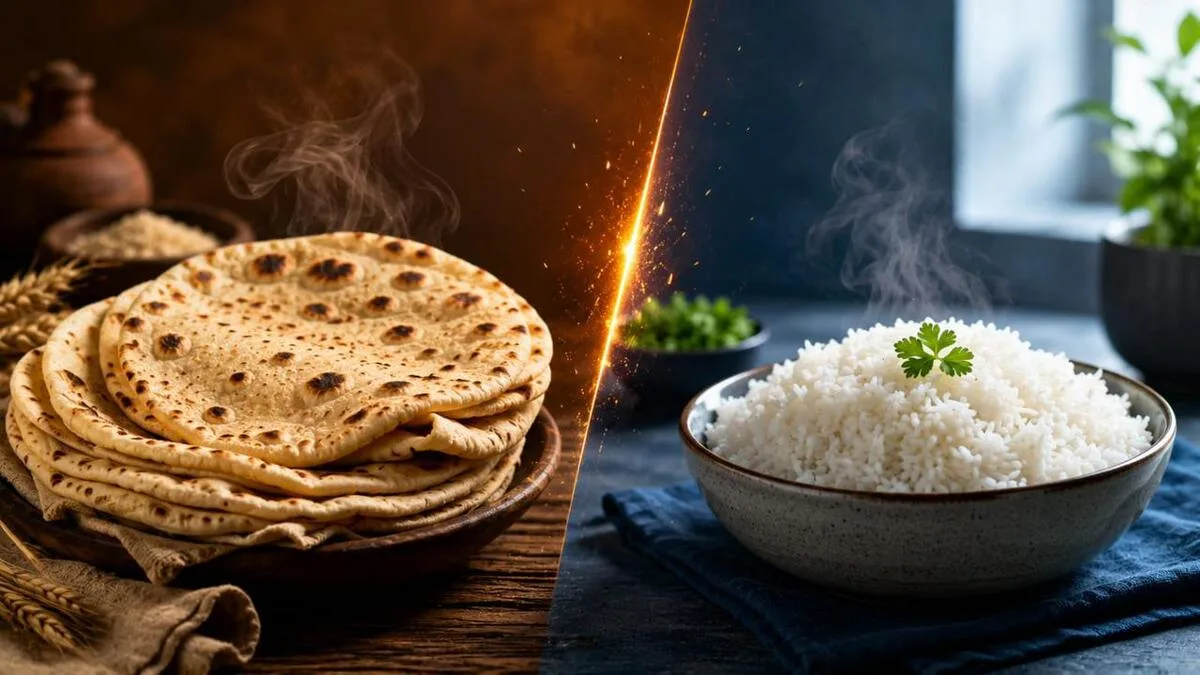
5119If you are trying to eat a little healthier, you have probably found yourself staring at your plate, wondering, "Should I eat roti or rice today?" Honestly, it is a daily internal battle in almost every household. For a long time, rice has been unfairly labeled as the ultimate weight-gain villain, while roti has been praised as the gold standard for healthy eating. We have all been there, feeling a tiny bit guilty for reaching for that comforting second scoop of rice, thinking we should have just stuck to a dry roti instead.
But the truth is actually a lot more interesting than the rumors. Neither one is automatically "better" or "worse" for you and you definitely do not need to banish your favorite staples from the kitchen. The right choice does not come down to a rigid set of rules; it really just depends on your own unique body, how your digestion handles different grains and the kind of company those carbs are keeping on the rest of your plate.
Calories Don't Tell the Whole Story
When we compare these two, we usually start and end with the calorie count. Yes, if you measure a cup of cooked rice against a single whole-wheat roti, the rice usually has a bit more calories. But your body isn't a math problem; it doesn't just count numbers; it responds to how food actually digests.
A fresh roti is dense and packed with fiber and protein. Because it is a bit complex, your stomach has to work harder to break it down, which gives you a slow, steady stream of energy over a few hours. Rice, on the other hand, is much lighter and breaks down far more quickly. It gives your system fast, clean energy without demanding a ton of heavy lifting from your stomach. That is exactly why a warm bowl of soft rice feels so incredibly soothing when you are feeling under the weather or dealing with a sensitive stomach.
What’s Actually Inside? The Nutrient Breakdown
If you look past the rumors and check the actual nutrition labels, you will see that roti and rice look quite different under the hood. Here is a simple, no-nonsense look at what you are actually putting into your body:
- The Calorie Count: A single, medium-sized whole-wheat roti has about 70 to 100 calories. A standard cup of cooked white rice sits a little higher, usually around 130 to 200 calories. However, keep in mind that rice absorbs a lot of water while cooking, which pushes up its volume and weight.
- Fiber and Feeling Full: This is where roti takes the lead. Whole wheat is naturally loaded with dietary fiber, which slows down your digestion and keeps your stomach quiet for longer. White rice has most of its fiber stripped away during processing, though swapping to brown or red rice brings that healthy fiber right back.
- The Protein Power: Roti packs a bigger protein punch than white rice. If you are trying to up your daily protein, a couple of rotis will give you a better head start.
- Vitamins and Minerals: Roti is naturally rich in essential minerals like magnesium, potassium, and iron, along with energy-boosting B vitamins. White rice is mostly clean starch, though it is often fortified with vitamins later on to replace what was lost during milling.
Choosing Based on Specific Health Conditions
If you are managing a specific health issue, here is a quick, straightforward look at how roti and rice stack up against each other:
- For Diabetes or High Blood Sugar: Whole wheat or millet rotis are usually your best bet because the fiber prevents sudden sugar spikes. If you really want rice, go for long-grain Basmati or brown rice, keep the scoop small and always pile on the dal and veggies to keep your blood sugar steady.
- For Gluten Sensitivity or Celiac Disease: Rice is the clear, effortless winner here because it is naturally completely gluten-free. Standard wheat rotis will trigger stomach pain but you can still enjoy rotis if you make them from gluten-free alternative flours like jowar, ragi or bajra.
- For Acid Reflux, IBS, or a Sensitive Stomach: Soft white rice is incredibly gentle, digests quickly and won't sit heavily in your stomach or trigger acid flare-ups. Whole wheat rotis can sometimes be too dense and that heavy fiber can easily cause uncomfortable bloating or gas if your gut is already irritated.
How to Choose Based on Your Gut
Instead of trying to figure out which food is universally "better," it is much more rewarding to just pay attention to how your stomach feels after you finish a meal. You can let your body guide your choice:
- If you often feel bloated or heavy: If your stomach easily feels sluggish, puffy, or uncomfortable after eating, swapping your roti for rice might give your system a much-needed break. Rice is naturally gluten-free and incredibly gentle on the digestive tract.
- If you get hungry again right away: If you find yourself looking for a snack barely an hour after lunch, or if you feel a bit scattered and need a meal that truly grounds you, the heavier fiber in a whole-grain roti might be exactly what your body needs to stay full and satisfied.
Which is Better for Weight Loss?
Here is the most important takeaway: neither roti nor rice will directly make you gain weight. Weight gain happens when you consistently eat more food than your body actually needs to burn for energy.
Plenty of people lose weight while eating rice every single day, just like others do while eating rotis. Instead of cutting one out completely, focus on your portion sizes. Having a balanced plate filled with good carbohydrates, plenty of protein, healthy fats, and lots of vegetables matters so much more than picking a side in the roti versus rice debate.
The Bottom Line
At the end of the day, trying to crown either roti or rice as the ultimate winner completely misses how beautifully unique our bodies are. Food shouldn't be a source of daily stress or guilt. If you are staying active, feeling good, and don't have any major medical restrictions, there is absolutely no reason you can't enjoy both staples as part of a happy, healthy life.
Instead of getting caught up in online arguments about which food is universally "perfect," try asking yourself a much better question before your next meal: "Which option is going to make my body feel energized, comfortable, and truly satisfied today?"
References
Eating, Diet, & Nutrition for Celiac Disease - NIDDK