 Published on
20 Aug, 2026
Published on
20 Aug, 2026 Updated on 20 Aug, 2026
 5063
5063A late-night shower feels amazing, especially when it is hot and sticky outside. It helps in relieving all day stress and gives you deeper sleep and clearer skin by washing away your daily sweat. But there is a catch: we usually sleep with wet hair with the idea that it will get dry by the morning. We all do it. But have you ever thought that it’s just a bad idea or a harmless habit that can severely damage your hair and scalp?
Sleeping With Wet Hair: Is It Really Harmful?
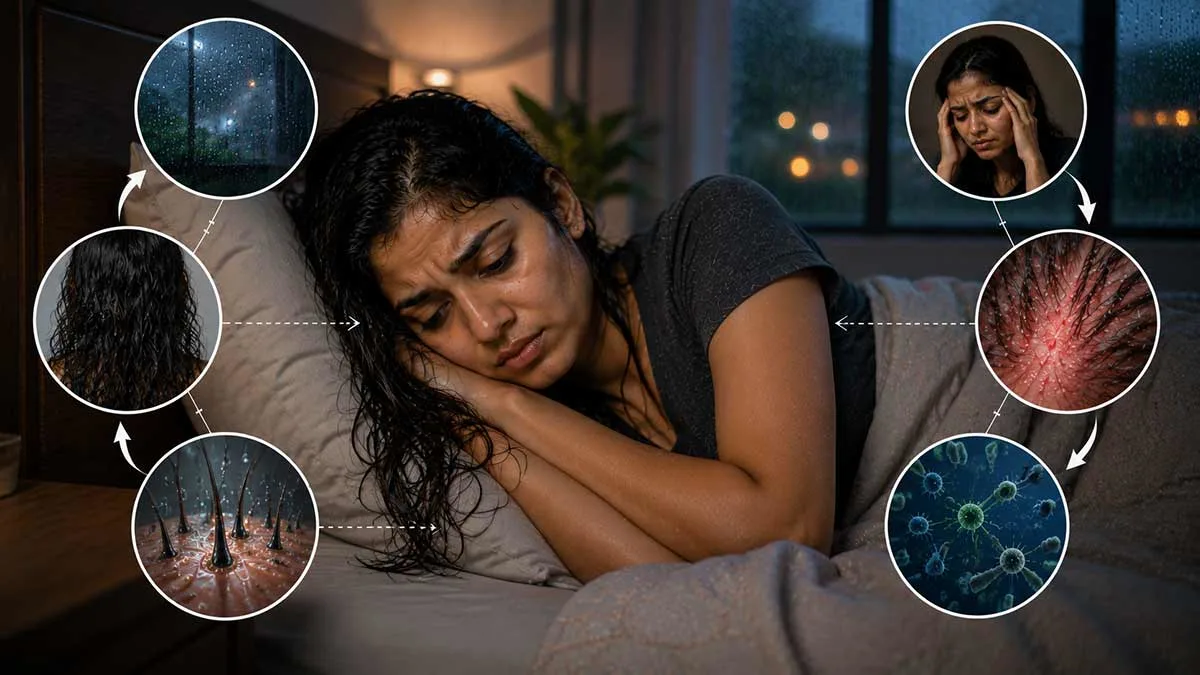
While sleeping with wet hair directly will not cause any harmful disease, it can affect your hair and scalp severely. Wet hair is fragile; the cuticles, which are the outer protective layer, soften and lift slightly, which makes each strand weaker on your scalp and can break easily. That’s why your hair becomes frizzy and weak, and you also start facing hair fall.
Doing it once in a while won't affect your hair and scalp much, but if you do this daily, then it can be problematic for you and your scalp.
Why Does Humid Weather Make Wet Hair Different?
Humid air has a lot of water hidden in it as a gas. When the weather is humid, the air just feels wet and sticky. And when you sleep with wet hair thinking that it will dry completely by morning, it only does more damage to it.
Think about drying a wet towel in a steam room; what will happen? It will take much longer than usual. This same thing happens with our hair. Because our hair is already wet, and when it tries to dry in this humid weather, it takes way longer than usual, which makes it brittle and frizzy later. Plus, keeping it wet for so long makes the roots weak, leading to more hair fall.
What Are The Drawbacks Of Sleeping With Wet Hair?
If you do it once in a while, then it will not cause you any harm, but if you have this habit of sleeping with wet hair daily, then it may cause:
Hair breakage or damage
When you sleep, you toss and turn a lot, and when you wake up, you may find your hair more tangled and frizzy, making it difficult to untangle and get rid of frizziness, which later can result in a lot of hair loss.
Face Acne
Many people have the habit of sleeping against their pillow; we usually lean our head on the pillow, and the dampness of the hair also transfers to it. When a person has this habit of sleeping against the pillow, his/her face touches it, which can give you severe acne or pimples on your face.
Fungal Infection
Sleeping with wet hair can increase the risk of fungal infection on the scalp. It can cause infections such as dermatitis or dandruff, so it is usually recommended to sleep with dry hair and scalp. Our scalp also contains some sort of fungus, and the humid weather and the fungus present on the pillow can lead to severe infections on your scalp as well.
Getting Sick
Many people believe that sleeping with wet hair can cause a cold in a person. It is not wholly true, but if a person has weak immunity, sinus issues, and can easily catch a virus, then they might catch a cold in this weather. But it is also true that if you do it daily and sleep with wet hair in humid weather in a cold AC, then it can make you sick.
Ayurvedic Views On Sleeping With Wet Hair
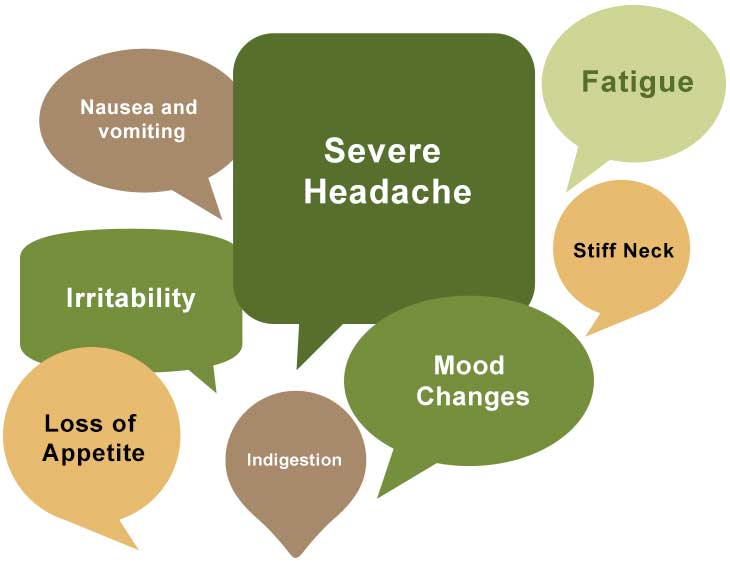
In Ayurveda, it is advised not to sleep with wet hair as it can cause imbalance in the Vata and Kapha dosha. Vata dosha is responsible for air and movement in the body, and Kapha dosha is responsible for strength and immunity; if they get affected, it can lead to dryness, irritability, stiffness, sinus issues, and even headaches.
It can also affect the body channels, Srotas, responsible for the movement of food, water, and air to the tissues. Dampness blocks micro-channels of the scalp, which results in improper nourishment of the scalp tissues.
Simple Ayurvedic Tips To Protect Your Hair & Scalp
Ayurveda has these simple and natural remedies to protect your scalp in this humid weather. Try the following simple tips for strong and healthy hair:
- Massage your scalp with warm coconut oil before washing your hair.
- Apply aloe vera gel from your roots to the ends to get rid of frizziness and dryness.
- Use amla powder, mix it with some water, and then apply it to your roots for stronger and healthier hair.
- Boil some neem leaves in water and then let the water cool nd use it for any type of infection and itching.
- Use plain curd with honey mask for healthy roots and hair.
- Use a wooden comb instead of a plastic brush, as they are hard on your hair.
- Drink coconut water and eat enough fibre and protein in your food for inner healing.
What To Do When You Have To Sleep With Wet Hair?
It is generally recommended to dry your hair completely before going to bed, but if that’s not possible, applying some coconut oil can help prevent breakage. Try to gently detangle your hair beforehand to reduce hair fall in the morning. Additionally, use a silk pillowcase instead of a regular one; it provides a frictionless, less drying surface that is better for both your hair and skin.
Conclusion
Going to sleep with wet hair can be bad for you, but it will not cause any serious illness. It is recommended that you go to sleep with completely dry hair to reduce your risk of fungal infections and hair breakage. If you do it occasionally, then it will not cause any harm to your scalp and hair, but if you do it daily, then it can be a problem.
Try to dry your hair a bit before going to bed. And if you have no other choice, then try to use a bit of coconut oil and a silk pillowcase to protect them from any damage.
References
Healthy hair: what is it? - PubMed
Scalp Condition Impacts Hair Growth and Retention via Oxidative Stress - PMC
A Study on Scalp Hair Health and Hair Care Practices among Malaysian Medical Students - PMC