 Published on
04 Jul, 2026
Published on
04 Jul, 2026 Updated on 04 Jul, 2026
 5105
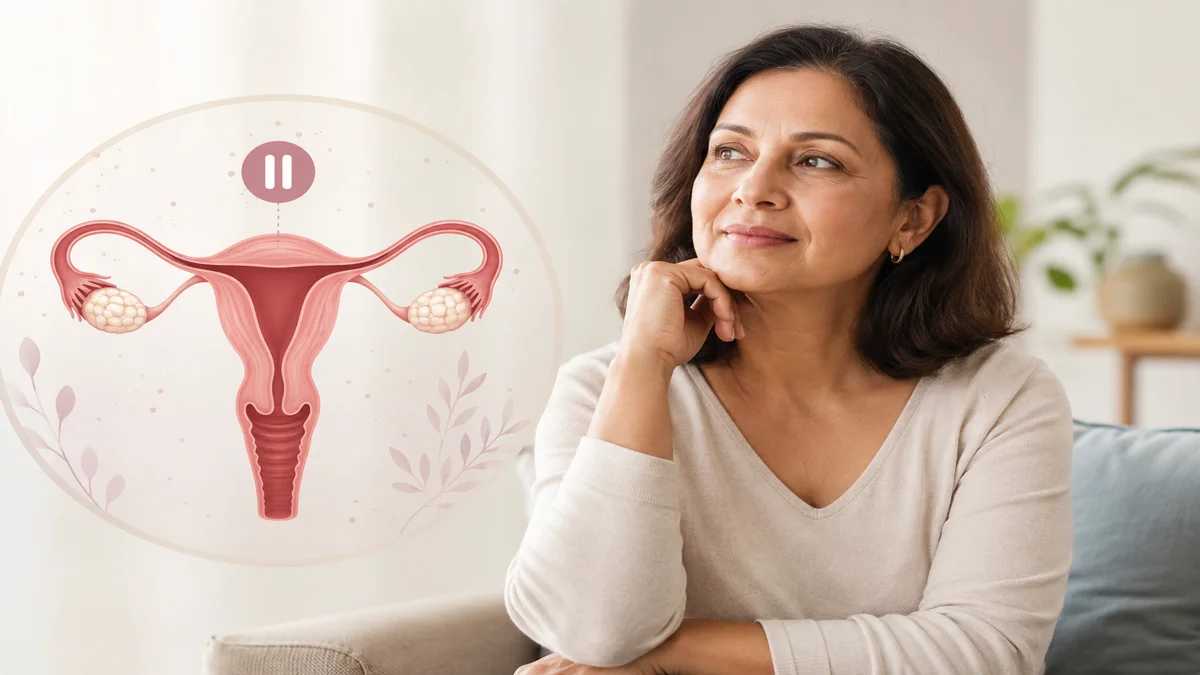
5105For a very long time, the medical world had a simple story about menopause. The story went like this: once a woman stops having her monthly periods, her ovaries simply pack up, close their doors, and retire for good.
Because their main jobs, releasing eggs and pumping out high levels of hormones, were finished, everyone assumed the ovaries just sat there, quiet and inactive, for the rest of a woman’s life.
But our bodies are much smarter and far more complex than we once thought. The truth is, your ovaries do not just retire after menopause. Instead, they might just be changing careers.
What Actually Happens During Menopause?
To understand this shift, we first need to look at what ovaries do during a woman's younger years. Before menopause, your ovaries are like a bustling, incredibly busy factory. They have two massive jobs:
- Releasing eggs: This is what makes pregnancy possible.
- Making hormones: They produce special chemical messengers, mainly estrogen and progesterone. These hormones do not just control your period; they also protect your heart, keep your bones strong and give your skin its elasticity.
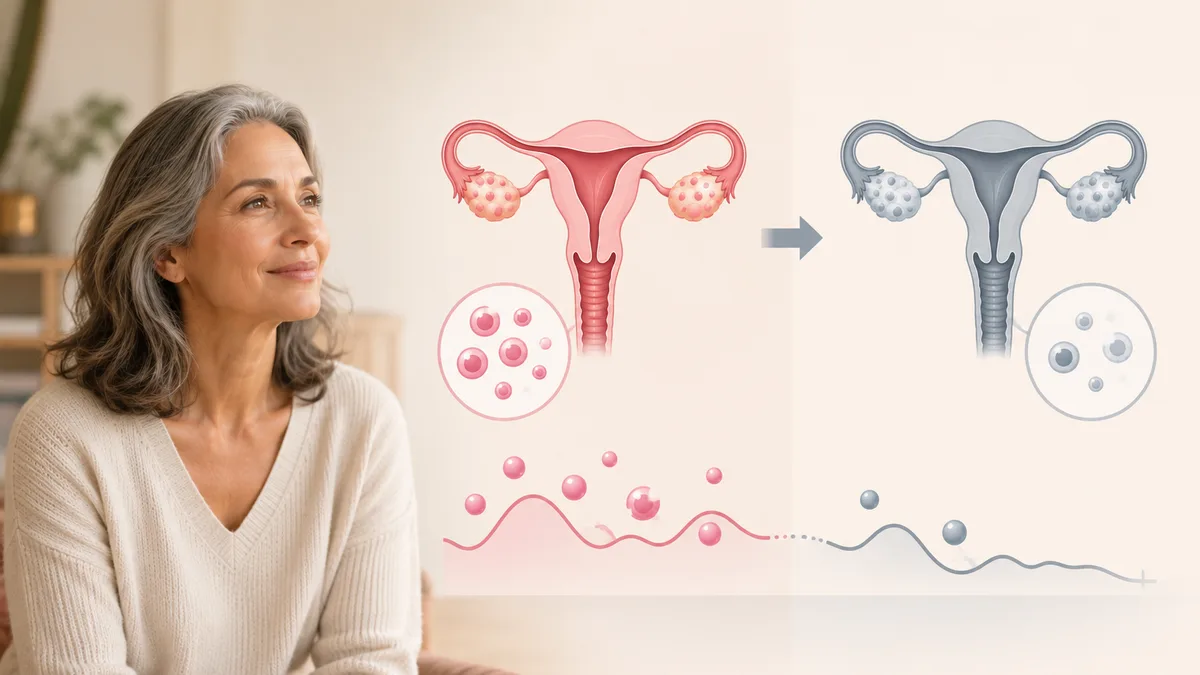
As a woman gets older and approaches menopause, this busy factory naturally starts to slow down. The supply of eggs runs out. Because there are no more eggs, the factory stops producing those high levels of hormones. Eventually, the monthly periods stop completely.
For decades, people looked at this and thought, "Well, the factory is closed. The ovaries are done." But there is a lot more going on beneath the surface.
A New Chapter: From Making Eggs to Supporting Immunity
When the "machinery" for making eggs turns off, the ovaries do not just become dead, silent tissue. Instead, a whole new kind of activity begins. As you age, your ovaries actually start interacting more with your immune system.
Think of it like a factory that used to build cars. When people stopped buying cars, the factory didn't shut down and abandon the building. Instead, it retooled its machines, cleaned up the shop and started building medical supplies.
The ovaries do not become a primary immune organ like your spleen or your lymph nodes, but they are still communicating with the rest of your body. They are filled with immune cells and help manage inflammation and immune signals as you age. They are still participating in your health, just in a brand new way.
Why Does This Matter for Women?
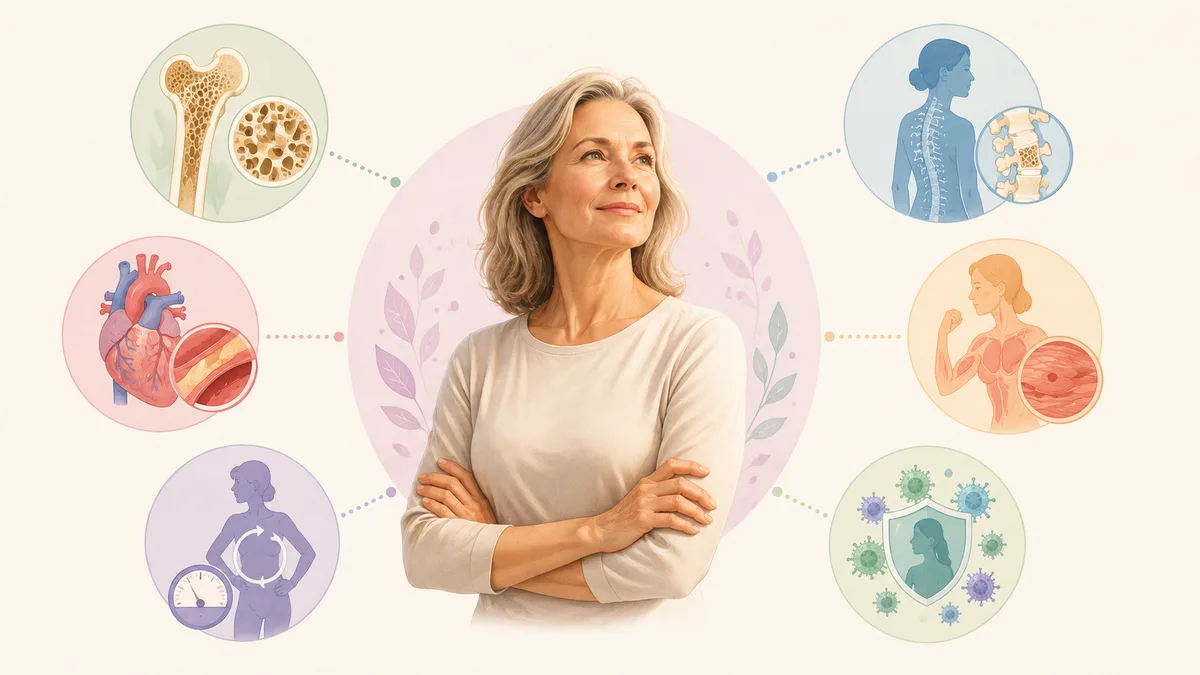
Menopause changes a lot more than just your ability to have a baby. When those reproductive hormone levels drop, women suddenly face new hurdles. They become more likely to develop weak, brittle bones (osteoporosis). Their heart health changes. Their metabolism slows down, muscle mass decreases, and even their immune system shifts.
Knowing that your ovaries are still actively trying to communicate and help your immune system during these older years changes how we look at aging. It reminds us that the female body is always adapting, trying to figure out the best way to keep you strong, healthy, and vibrant.
What This Does Not Mean
While this understanding of the body is exciting, it is very important to stay grounded.
This does not mean that you can "reverse" menopause. The ovaries are not going back to making eggs. It does not mean fertility comes back, and it does not change the practical advice your doctor will give you today for handling hot flashes or keeping your bones strong.
What it does do is open a door. It challenges the old, slightly insulting idea that a woman's reproductive organs are completely useless once her childbearing years are over.
The Ayurvedic View: A Natural New Season
This idea that the body is simply changing, not breaking, matches perfectly with what Ayurveda has been saying for thousands of years.
In Ayurveda, the ancient Indian system of natural wellness, menopause is never treated as a disease. It is not considered a medical failure. It is simply viewed as a natural, beautiful transition into a new season of life.
Ayurveda believes that as we get older, our body's energies shift. Specifically, an energy called Vata starts to take over. Vata is the energy of air, wind, and space. It is dry, light, and moving.
When Vata naturally increases during menopause, it explains perfectly why women experience certain things:
- Dryness: The skin gets dry, and the joints feel stiff and clicky.
- Movement: Sleep gets interrupted, and the mind can feel anxious or scattered.
- Heat bursts: The leftover fire in the body flares up as hot flashes.
Because Ayurveda sees this as a natural shift, the goal is never to "cure" menopause or force the body to act like it is twenty years old again. Instead, the goal is to calm that windy, dry Vata energy. You do this by bringing in warmth, grounding routines, and deep nourishment.

How to Support Your Body Right Now
The rules for taking care of yourself after menopause are simple and incredibly effective. You can support your body beautifully through this transition by focusing on a few daily habits:
- Eat Grounding Foods: Focus on warm, cooked, nourishing meals. Think warm soups, cooked vegetables, and healthy fats like ghee or olive oil to combat that internal dryness.
- Keep Moving, But Gently: Regular exercise keeps your bones strong and your heart healthy. Walking, swimming, and gentle yoga are perfect for keeping your joints lubricated without stressing your body out.
- Protect Your Bones: Make sure you are getting enough calcium and Vitamin D. Your bones need extra love and support during this stage.
- Prioritize Real Rest: Menopause can make sleep tricky. Create a calm, quiet, screen-free routine before bed to help your brain wind down naturally.
- Manage the Stress: High stress makes every single menopause symptom worse. Finding just ten minutes a day to sit quietly, breathe deeply, or read a book can completely reset your nervous system.
- Talk to a Professional: If hot flashes or mood swings are making you miserable, do not suffer in silence. Talk to a trusted doctor about natural therapies or medical options that can help you feel like yourself again.
The Bottom Line
Menopause is the end of your reproductive years, but it is absolutely not the end of your body's incredible ability to adapt and protect you.
Your body is full of magic and mystery. Your ovaries are likely working quietly in the background, learning a new trade, and finding fresh ways to support your health. The absolute best thing you can do is treat your body with kindness, respect, and care as it enters this powerful new chapter of life.
References
Menopause - StatPearls - NCBI Bookshelf