 Published on
10 Jul, 2026
Published on
10 Jul, 2026 Updated on 10 Jul, 2026
 5087
5087Some people book a massive health checkup every year, while others avoid doctors entirely because they feel fine. The smartest approach is somewhere in the middle.
A checkup isn't just about collecting test reports; it is about catching hidden health risks before they turn into serious problems. Instead of blindly paying for every test on the menu, it makes much more sense to know exactly when a complete full-body scan is actually worth your money and when a few specific tests will do the job perfectly.

What Exactly Is a Full Body Checkup?
A full body checkup is a quick snapshot of what is happening inside your body. It is a package of medical tests that usually checks your blood and urine to see how your internal organs are handling daily life.
A standard package will check your blood sugar levels, your cholesterol, how well your liver and kidneys are cleaning your blood, and your thyroid function. Sometimes, it also includes an ECG or a simple chest X-ray to make sure your heart and lungs are working smoothly.
Why Do People Choose to Get Tested?
Generally, people go for such tests in order to put their minds at ease. People want the satisfaction of knowing that everything is working fine in their bodies.
Some other people undergo tests due to the fact that some diseases, such as diabetes, hypertension, or cardiac problems, are common in their family.
Is a Checkup Necessary for Every Single Person?
The answer differs person by person. If you are a healthy young adult in your twenties or thirties, you eat reasonably well, you sleep fine, and you have no family history of serious illness, you do not need a massive fifty-test package every single year. A basic, simple checkup every few years is usually more than enough.
On the other hand, if you are getting older, carry extra weight, smoke, or already have health issues like high blood pressure, getting a thorough checkup every year becomes incredibly important. The trick is to test for what you actually need, rather than forcing everyone into the same mold.

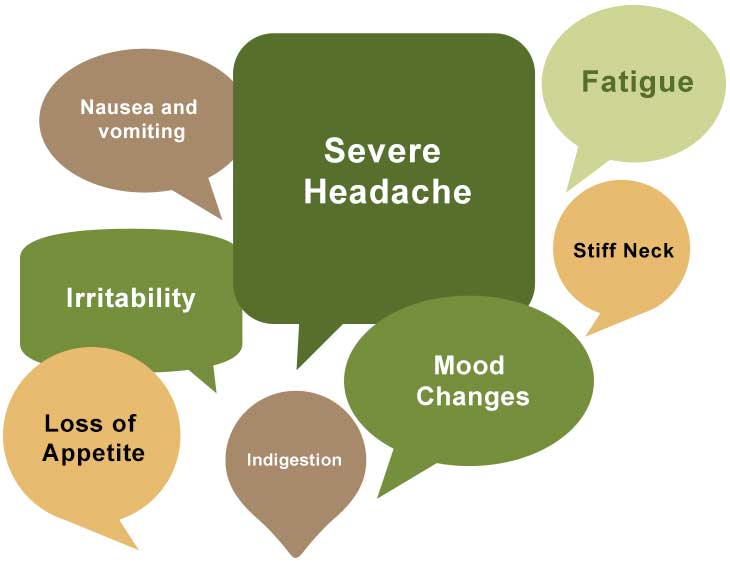
Listen to Your Body: Signs You Need a Checkup
Your body is highly intelligent. It usually gives you subtle warning signs when something is struggling on the inside long before it turns into a major disease.
You should definitely consider booking a checkup or seeing a doctor if you start experiencing:
- Constant tiredness: If you feel tired even after getting a full night's sleep.
- Sudden weight changes: You start losing and gaining weight without following any diet.
- Stomach struggles: If you are persistently dealing with gas, bloating and slow digestion.
- Frequent headaches: You tend to have headaches or migraines frequently.
- Getting sick often: You catch a cold or flu that goes around the office.
- Sleep issues: You wake up frequently in the middle of the night or struggle to fall asleep.
These signs do not always mean you have a terrible illness but they are clear signals that your body needs a little extra attention and a proper medical checkup.
Who Should Make Checkups a Regular Habit?
Certain people simply have a higher risk of developing hidden health issues. You should take annual checkups much more seriously if you fall into any of these categories:
- You have crossed the age of 40.
- You have a family history of any serious illness such as heart disease, diabetes or cancer.
- You are addicted to alcohol and smoke cigarettes.
- You don’t work out at all.
- You are already taking daily medications for an ongoing issue.
Doctor’s Note
Routine health packages are excellent for general screening when you feel well, but they shouldn't be used to self-diagnose a new or worsening problem. If you are experiencing specific red-flag symptoms like sudden, unexplained weight loss, unusual lumps or chronic localized pain, don't just book a random lab package online. You need a direct clinical evaluation by a doctor so they can order the exact diagnostic tests your specific condition requires.
What Actually Happens Inside the Lab?
When you book a package, the tests usually cover a few main areas to give a complete picture of your health.
Simple Blood Tests:
- Full Blood Count: Helps to determine whether your body contains enough iron and if your body is battling any infection.
- Glucose: Helps in determining early symptoms of diabetes.
- Lipid Profile: Measures both the good and bad cholesterol in your body.
- Kidney and Liver Test: Helps to ensure that your internal filters cleanse your blood effectively.
- Thyroid: Examines the gland responsible for metabolism and energy in your body.
Heart and Body Checks:
- ECG: It’s a quick test to check the rhythm of your heart.
- Blood Pressure: The simplest but most important check for heart health.
- Urine Test: Looks for early signs of kidney issues or urinary infections.
The Danger of a "Normal" Report
Can your test results come back perfectly normal, even if you feel terrible? Yes, absolutely.
Blood tests can be helpful but they are not magic. They cannot see everything. Conditions like chronic stress, severe fatigue, stomach acidity, early nerve issues or mental health struggles often do not show up on a standard lab report.
This is why you should never ignore real physical pain or discomfort just because a piece of paper says you are "normal." Always trust how you feel and talk to a doctor.
The Ayurvedic View: Catching Problems Before the Lab Does
Ayurveda looks at preventive health in a beautifully simple way. It believes that you do not need to wait for a lab machine to tell you that you are unhealthy.
Long before a disease shows up in your blood work, your body will show signs of imbalance. Ayurveda looks at your daily life: Are you digesting your food easily? Are you sleeping deeply? Is your energy steady throughout the day? Are your bowel movements clear and regular?
Instead of just reading numbers on the report, Ayurveda goes for a better and deeper approach to know what is actually going on inside your body. When your digestion and sleep are perfect, your body naturally defends itself against illness.

Simple Habits That Keep You Out of the Clinic
What you do every single day matters much more than a blood test you take once a year. You can naturally reduce your need for doctors by focusing on a few basic, non-negotiable habits:
- Eat fresh, warm, home-cooked meals whenever possible.
- Move your body for at least thirty minutes a day, even if it is just a brisk walk.
- Protect your sleep like it is your most important meeting of the day.
- Drink enough water to keep your system flushed and clean.
- Find simple ways to disconnect from your phone and manage daily stress.
When to Skip the Lab and Go Straight to a Doctor
A routine checkup is for when you are feeling mostly fine. It is meant to search for hidden issues. But if your body is screaming at you, skip the lab packages and go straight to a doctor's clinic.
Seek immediate medical help if you ever experience:
- Severe, crushing chest pain.
- Extreme stomach pain that makes it hard to stand.
- Sudden dizziness, fainting, or intense weakness.
- Difficulty breathing normally.
- Unexplained, rapid weight loss without trying.
Conclusion
A full body checkup is a fantastic tool to help you stay ahead of your health, but it is not a strict requirement for every single person. The decision to get tested should be based on your age, your daily habits, and how you actually feel when you wake up in the morning.
Remember, good health is not created in a laboratory. By eating well, sleeping deeply, managing your stress, and listening to your body's early warning signs, you take the best possible care of yourself, making those yearly checkups a breeze.
References
Health as Complete Well-Being: The WHO Definition and Beyond - PMC